The espresso machine field · 264 measured · priced live, CAD & USD
Which espresso machine should you buy?
We measured all 264 the same way — steam, shot ceiling, reliability records, live Canadian and US prices — because the honest answer depends on your mornings, not on a top-ten list. We don’t sell the hardware; we roast the coffee that goes through it.
The questions adapt as you answer. Free, no signup.
Where the money goes
The field, by budget — and the community’s default in each
Under CA$500
48 on file
Honest starts and a few traps — the community default here earns it by being forgiving, documented, and easy to resell.
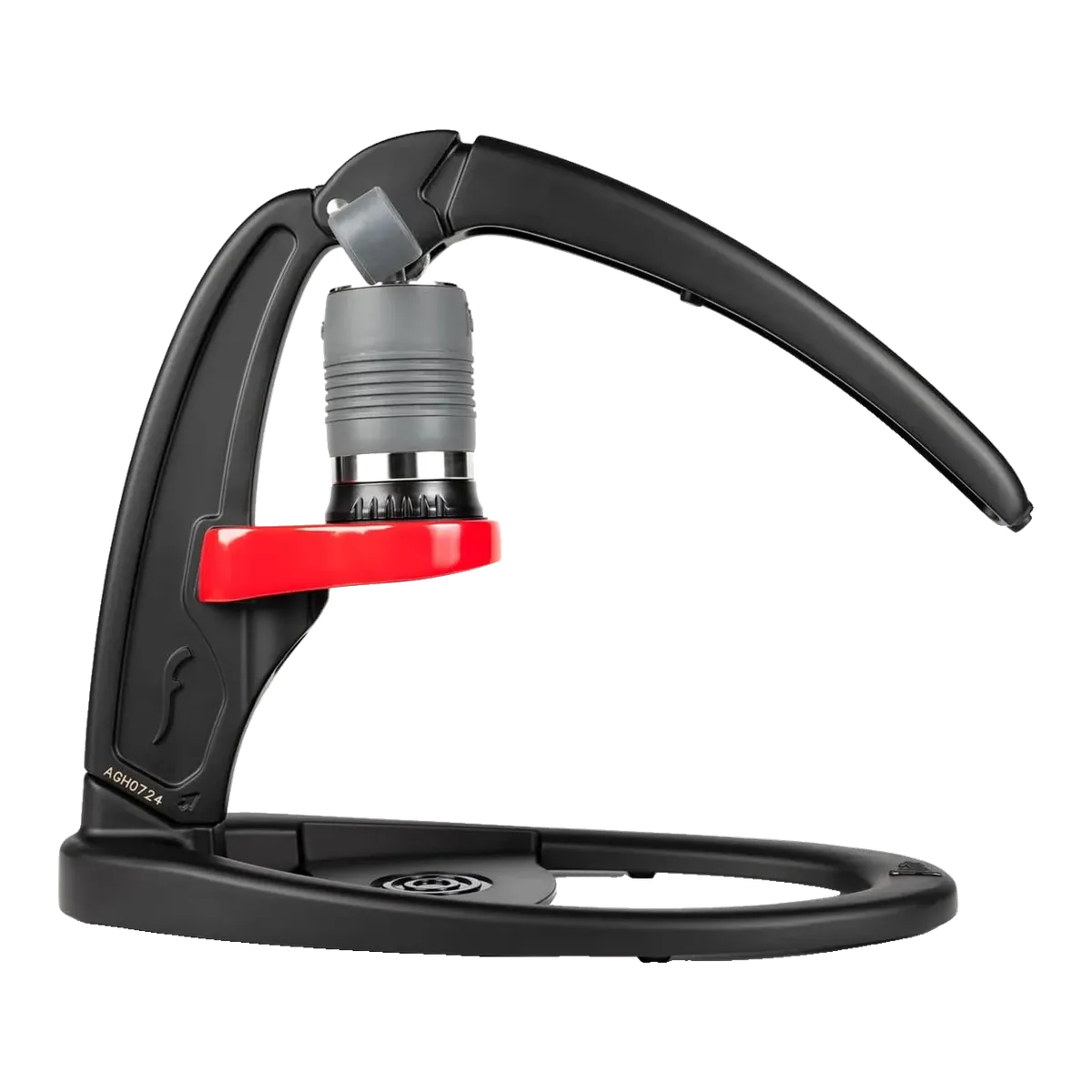
CA$500–1,000
42 on file
The serious-start bracket: real machines, real steam. What you add over the entry tier is consistency, not ceremony.
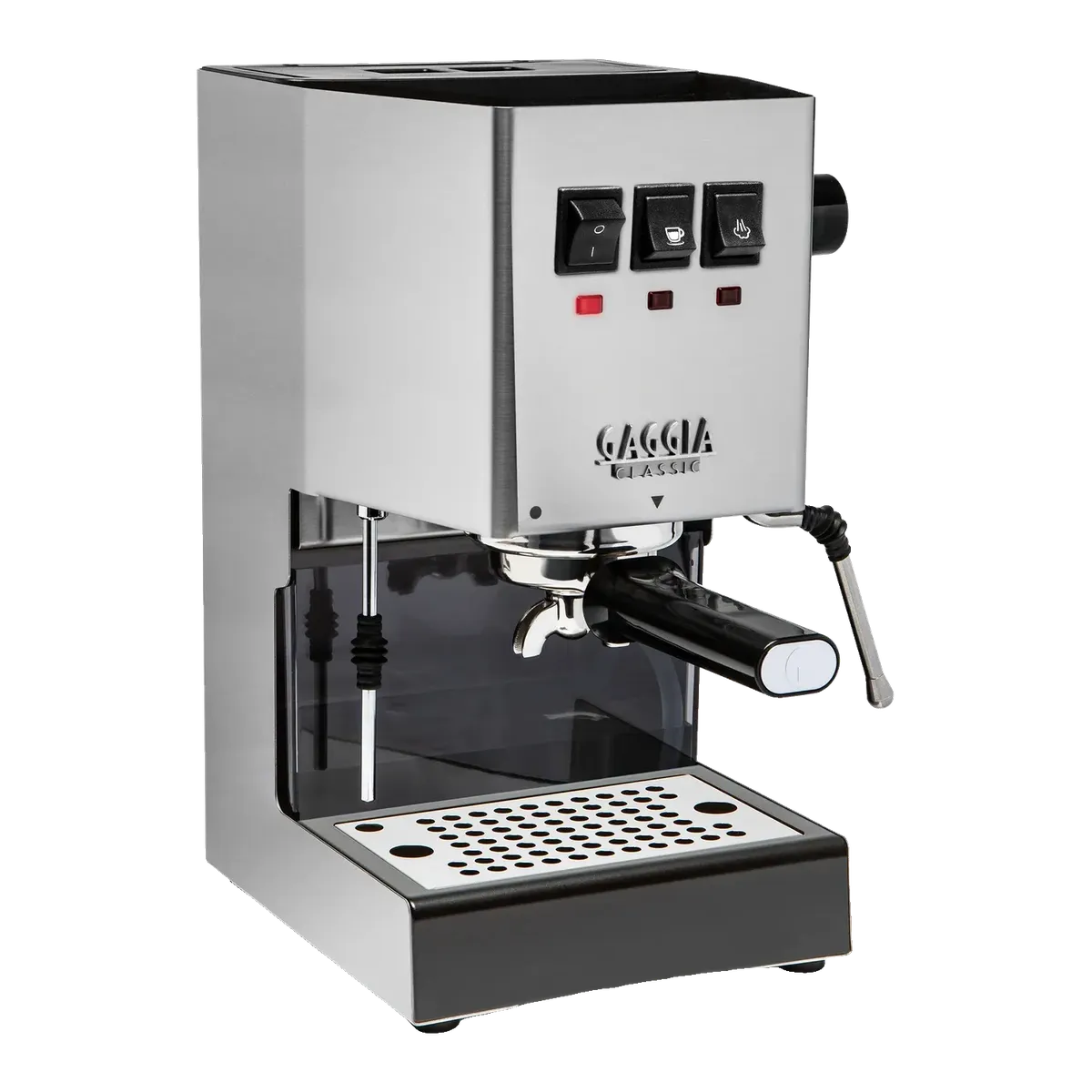
CA$1,000–2,000
60 on file
The keep-it-for-years band — temperature stability, build quality, and the first machines people never feel forced off of.
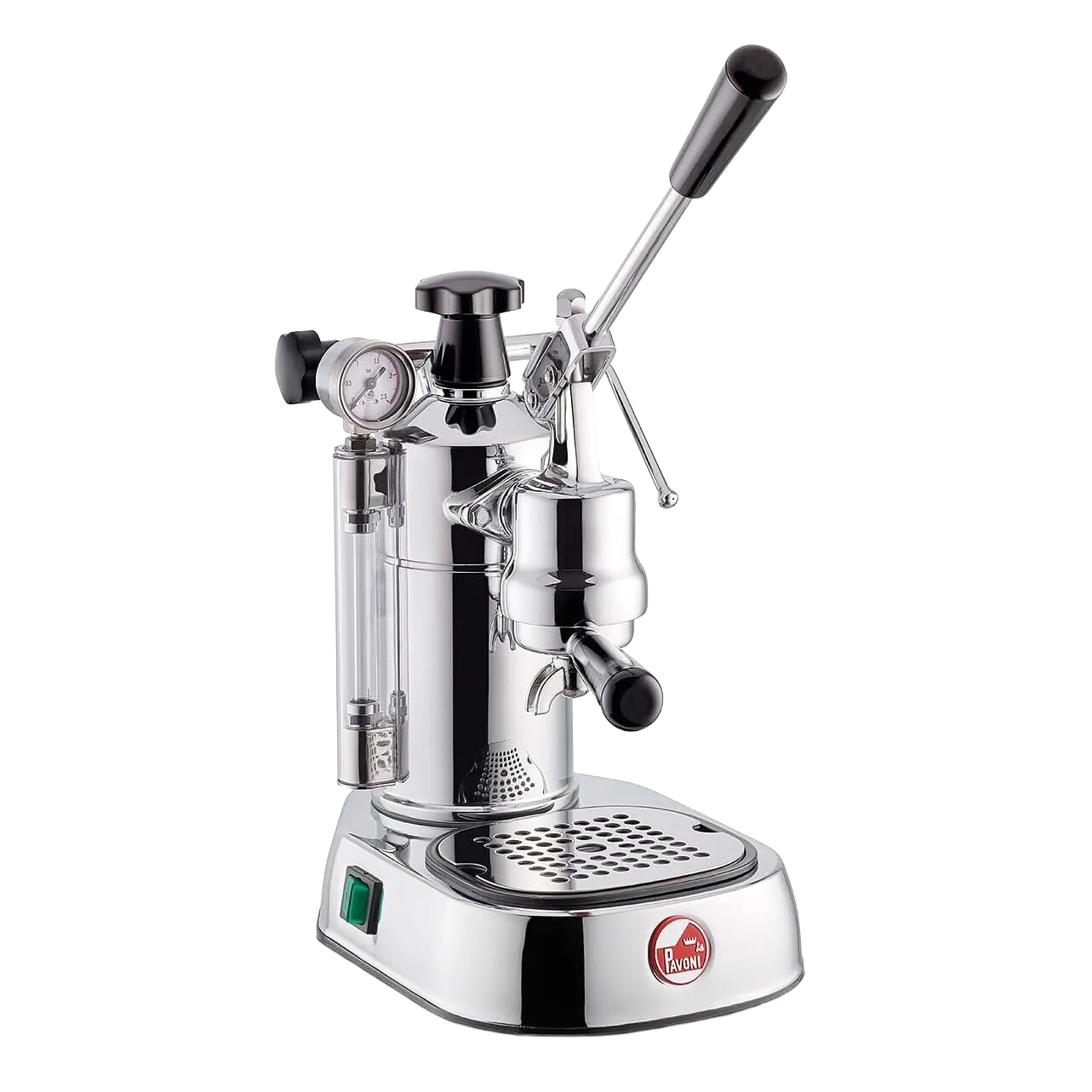
CA$2,000+
89 on file
Café-grade territory: dual boilers, E61 groups, decade-long service lives. The cup improves; the ritual becomes the point.
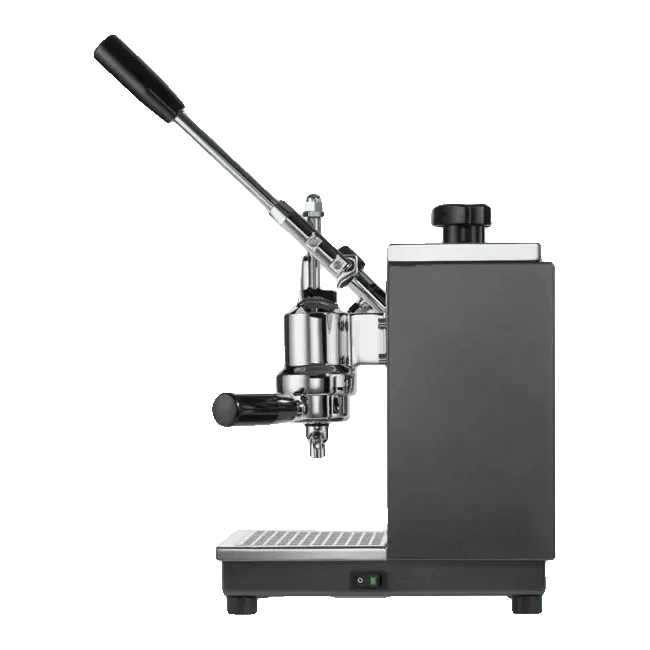
Defaults are the community’s reflex, measured — the finder checks whether yours is an exception.
What the type decides
Seven kinds of machine, one honest line each
Thermoblock / thermojet
65 on file · CA$80–6,047
Ready in seconds, compact, honest crema — the modern fast lane into real espresso.
Single boiler
24 on file · CA$98–2,992
The classic apprenticeship: real shots for the least money, but you wait between brewing and steaming.
Heat exchanger (HX)
36 on file · CA$1,050–4,795
Brew and steam at once for less than dual-boiler money — a small learning curve buys a lot of machine.
Dual boiler
52 on file · CA$1,250–19,113
The stable-temperature ceiling: milk and shots without compromise, at the biggest price and footprint.
Lever
18 on file · CA$148–11,795
The grind and your hands do the pressure work — the most involving cup in the field, zero autopilot.
Manual
17 on file · CA$60–1,000
Portable, unplugged, surprisingly capable — espresso as a deliberate act.
Super-automatic
49 on file · CA$400–5,749
The whole drink on a button — judged on convenience, where it belongs, not on shot ceiling.
The finder
Your mornings decide this — not a ranking
Milk or straight shots, noise rules, counter, patience, budget posture — weighed against all 264, with honest alternates and a week-one plan. It will say so when the right move is fixing the grinder first.
Find your machineThe shortlists
Already know your question? Start from its answer
The field
Browse all 264, measured the same way
entriespress / to search
- The defaultswhat the community hands people first13
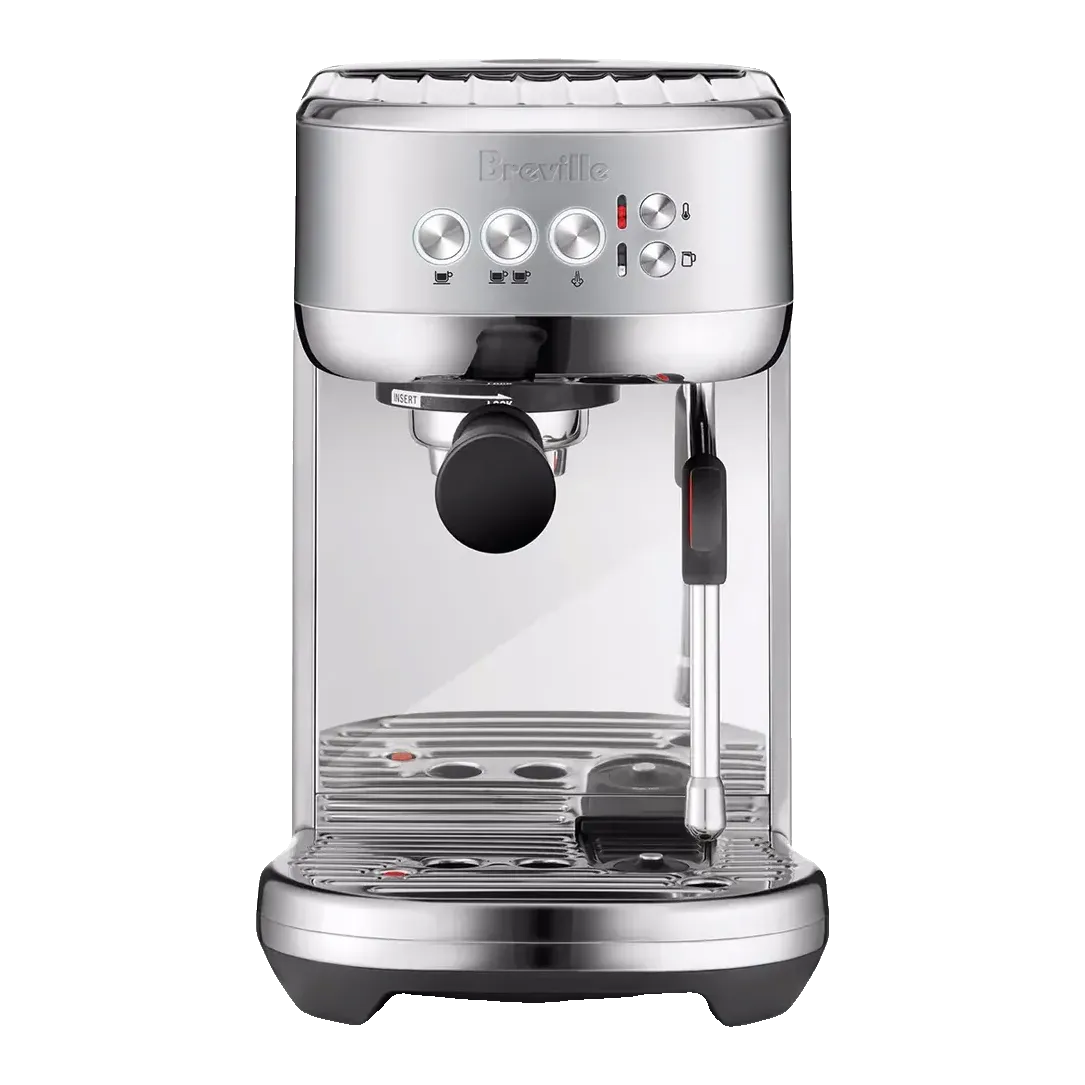
- 01Bambino PlusBreville · ThermoblockCA$485–650
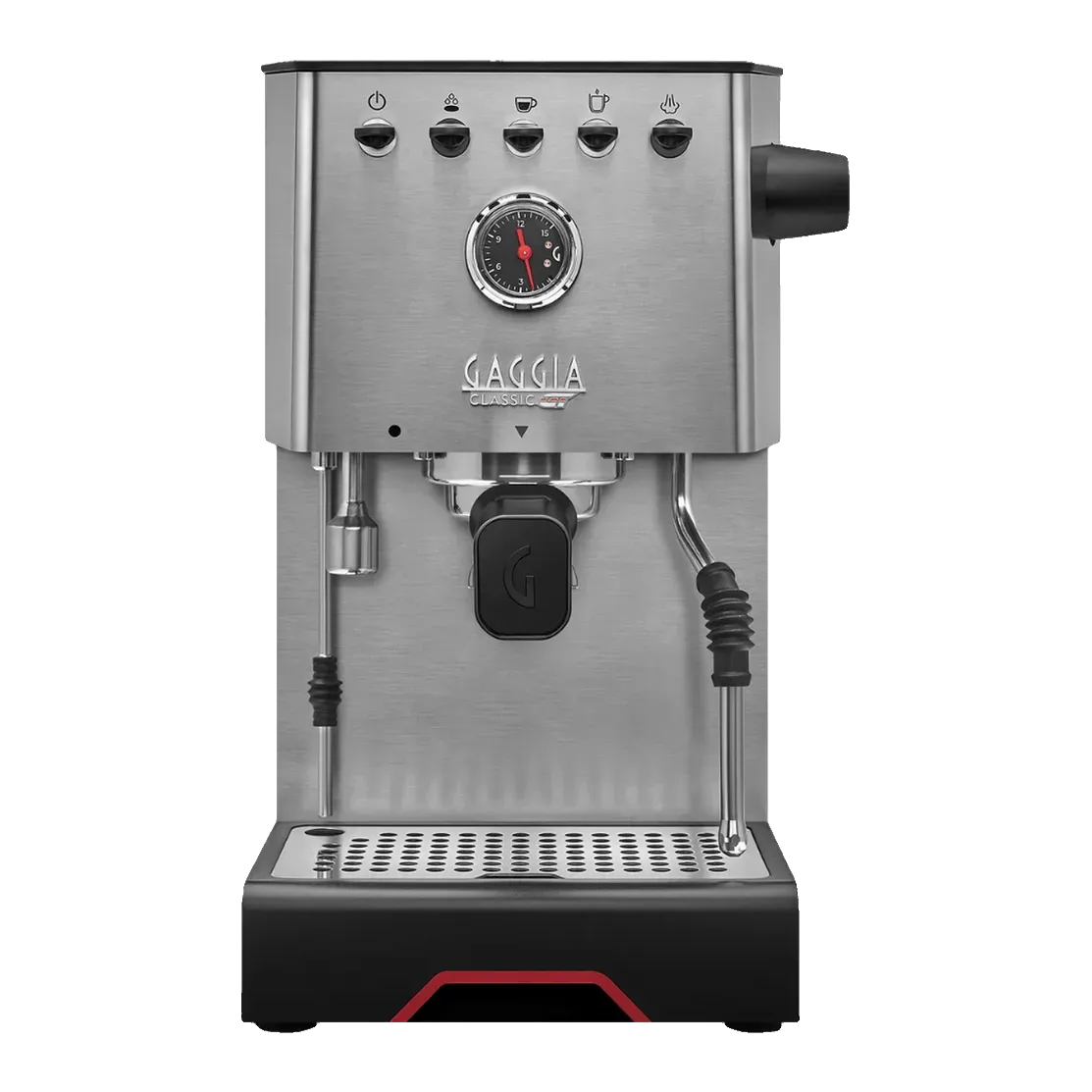
- 02Classic GTGaggia · Dual boilerUS$1,699
- 03Classic Pro E24Gaggia · Single boilerUS$499–549
- 04Europiccola (EPC-8 / Millennium)La Pavoni · ManualCA$950–1,000
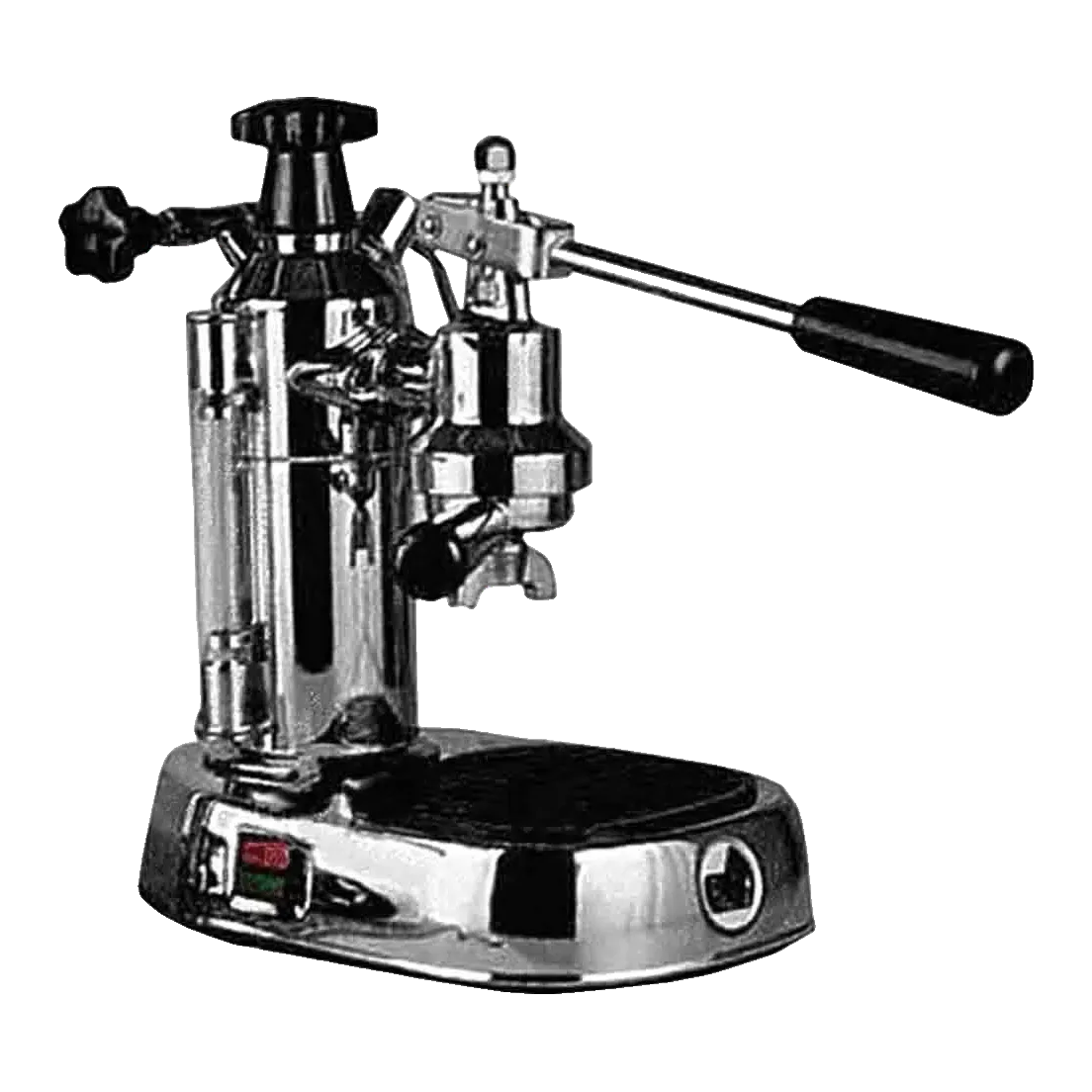
- 05Professional (PC-16)La Pavoni · LeverCA$1,895–2,100
- 06Classic (2025)Flair · LeverCA$205–210
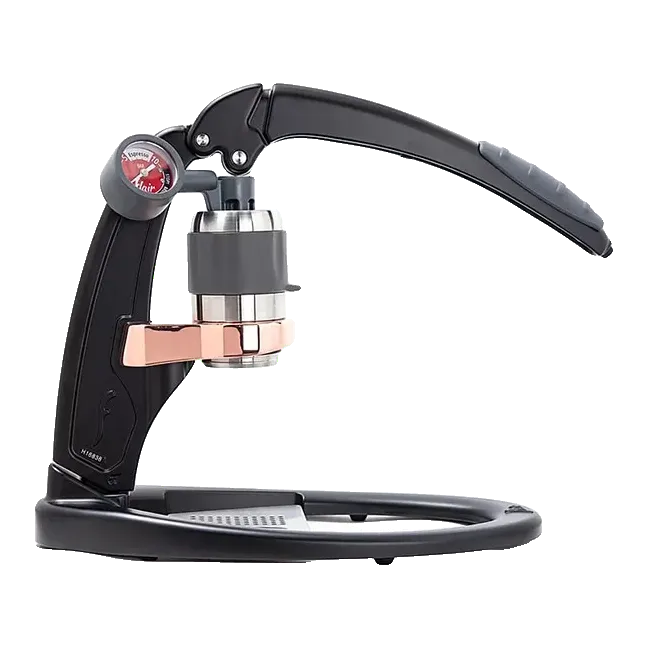
- 07SignatureFlair · LeverUS$199–249
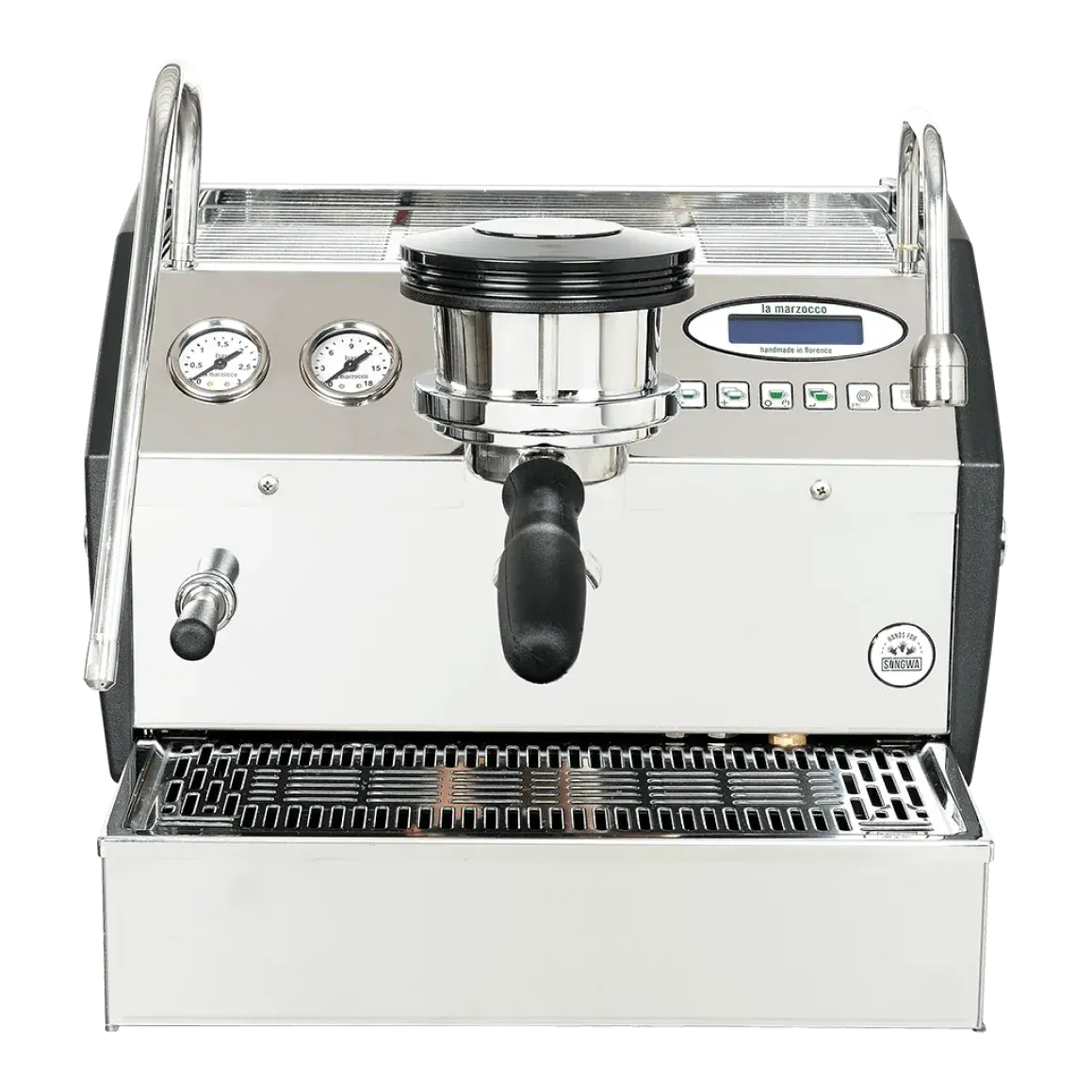
- 08GS3 MPLa Marzocco · Dual boilerUS$8,800
- 09CreminaOlympia Express · LeverUS$3,650–3,800
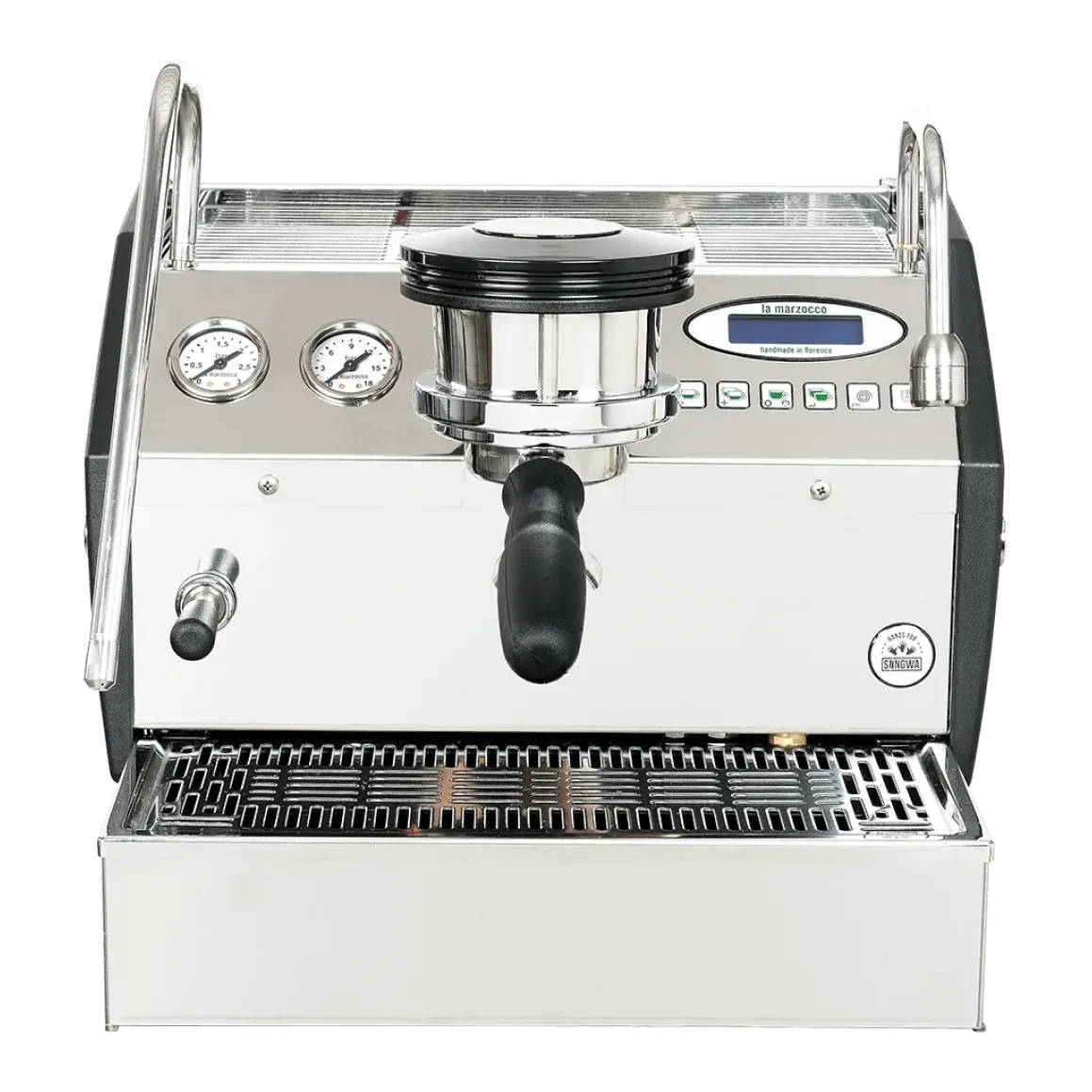
- 10GS3 AVLa Marzocco · Dual boilerUS$8,400–9,740
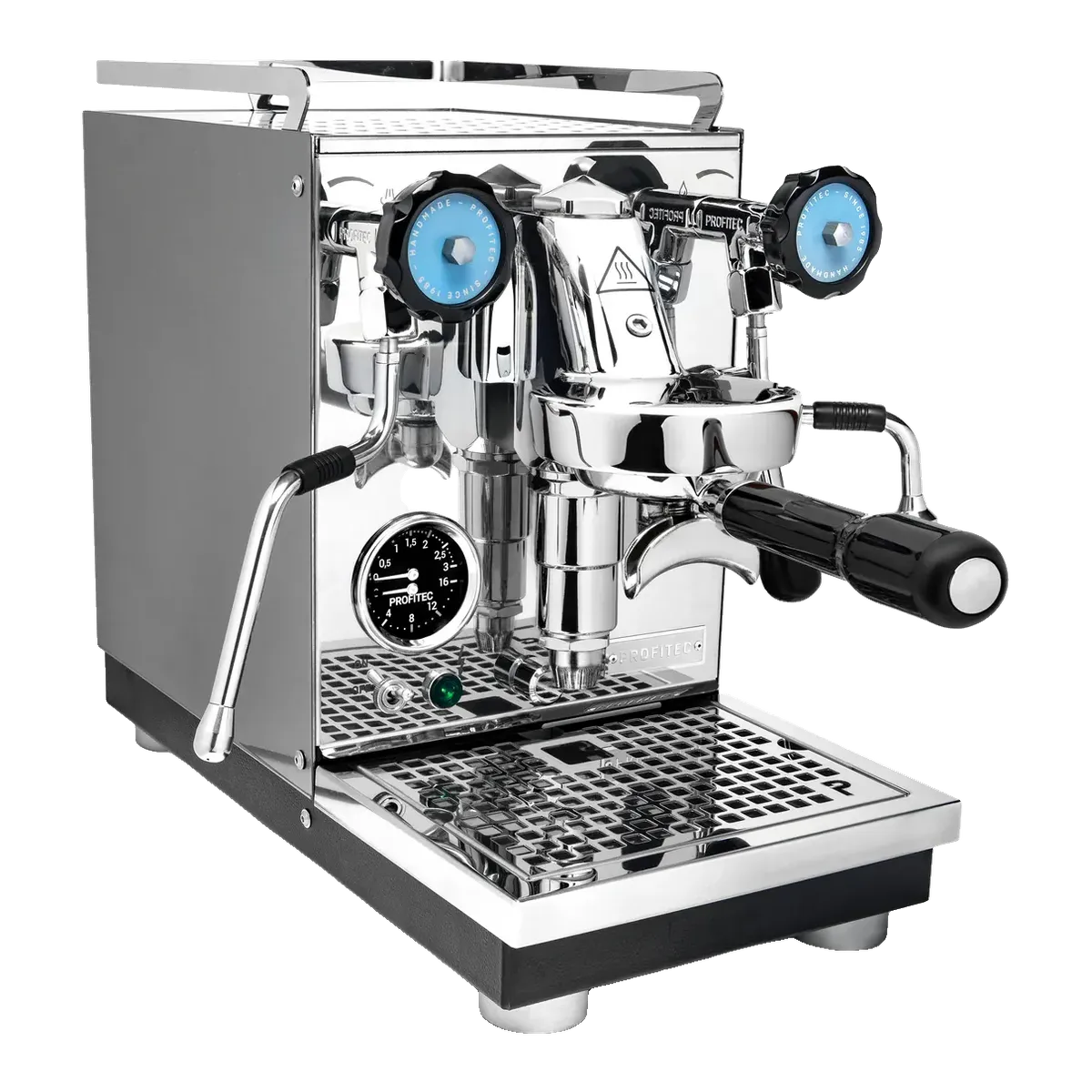
- 11Pro 400Profitec · Heat exchangerCA$2,210–2,700
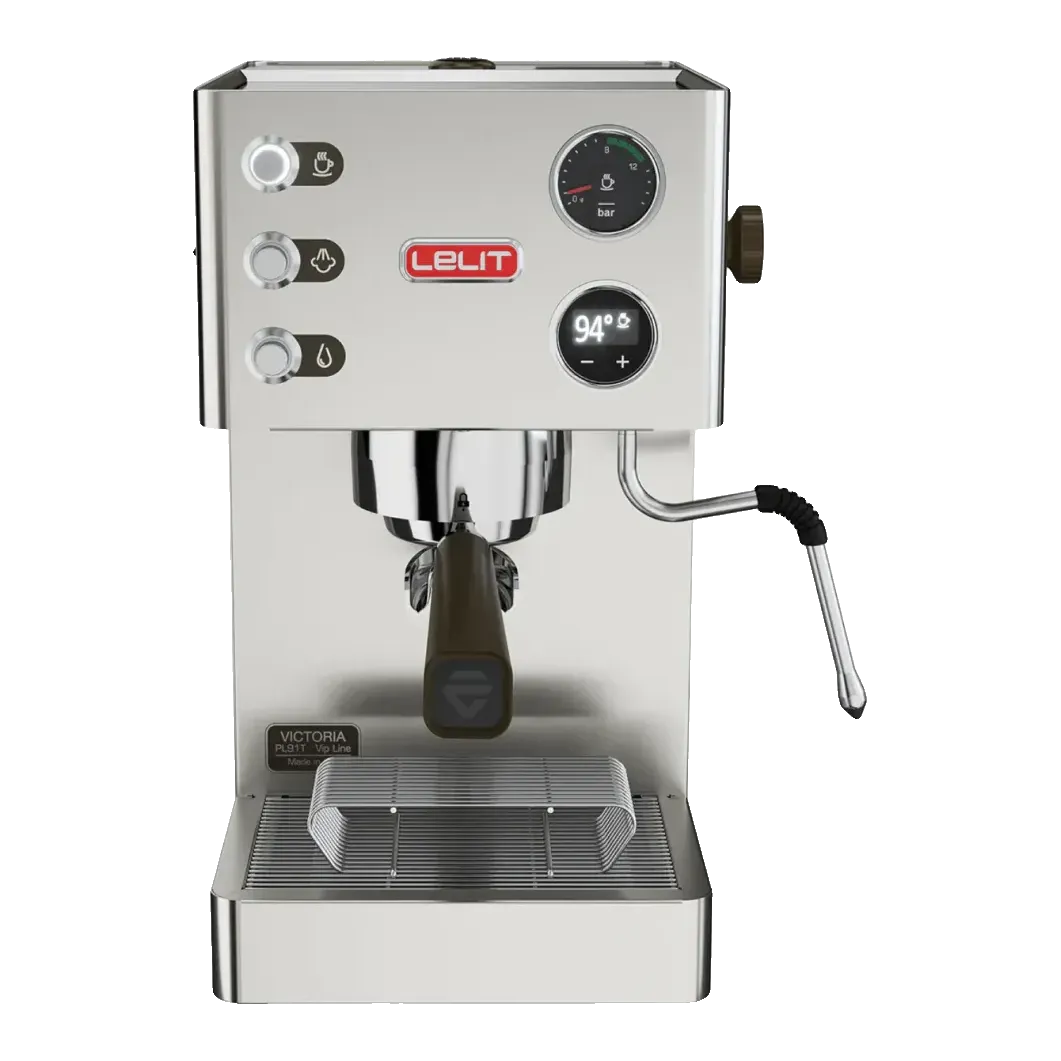
- 12VictoriaLelit · Single boilerUS$999
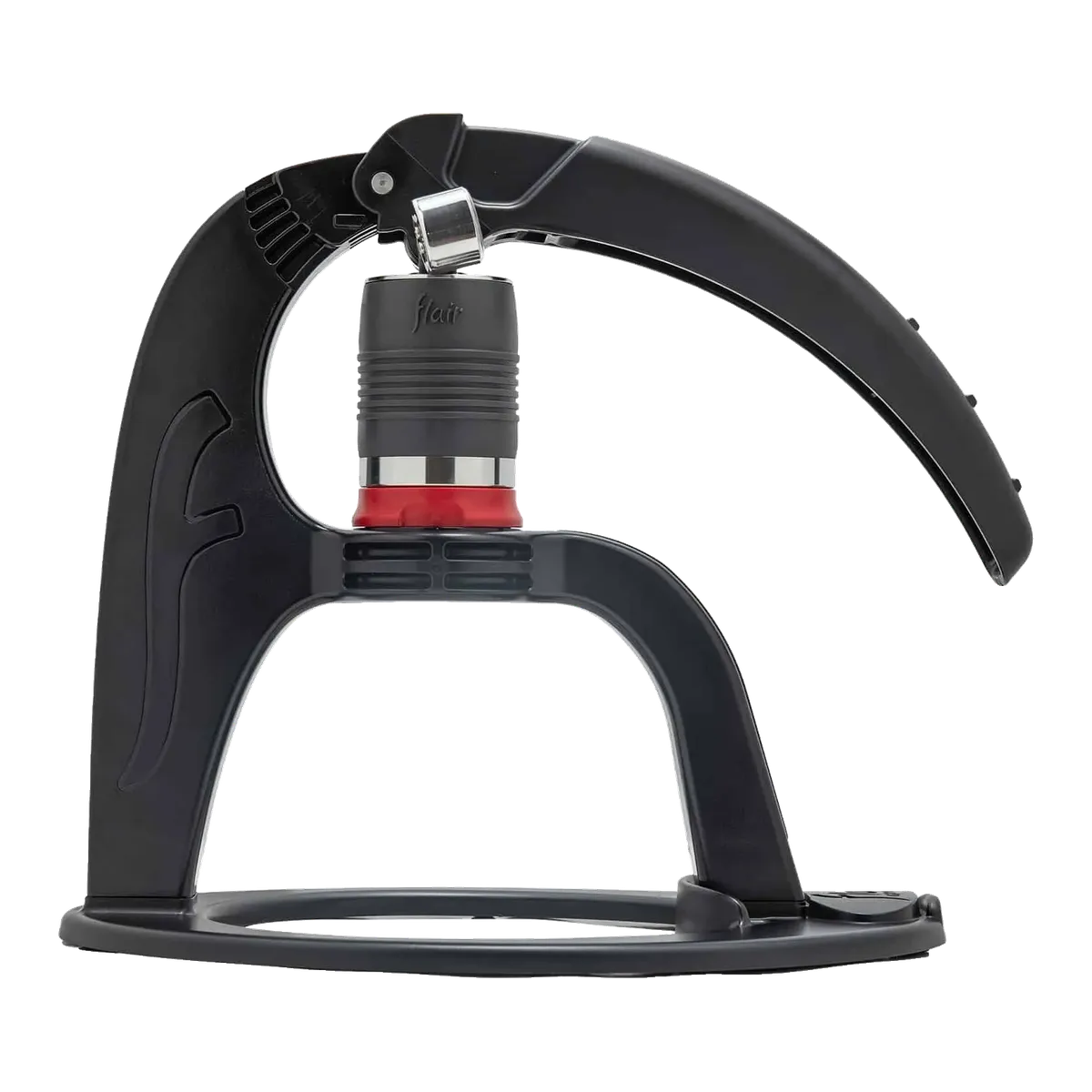
- 13NEO Flex (2024)Flair · LeverCA$135–160
- Strong consensusbroad agreement, minor caveats64
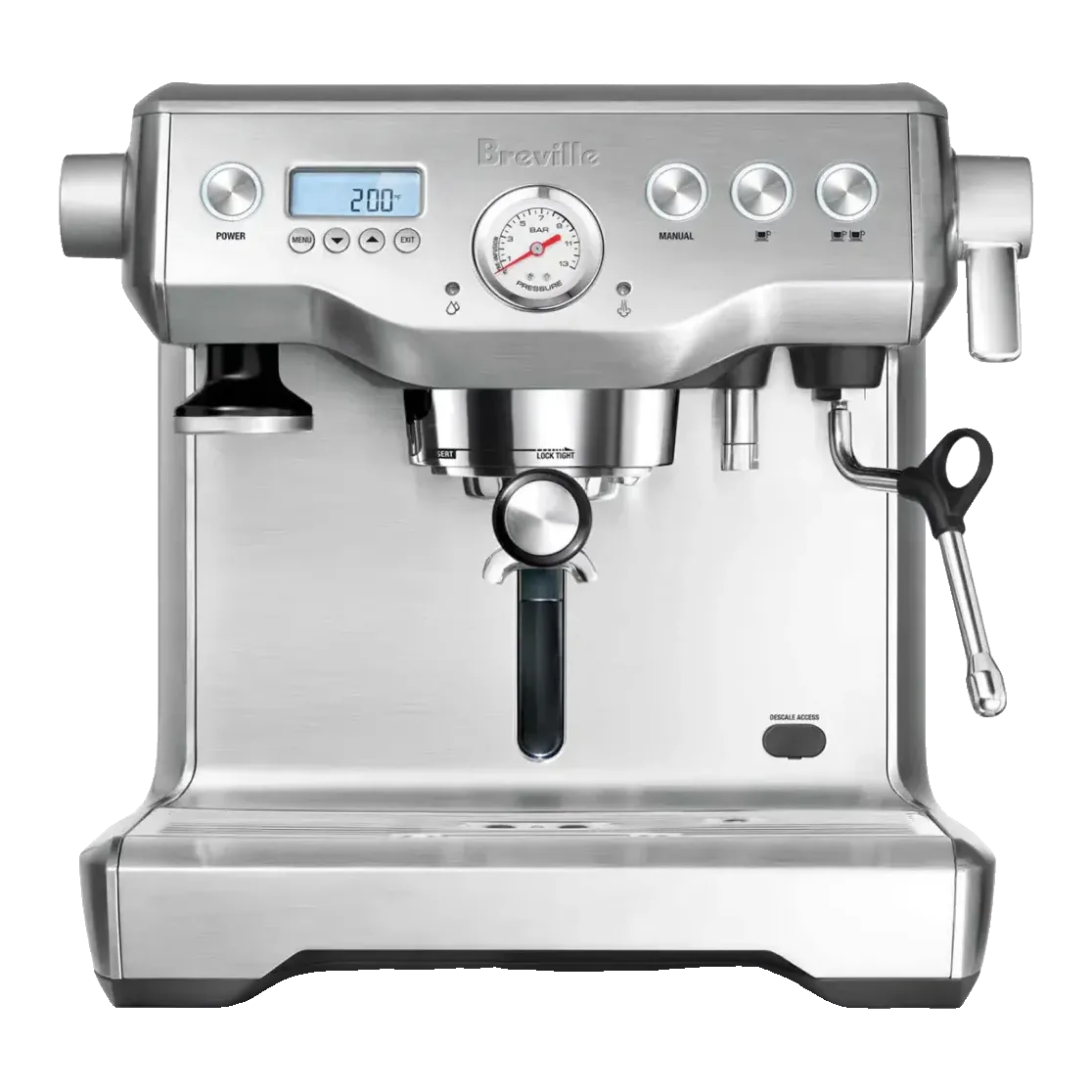
- 14Dual Boiler (BES920)Breville · Dual boilerCA$1,895–2,400
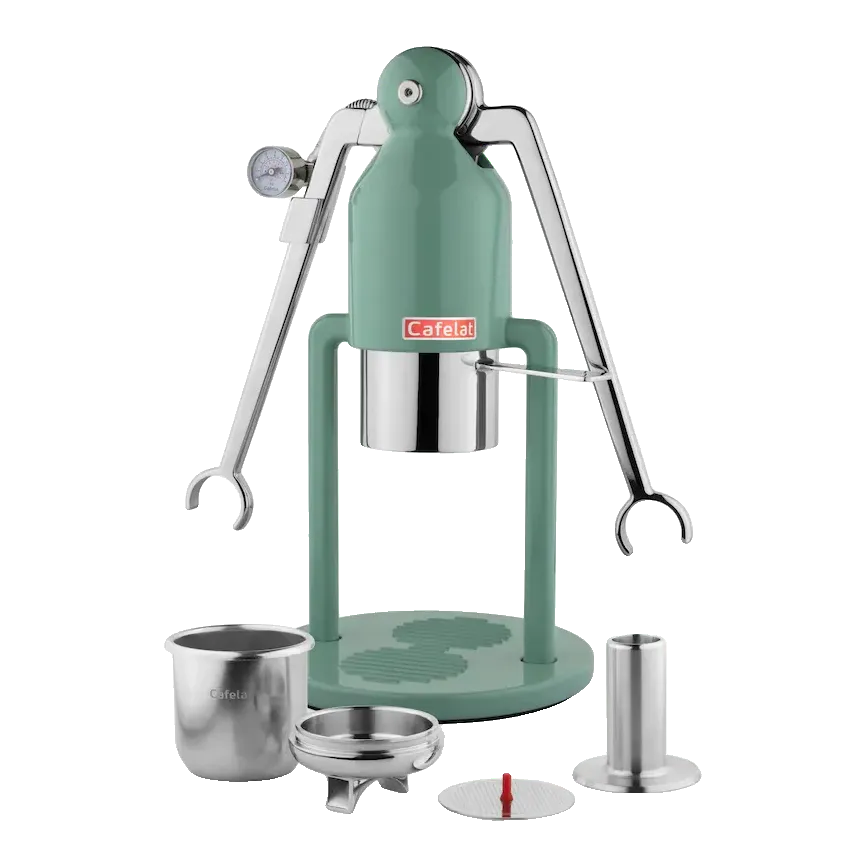
- 15Robot BaristaCafelat · ManualCA$499–599
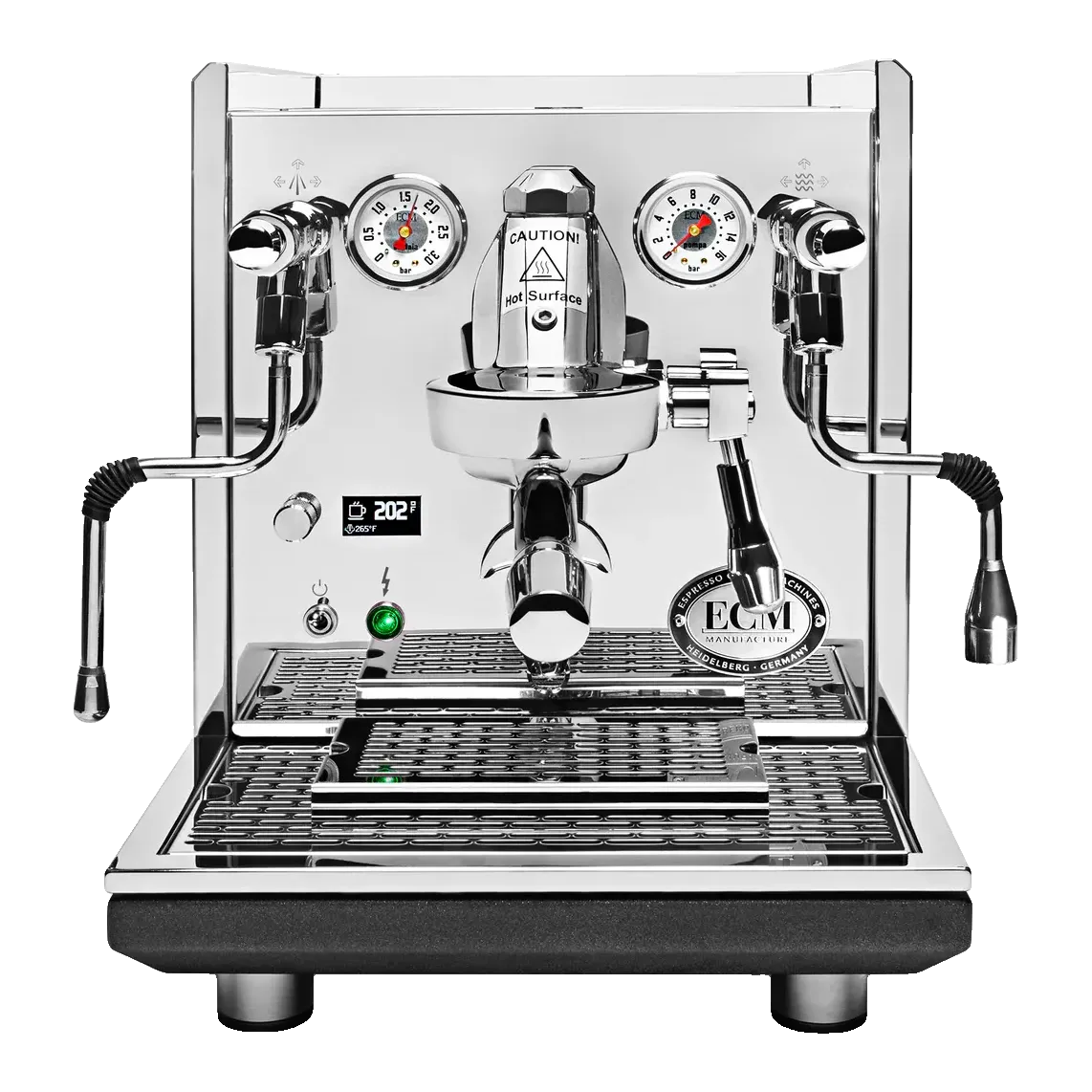
- 16Synchronika IIECM · Dual boilerCA$4,945–4,950
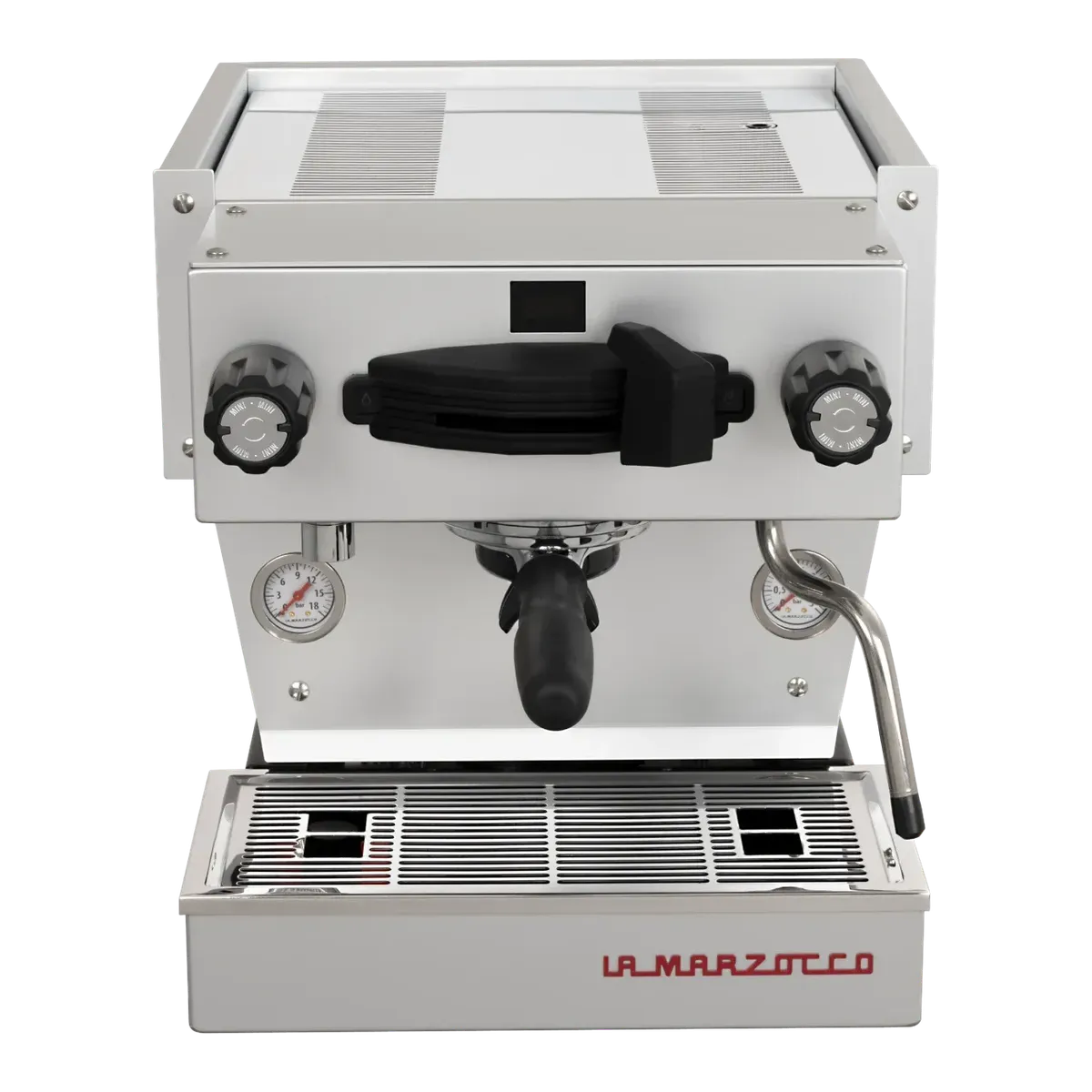
- 17Linea Mini RLa Marzocco · Dual boilerCA$8,300
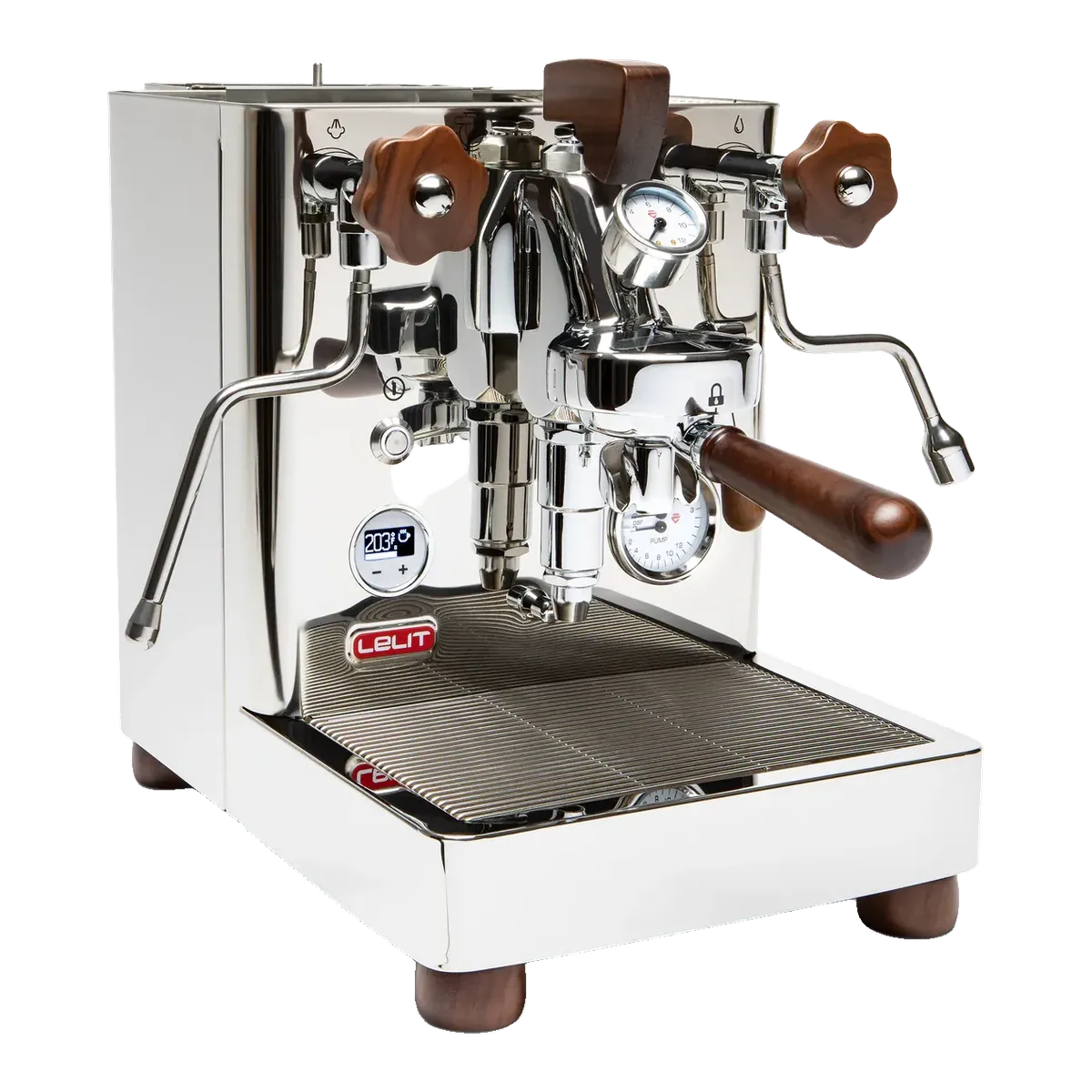
- 18Bianca V3Lelit · Dual boilerCA$3,595–4,750
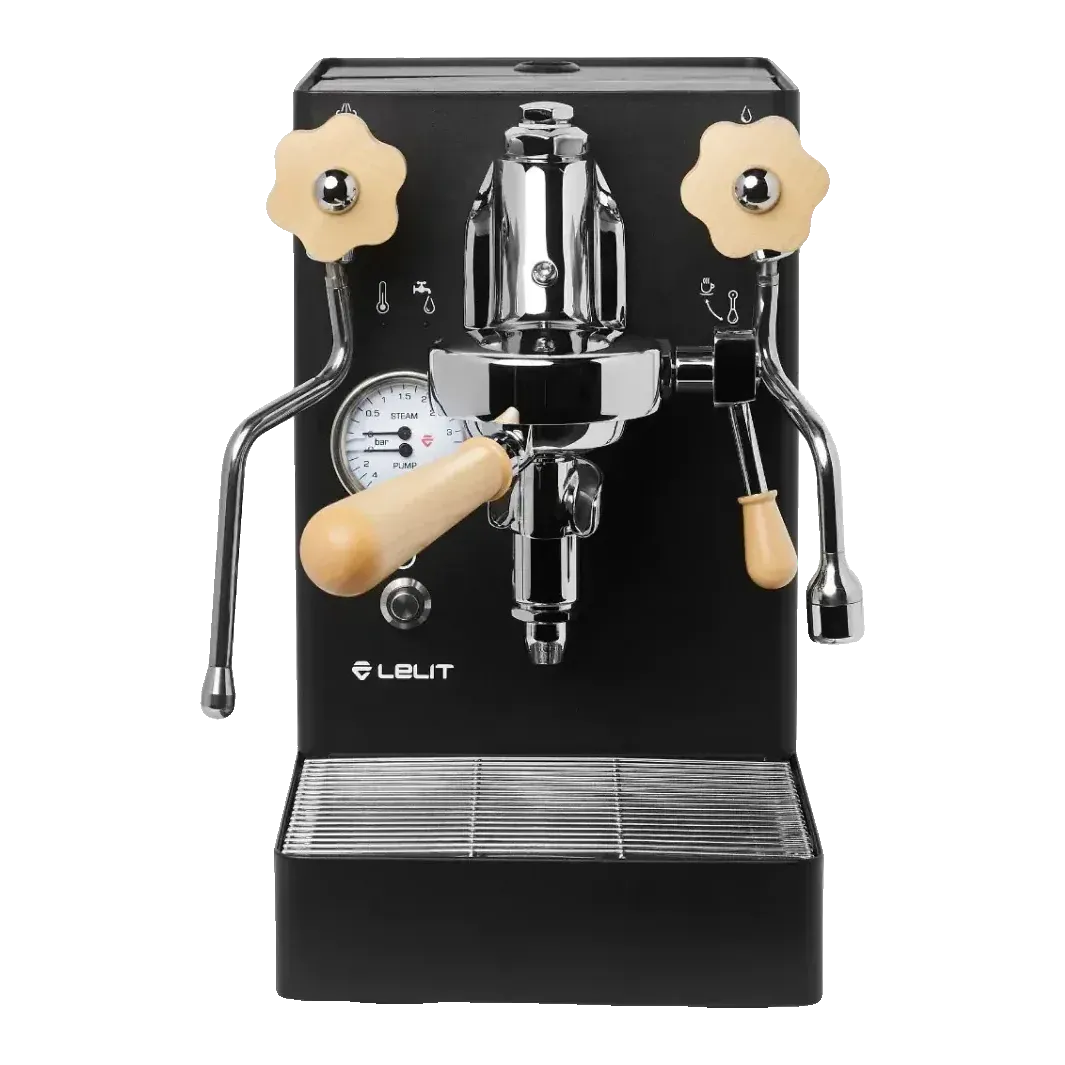
- 19MaraXLelit · Heat exchangerUS$1,699–1,799
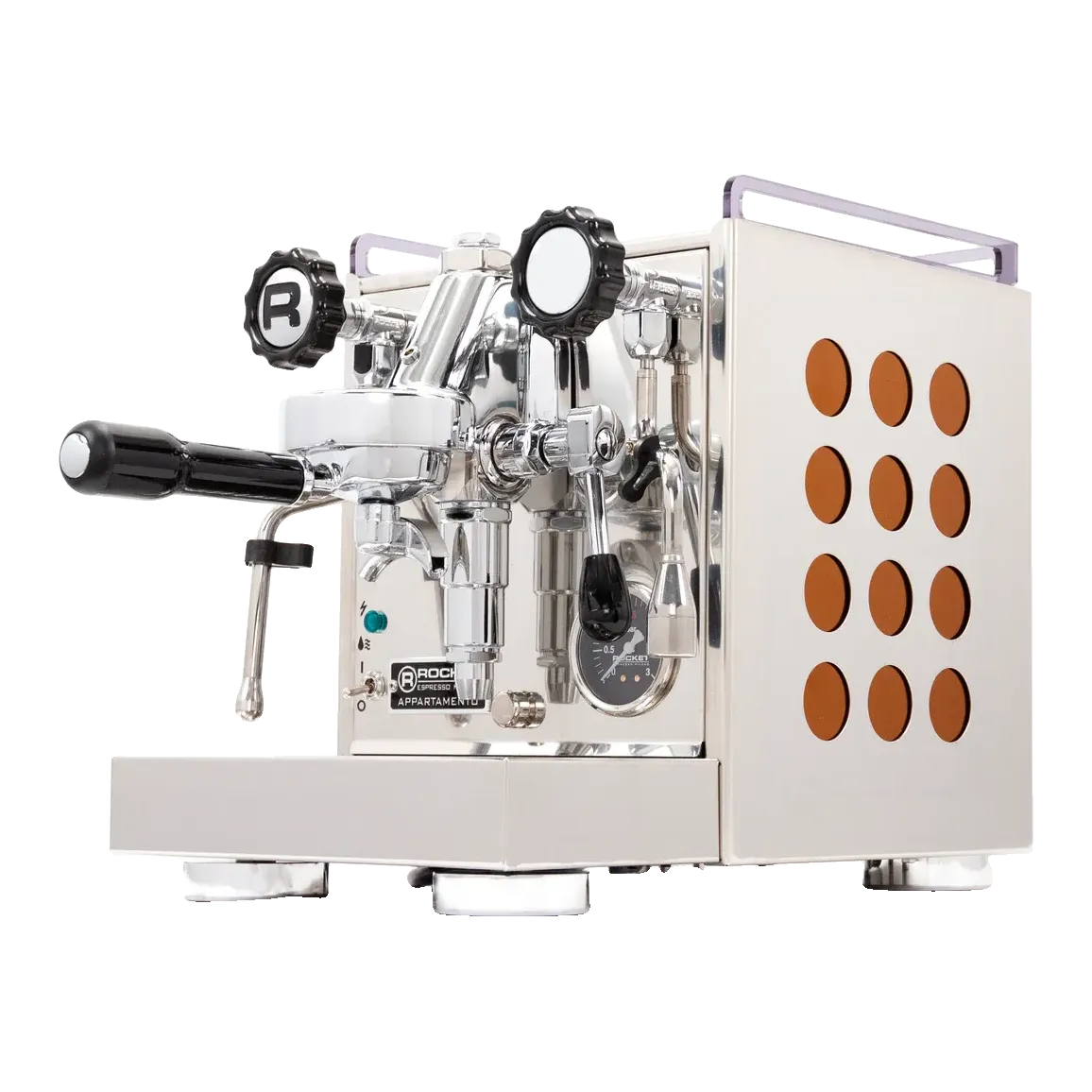
- 20Appartamento (2.0)Rocket Espresso · Heat exchangerUS$1,650–1,800
- 21Appartamento TCARocket Espresso · Heat exchangerCA$2,930–3,100
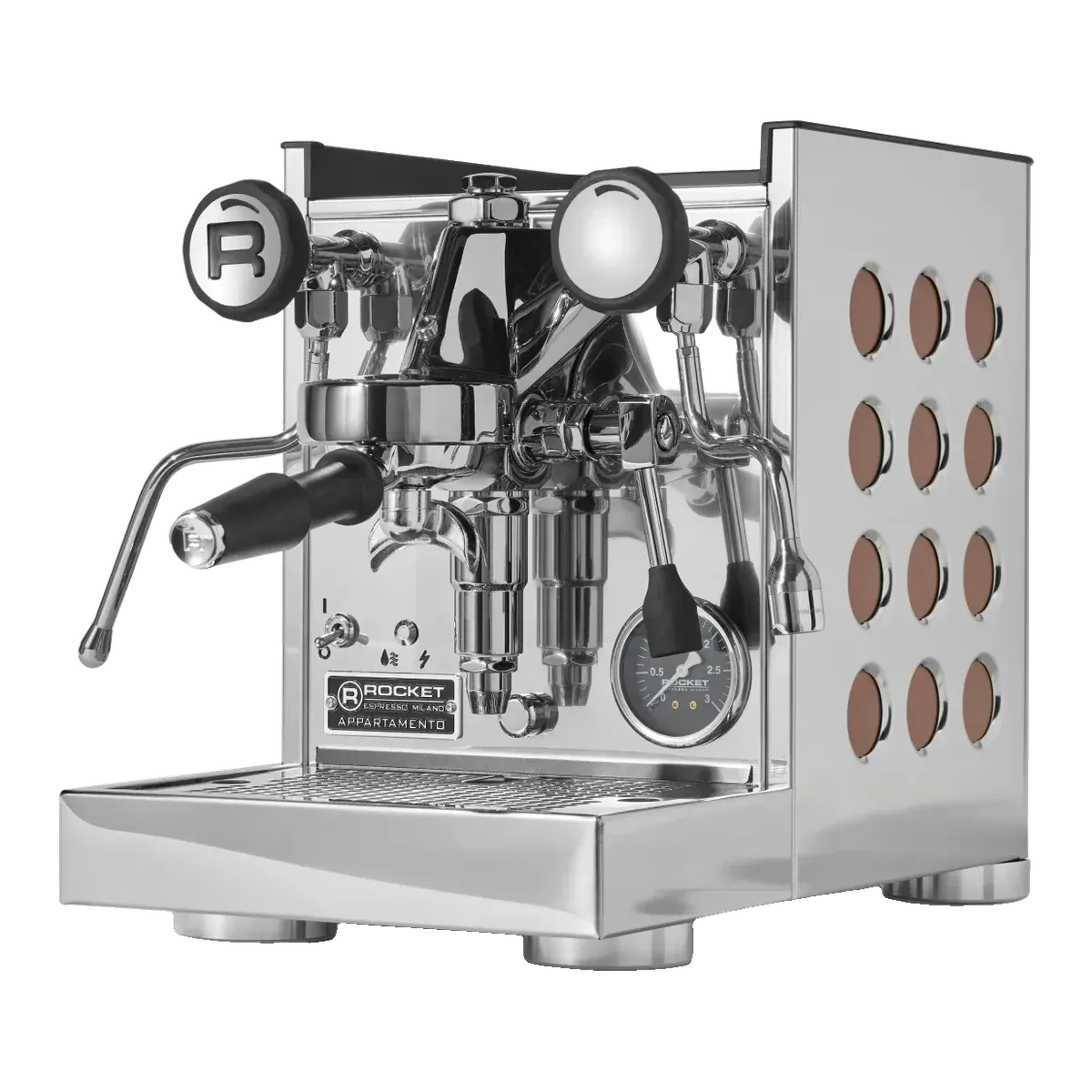
- 22Flair 58Flair Espresso · LeverUS$434
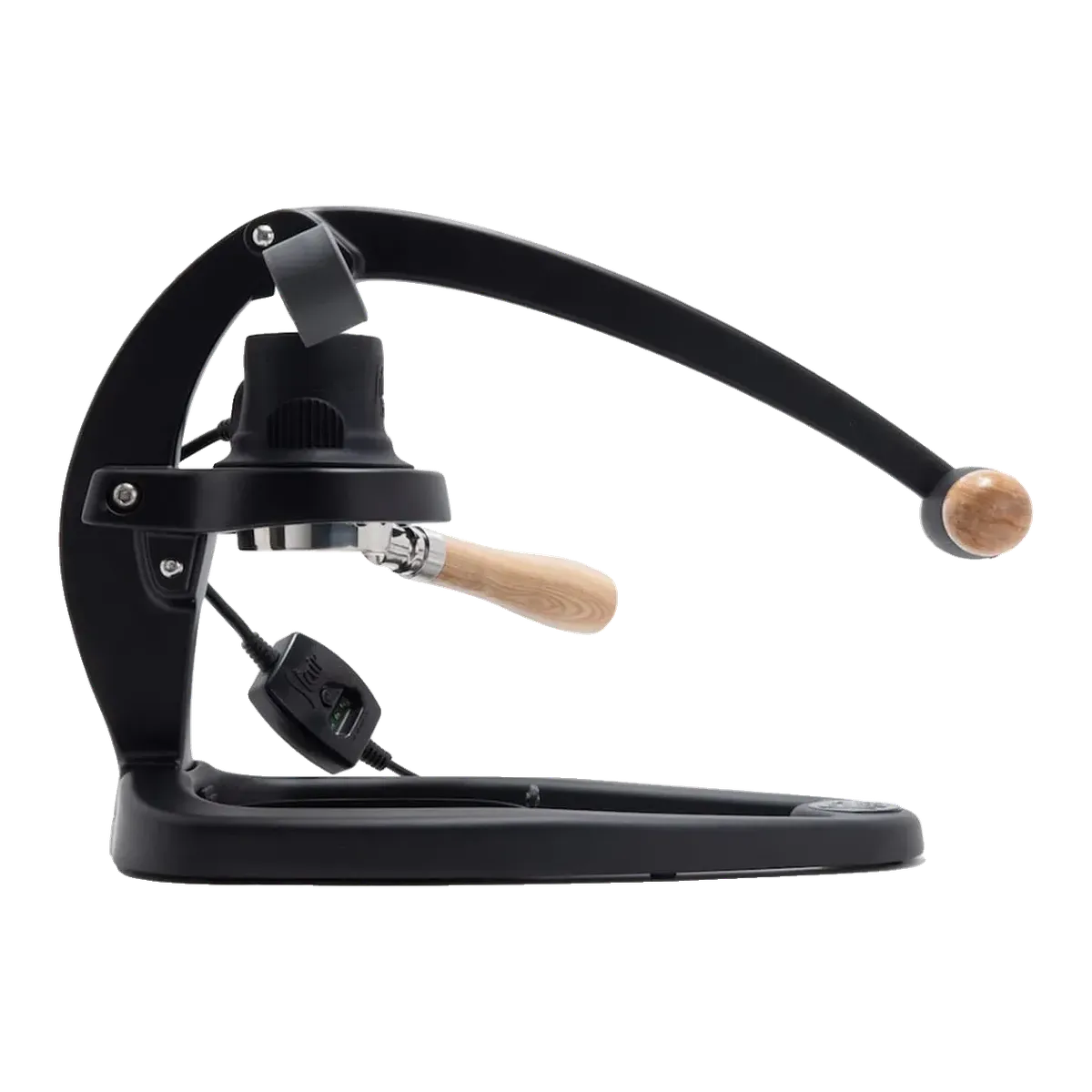
- 23Flair 58+2Flair Espresso · LeverCA$935–965
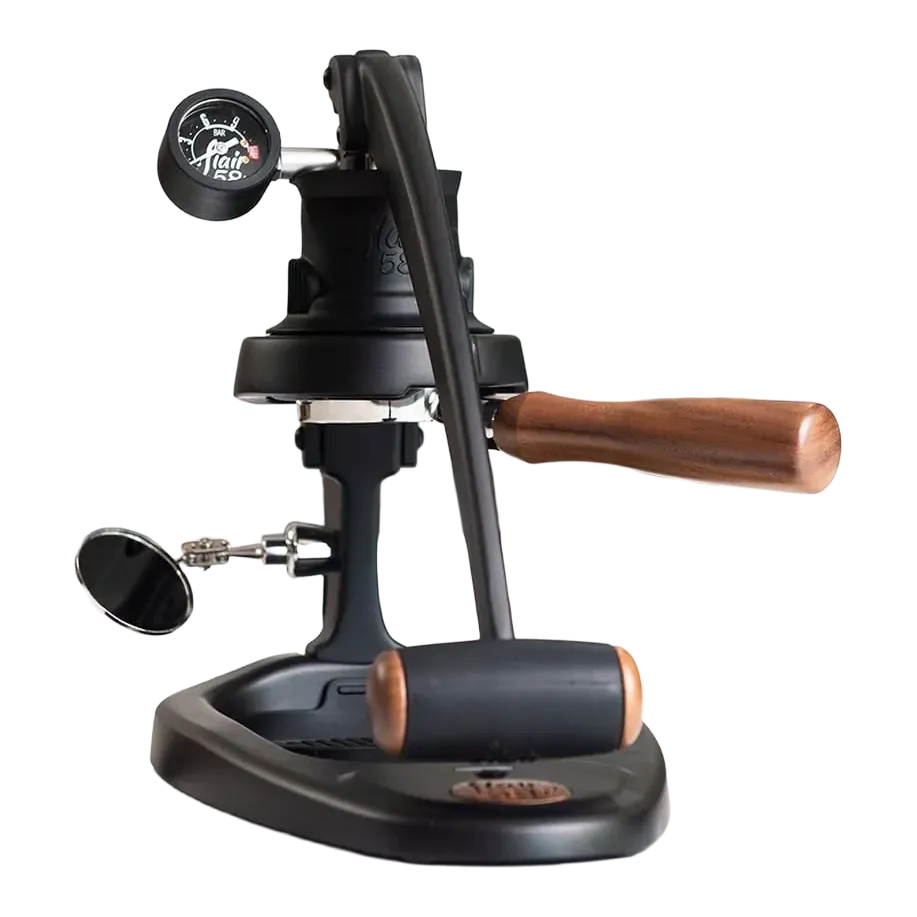
- 24Elizabeth V3Lelit · Dual boilerUS$1,799
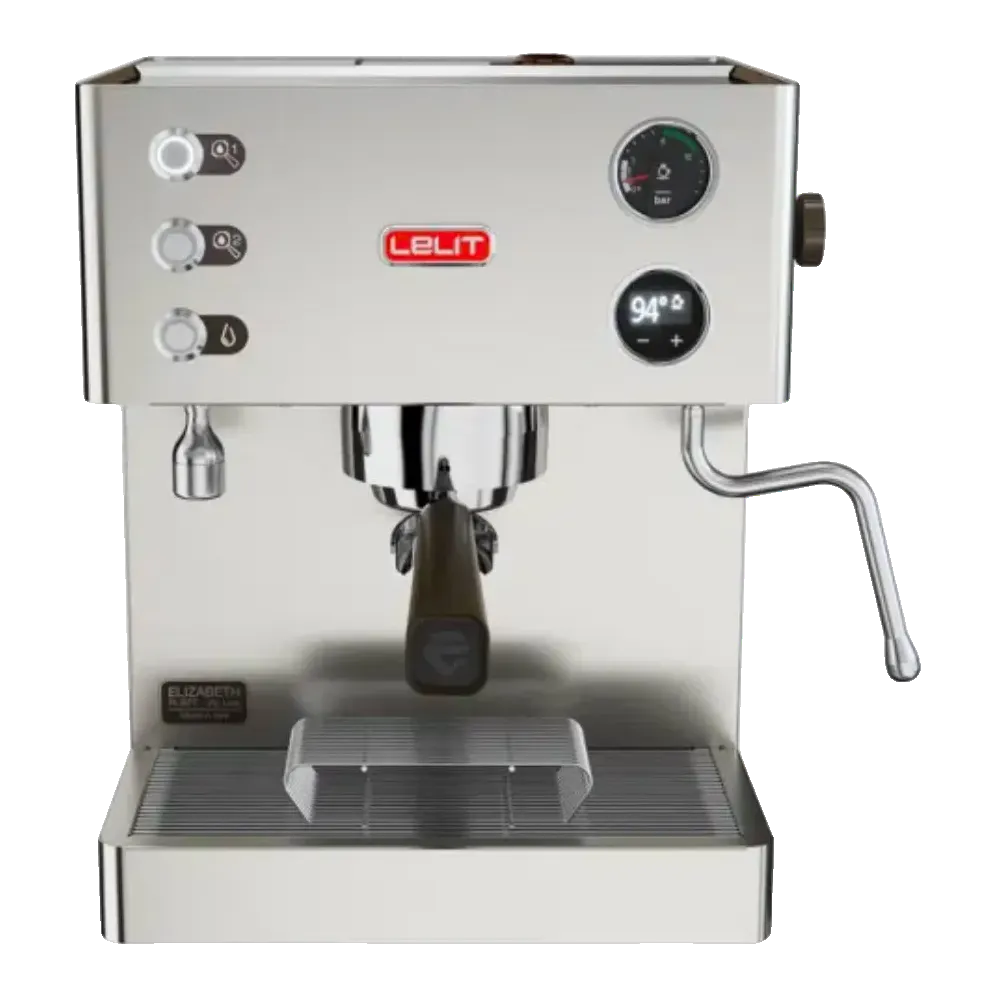
- 25Micro Casa a Leva (S1)Elektra · LeverUS$1,749–2,200
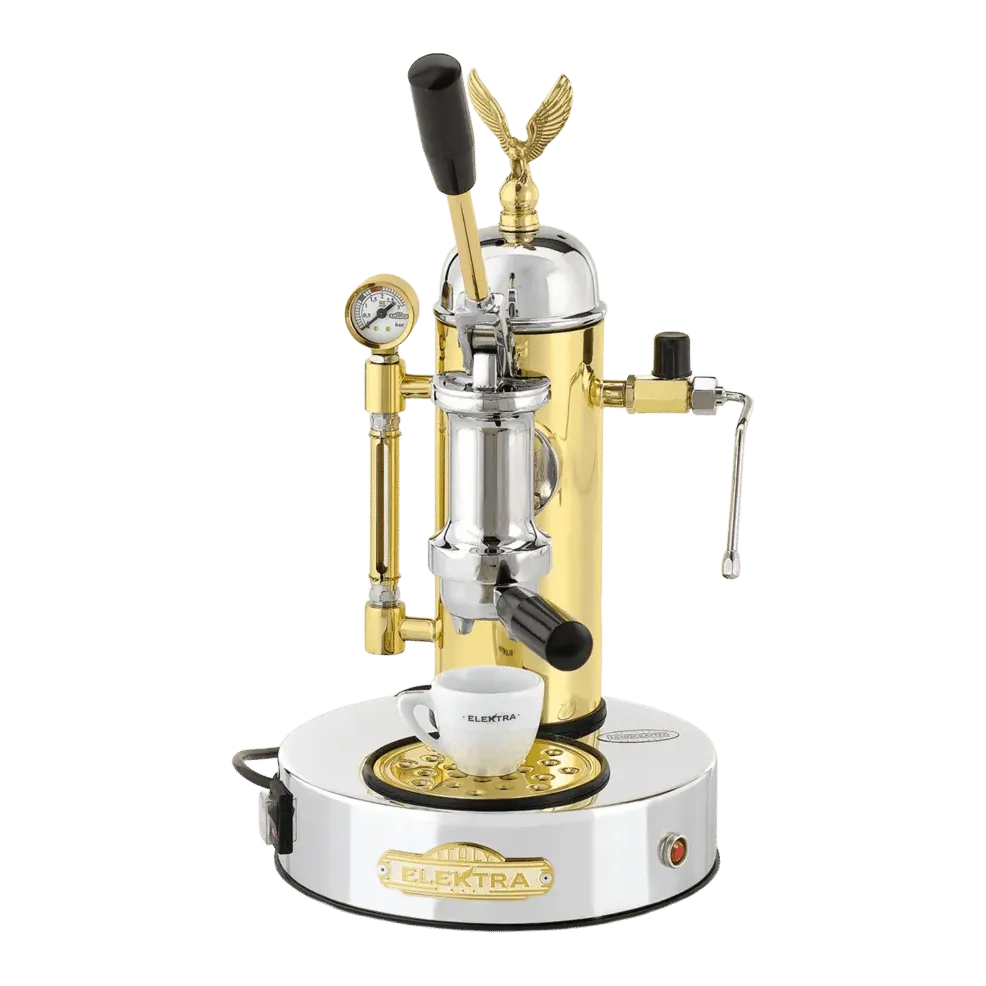
- 26Flair 2GOFlair Espresso · LeverUS$325
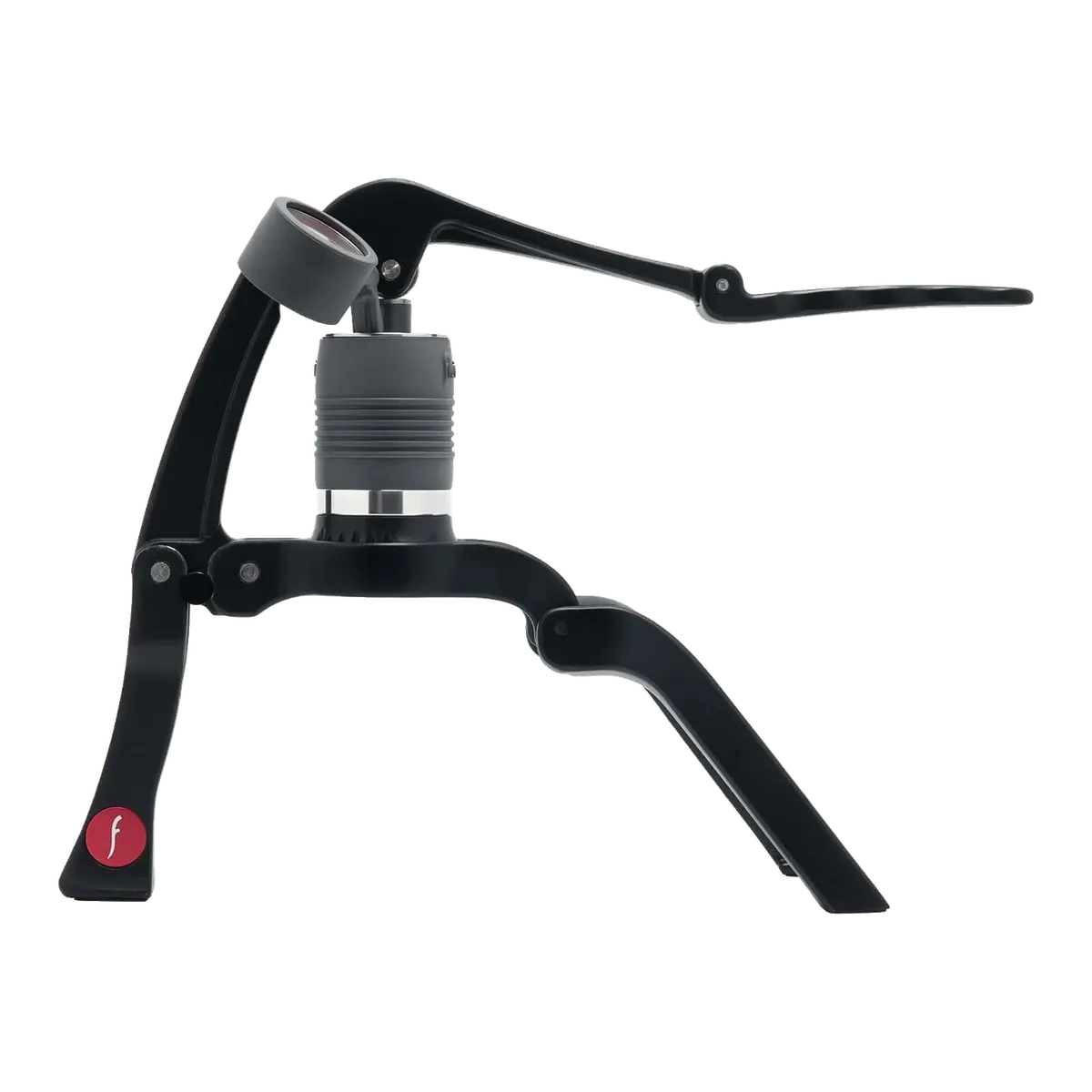
- 27Silvia Pro XRancilio · Dual boilerCA$1,545–3,305
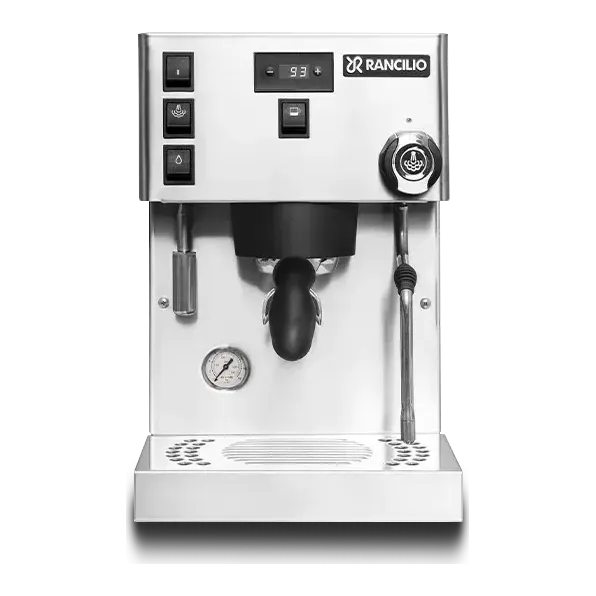
- 28RIDEProfitec · Dual boilerCA$3,165–3,700
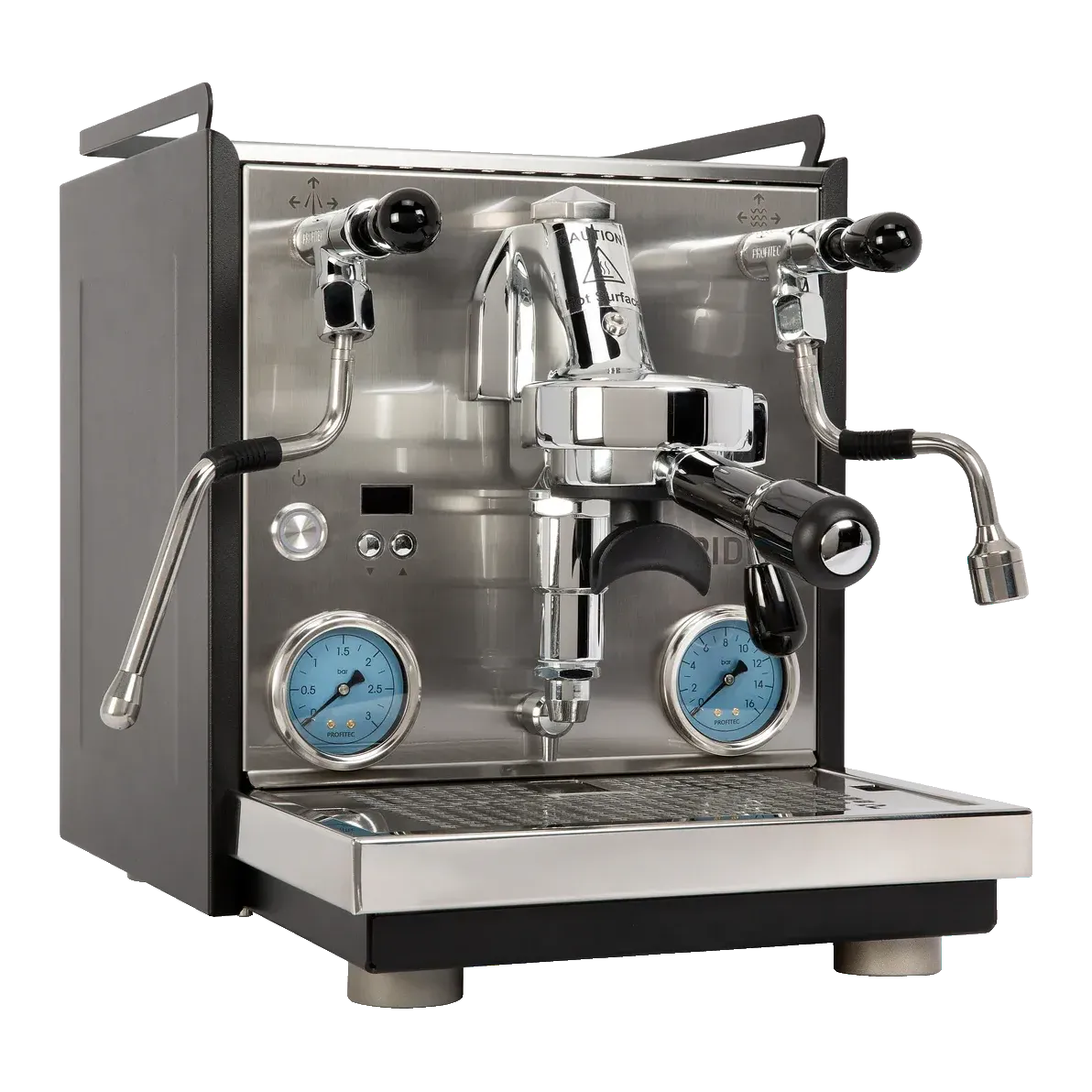
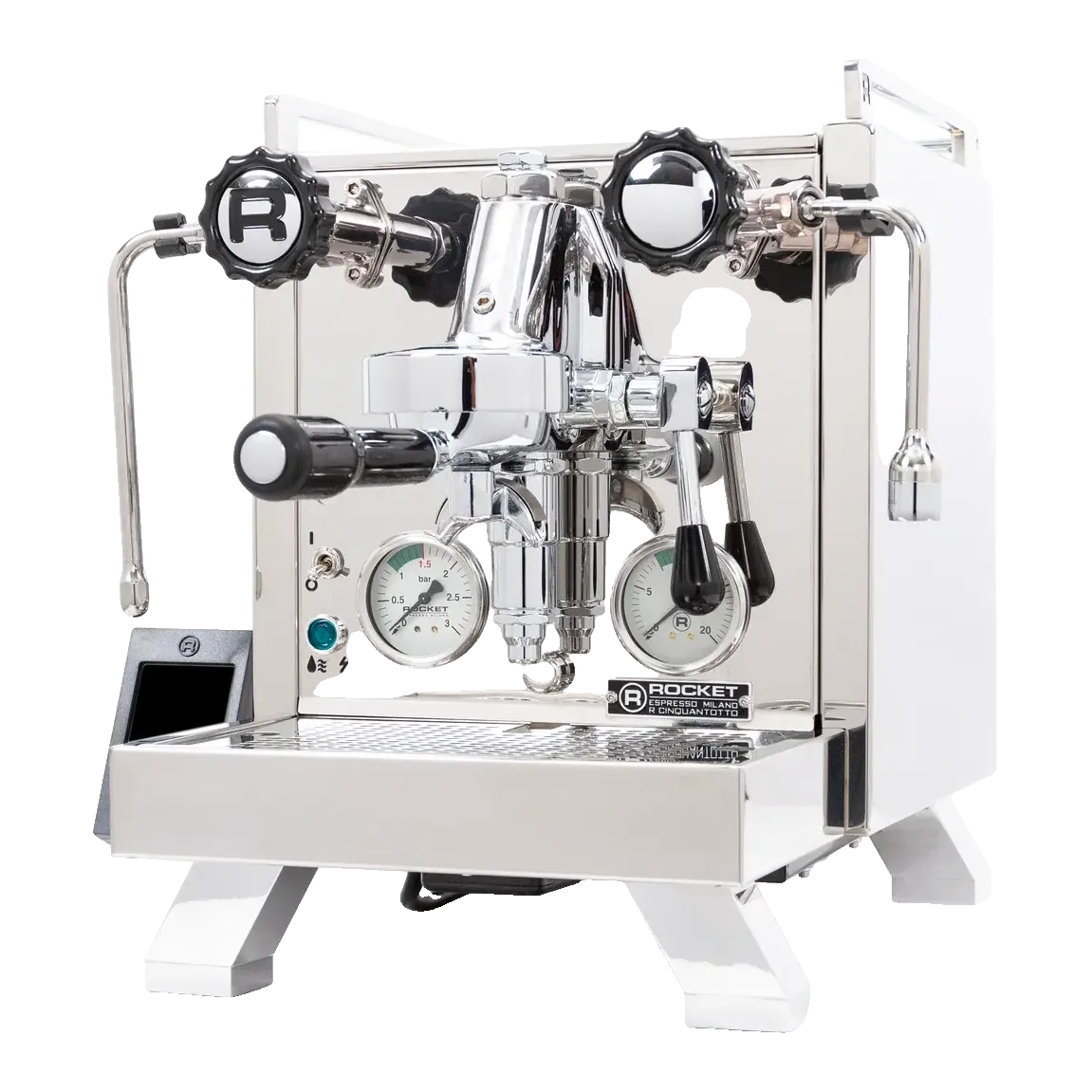
- 29R CinquantottoRocket Espresso · Dual boilerUS$3,500
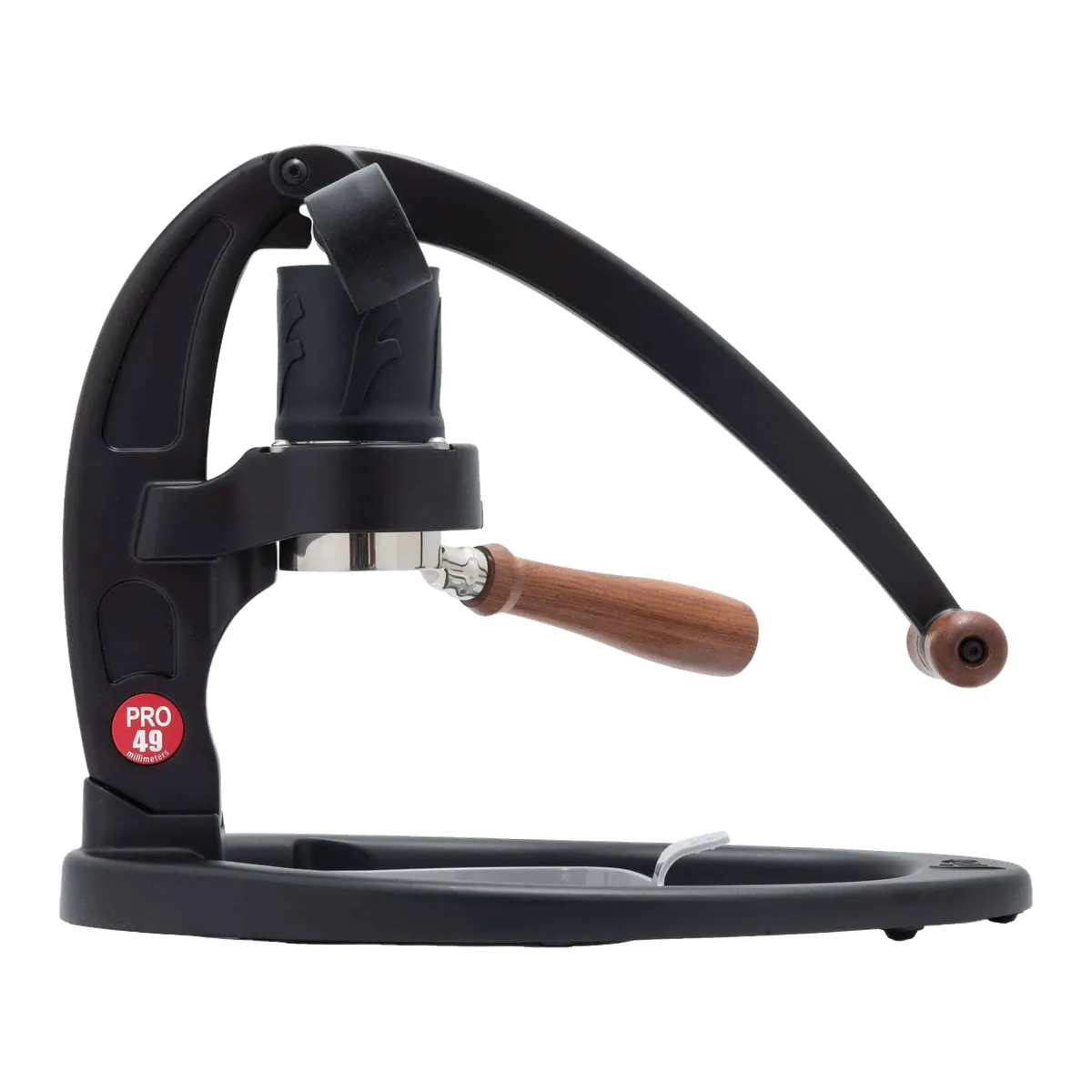
- 30Flair 49 PROFlair Espresso · ManualUS$699–780
- 31Vivi PIDIzzo · Heat exchangerUS$1,600–2,000
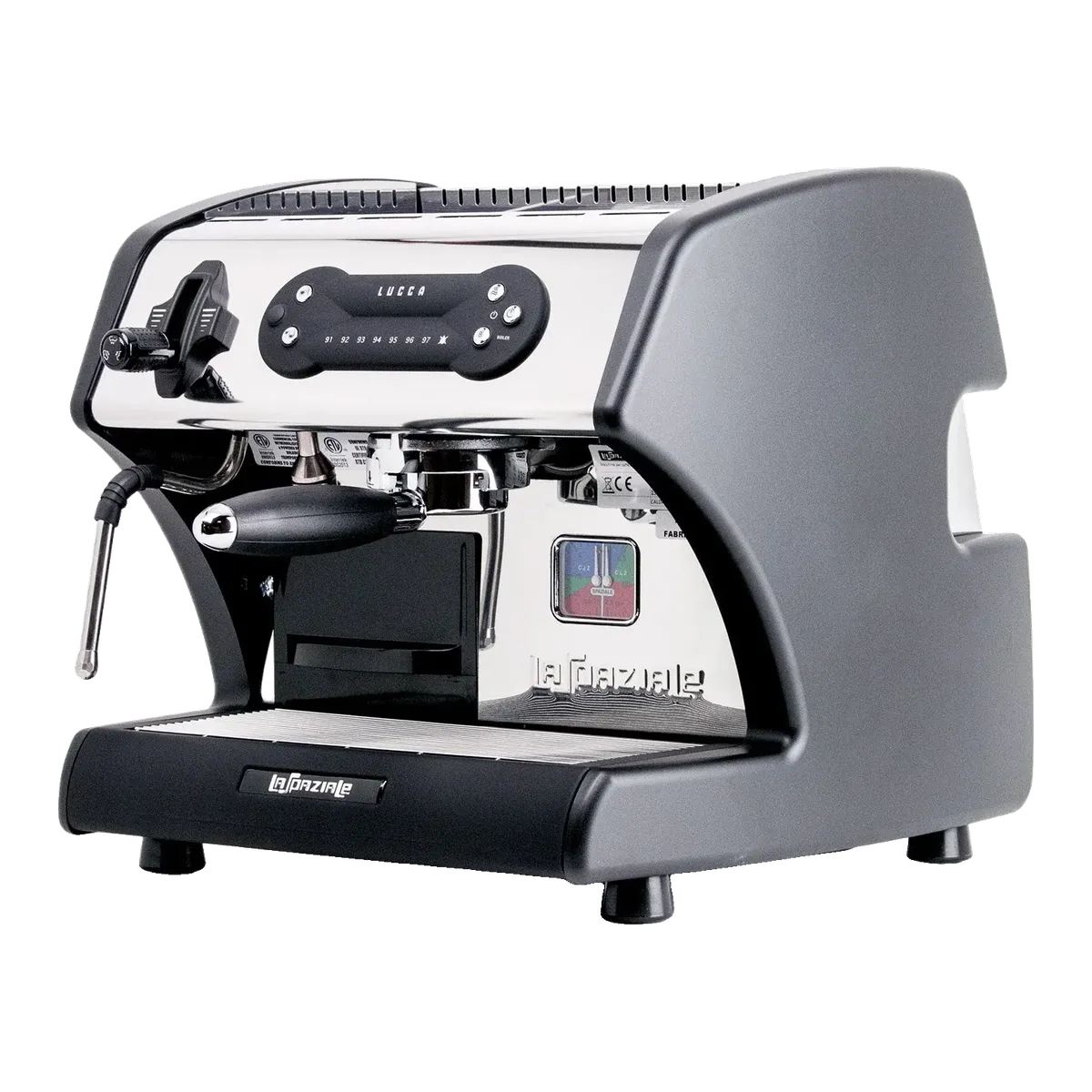
- 32A53 Mini V2LUCCA · Dual boilerUS$2,295–2,595
- 33M58 Sunto with Flow ControlLUCCA · Dual boilerUS$3,295–3,440
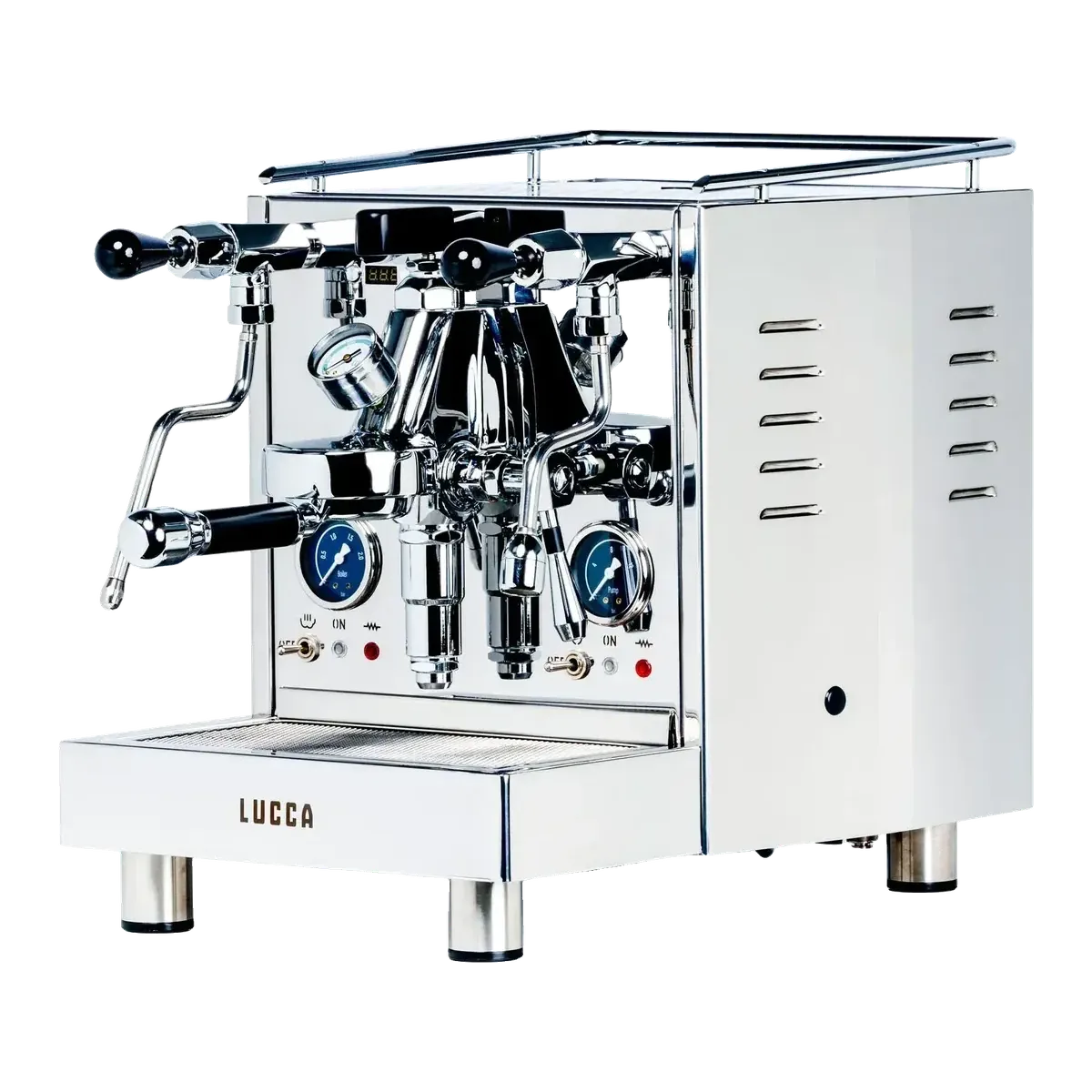
- 34TempoLUCCA · Single boilerUS$1,395
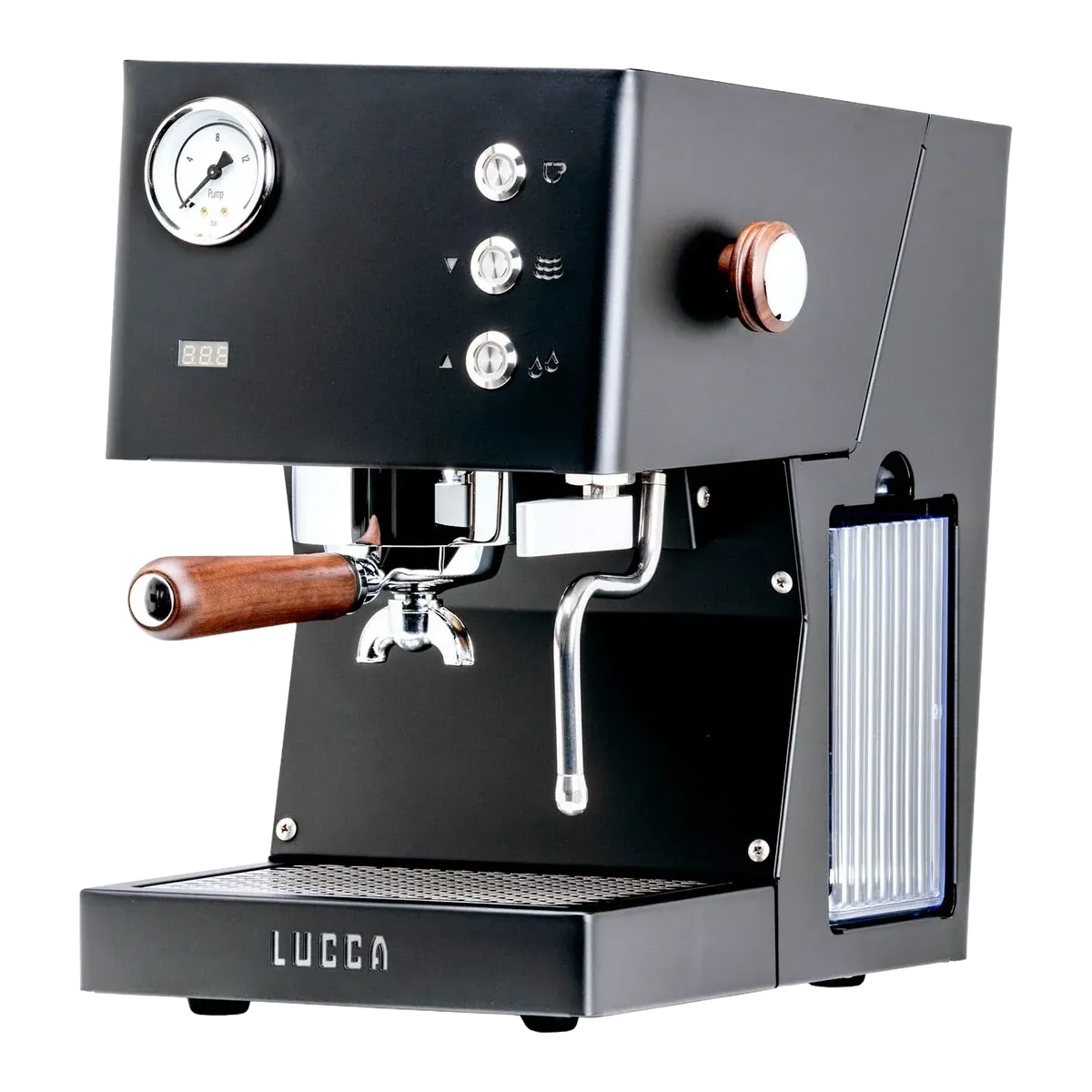
- 35DRIVEProfitec · Dual boilerCA$4,929
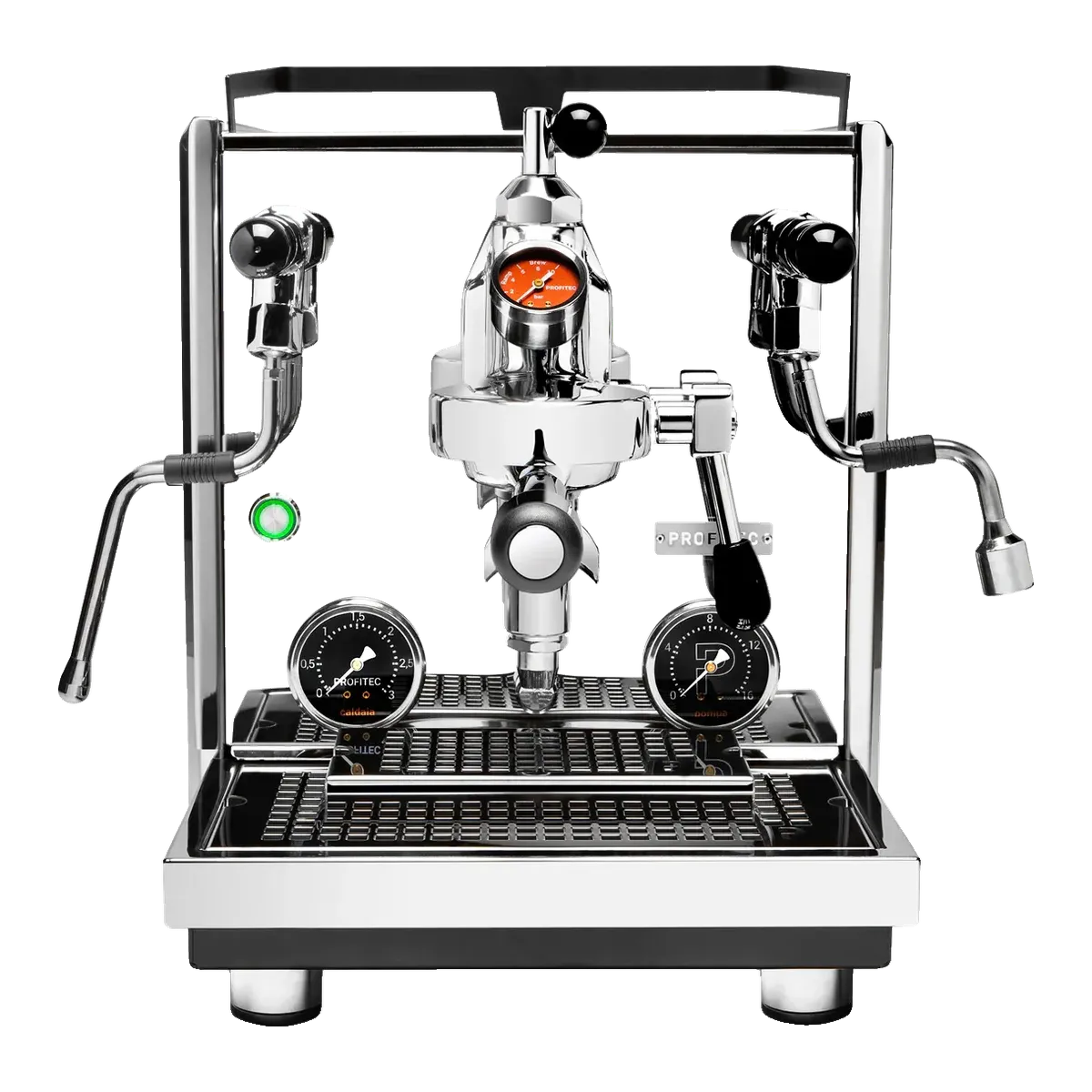
- 36R NINE ONERocket Espresso · Dual boilerUS$6,990
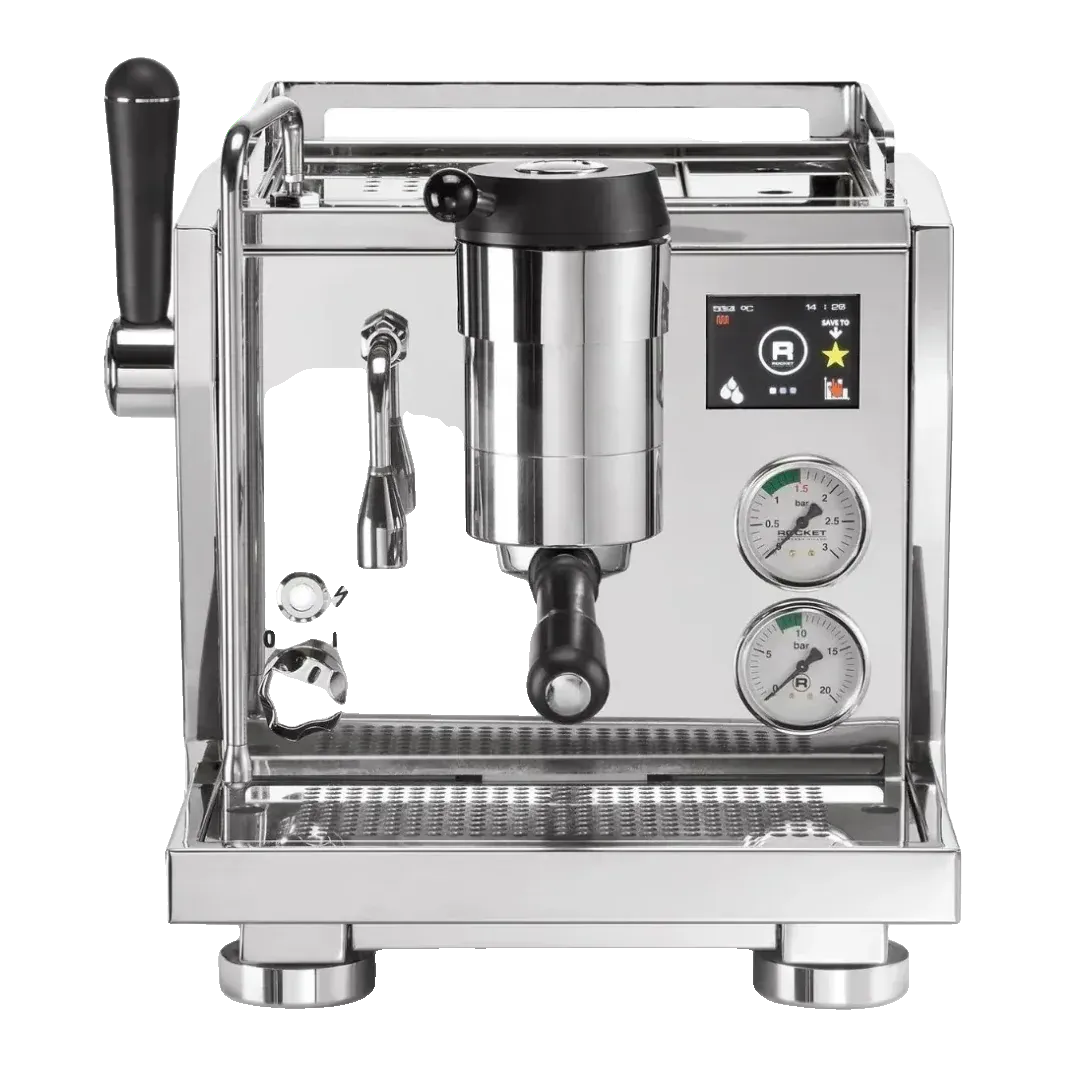
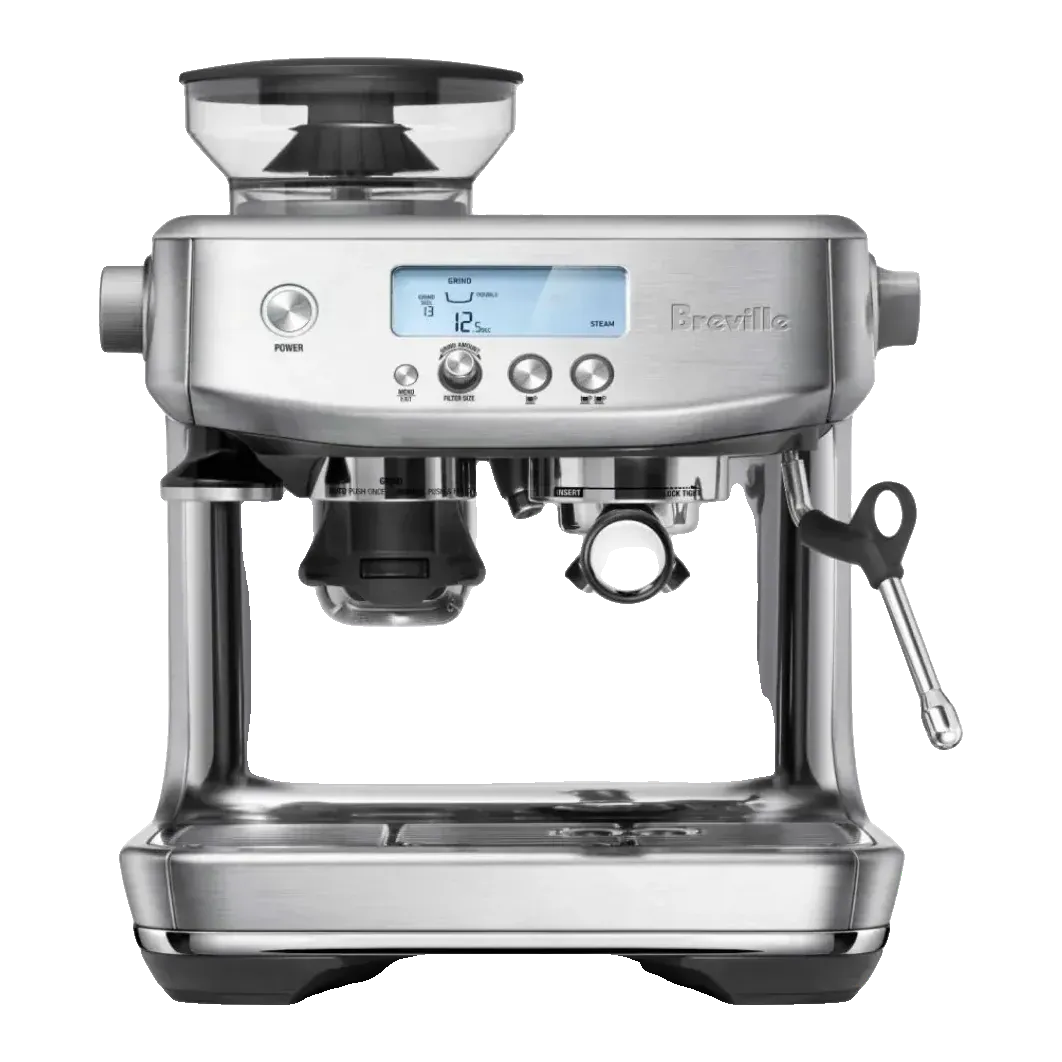
- 37Barista Pro (BES878)Breville · ThermoblockUS$699–849
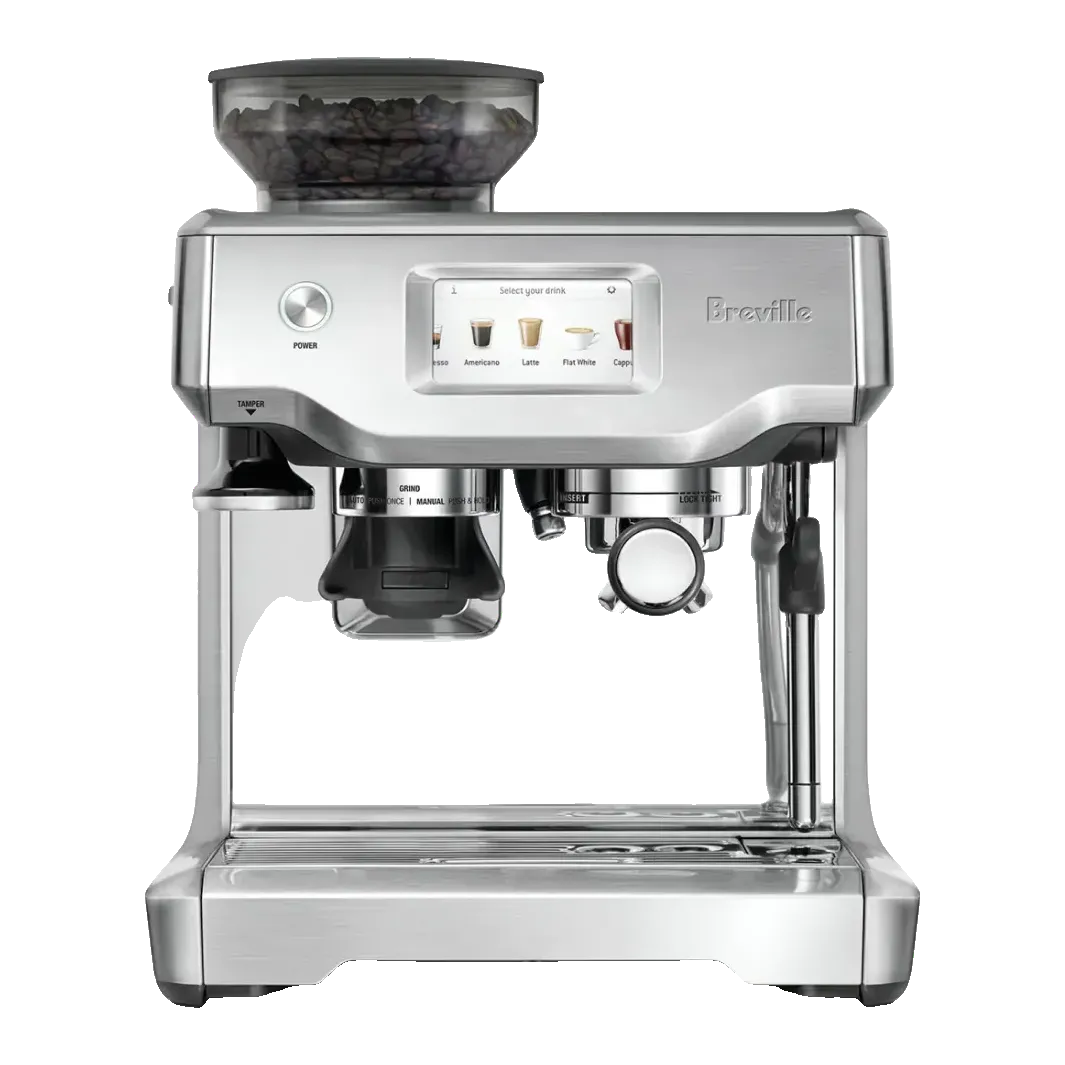
- 38Barista Touch (BES880)Breville · ThermoblockCA$1,275–1,280
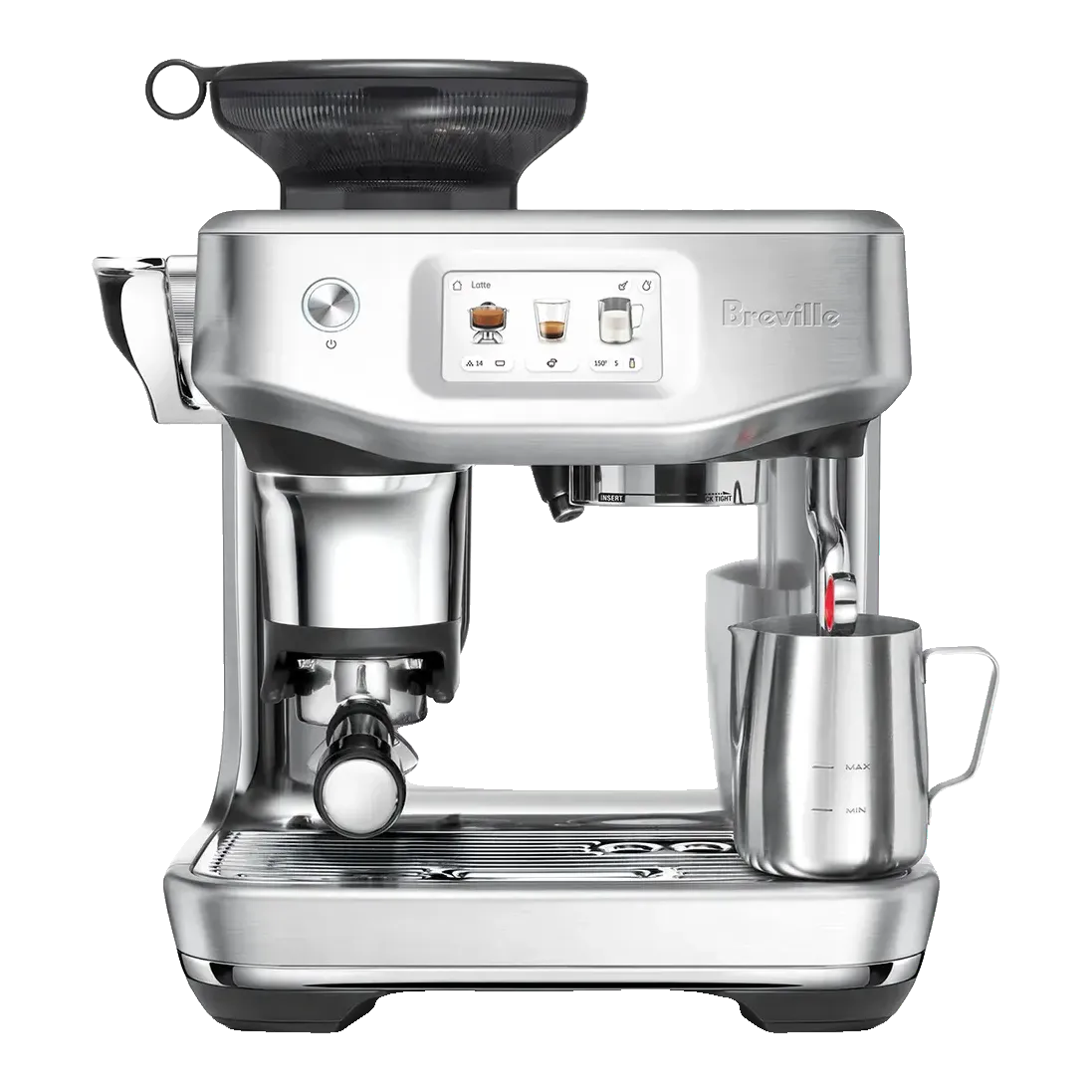
- 39Barista Touch Impress (BES881)Breville · ThermoblockCA$1,595–1,760
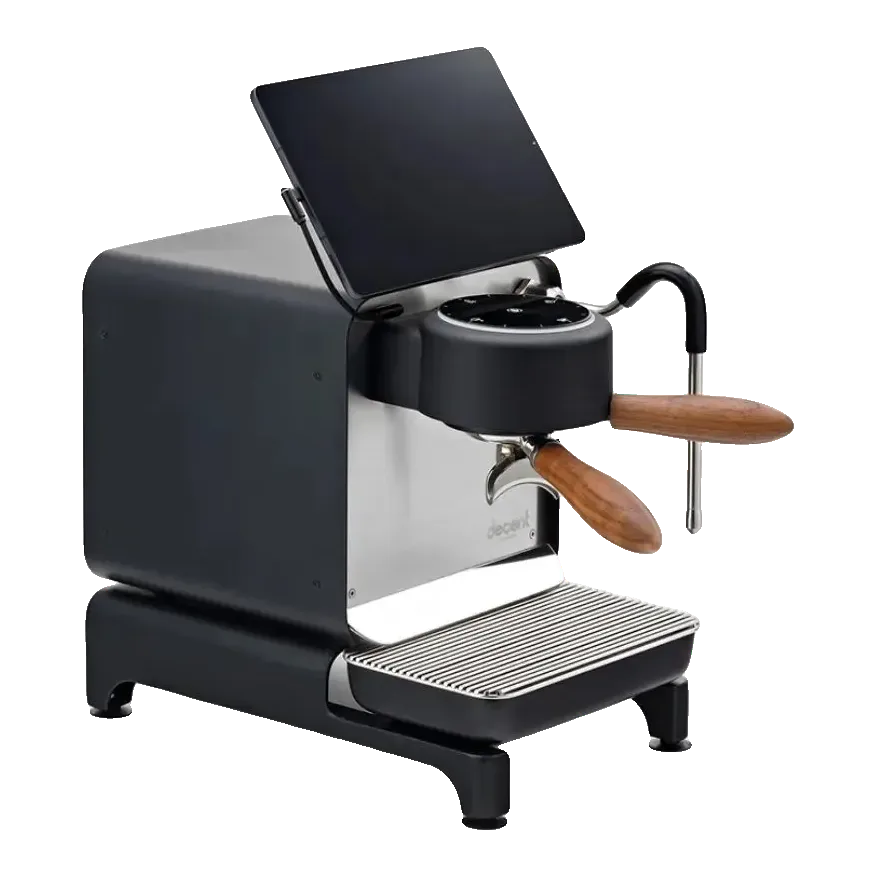
- 40Decent DE1+Decent Espresso · ThermoblockUS$1,499–1,799
- 41Decent DE1PRODecent Espresso · ThermoblockUS$3,599–3,699
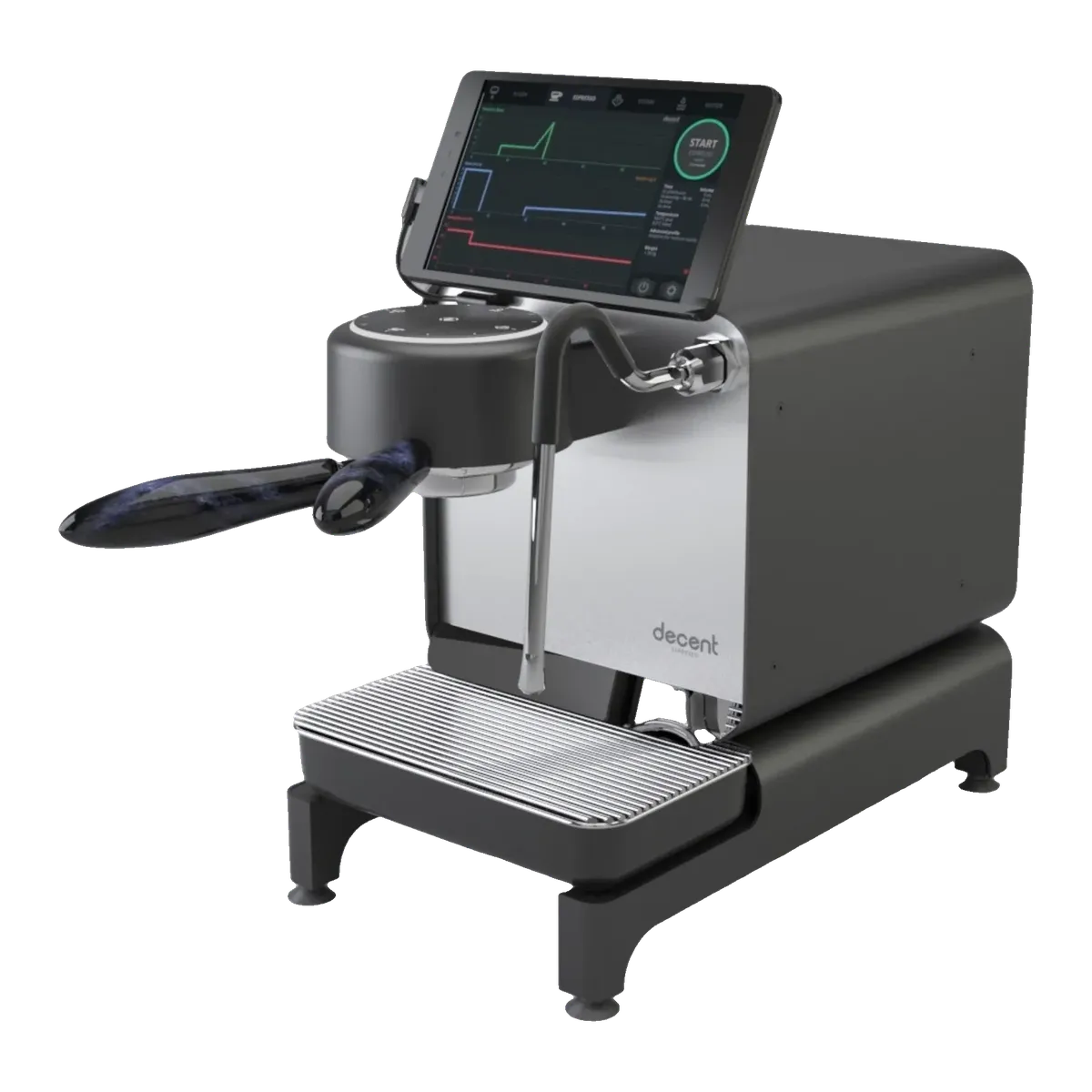
- 42Decent DE1XLDecent Espresso · ThermoblockUS$3,999
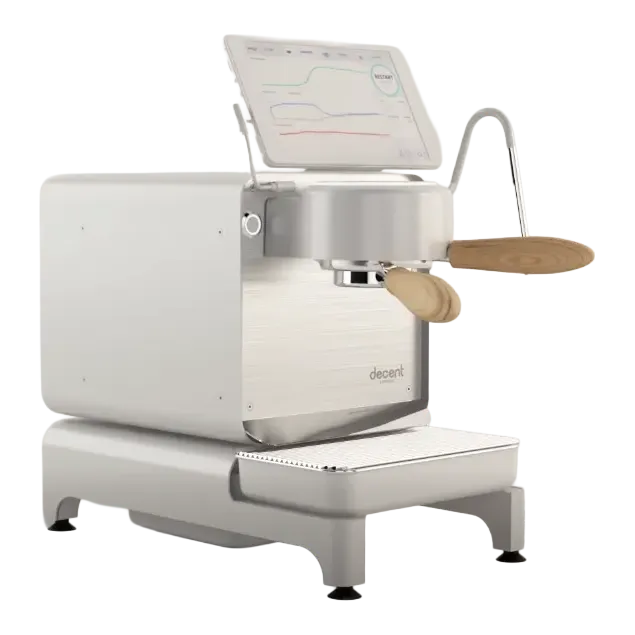
- 43BelloDiletta · Heat exchangerUS$1,699–1,749
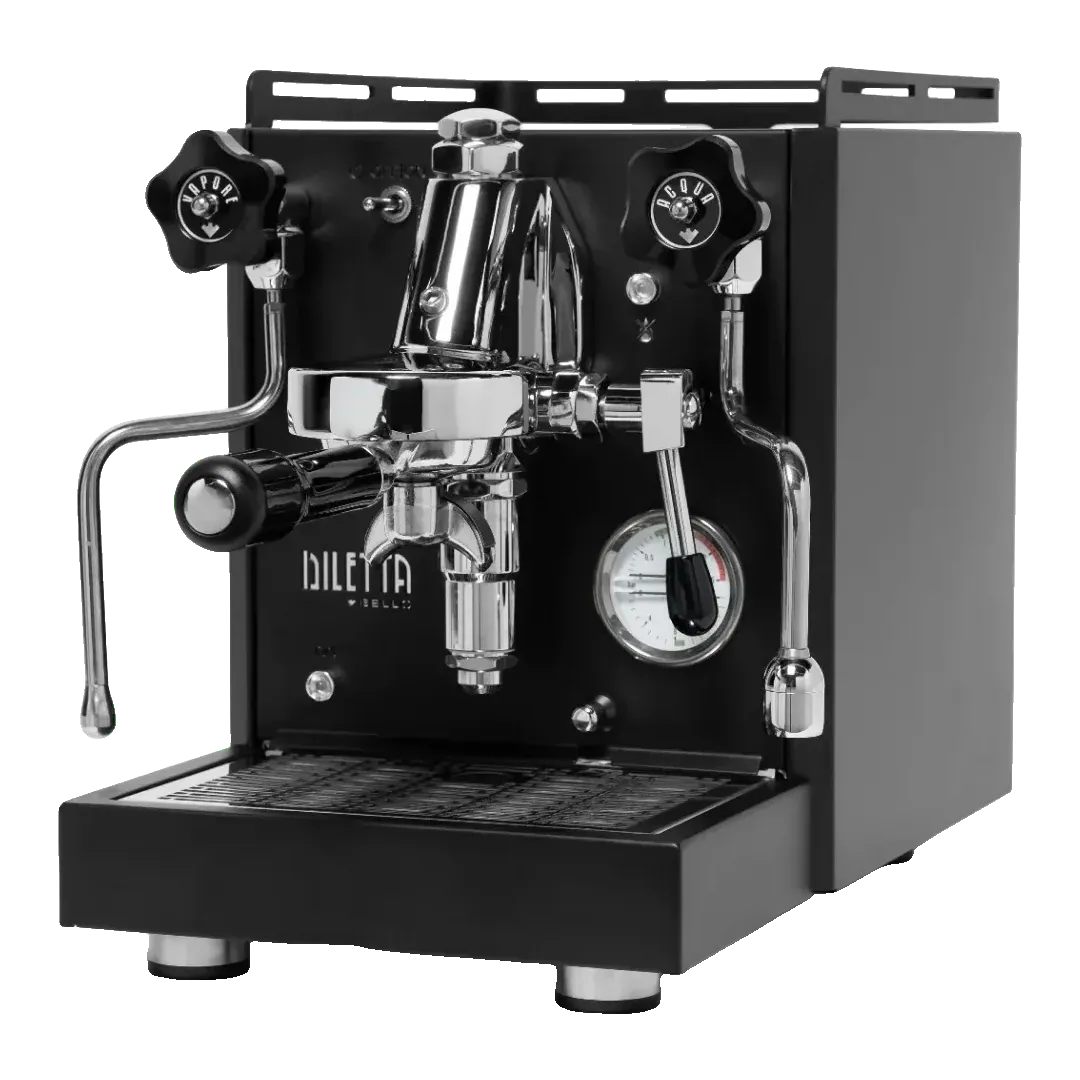
- 44Classika PIDECM · Single boilerCA$2,365–2,370
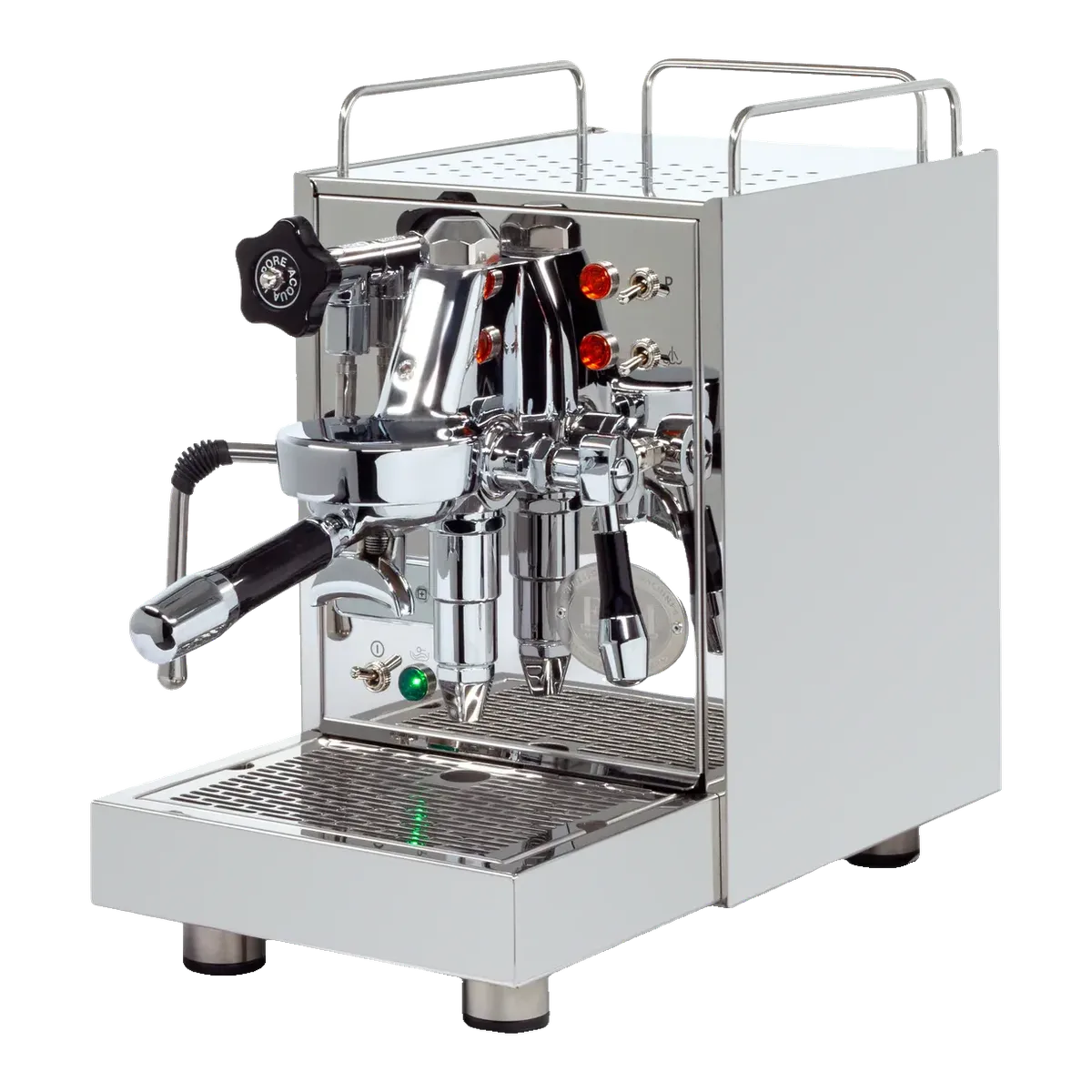
- 45PuristikaECM · Single boilerCA$1,600–2,300
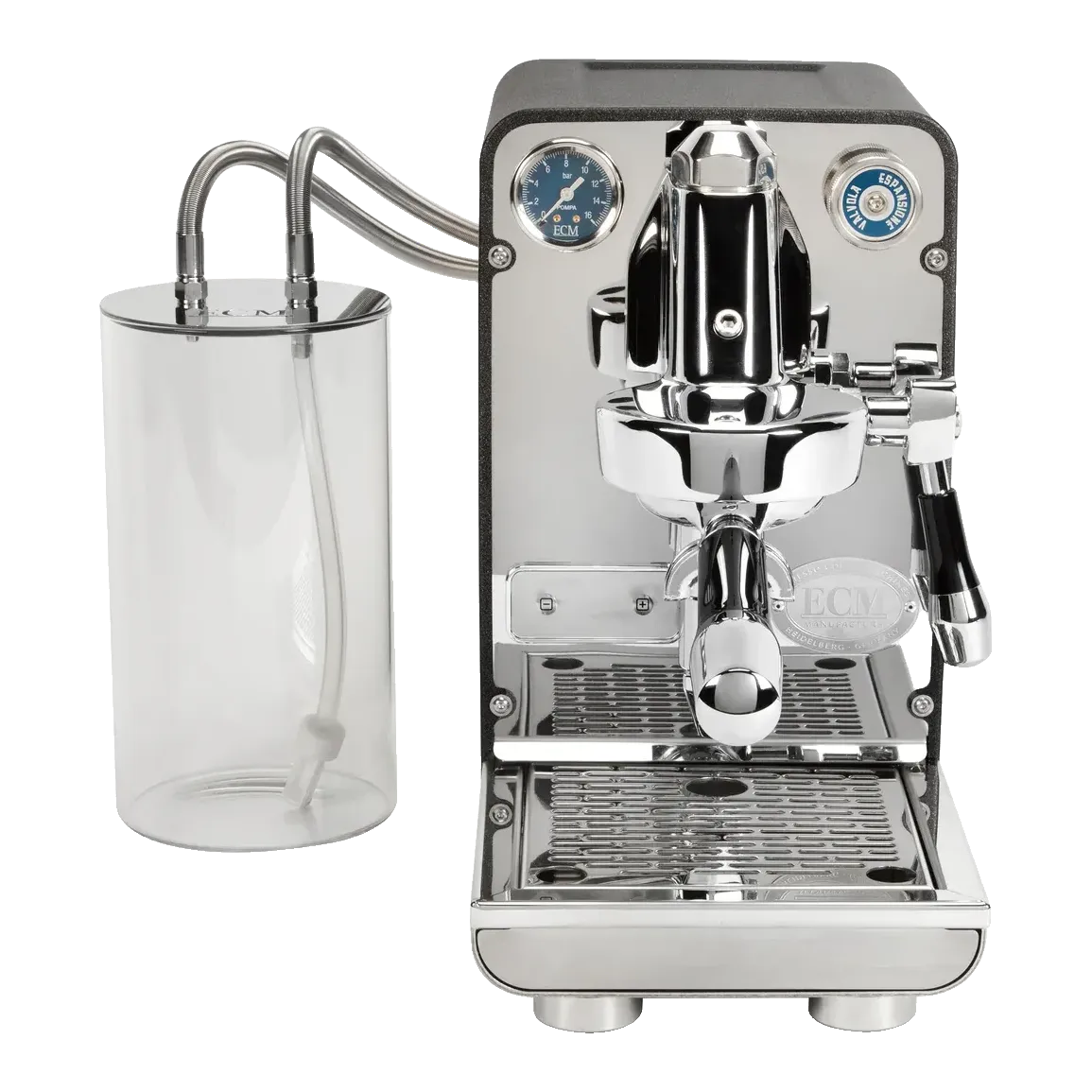
- 46Linea MicraLa Marzocco · Dual boilerCA$5,200–5,600
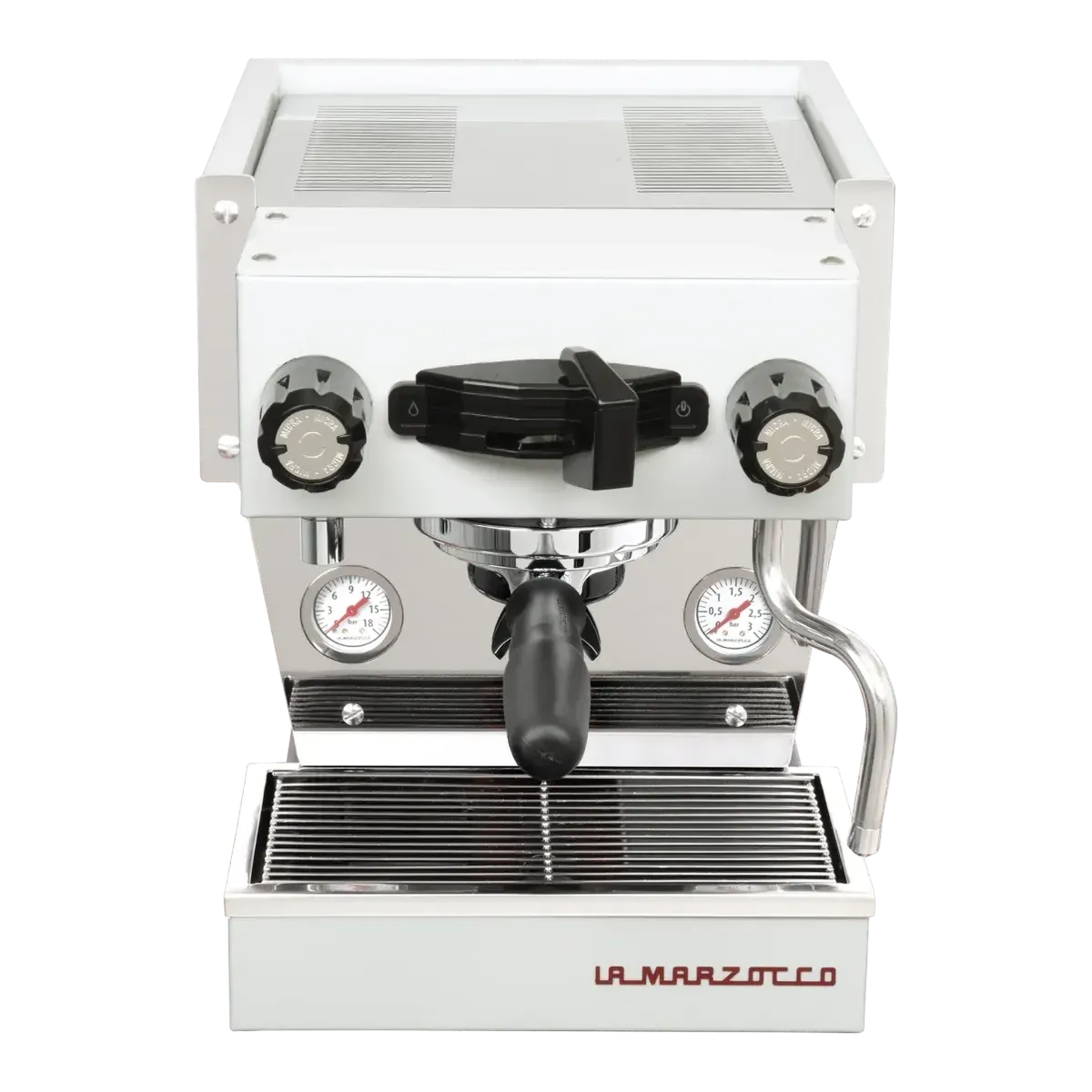
- 473200 LatteGo (EP3241/54)Philips · Super-autoCA$755–1,000
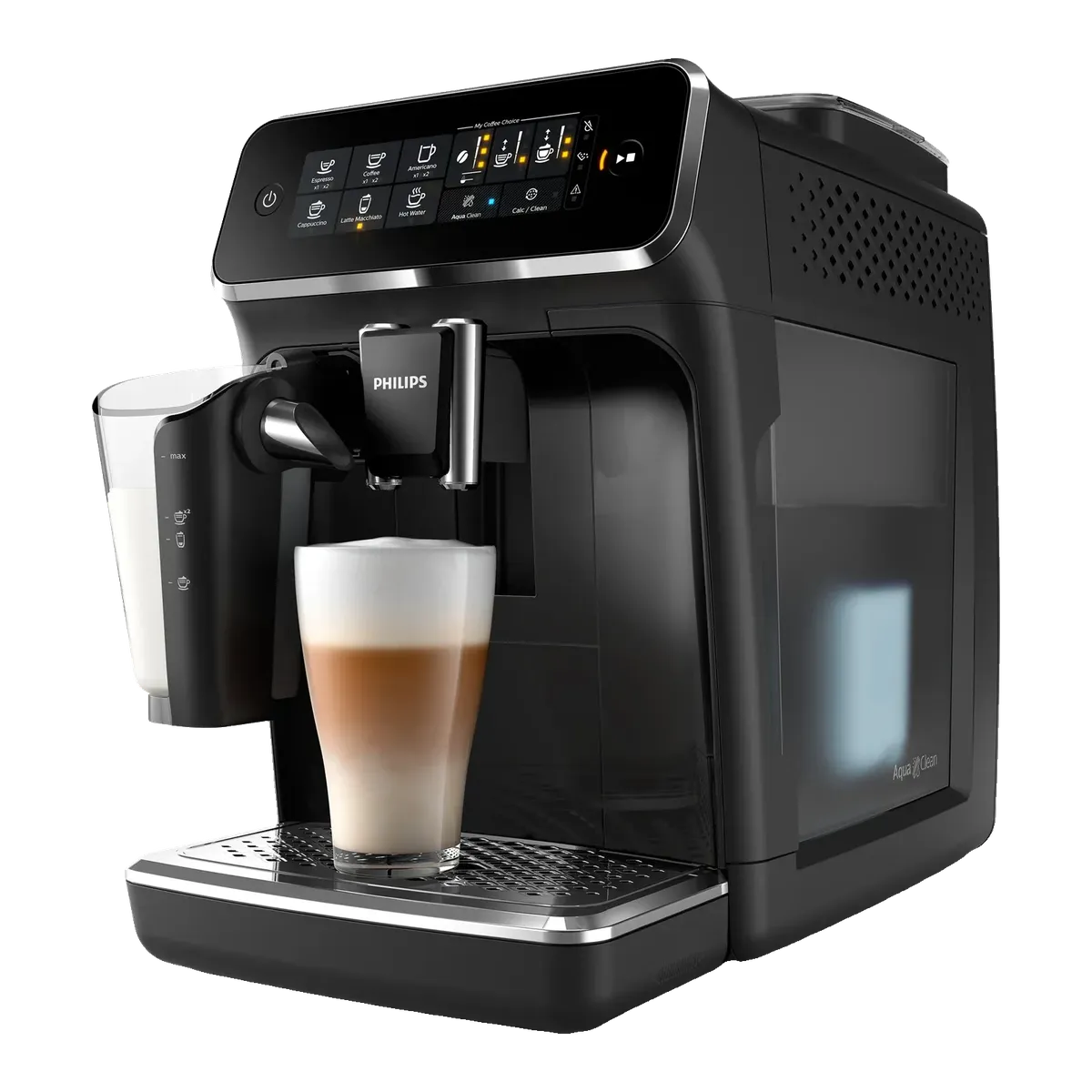
- 485400 LatteGo (EP5447)Philips · Super-autoCA$1,095–1,400
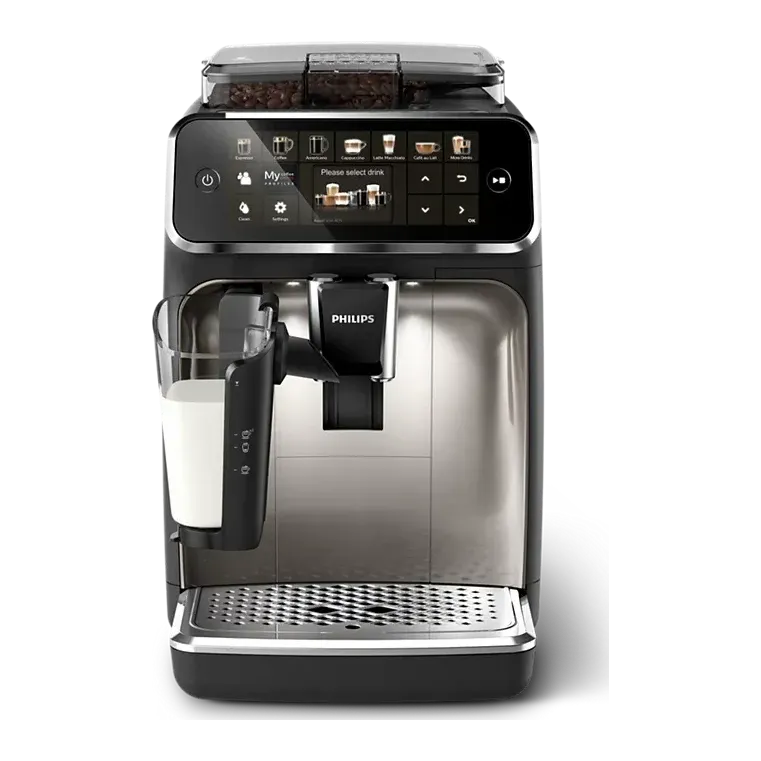
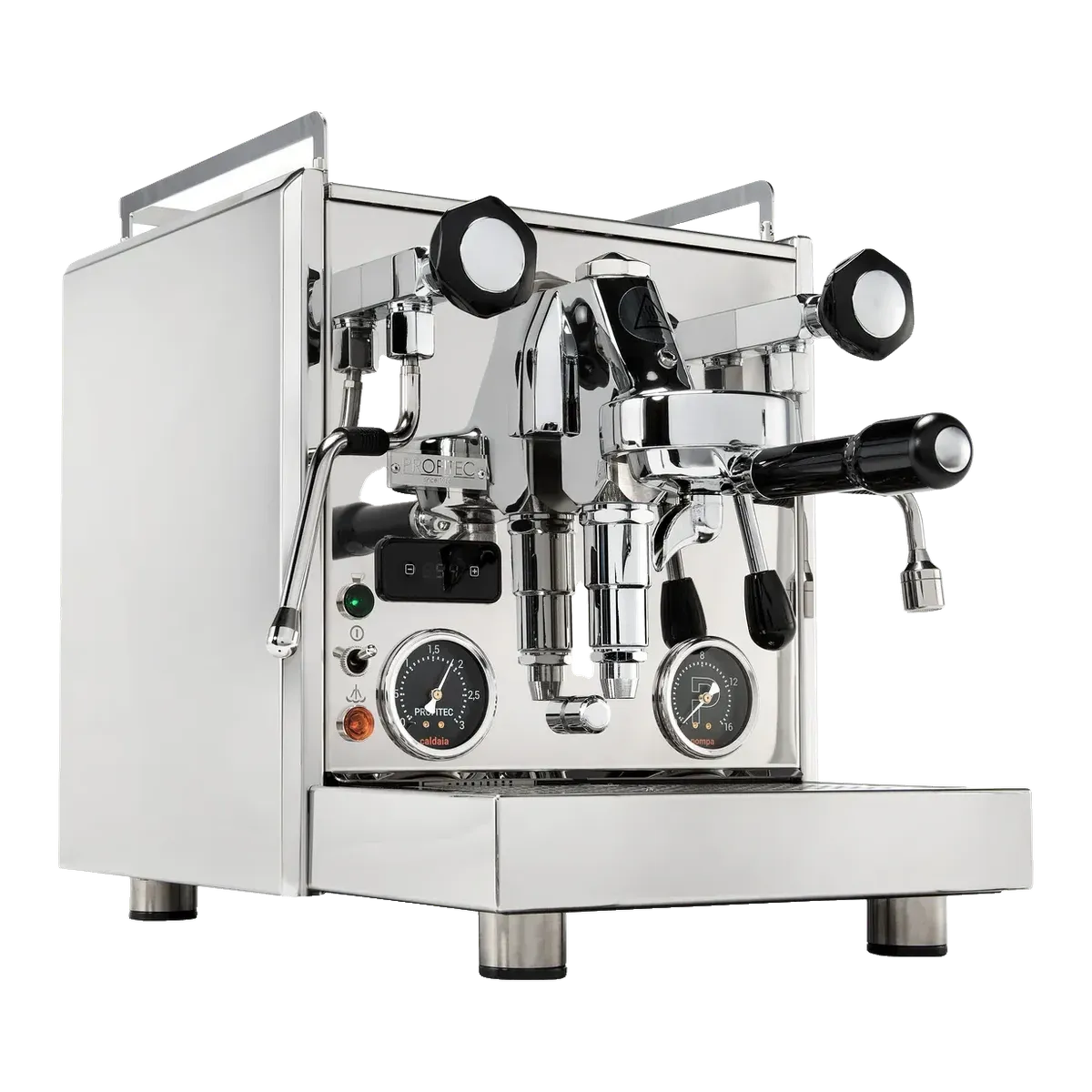
- 49Pro 700Profitec · Dual boilerCA$4,445–4,915
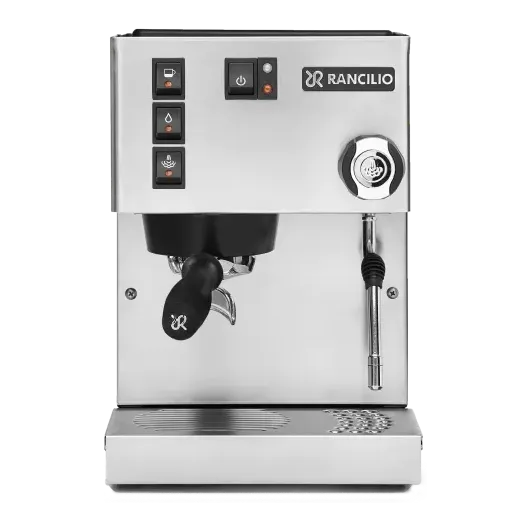
- 50Silvia V6Rancilio · Single boilerCA$1,545
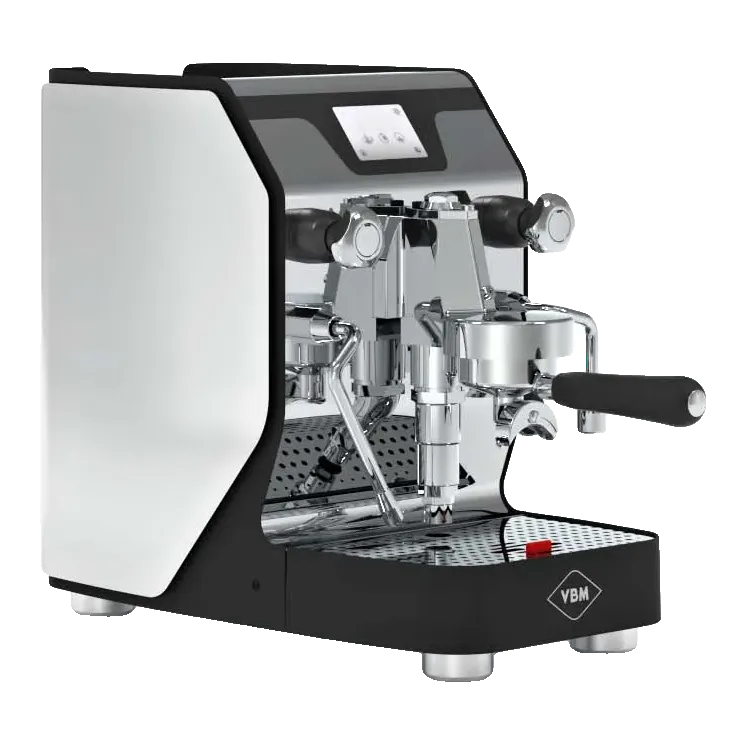
- 51VBM Domobar Super (Dual Boiler Digital)VBM (Vibiemme) · Dual boilerUS$2,099–3,299
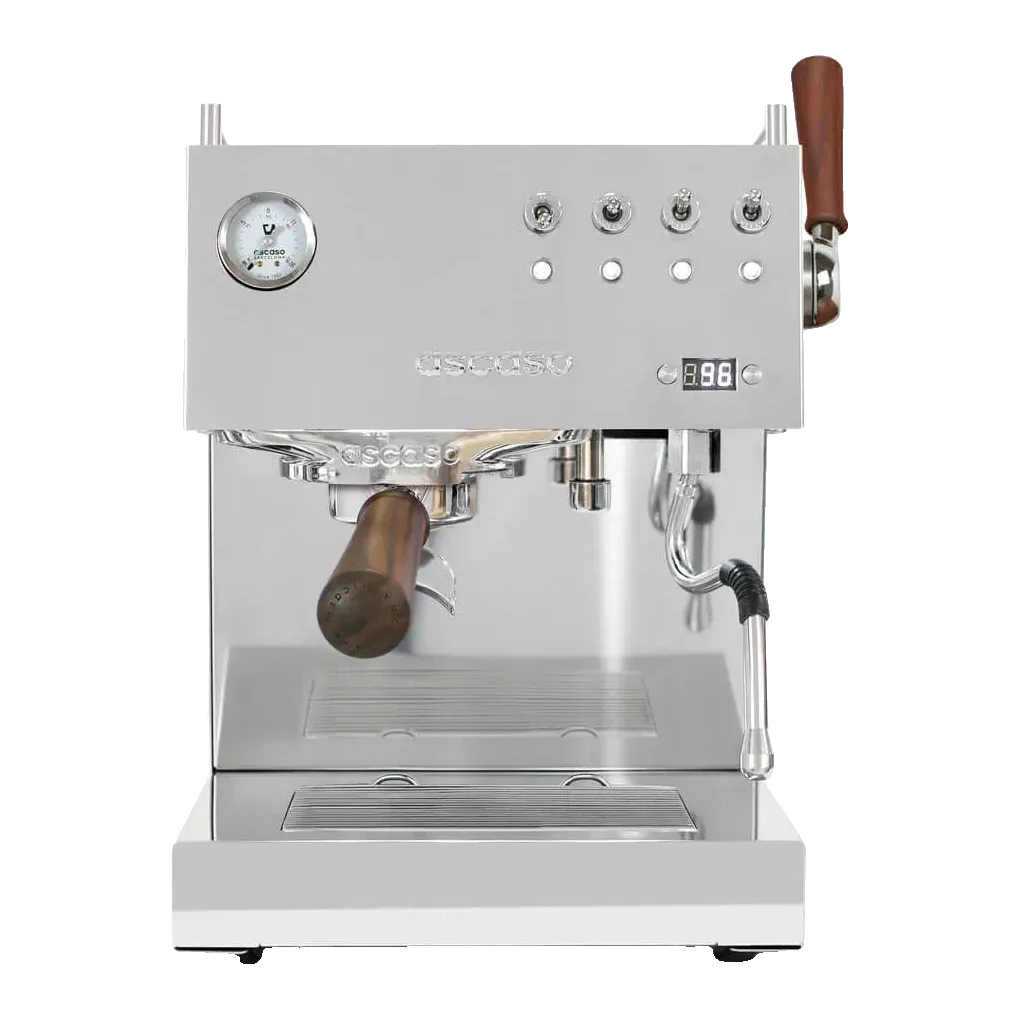
- 52Steel Duo PlusAscaso · ThermoblockCA$2,699–2,799
- 53VectisLondinium · LeverUS$1,593
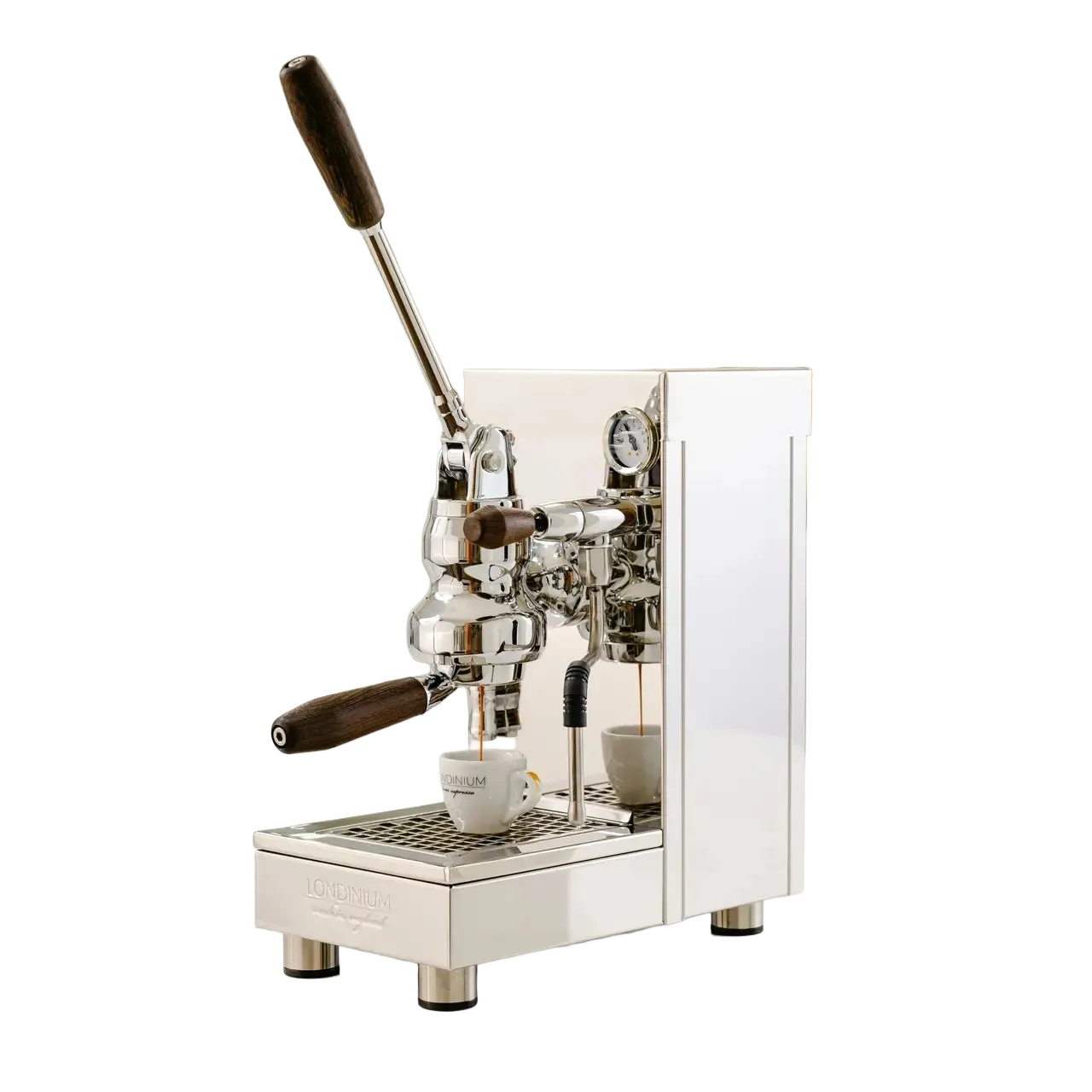
- 54A53 Pro (2026)LUCCA · Dual boilerUS$3,495
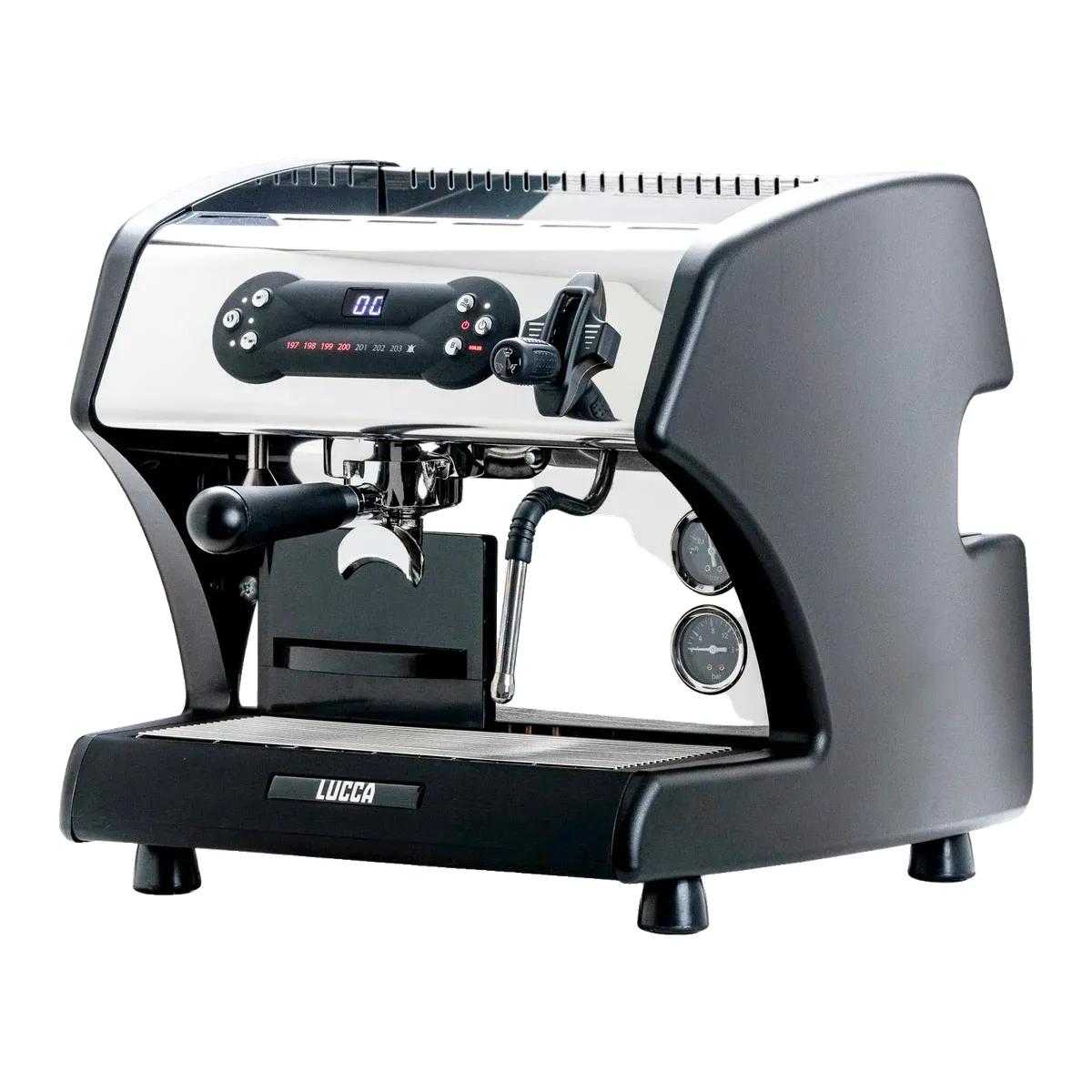
- 55R58 TUNERocket Espresso · Dual boilerCA$3,565–3,700
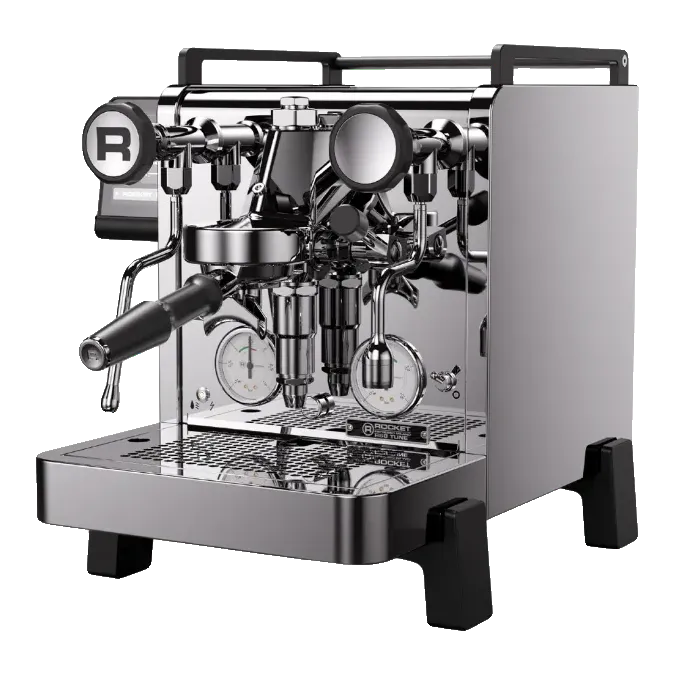
- 56SuperkopSuperkop · ManualCA$999–1,000
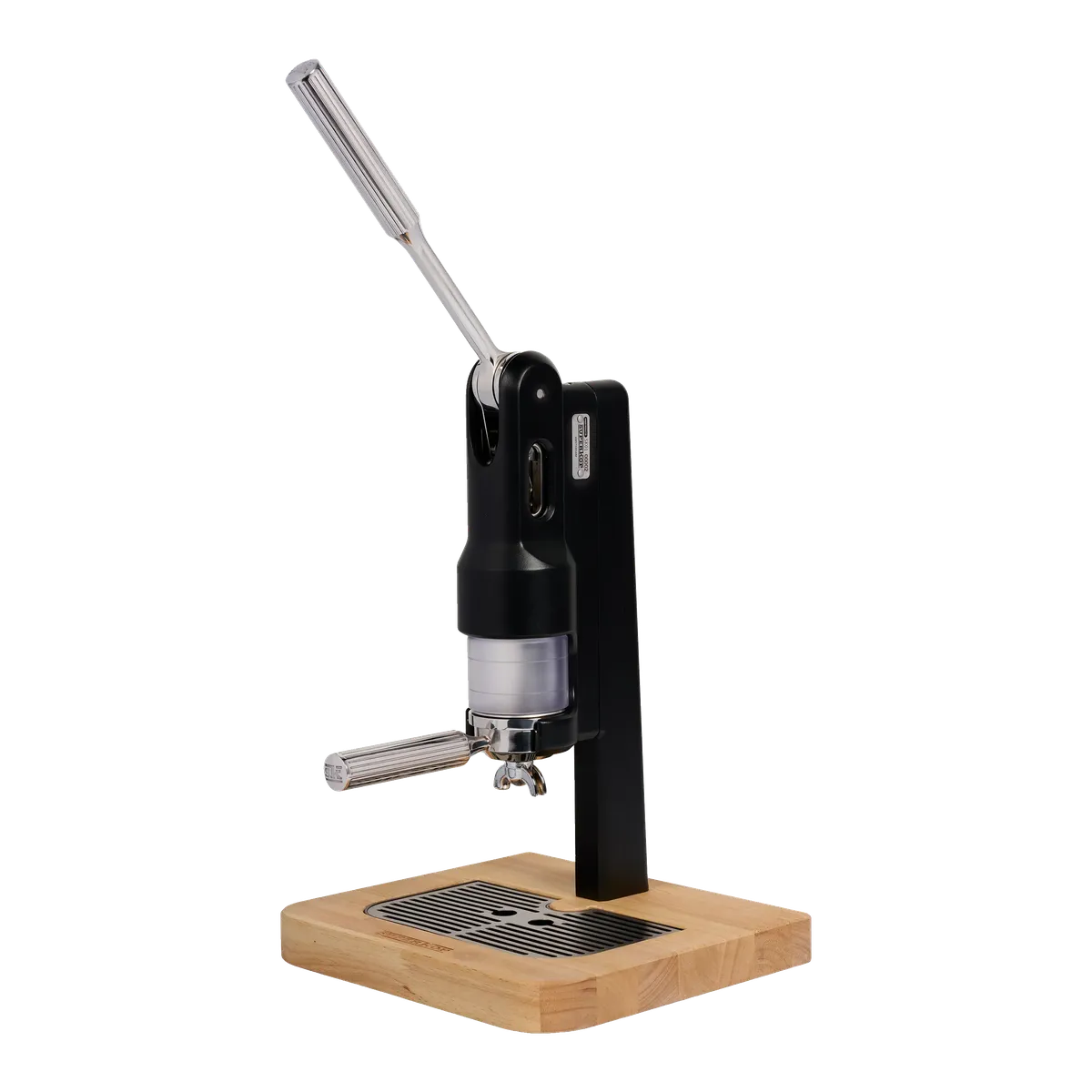
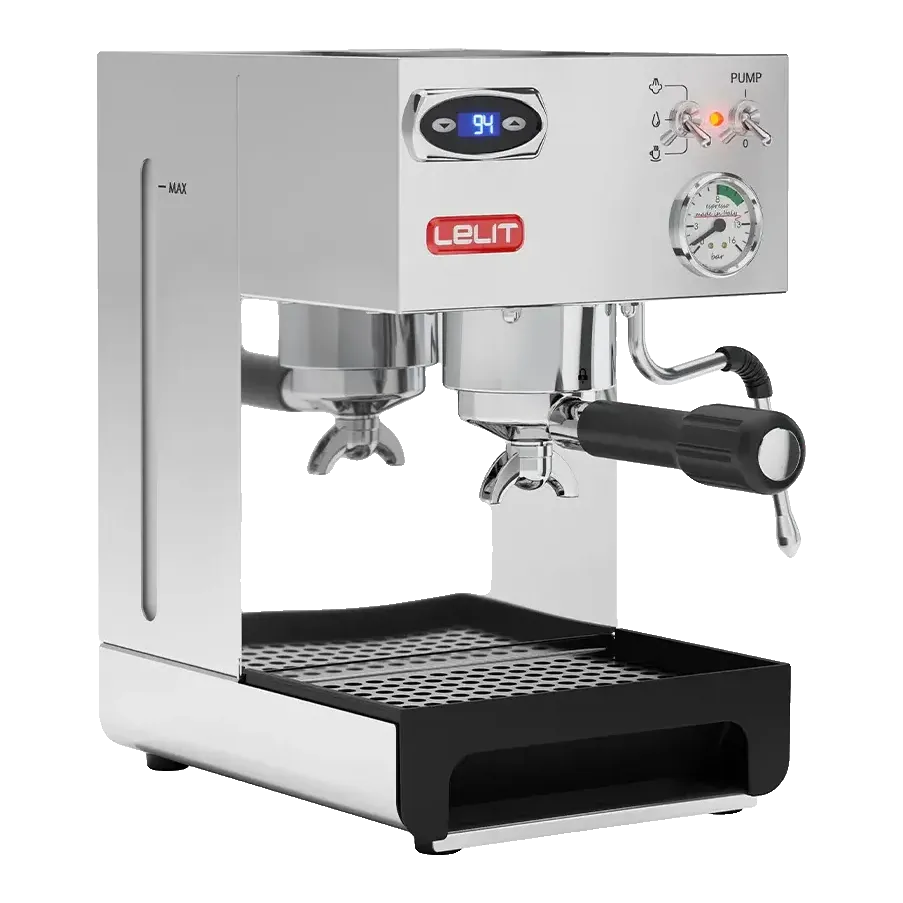
- 57AnnaLelit · Single boilerCA$830–1,075
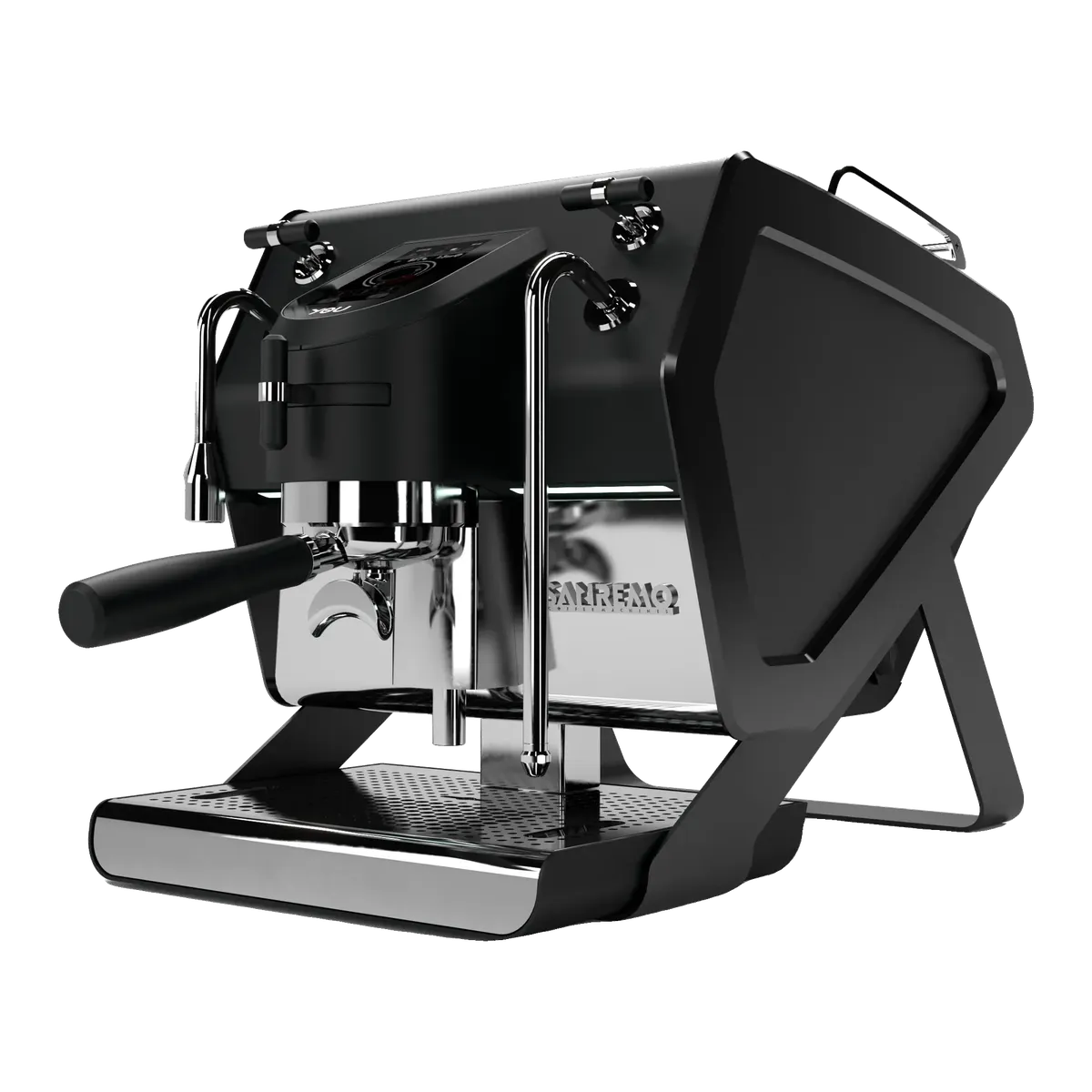
- 58YouSanremo · Dual boilerCA$8,500–9,500
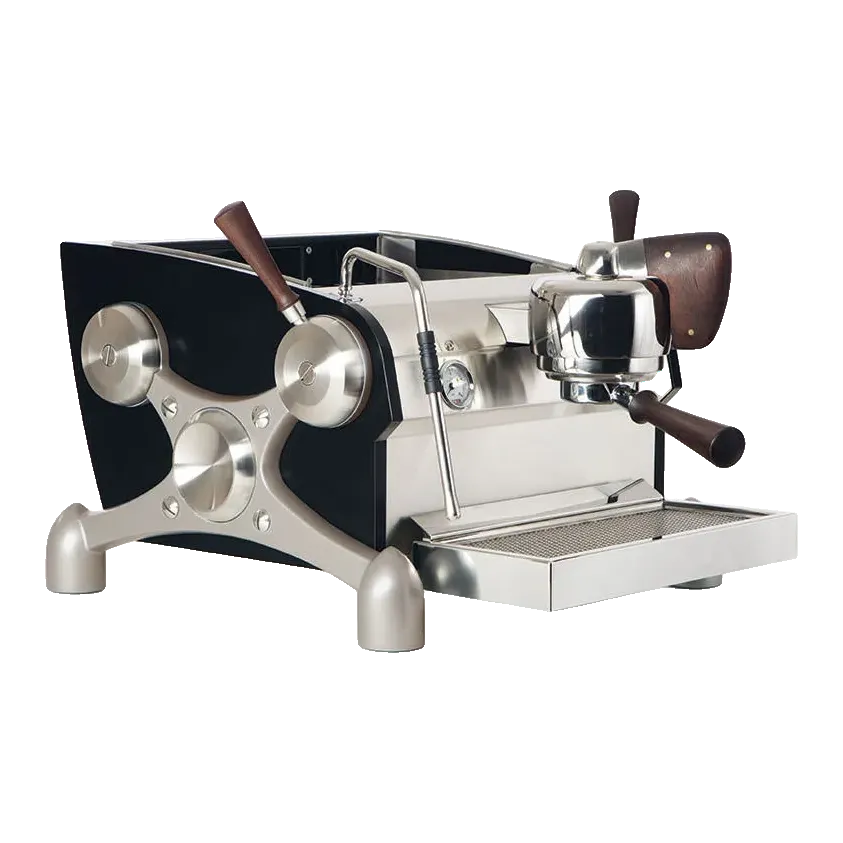
- 59Espresso Single GroupSlayer · Dual boilerCA$19,040–19,185
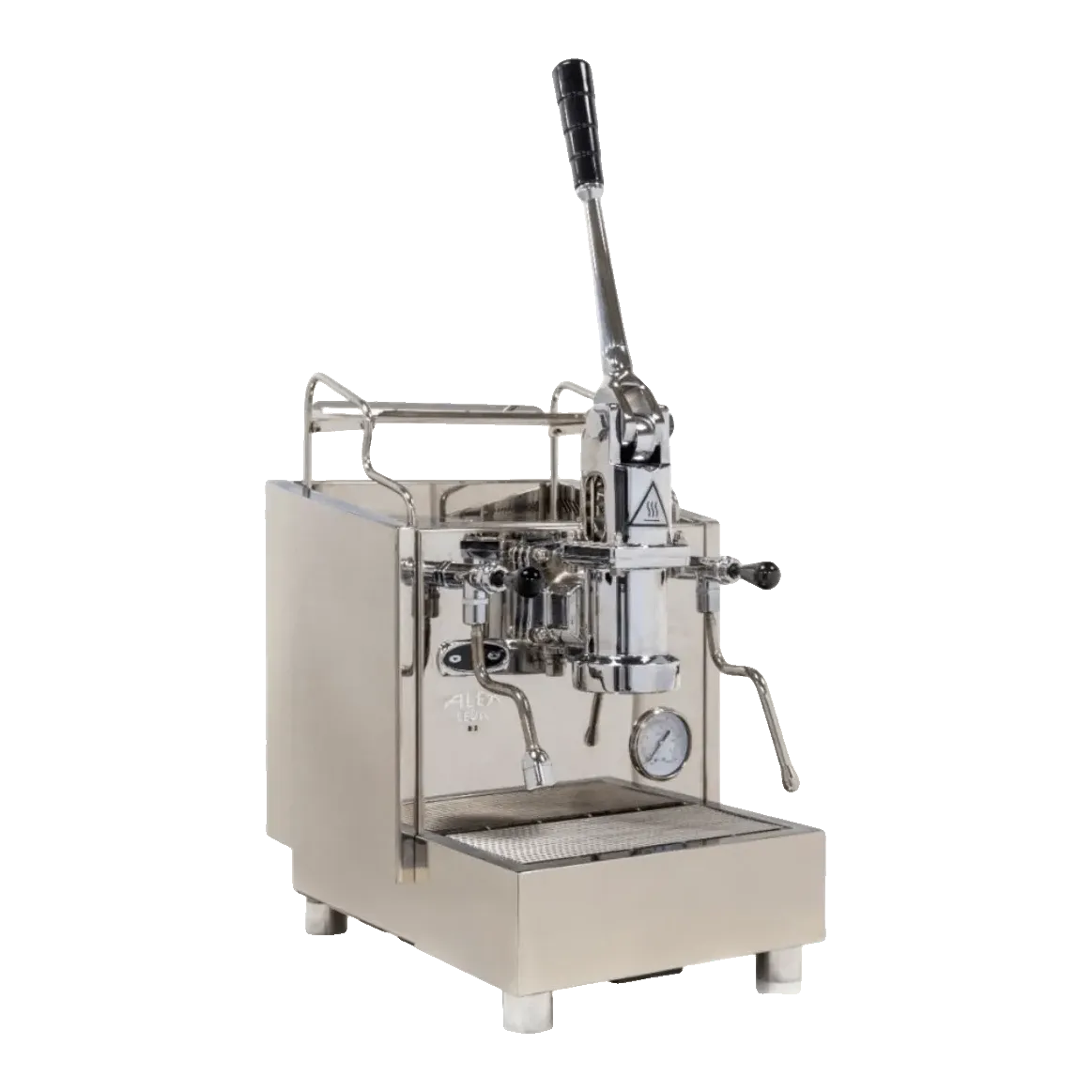
- 60Alex LevaIzzo · Heat exchangerUS$3,500–4,500
- 61CT2Strietman · LeverUS$2,600–3,200
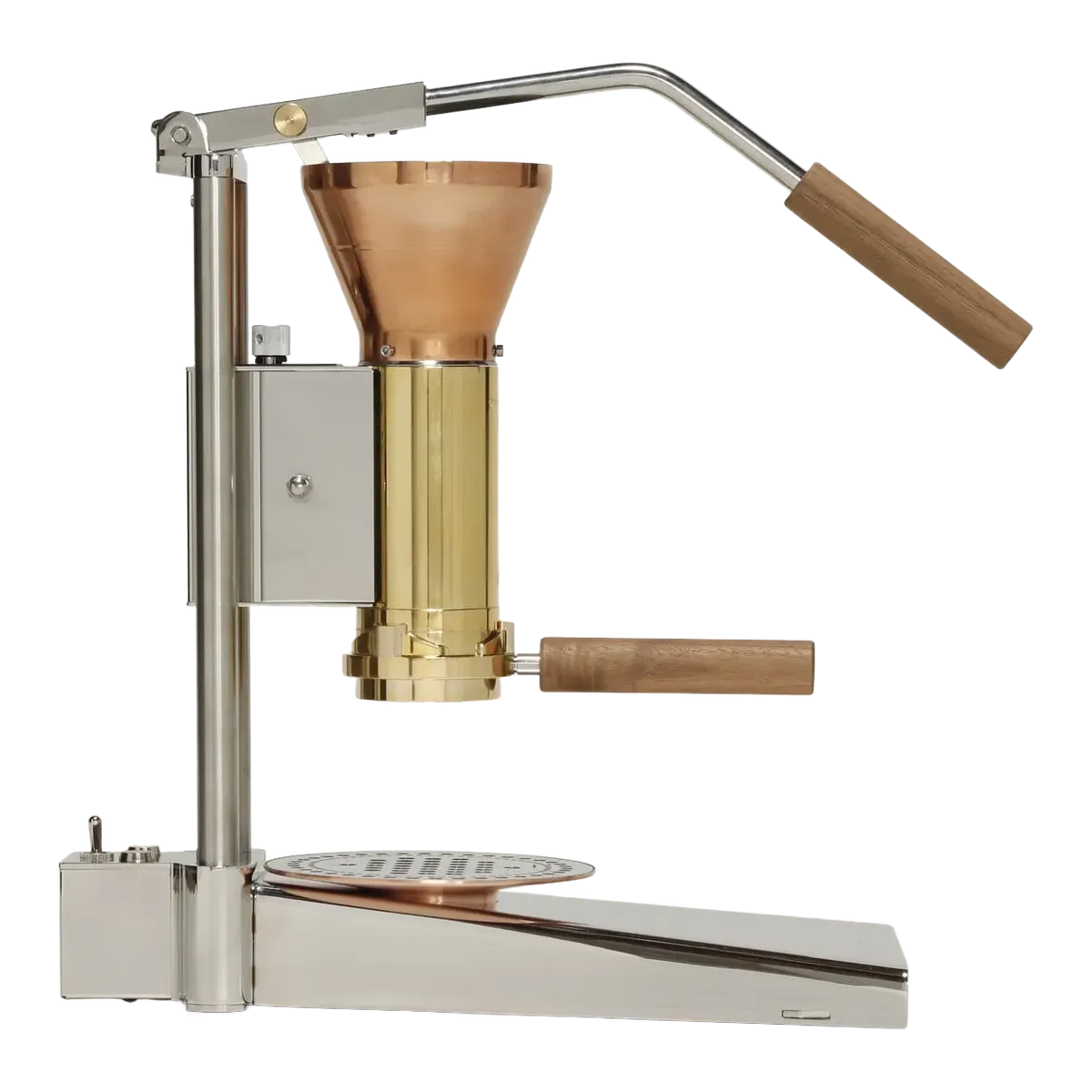
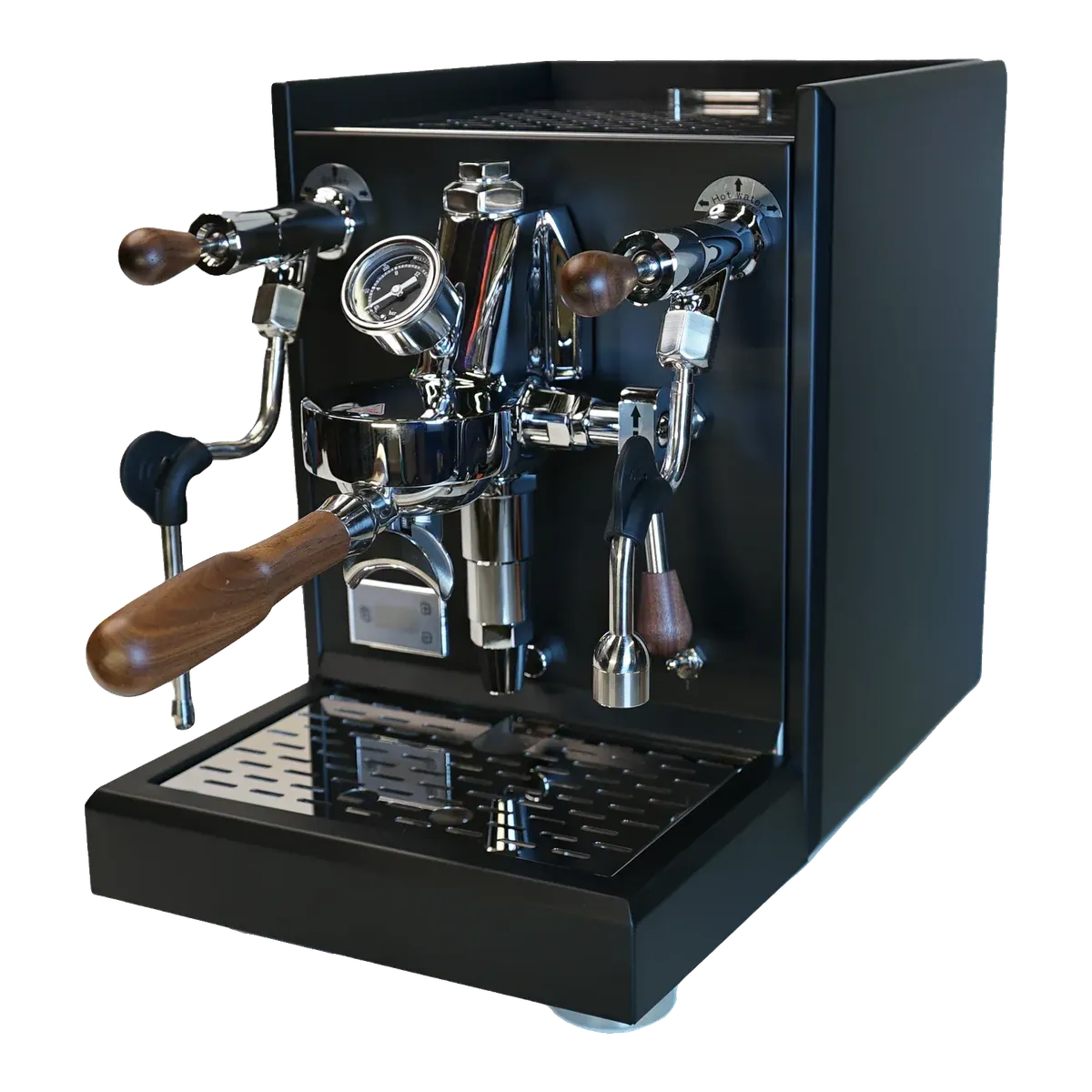
- 62Gallatin V HX with PIDTurin · Heat exchangerUS$1,249–1,499
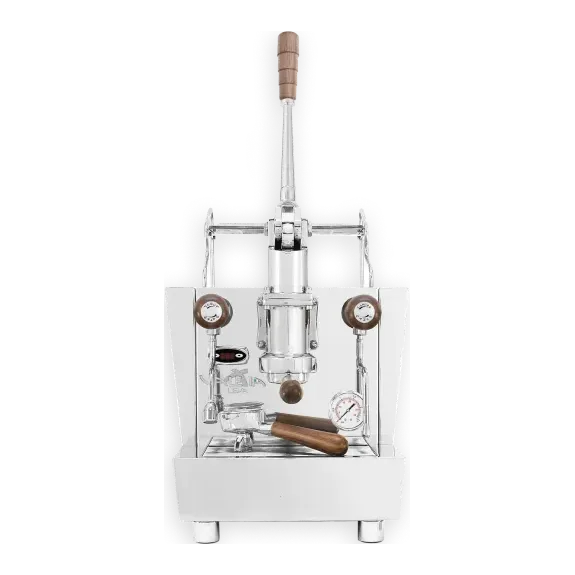
- 63Valexia LevaIzzo · LeverUS$3,500–4,500
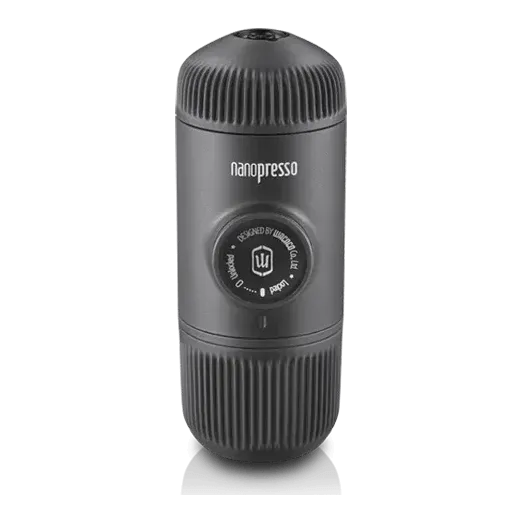
- 64NanopressoWacaco · ManualCA$85–95
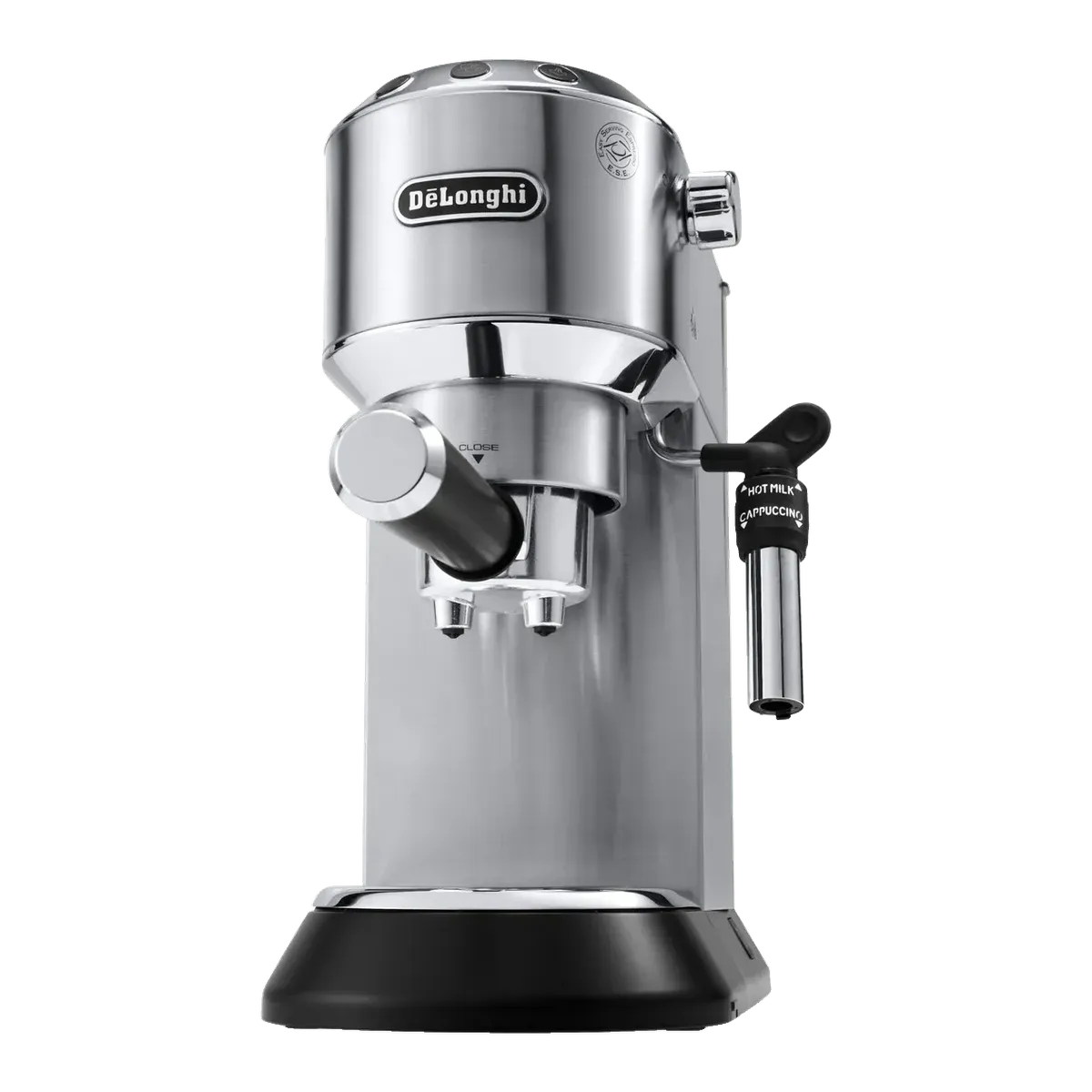
- 65Dedica Style EC685De'Longhi · ThermoblockCA$275–280
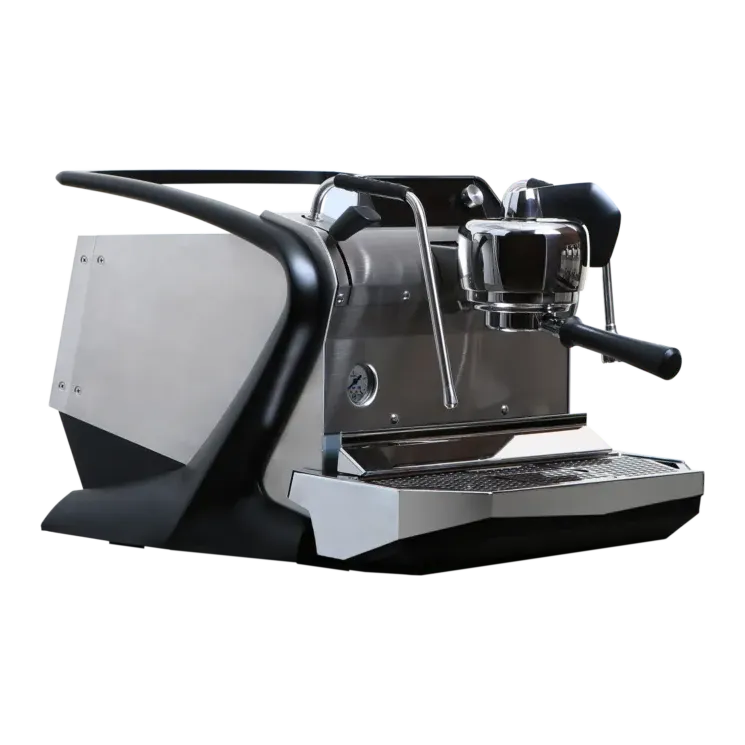
- 66Steam SingleSlayer · Dual boilerCA$19,040–19,185
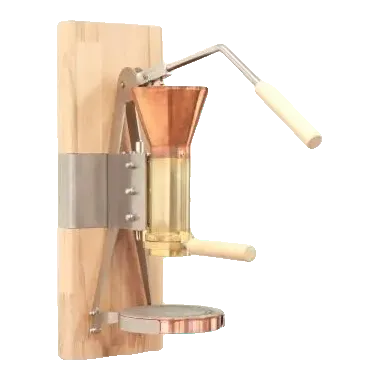
- 67ES3Strietman · Lever—
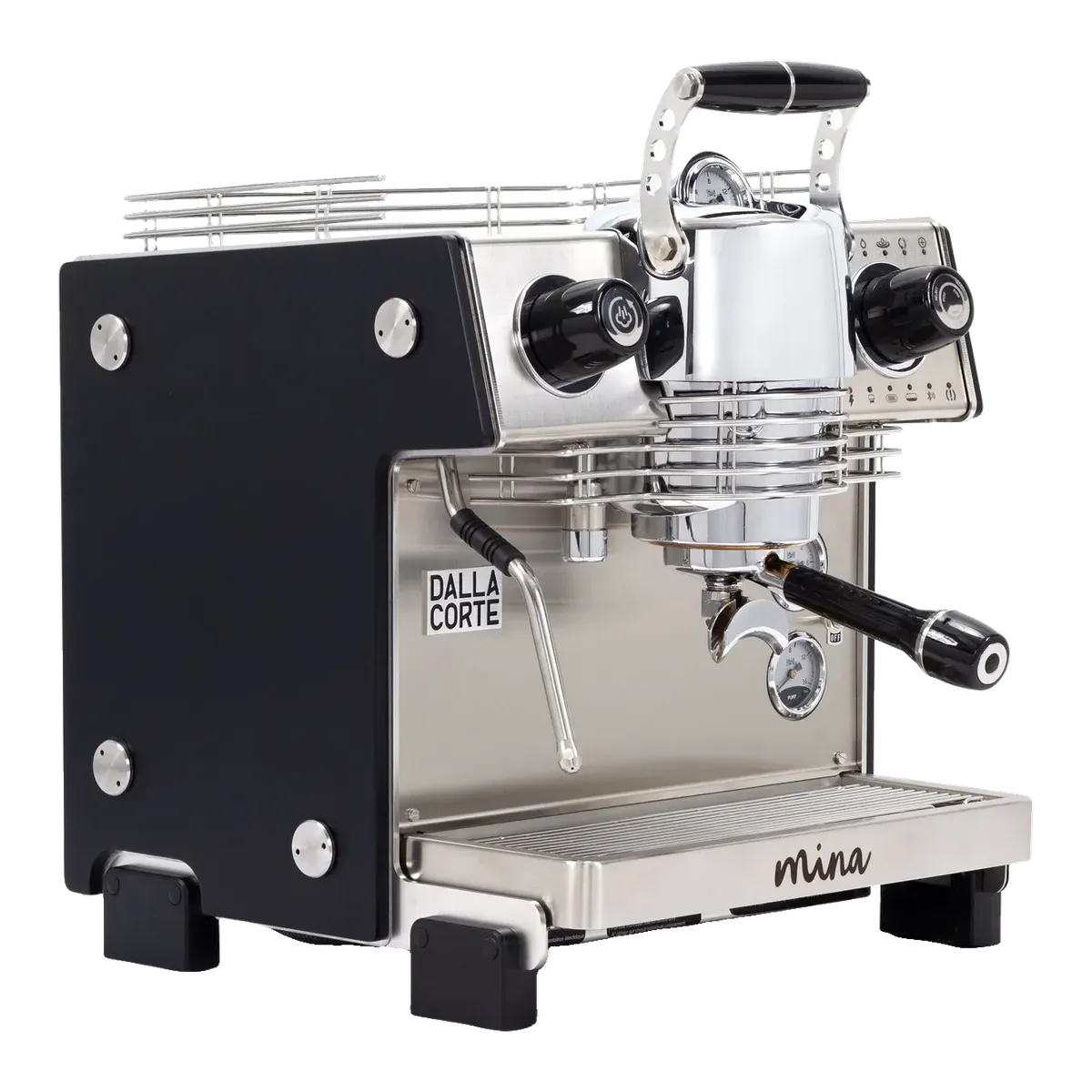
- 68MinaDalla Corte · Dual boilerUS$4,500–6,500
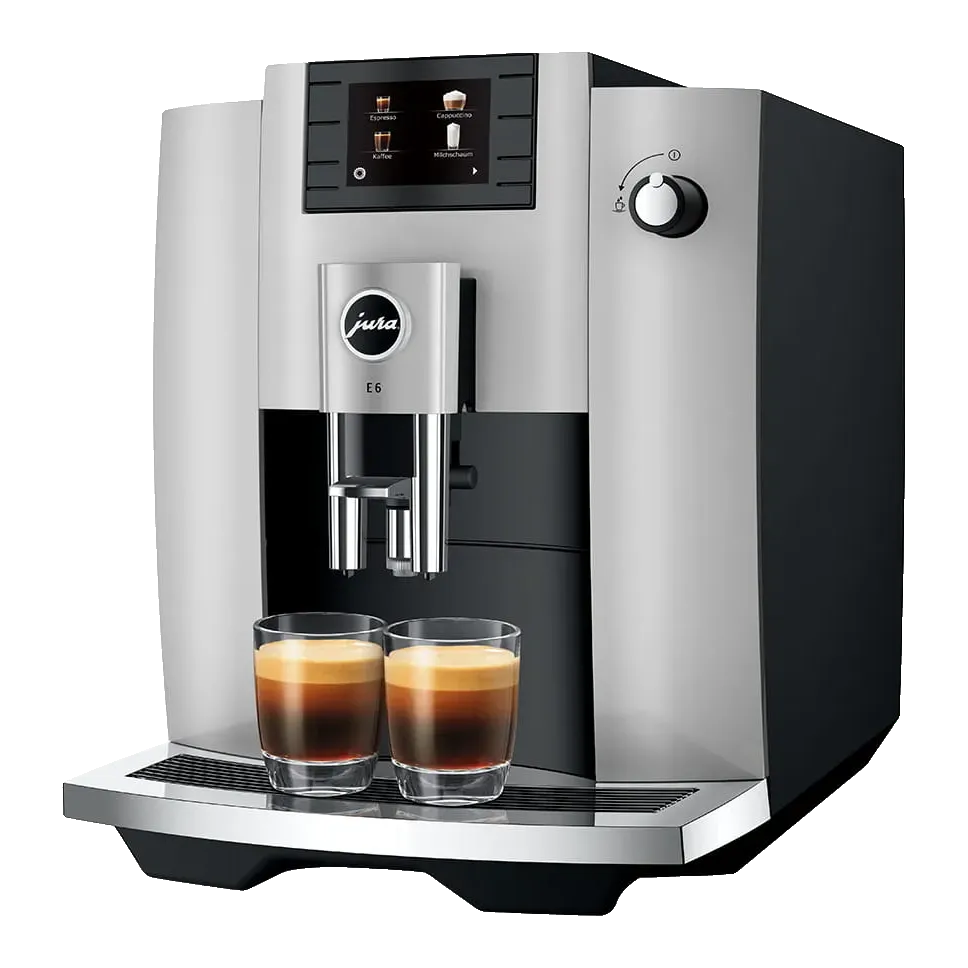
- 69E6 (2023)Jura · Super-autoCA$2,095
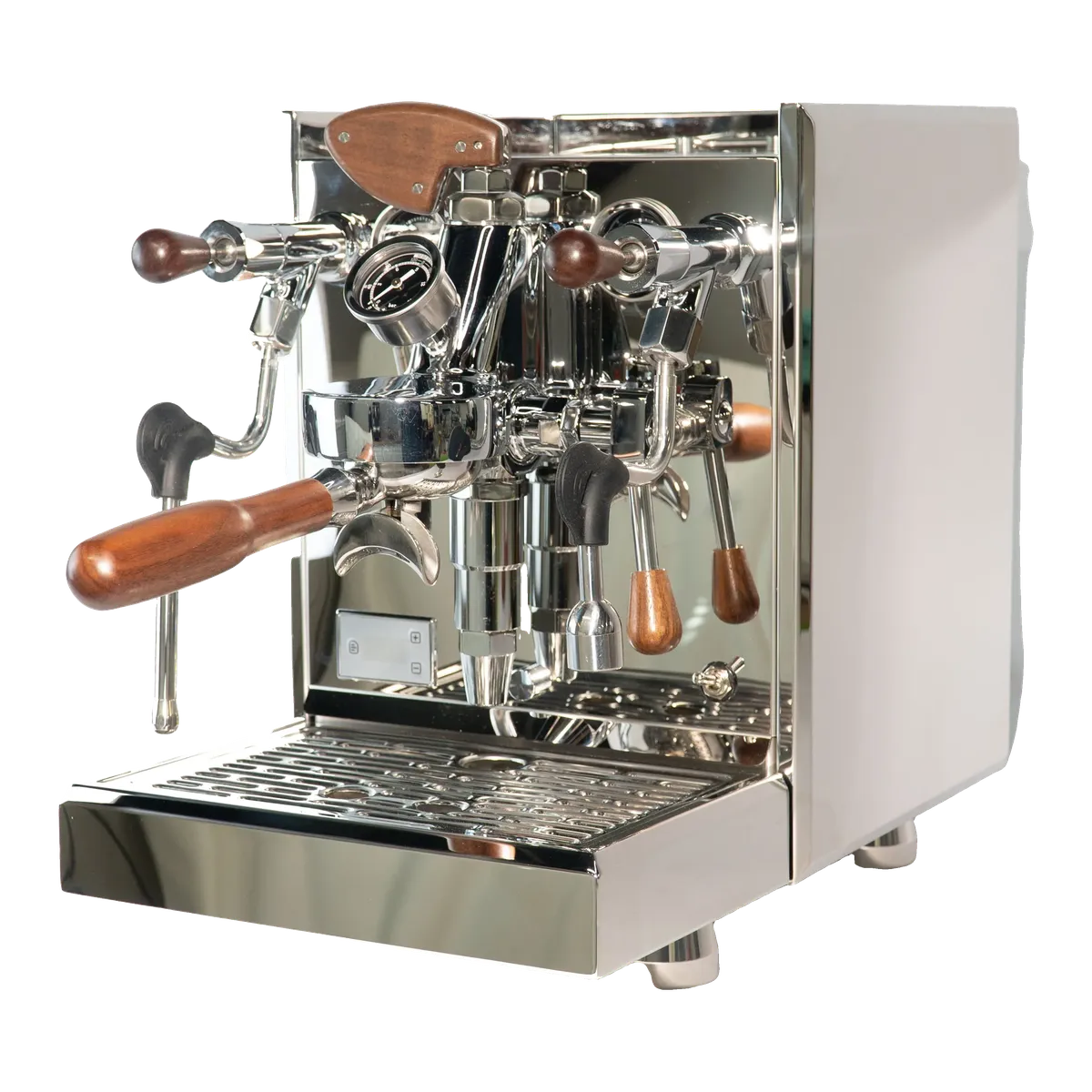
- 70Gallatin DBTurin · Dual boilerUS$1,949–2,399
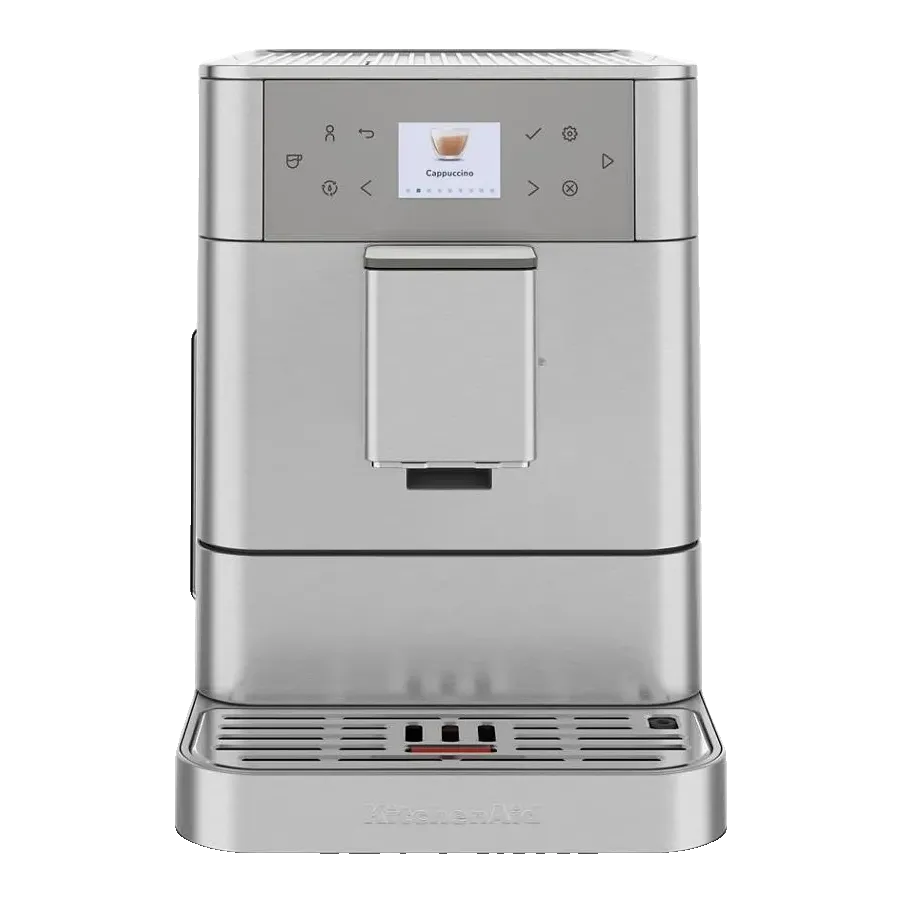
- 71Fully Automatic KF6KitchenAid · Super-autoUS$999–1,199
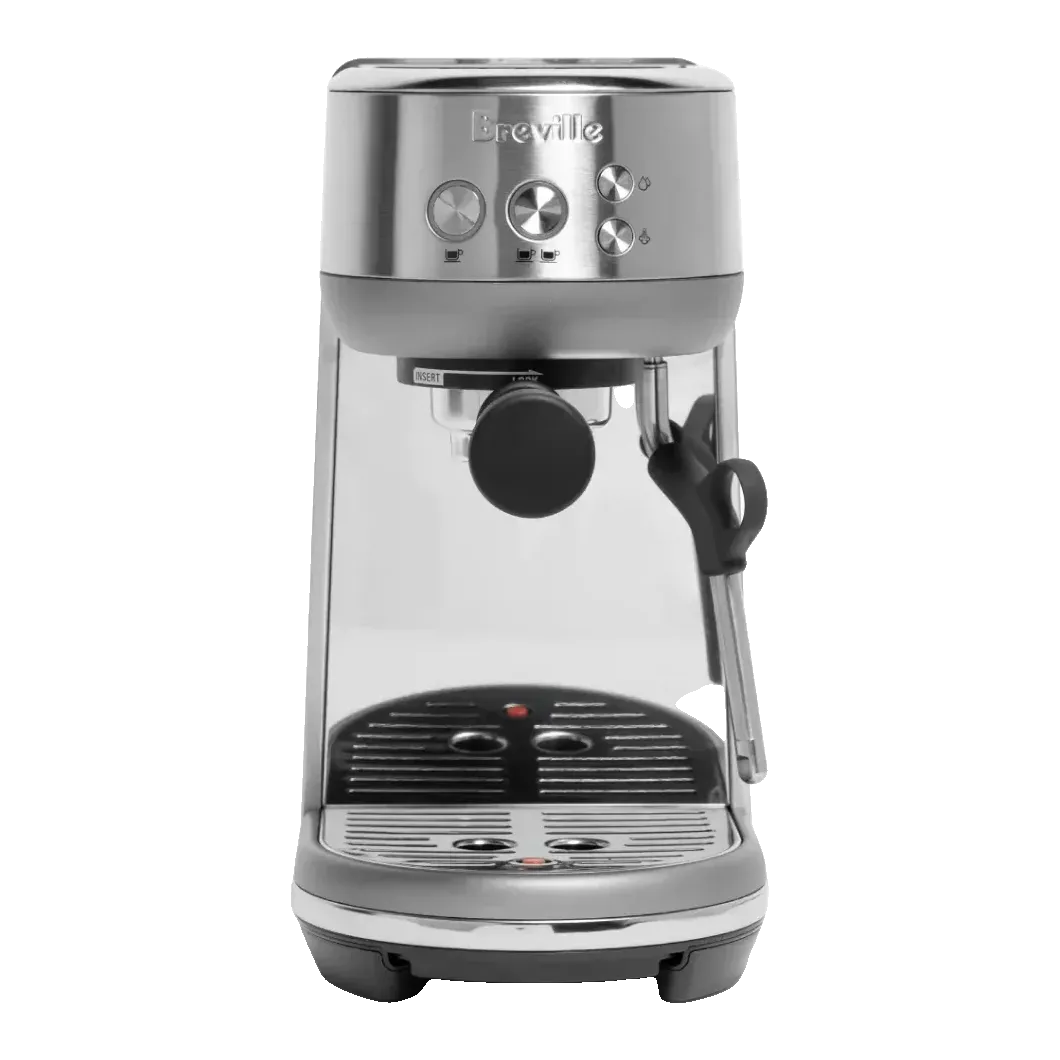
- 72Bambino (BES450)Breville · ThermoblockCA$345–360
- 73Owl G3006A (2026)Gemilai · ThermoblockUS$380–480
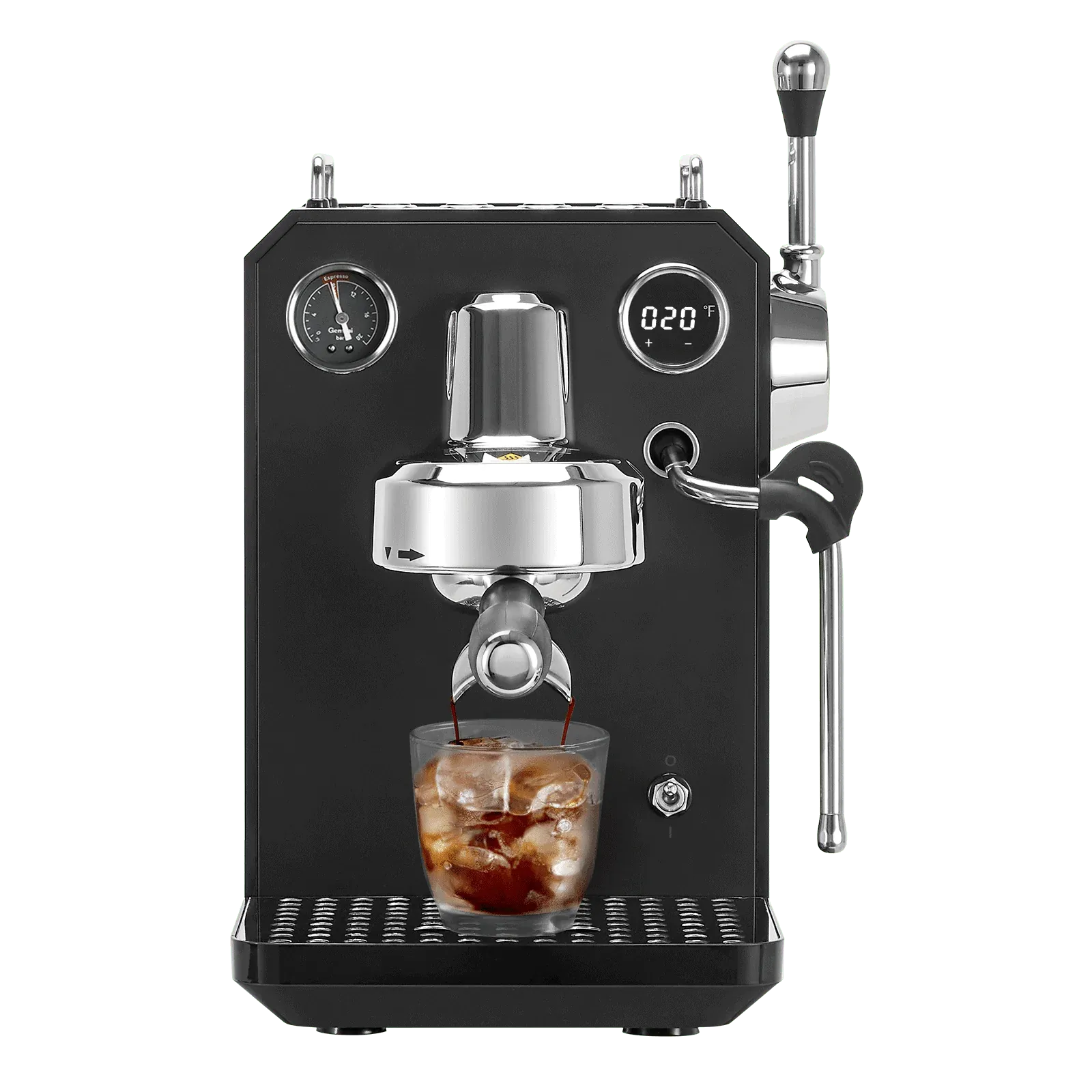
- 74Ele G3028AGemilai · Single boilerUS$599–760
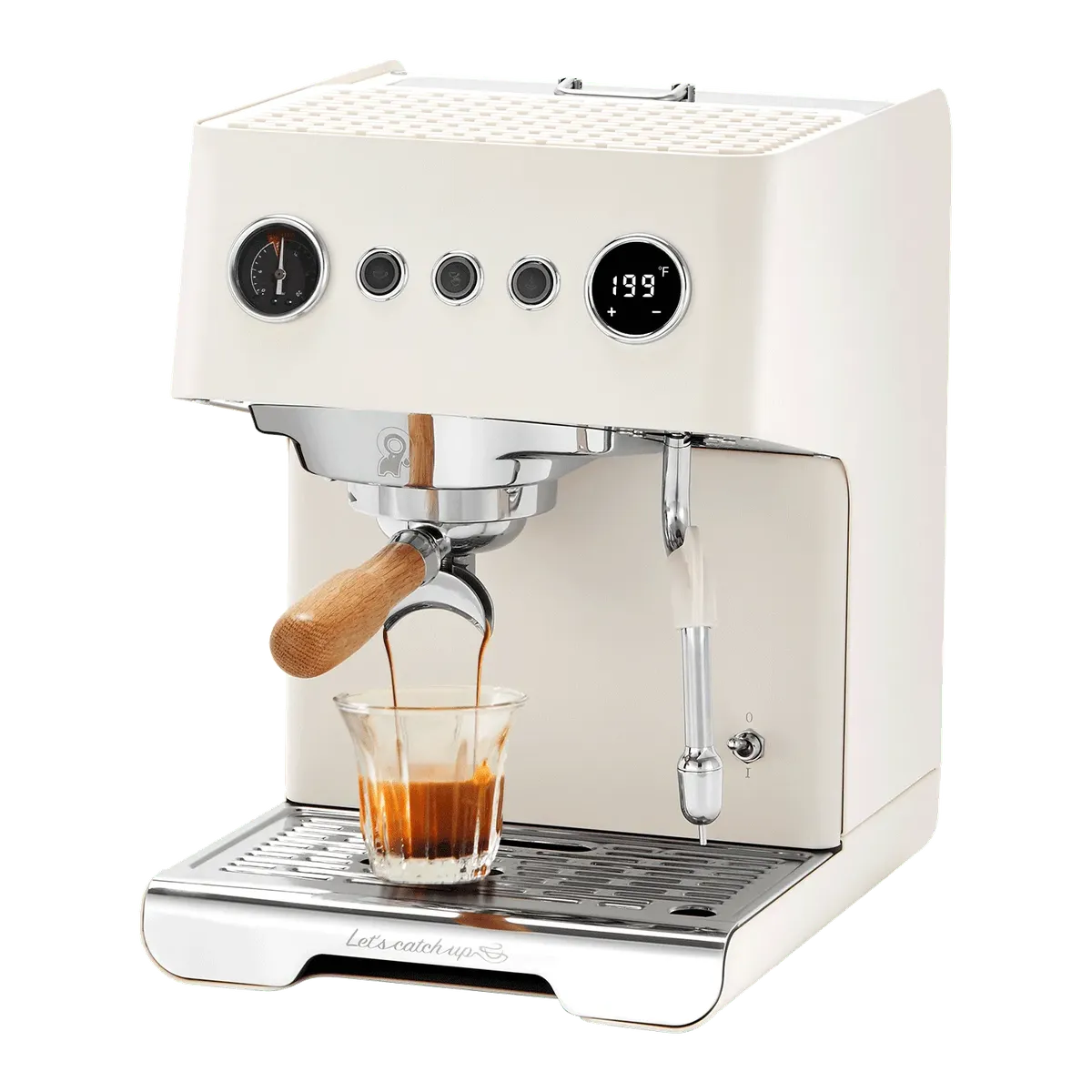
- 75Luxe Café Pro 4-in-1Ninja · ThermoblockCA$795–1,000
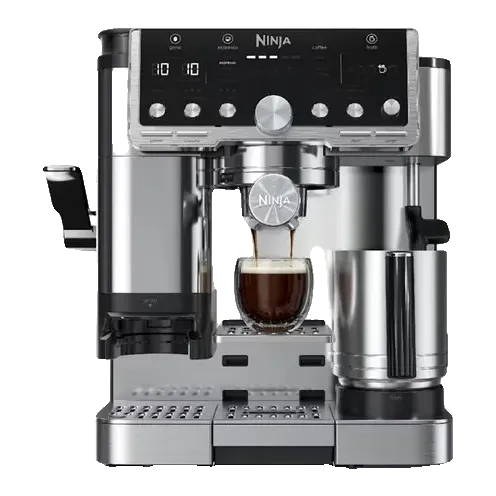
- 76Gallatin R HXTurin · Heat exchangerUS$1,499–1,899
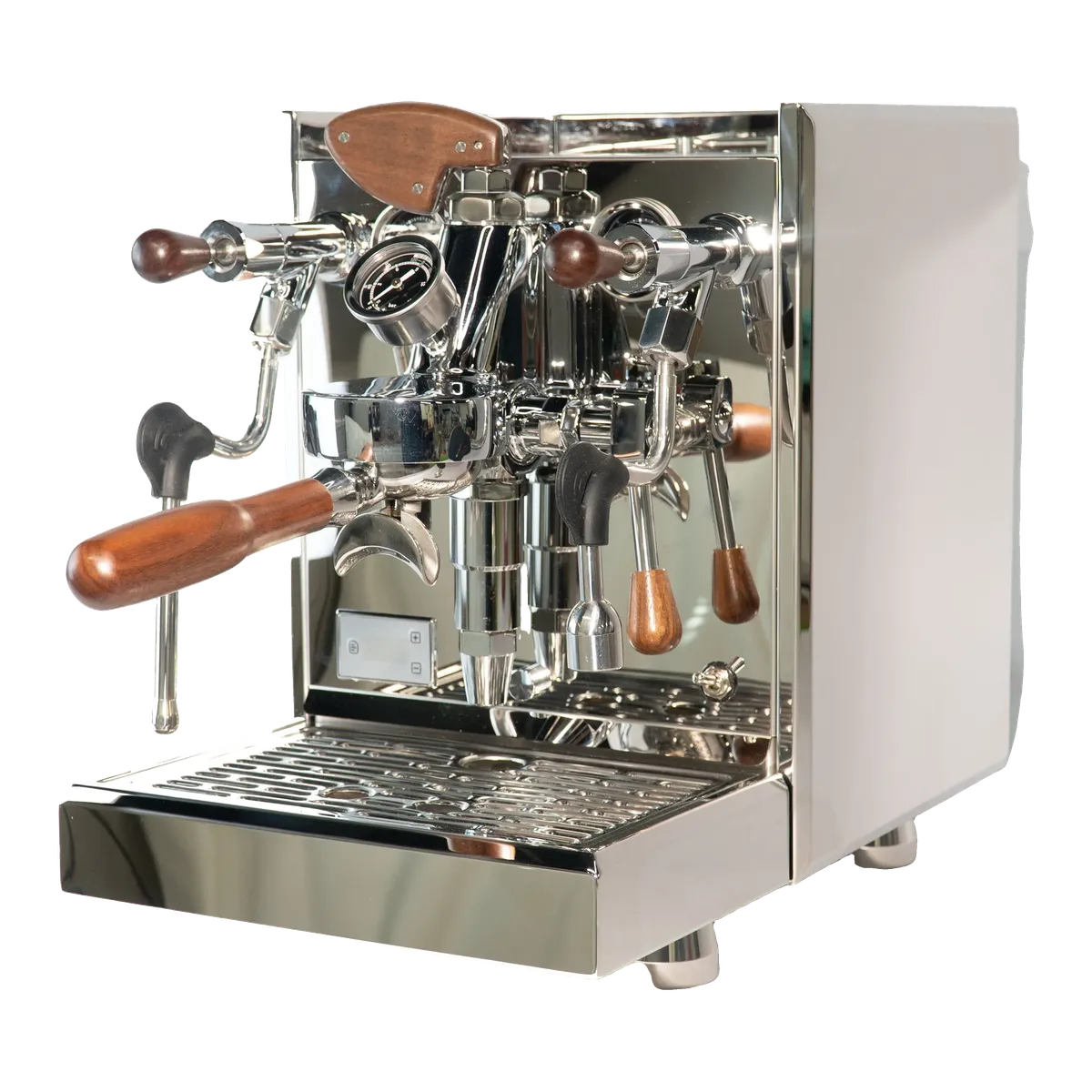
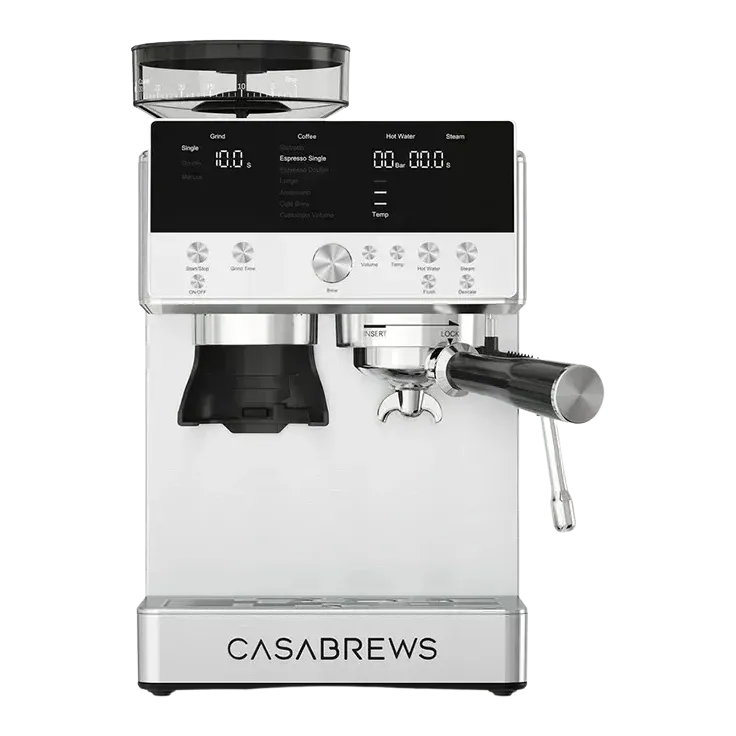
- 77MARENZACasabrews · ThermoblockUS$349
- Solid pickswell liked — know the tradeoffs94
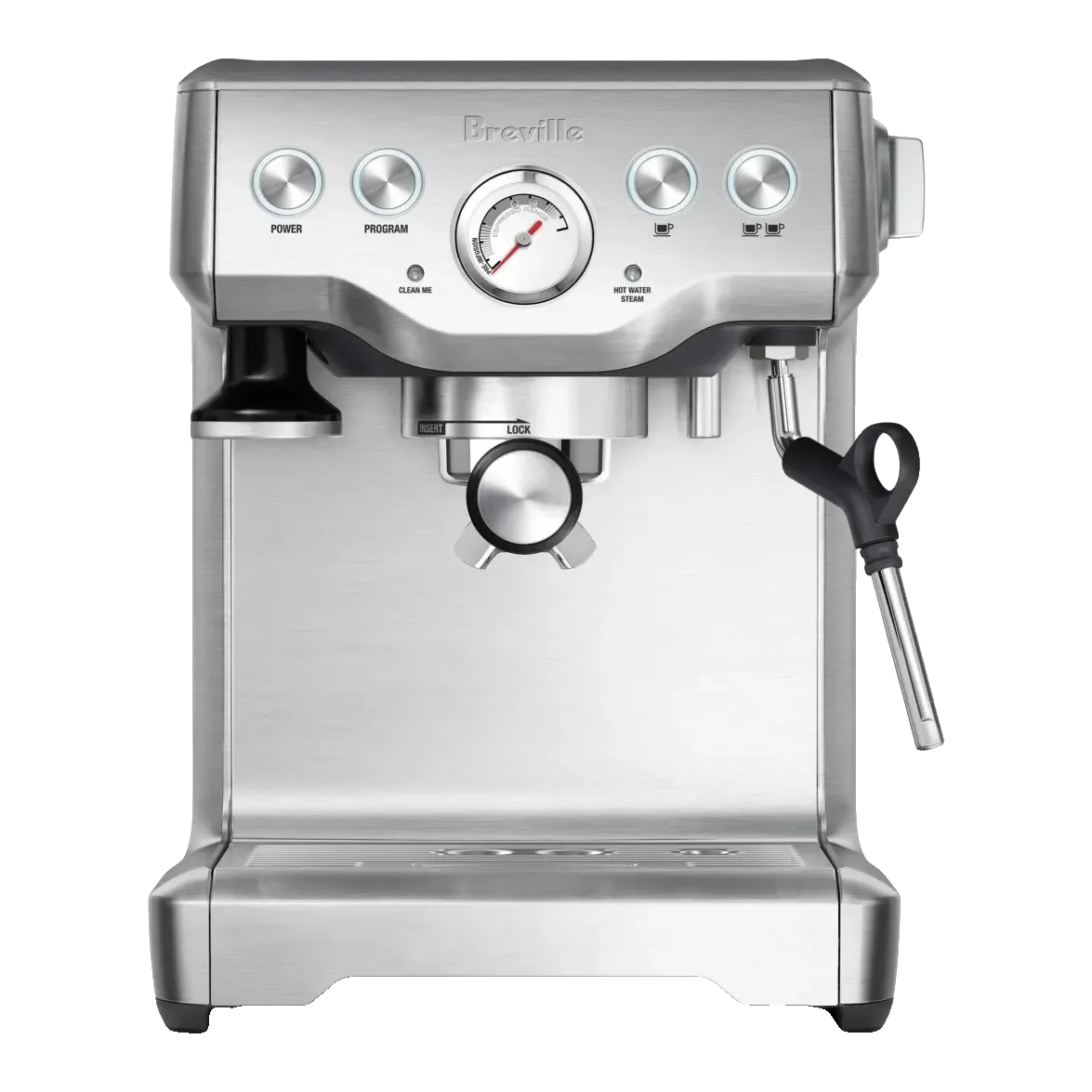
- 78Infuser (BES840XL)Breville · ThermoblockUS$499–599
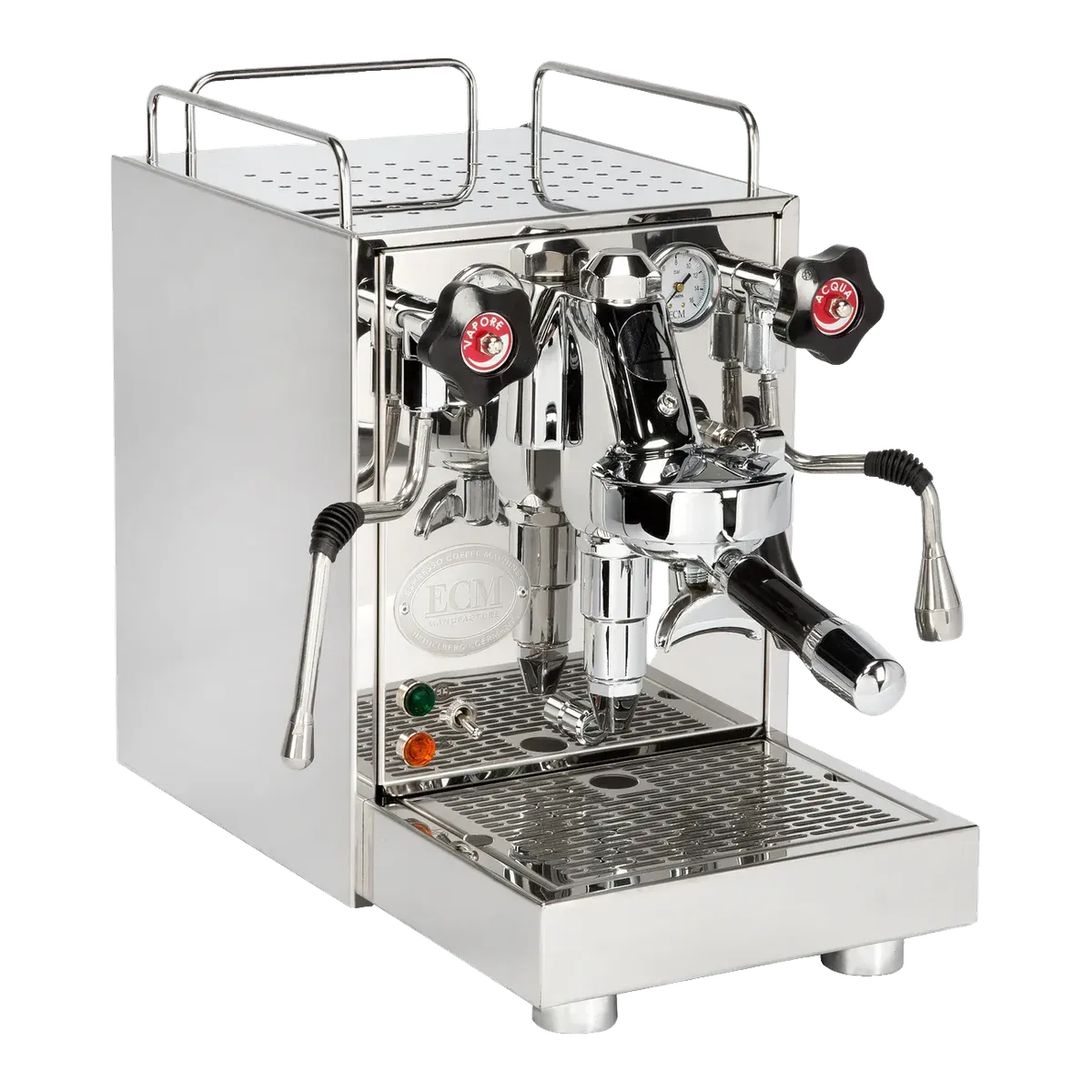
- 79Mechanika VI SlimECM · Heat exchangerCA$2,795–2,800
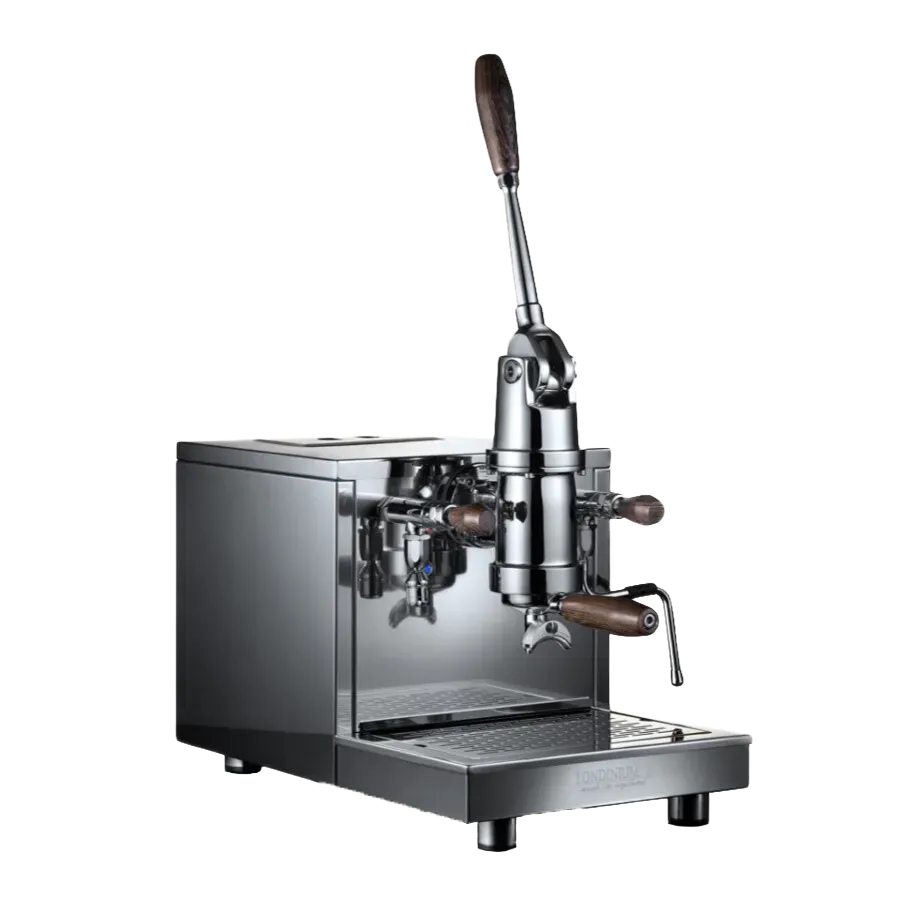
- 80R24Londinium · LeverUS$3,858
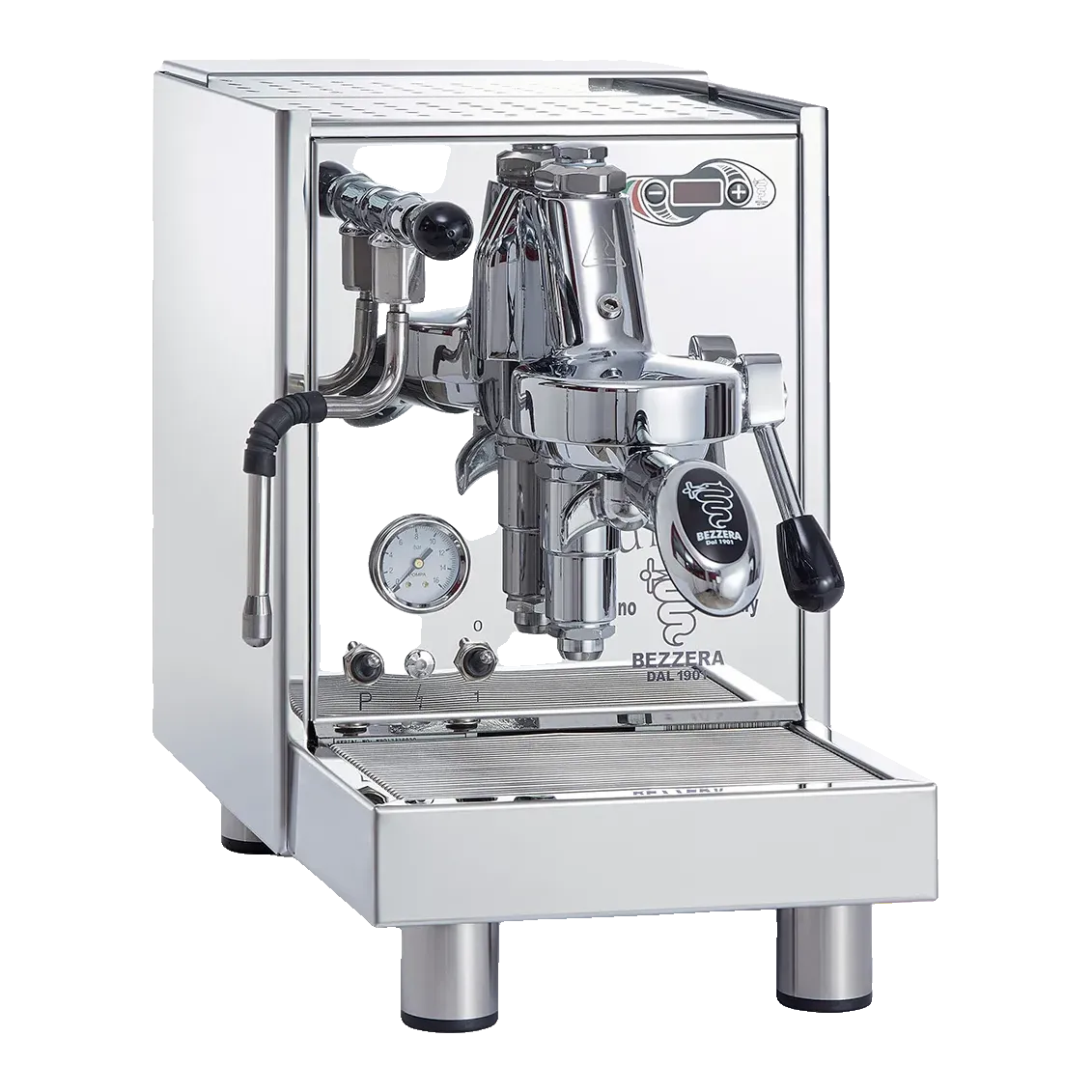
- 81Unica PIDBezzera · Single boilerUS$1,299–1,399
- 82Brewtus IVExpobar · Dual boilerUS$1,100–1,400
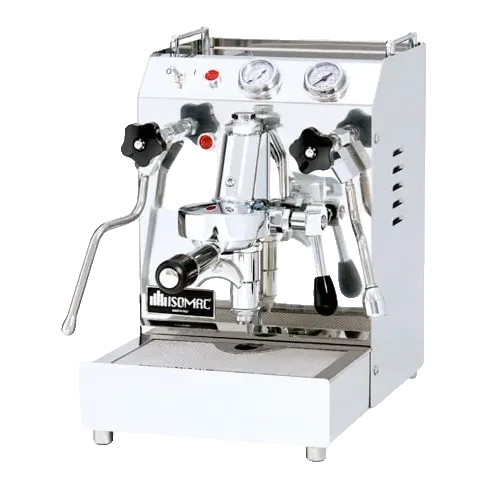
- 83Tea (Tea Due)Isomac · Heat exchangerUS$1,500–2,200
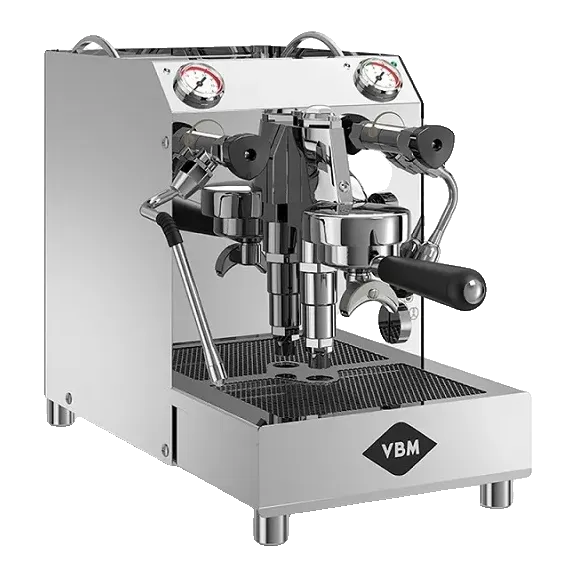
- 84VBM Domobar Super HXVBM (Vibiemme) · Heat exchangerUS$1,699–2,799
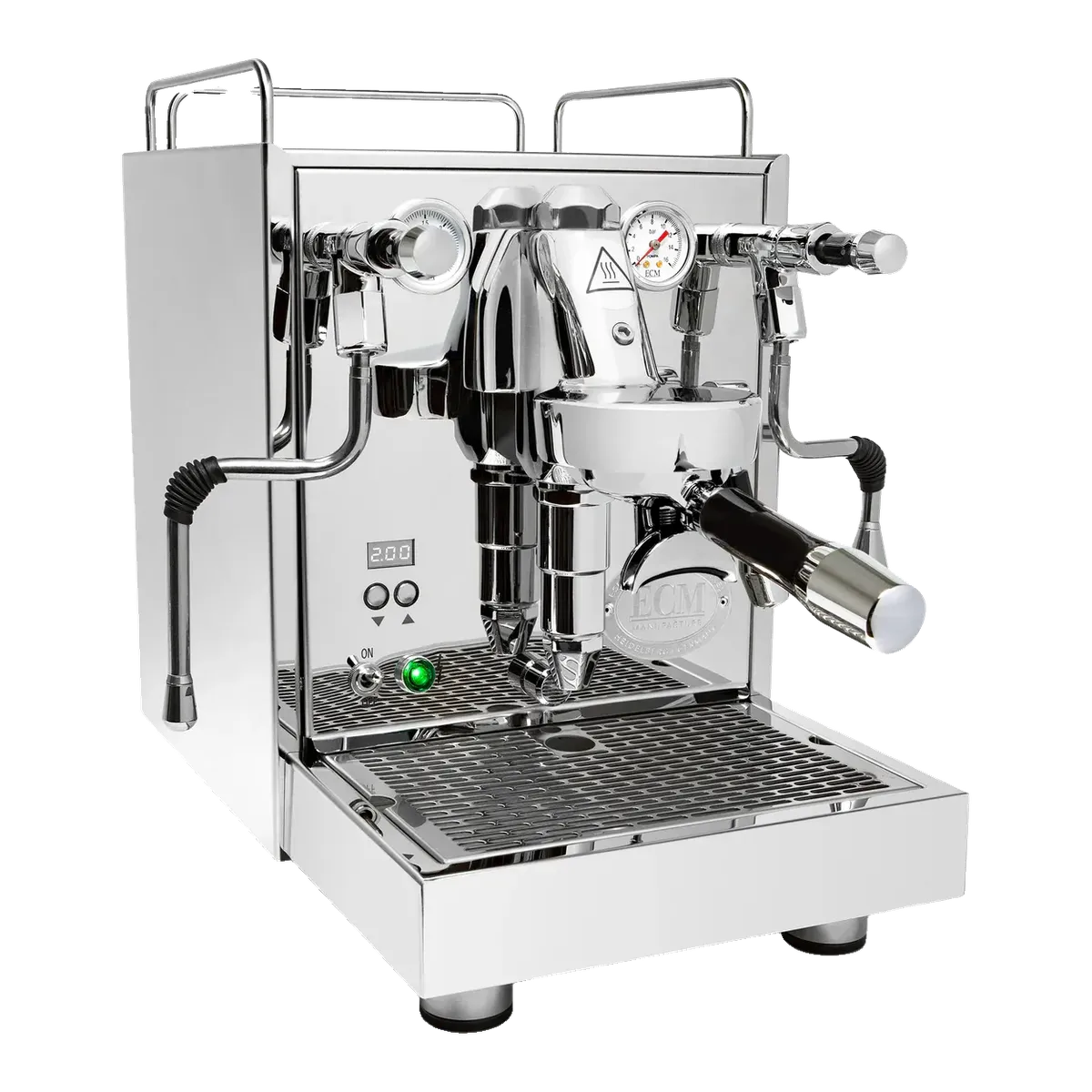
- 85Mechanika MAX IIECM · Heat exchangerCA$3,395–3,800
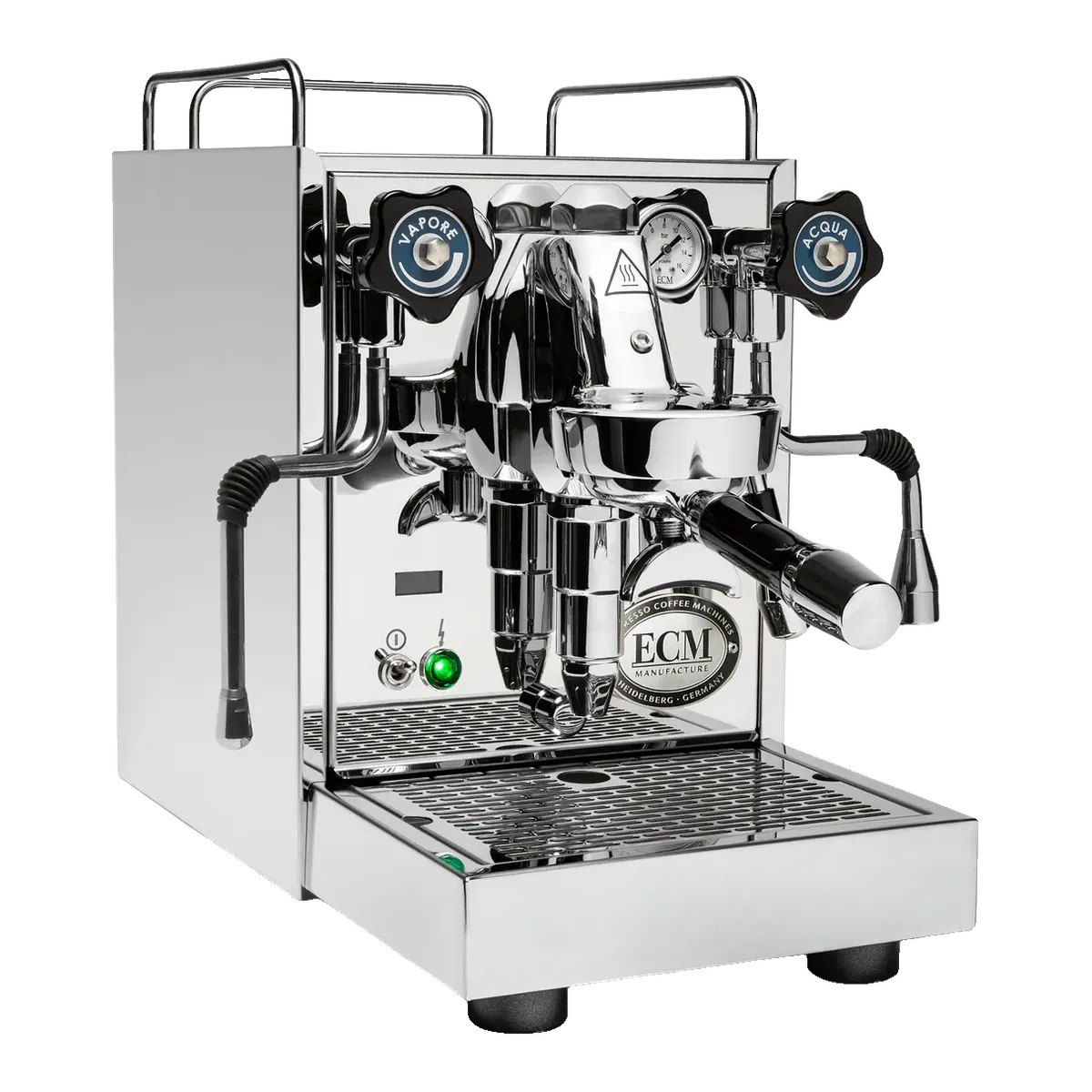
- 86Mechanika Slim PIDECM · Heat exchangerCA$3,095–3,100
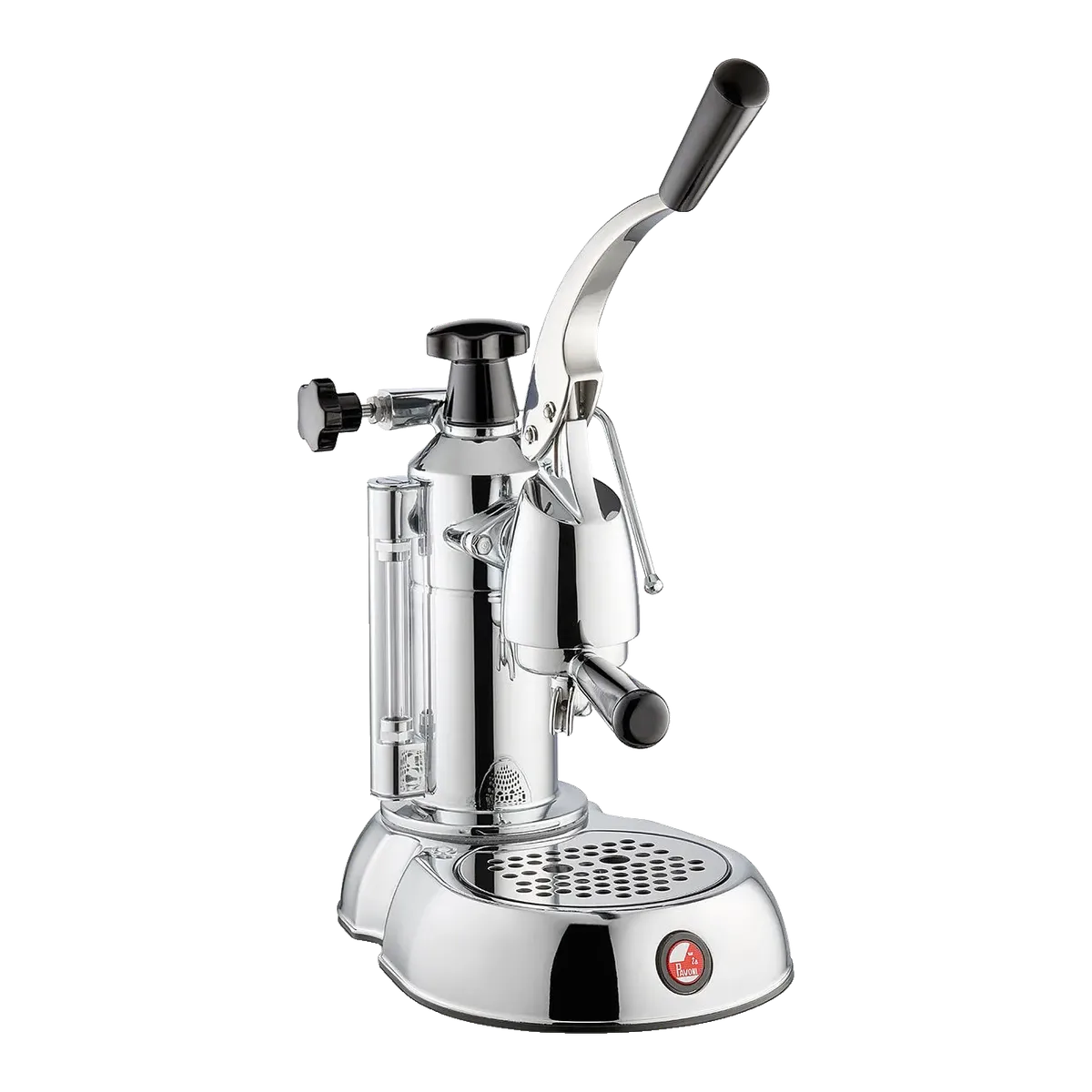
- 87Stradivari Professional LussoLa Pavoni · LeverUS$1,069–1,600
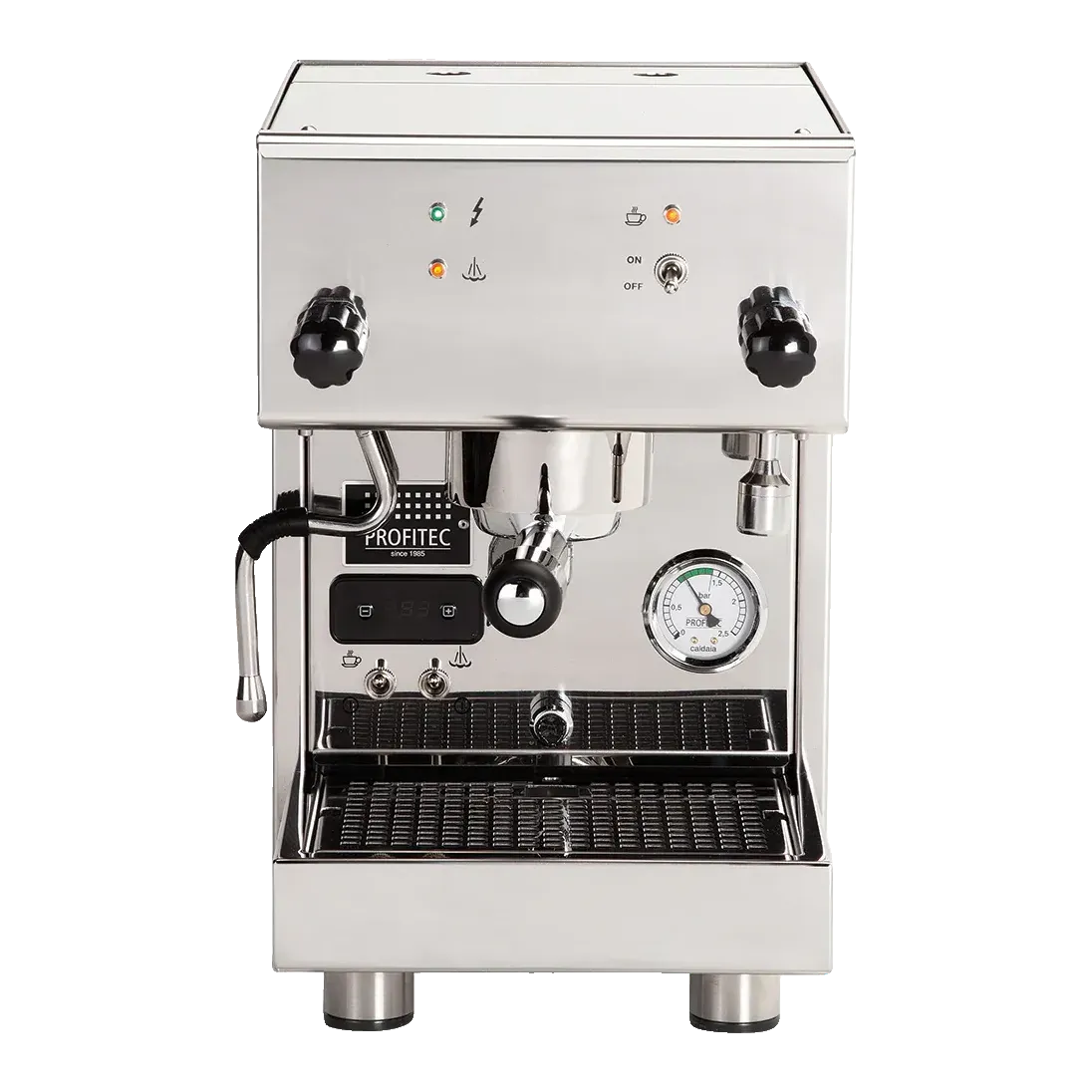
- 88Pro 300Profitec · Dual boilerCA$2,349–2,610
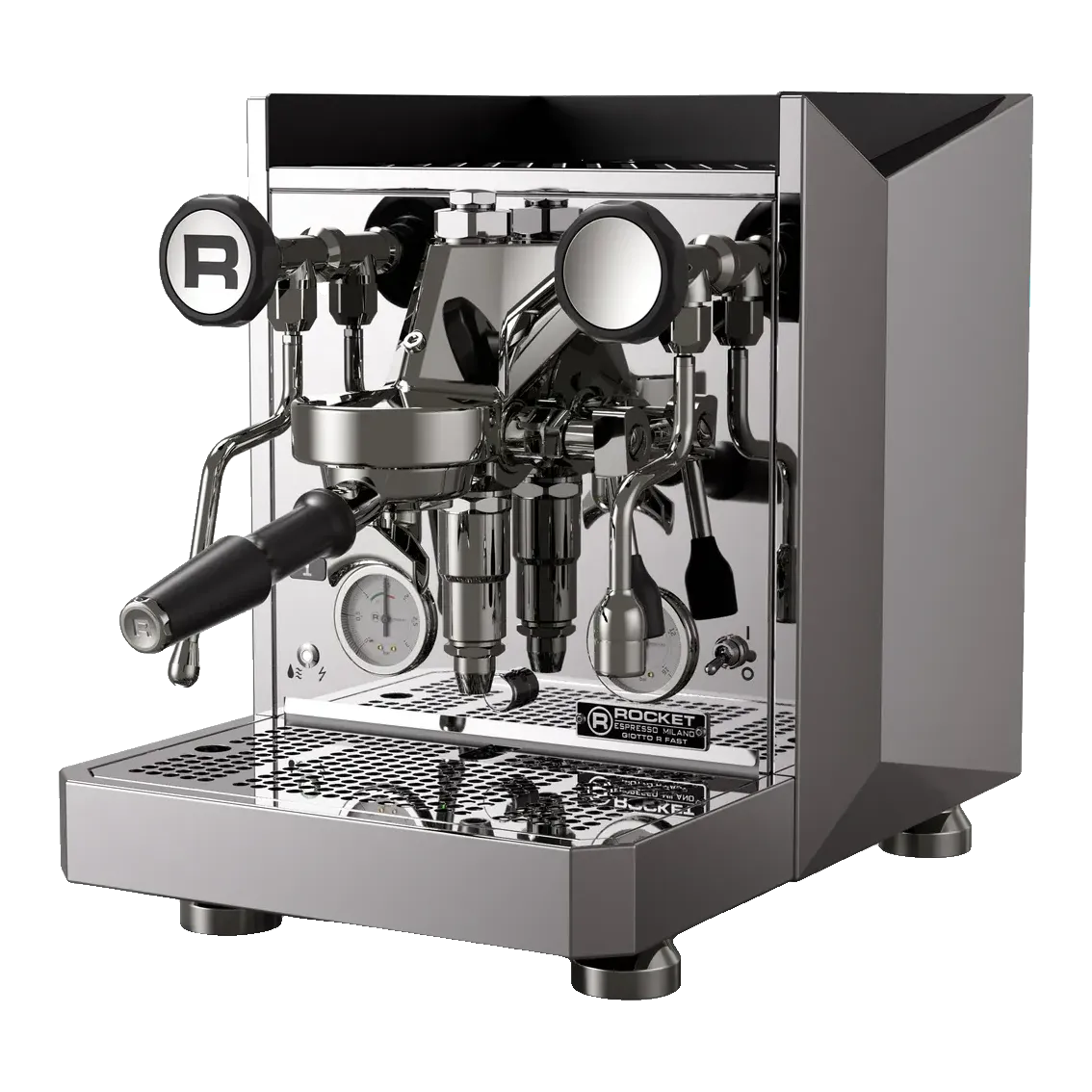
- 89Giotto FAST (2025)Rocket Espresso · Heat exchangerCA$4,595–4,995
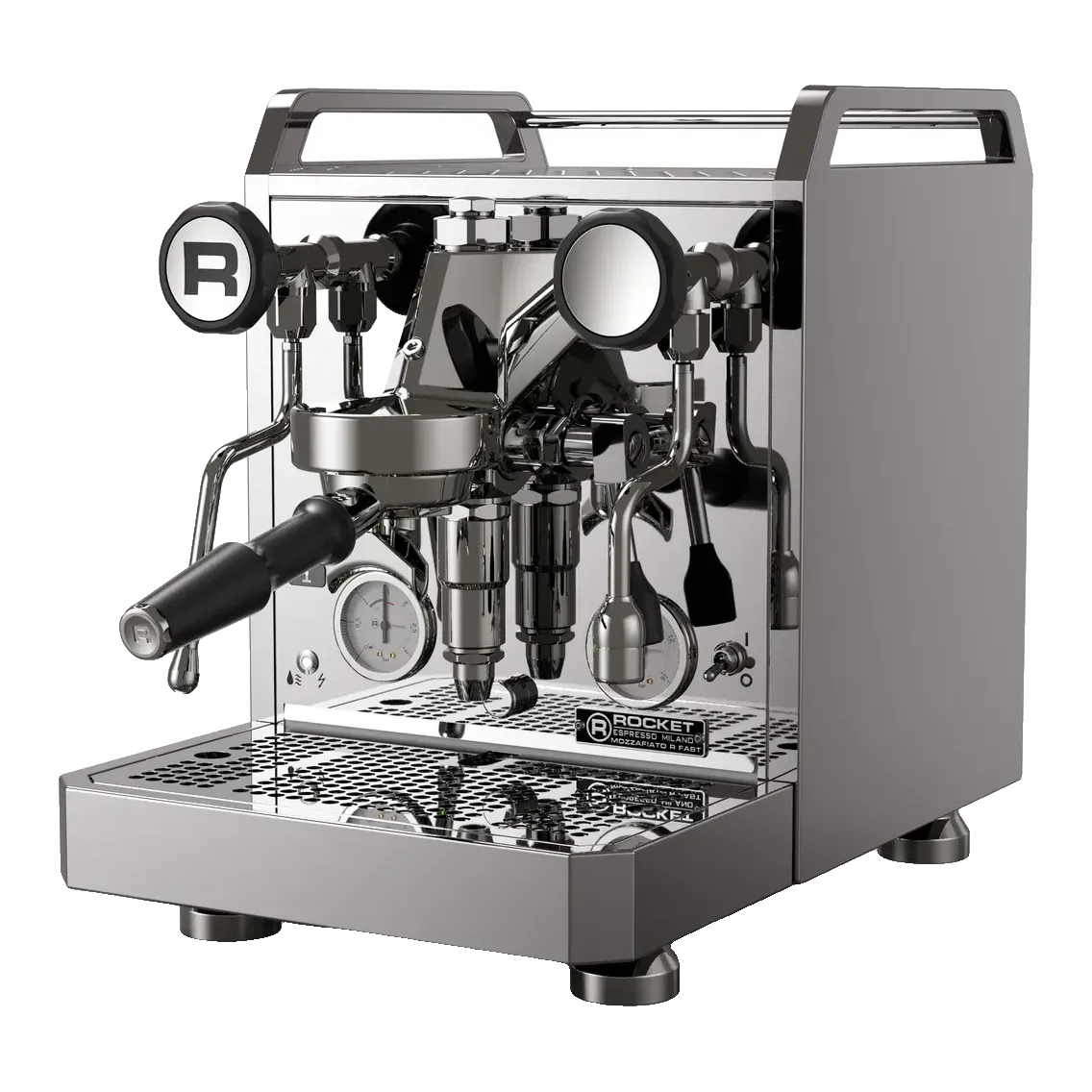
- 90Mozzafiato FAST (R)Rocket Espresso · Heat exchangerCA$3,565–3,700
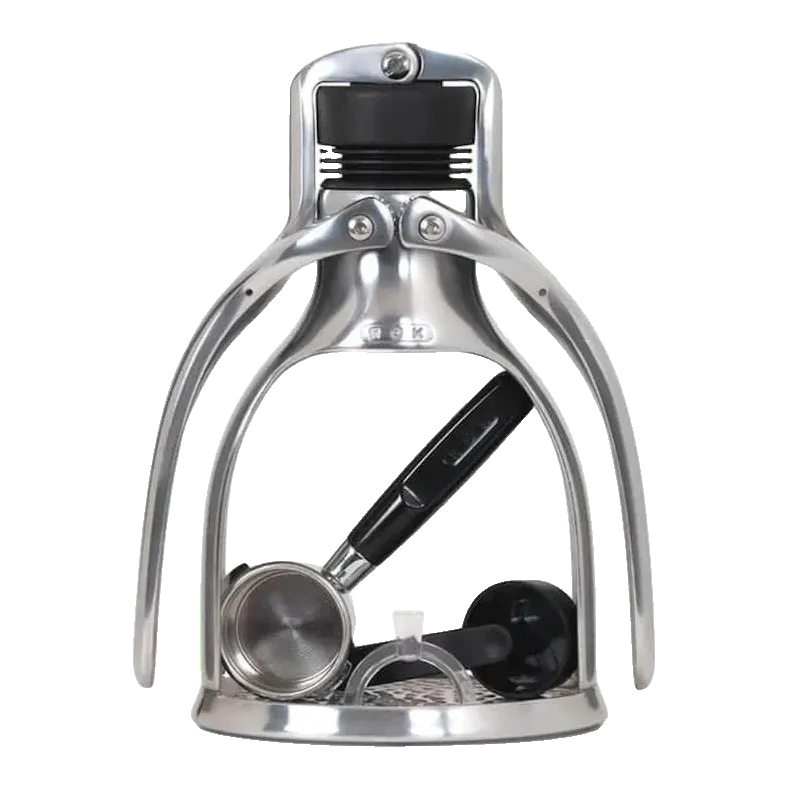
- 91EspressoGCROK · Espresso machineUS$229–299
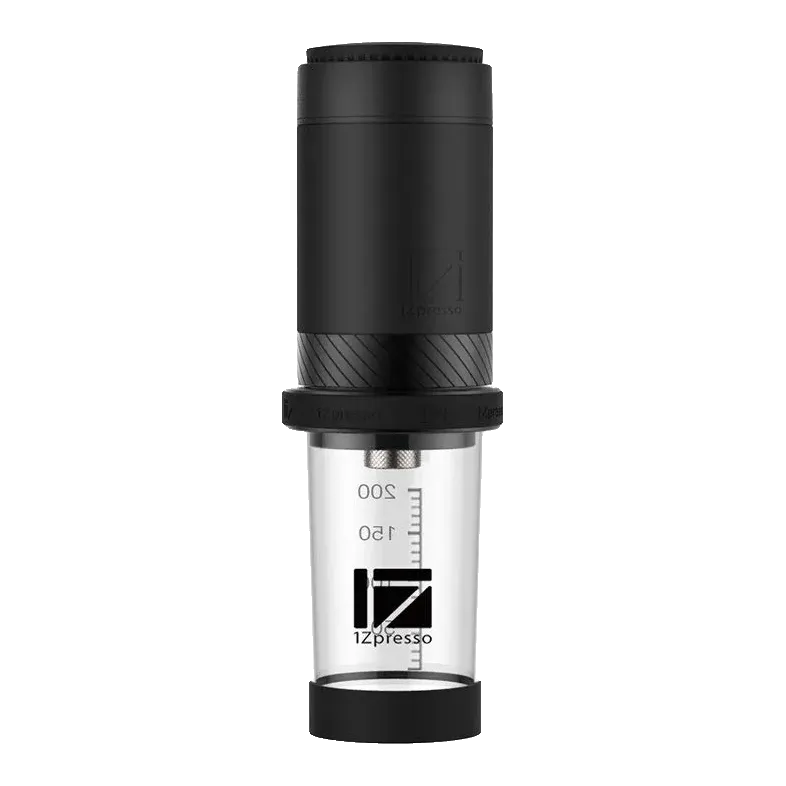
- 92Y31Zpresso · ManualCA$75–140
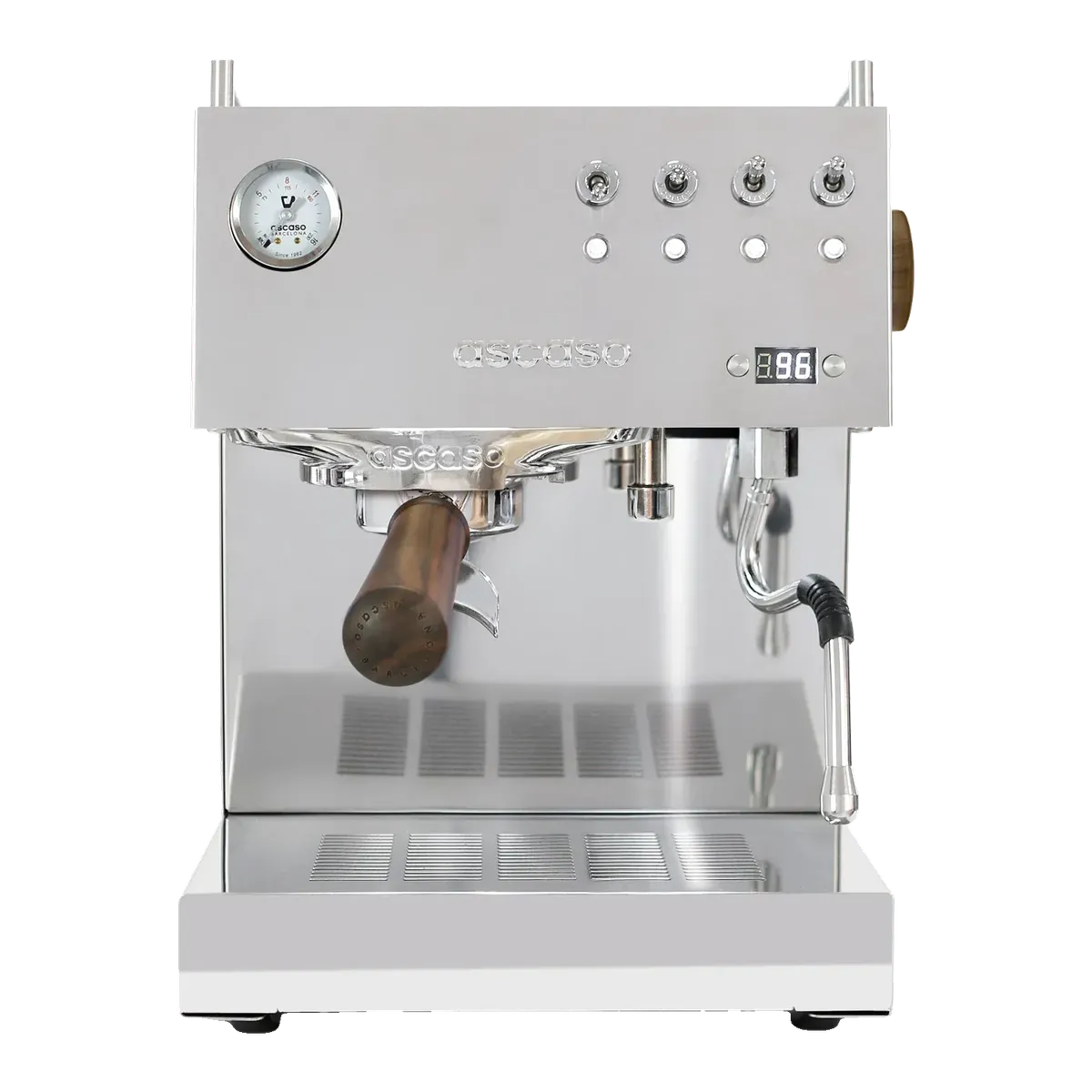
- 93Steel Duo PIDAscaso · ThermoblockCA$2,195–2,735
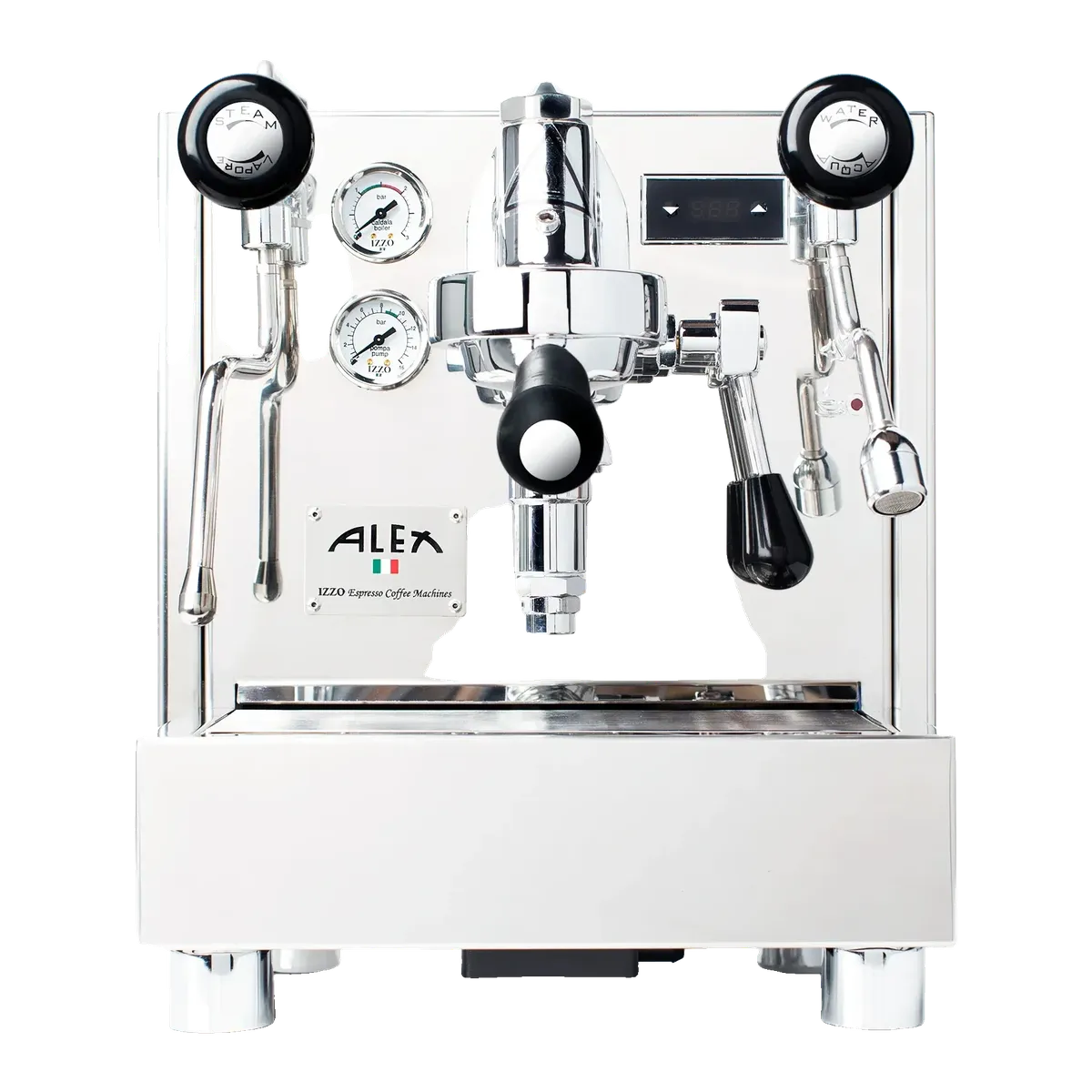
- 94Alex Duetto IV PlusIzzo · Dual boilerUS$2,799–2,950
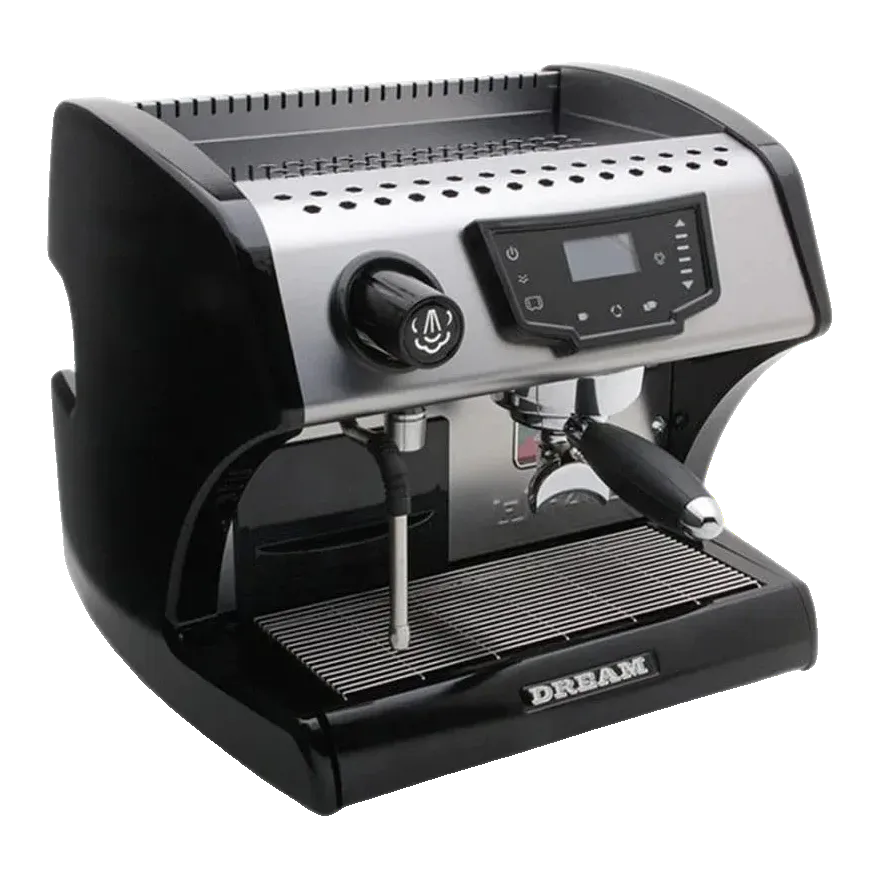
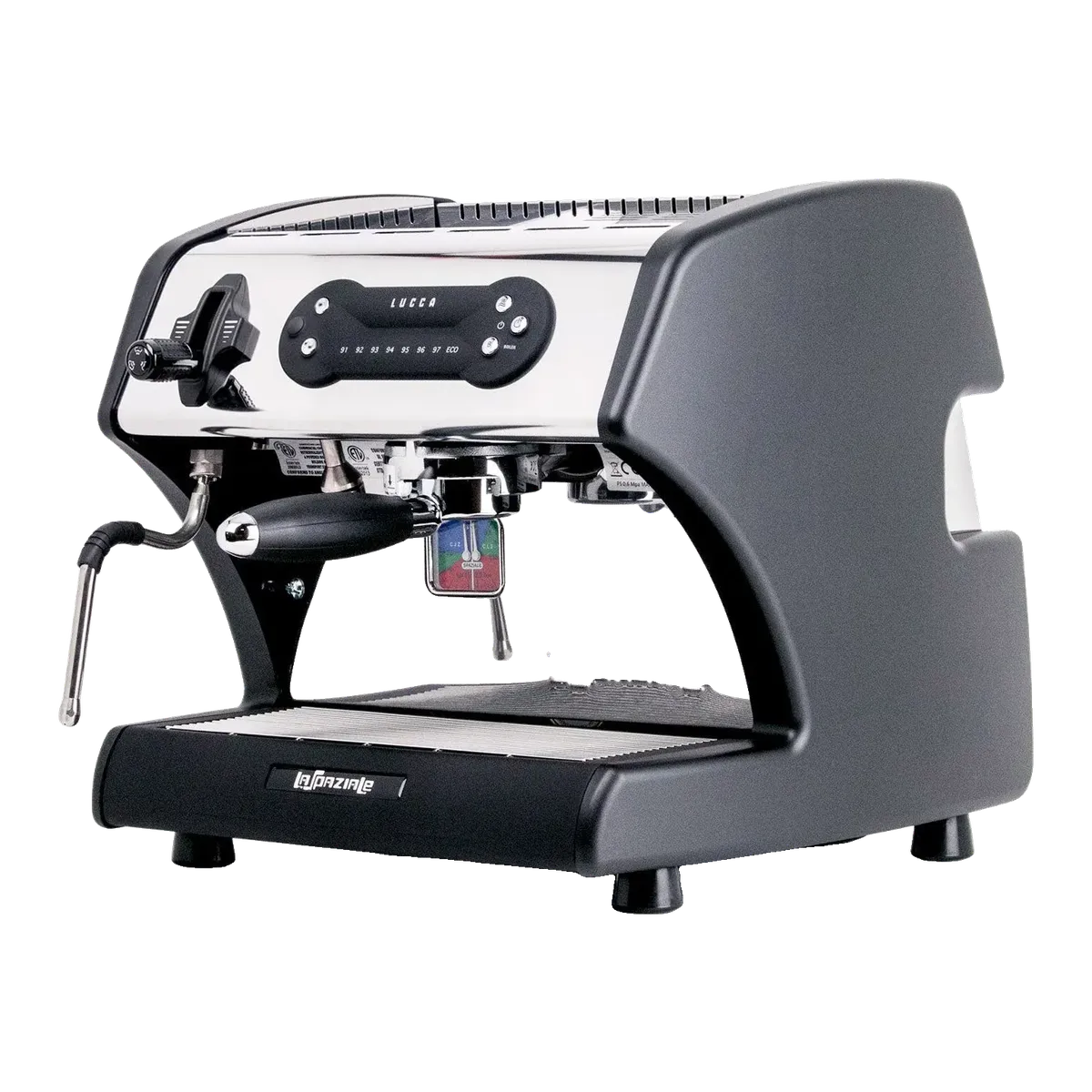
- 95S1 Dream TLa Spaziale · Dual boilerUS$1,999–2,299
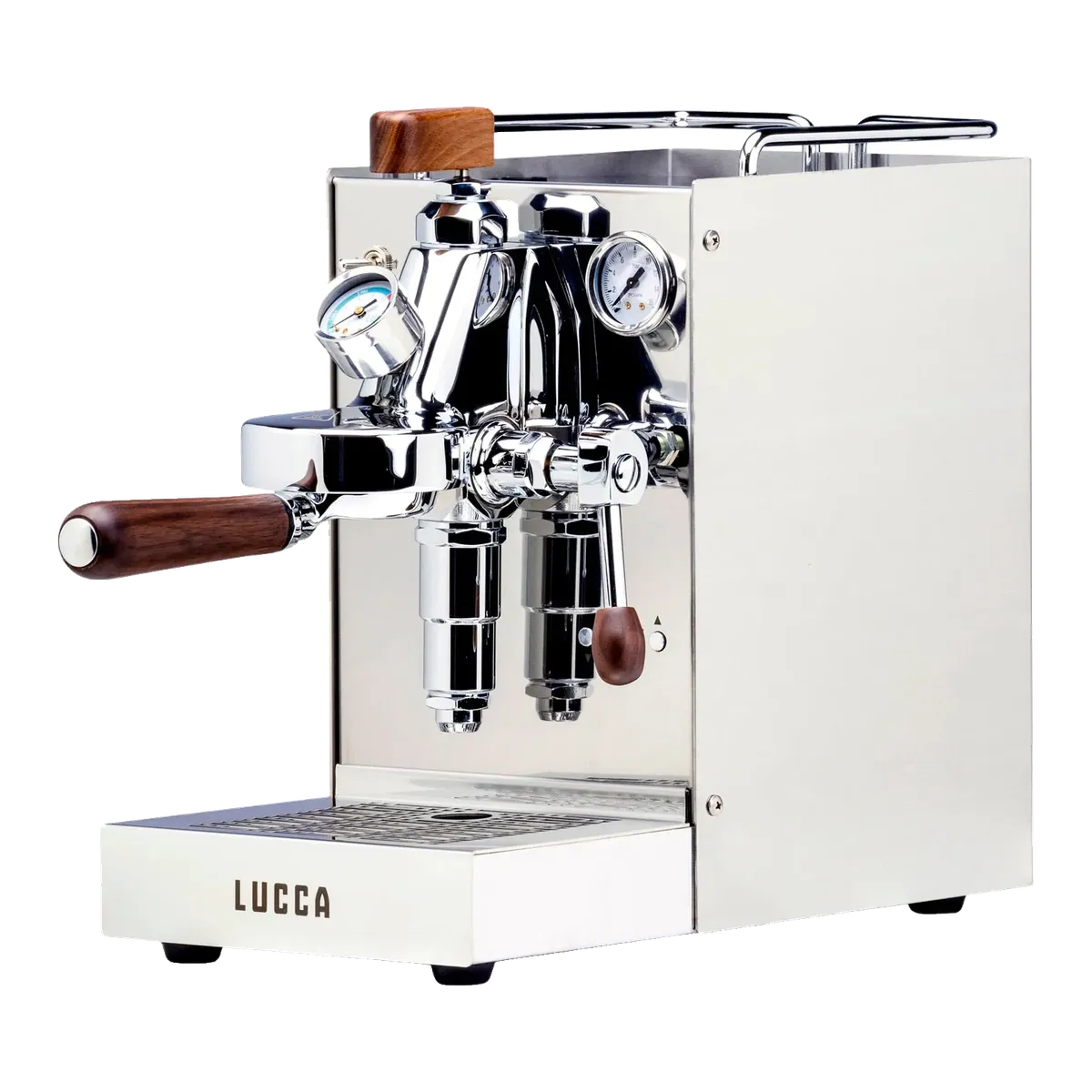
- 96Solo with Flow ControlLUCCA · Single boilerUS$1,495
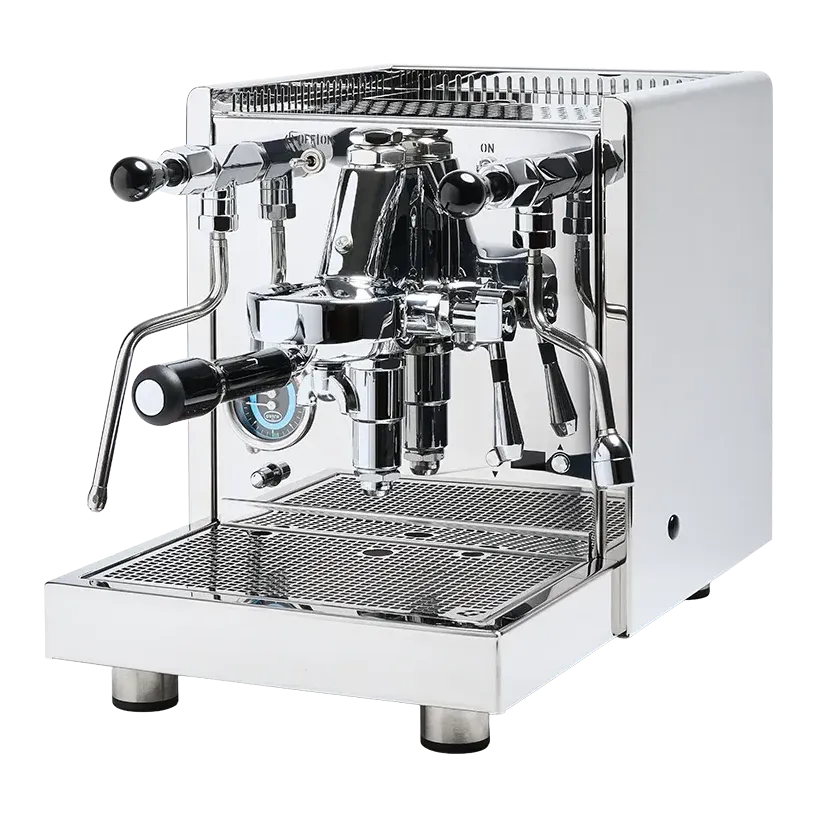
- 97AquilaQuick Mill · Heat exchangerUS$1,499
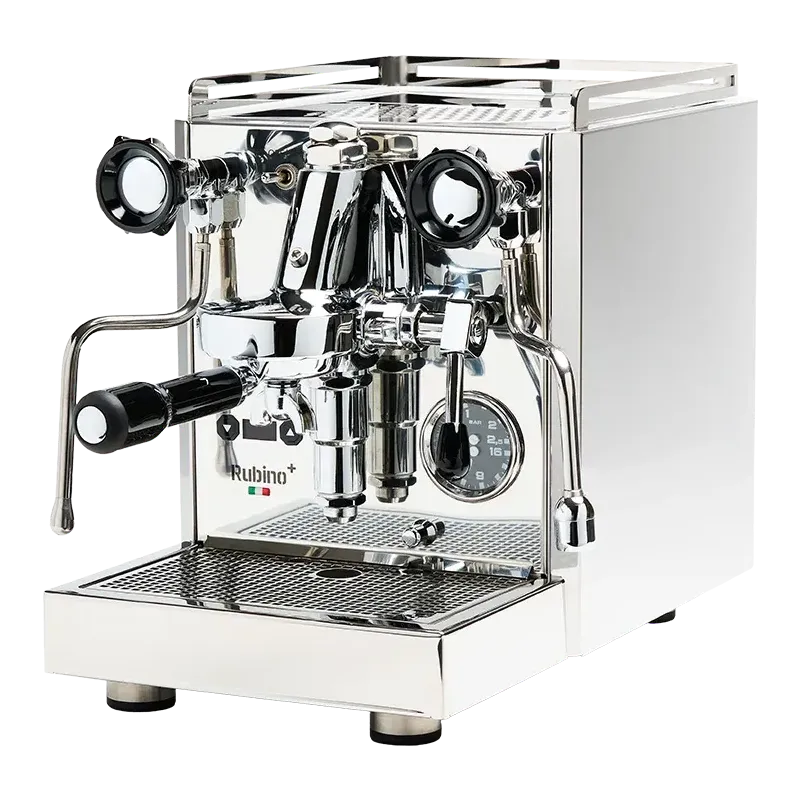
- 98Rubino Plus (0981P)Quick Mill · Heat exchangerUS$2,699–2,990
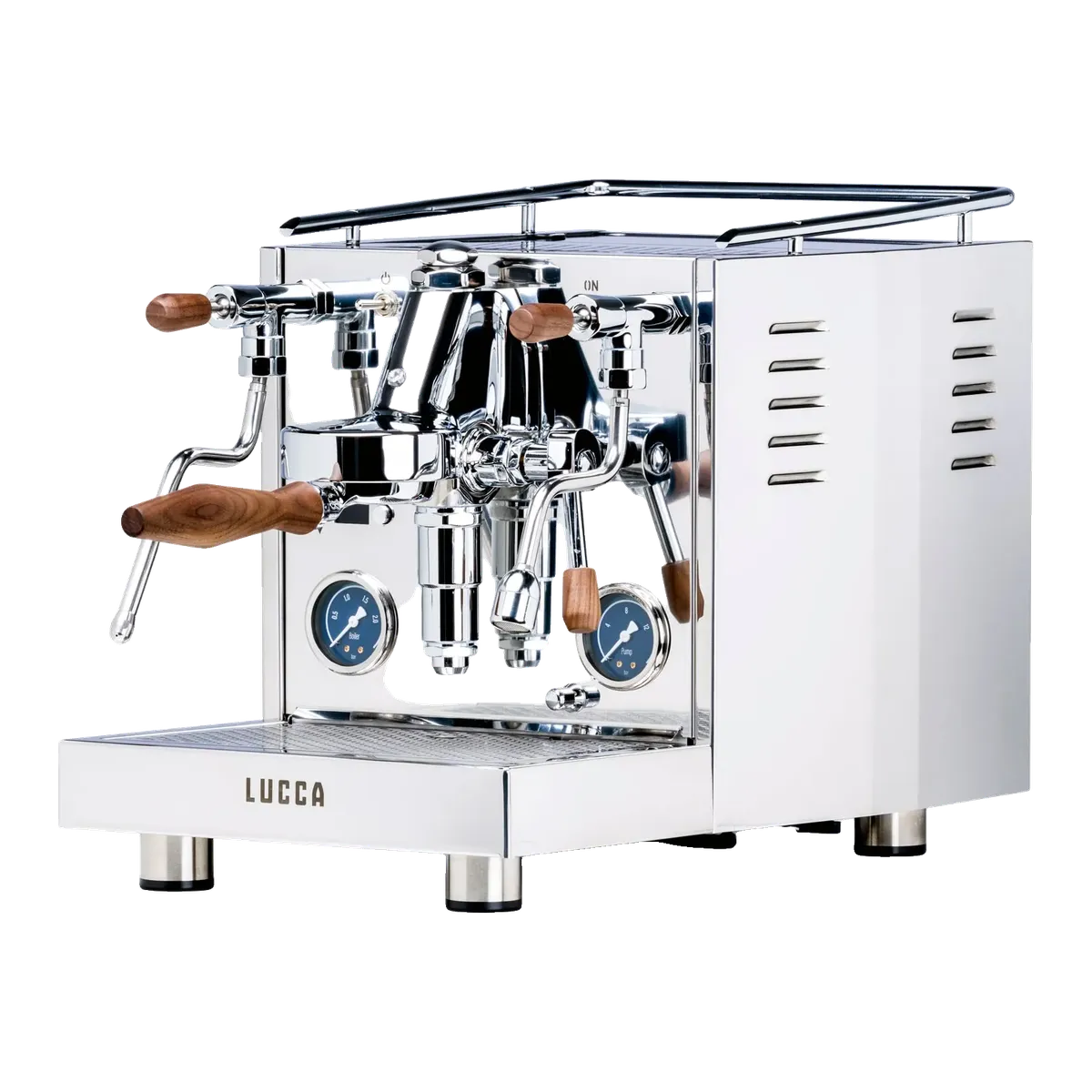
- 99M58 SuntoLUCCA · Dual boilerUS$3,195–3,295
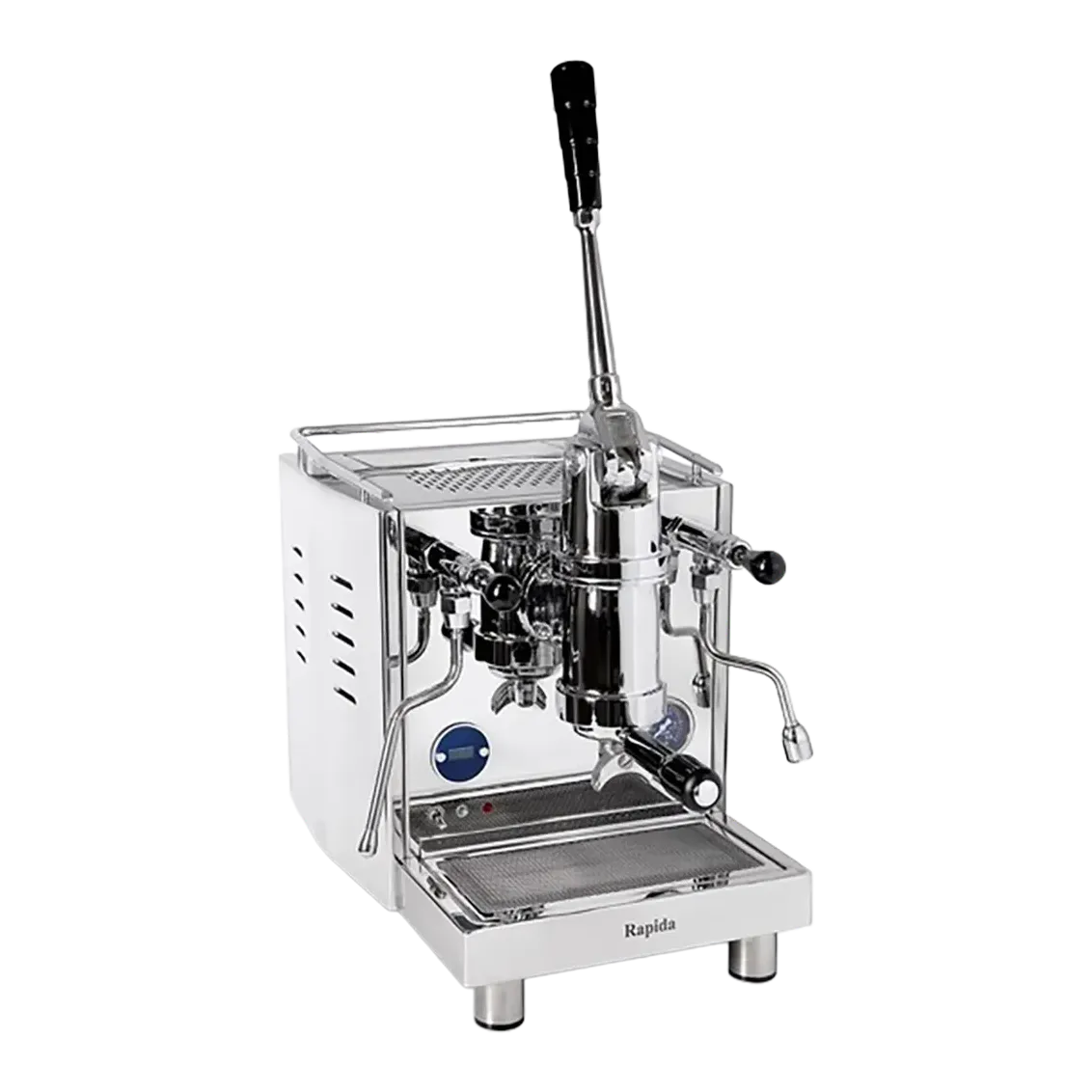
- 100RapidaQuick Mill · Heat exchangerUS$1,900–2,200
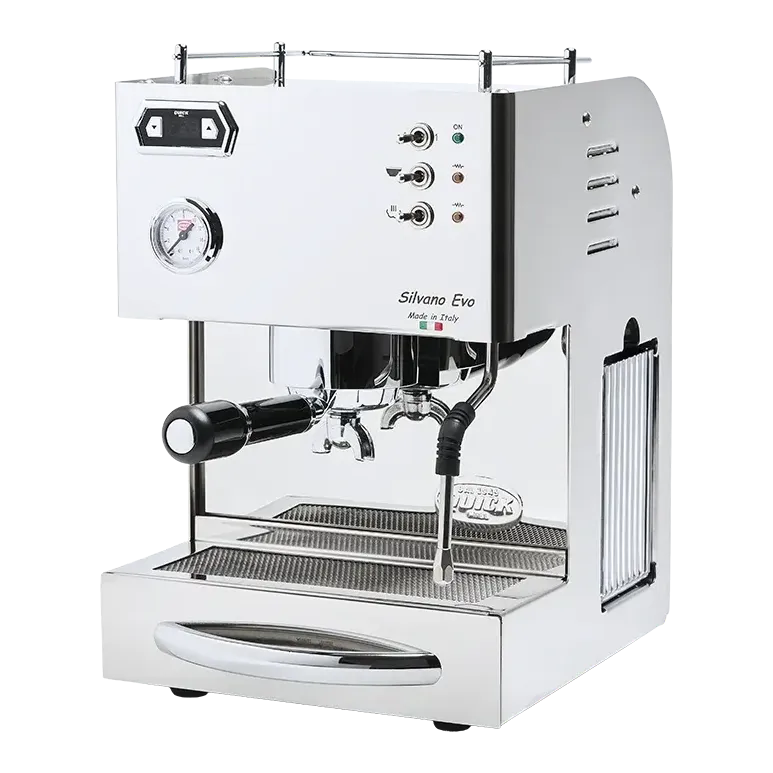
- 101Silvano EvoQuick Mill · Single boilerUS$1,095–1,275
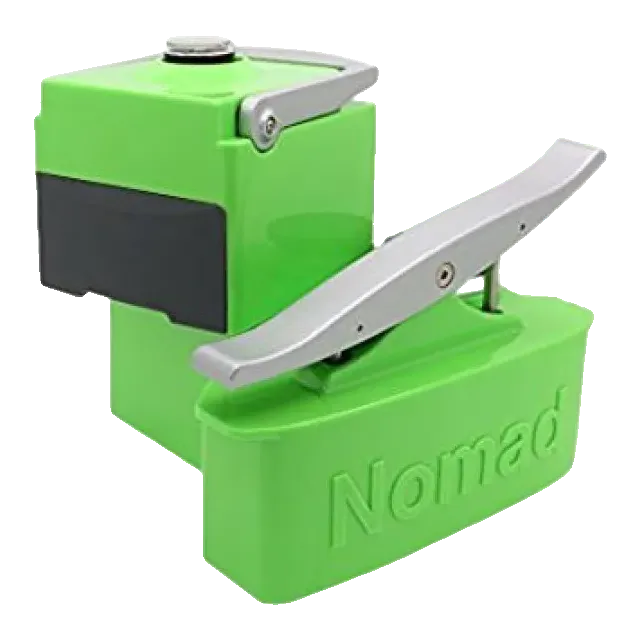
- 102NomadUniterra · ManualUS$245–295
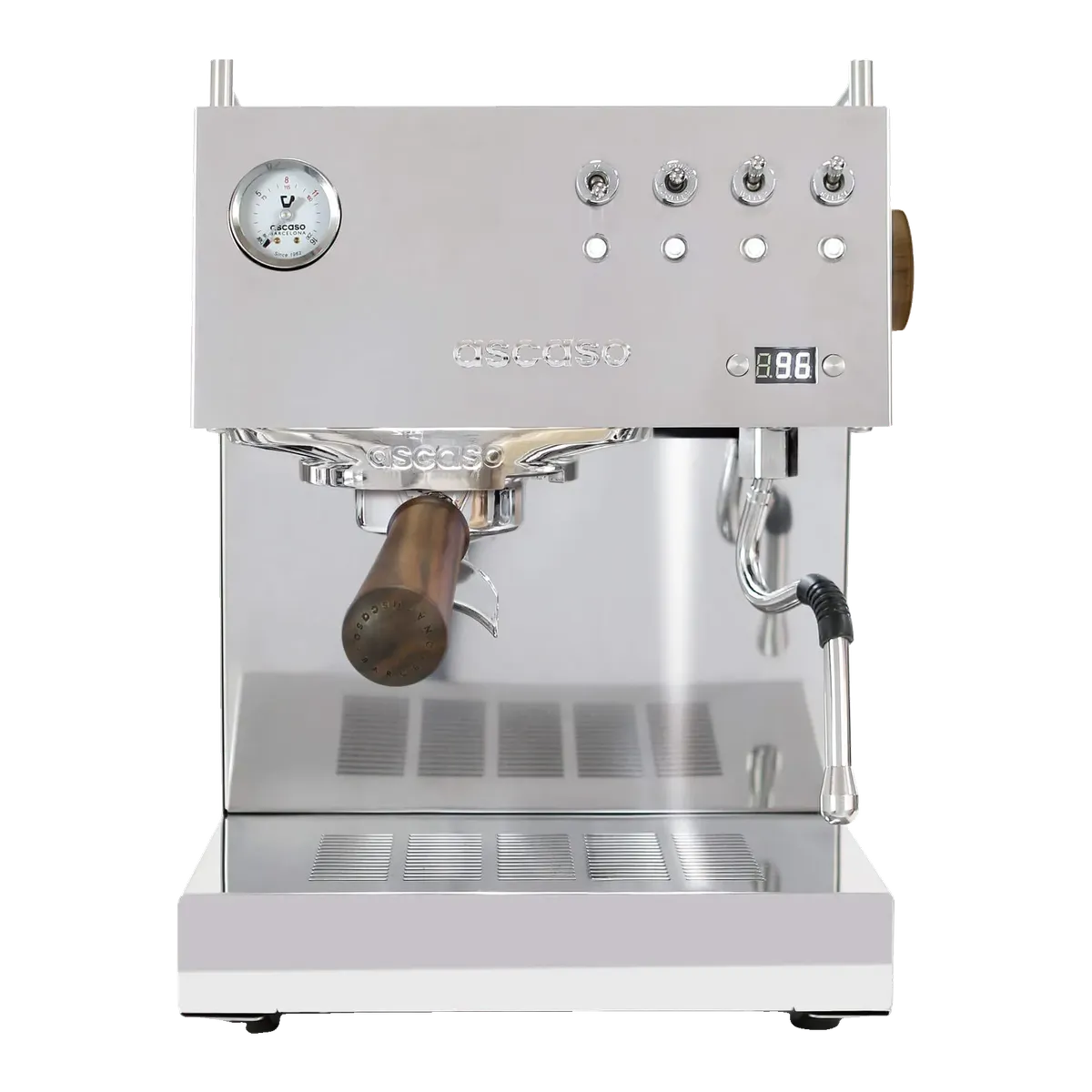
- 103Steel UNO PIDAscaso · Single boilerUS$1,435–1,785
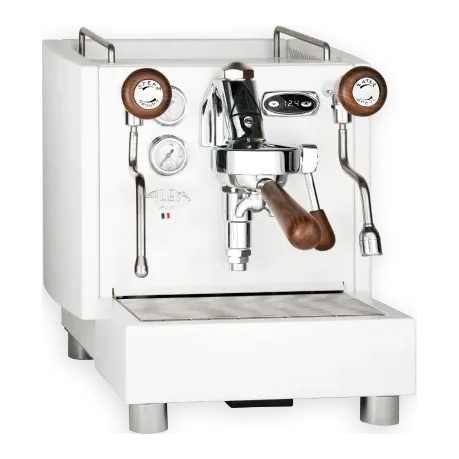
- 104Alex PIDIzzo · Heat exchanger—
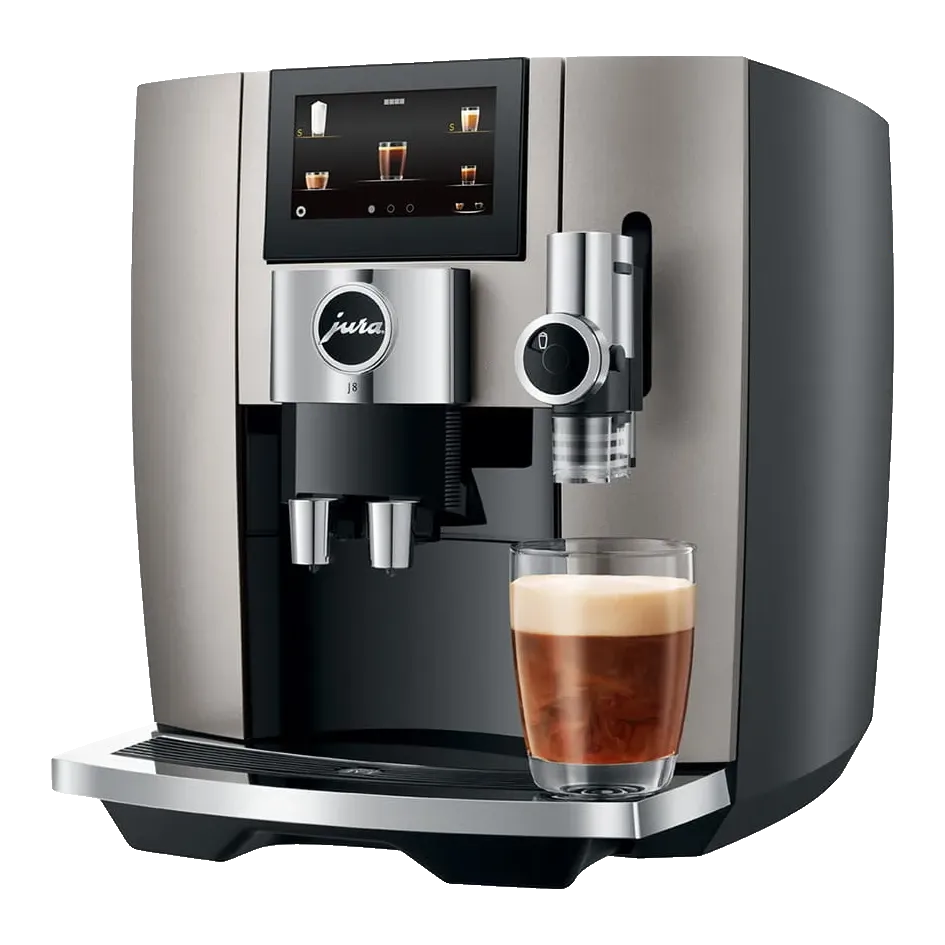
- 105J8Jura · Super-autoCA$3,050–3,695
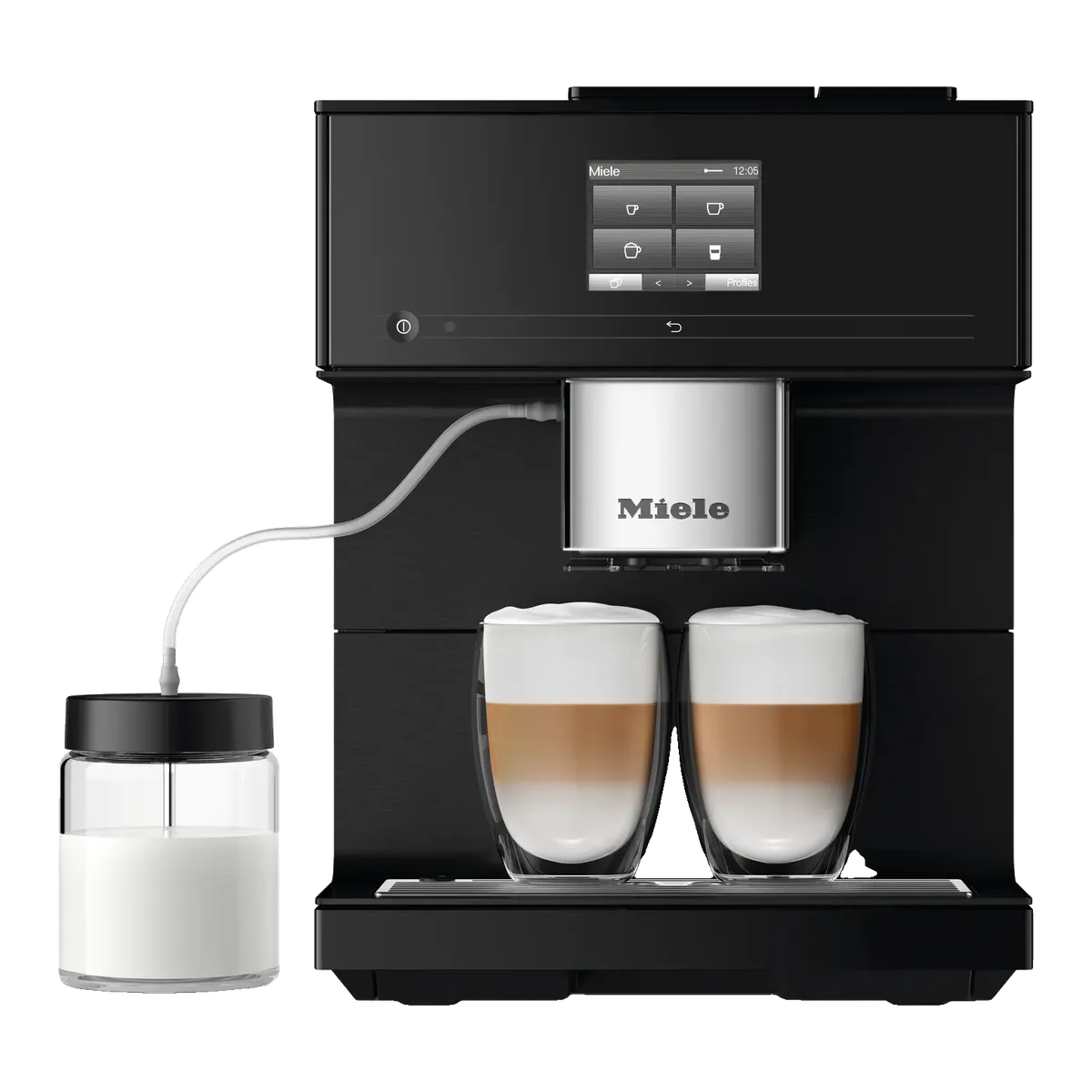
- 106CM7750 CoffeeSelectMiele · Super-autoCA$5,499–5,999
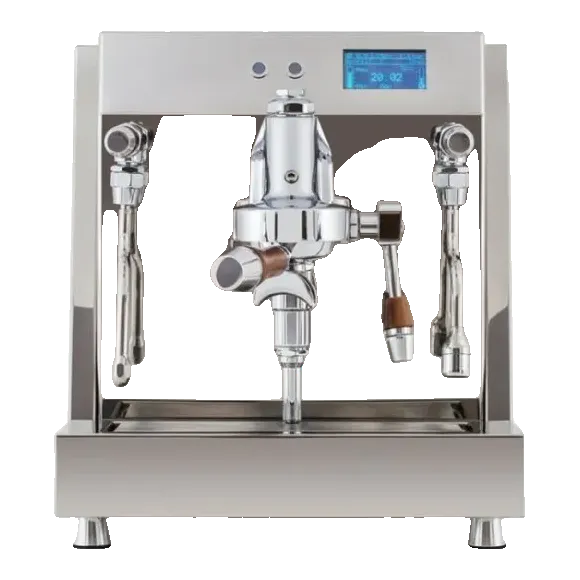
- 107VesuviusACS · Dual boilerUS$3,000–4,000
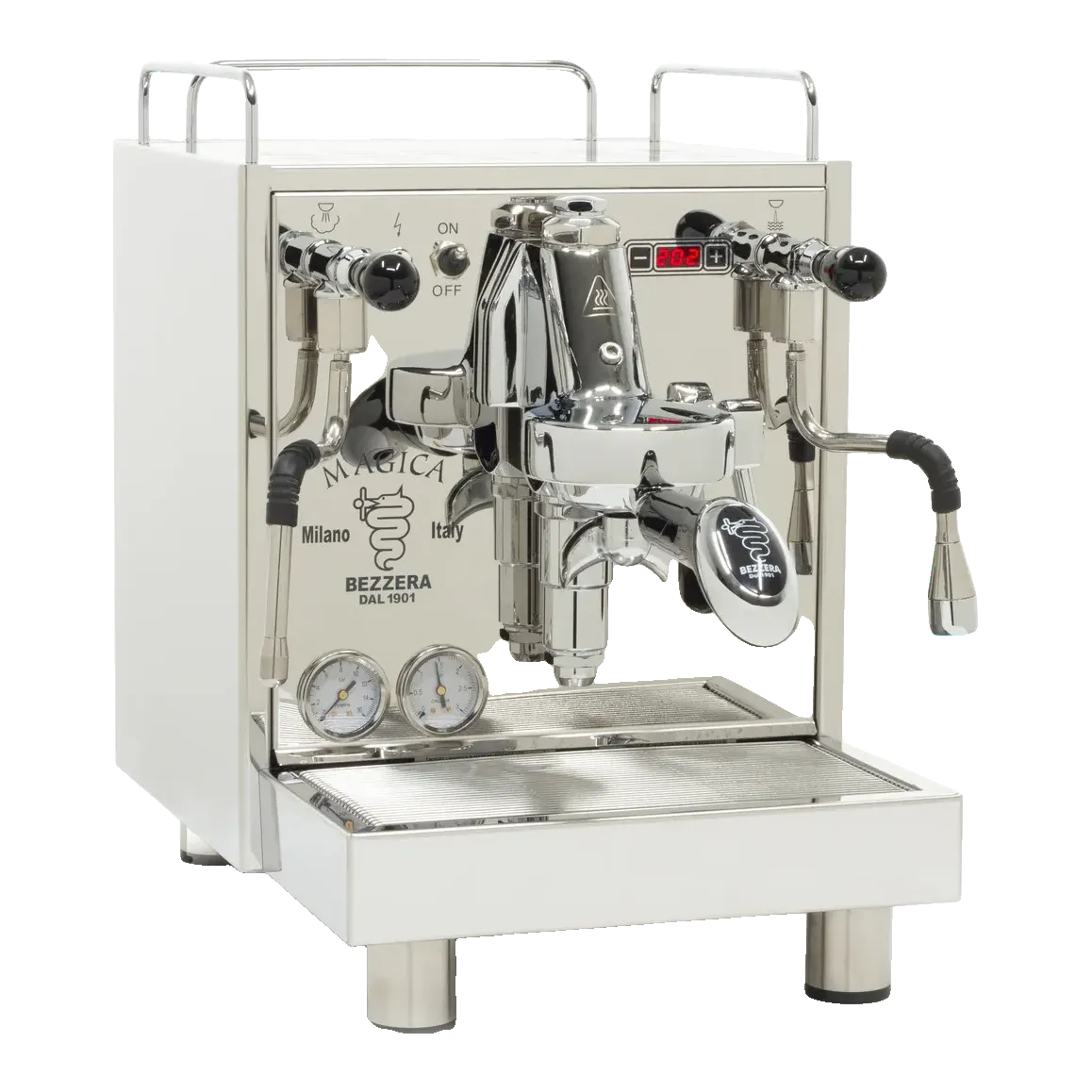
- 108Magica PIDBezzera · Heat exchangerCA$1,675–2,500
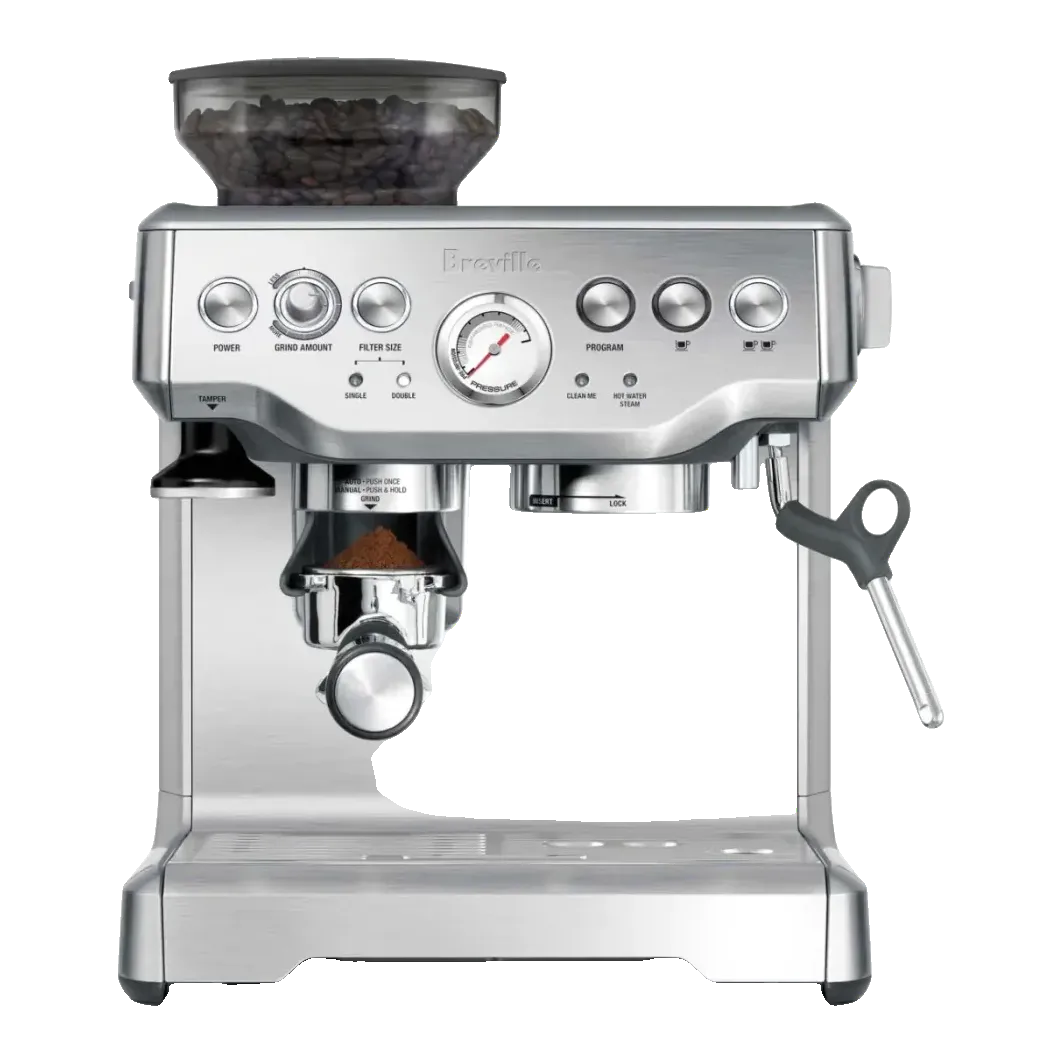
- 109Barista Express (BES870XL)Breville · ThermoblockCA$745–800
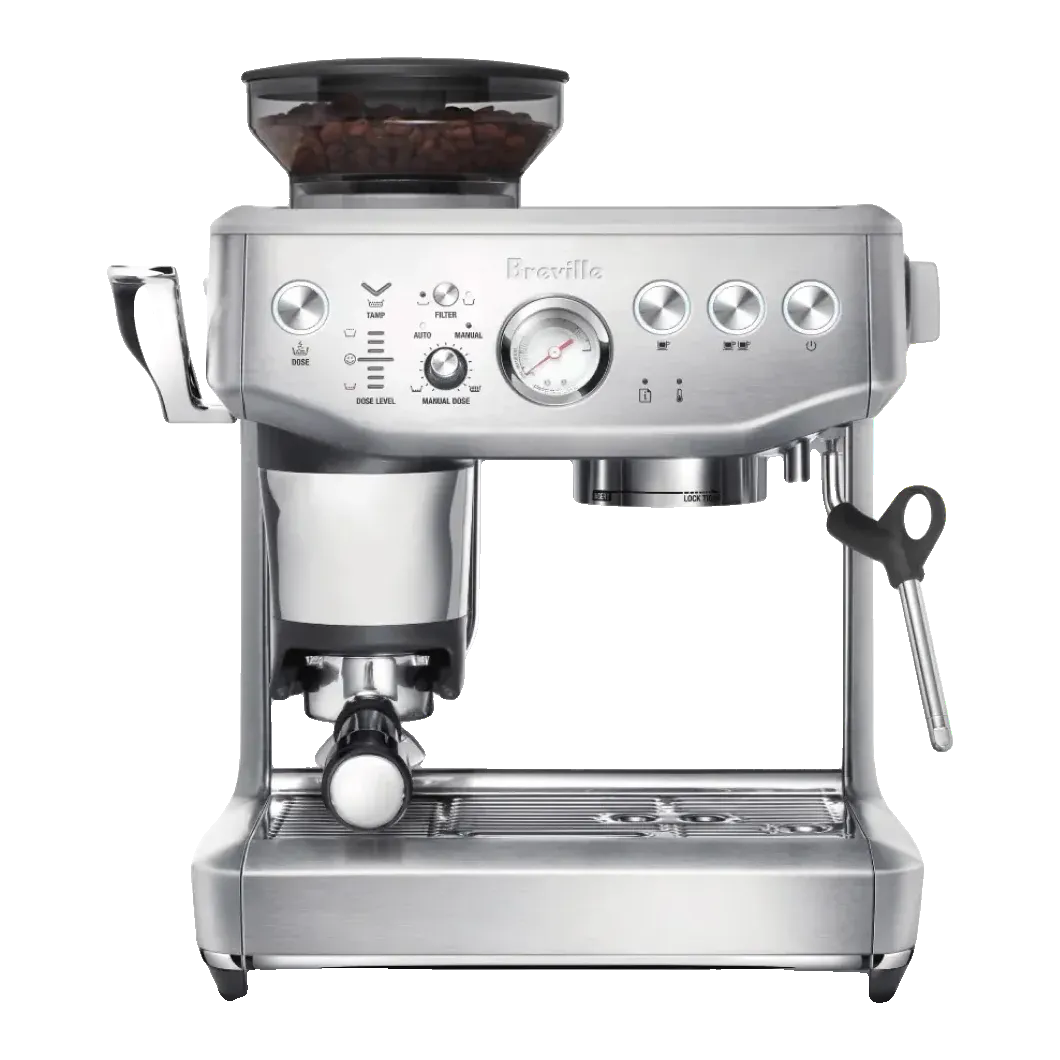
- 110Barista Express Impress (BES876)Breville · ThermoblockCA$1,115–1,150
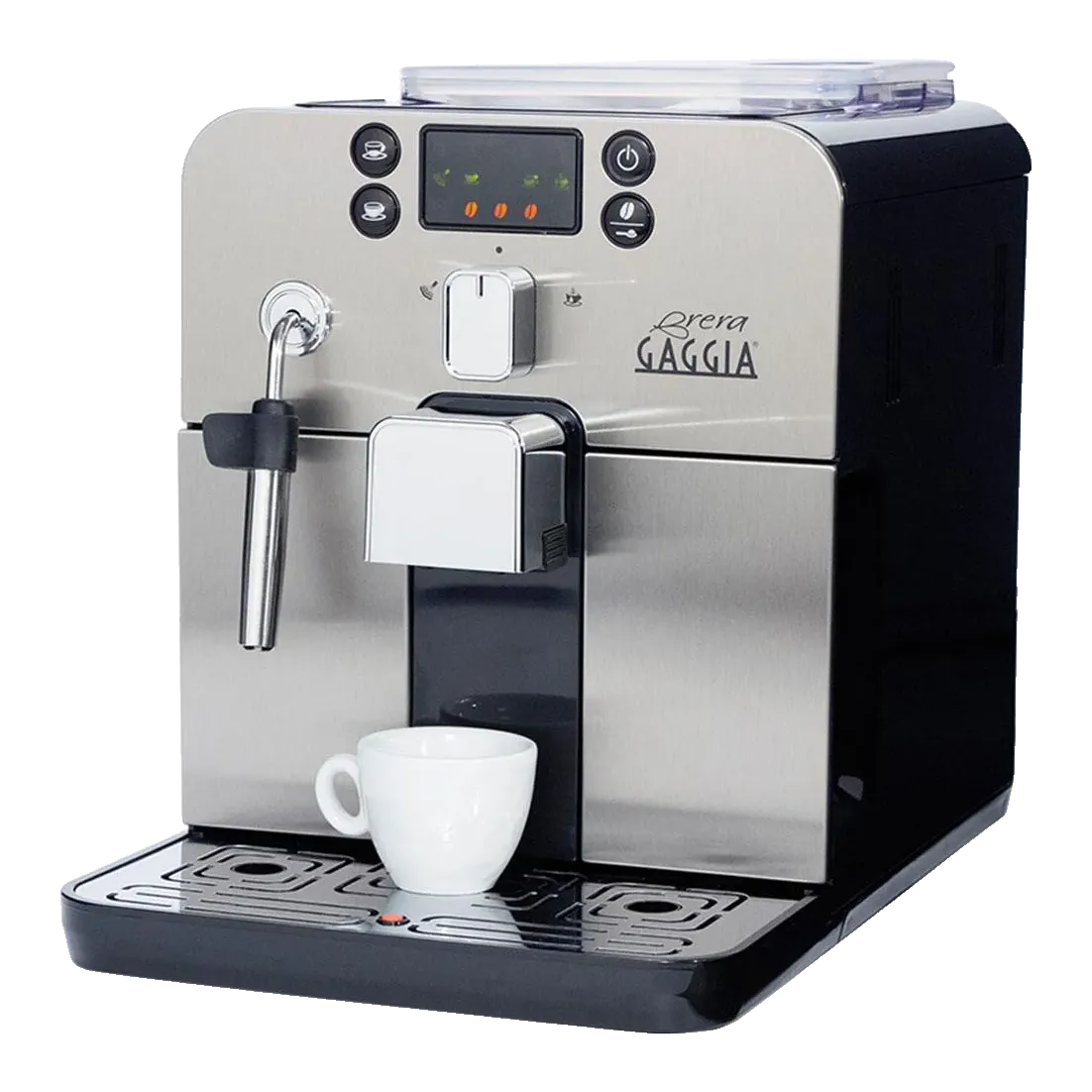
- 111BreraGaggia · Super-autoCA$645–1,020
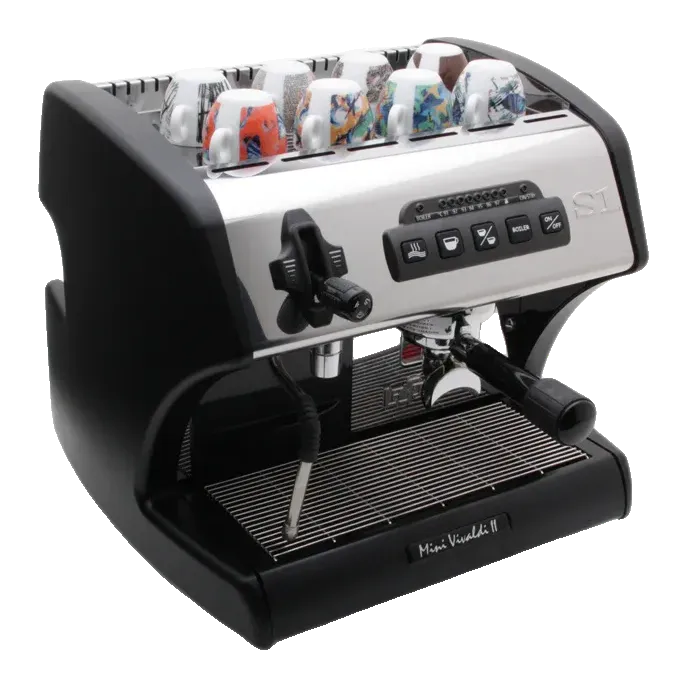
- 112S1 Mini Vivaldi IILa Spaziale · Dual boiler—
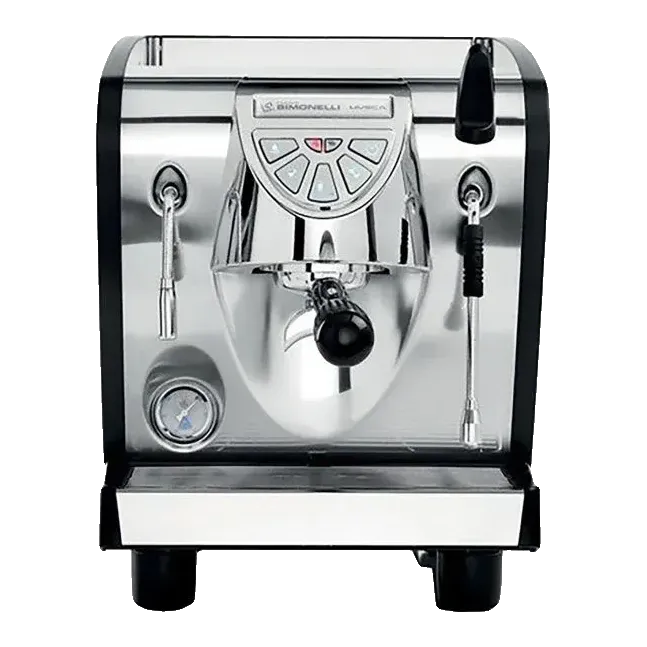
- 113MusicaNuova Simonelli · Heat exchangerUS$2,245–3,330
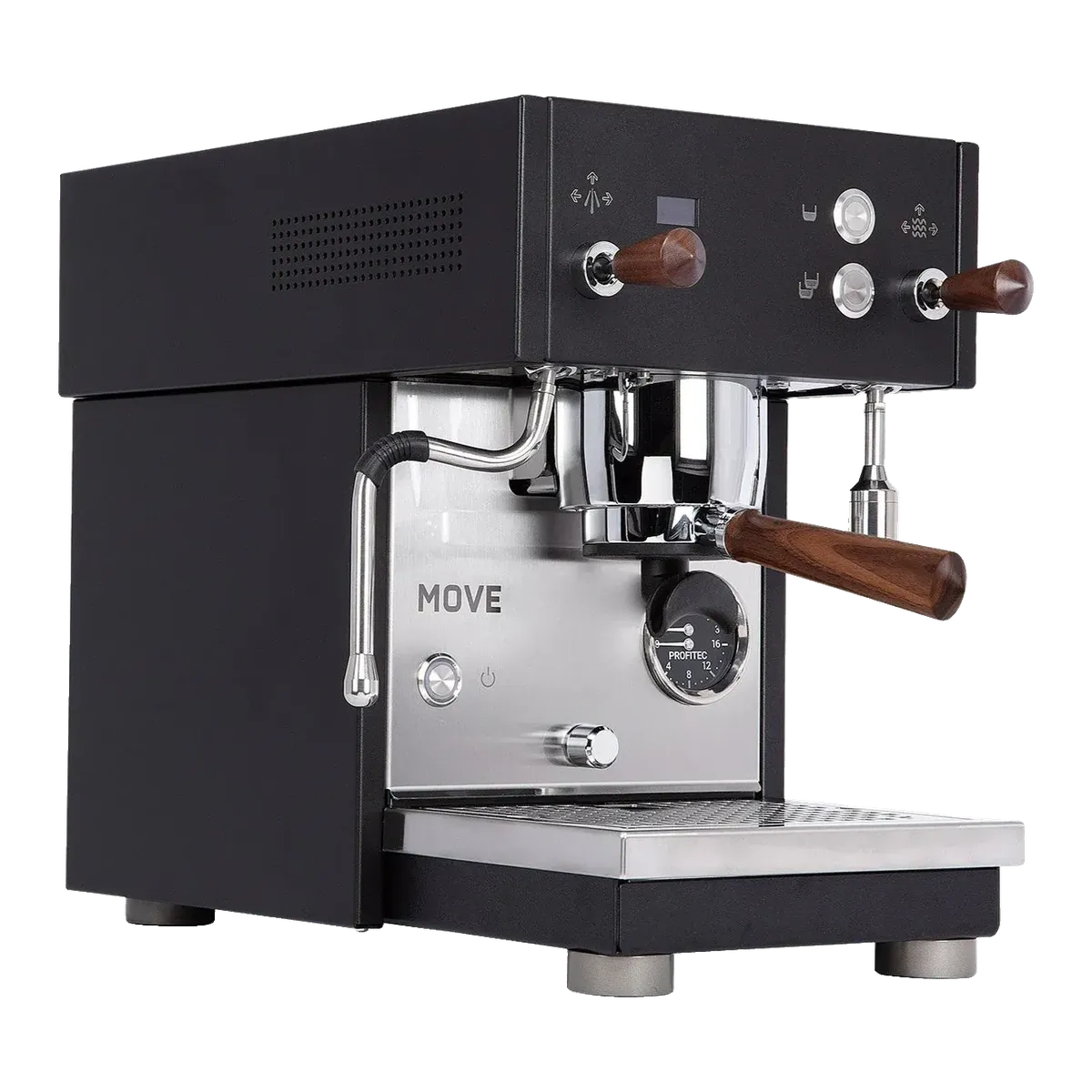
- 114MOVEProfitec · Dual boilerCA$2,795–3,150
- 115Orione 3000Quick Mill · ThermoblockCA$750–950
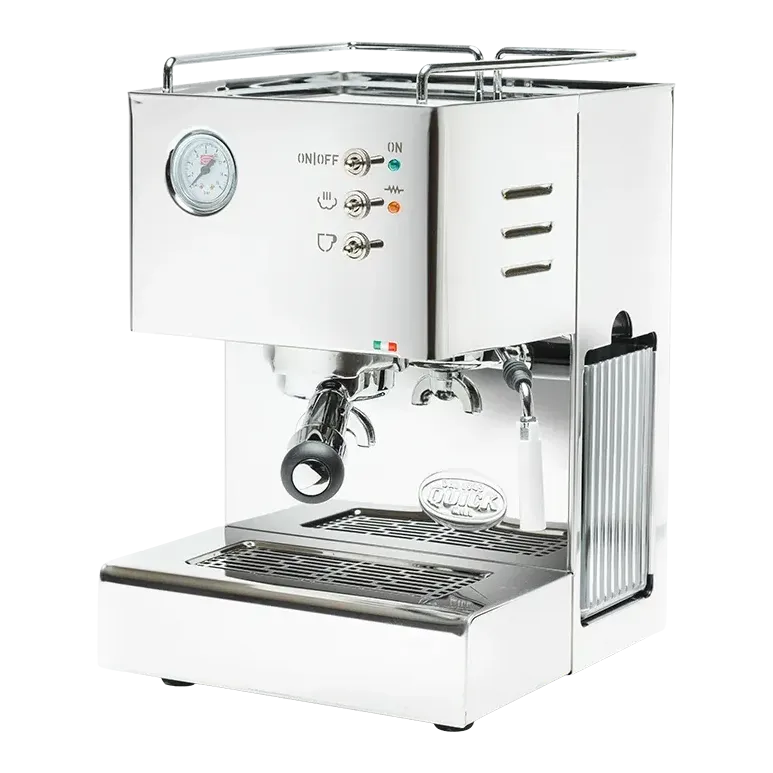
- 116Pippa (04100)Quick Mill · Single boiler—
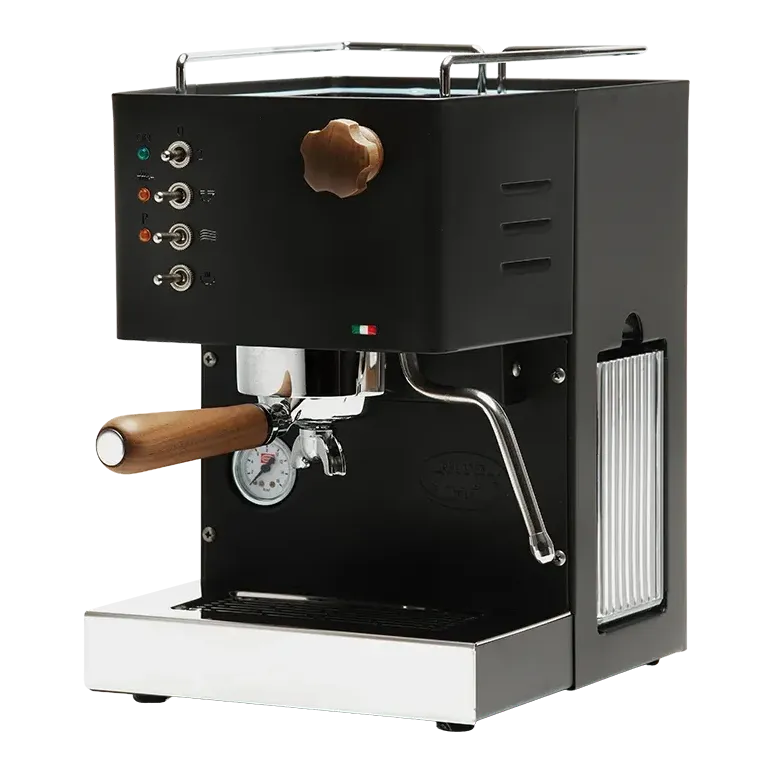
- 117A53 Direct PlumbLUCCA · Dual boilerUS$2,995
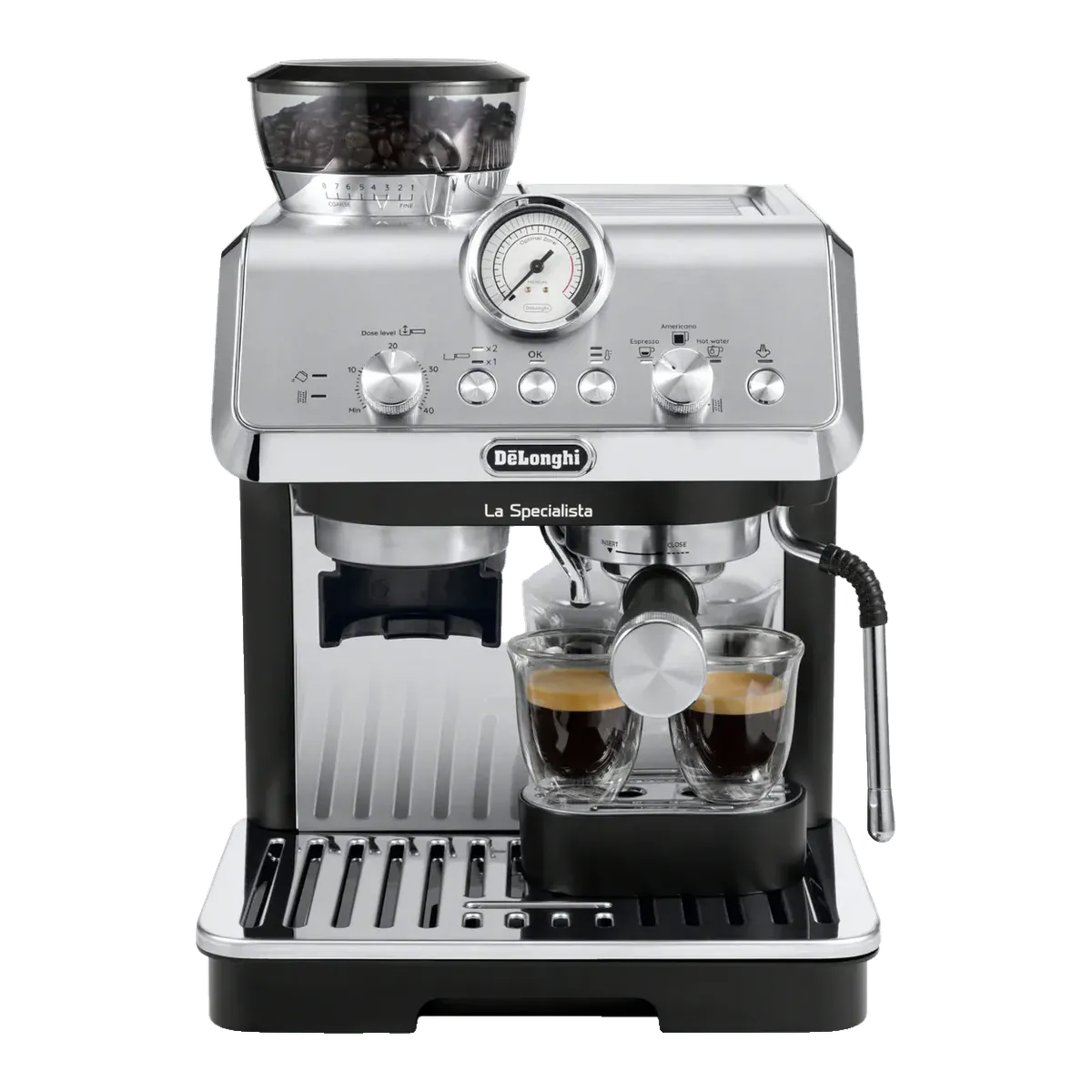
- 118La Specialista Arte (EC9155M)De'Longhi · ThermoblockCA$565–855
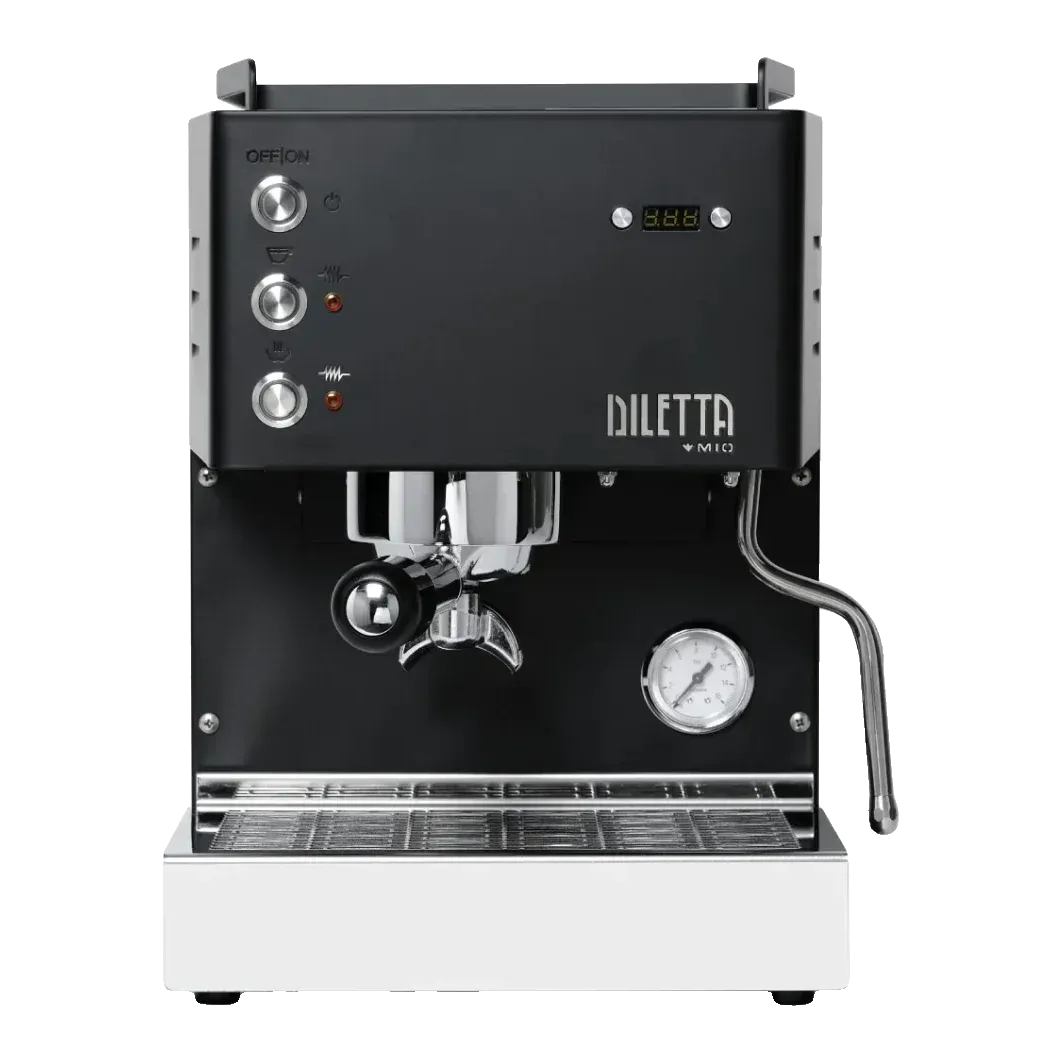
- 119MioDiletta · Single boilerUS$1,349
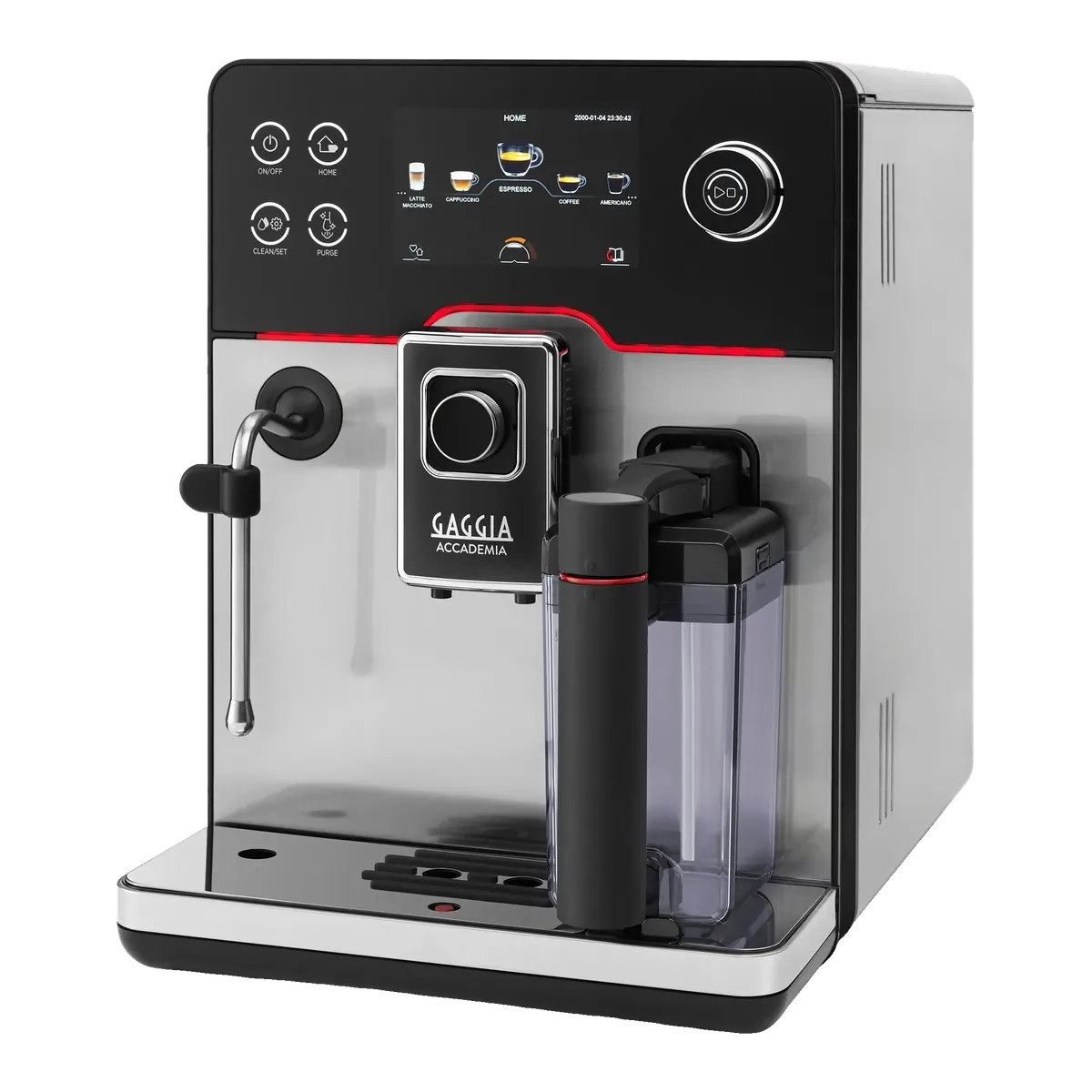
- 120Accademia (2022)Gaggia · Super-autoUS$1,599–1,799
- 121AnitaLelit · Single boilerUS$780–900
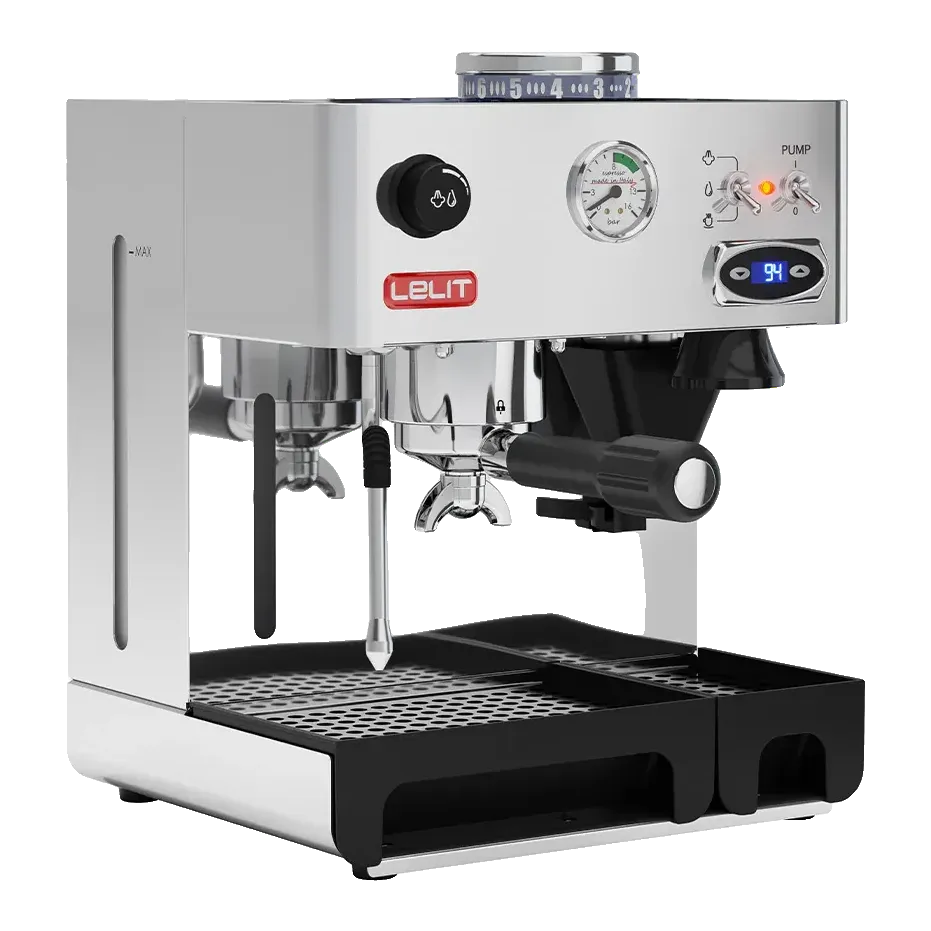
- 122SoloLUCCA · Single boilerUS$1,395–1,495
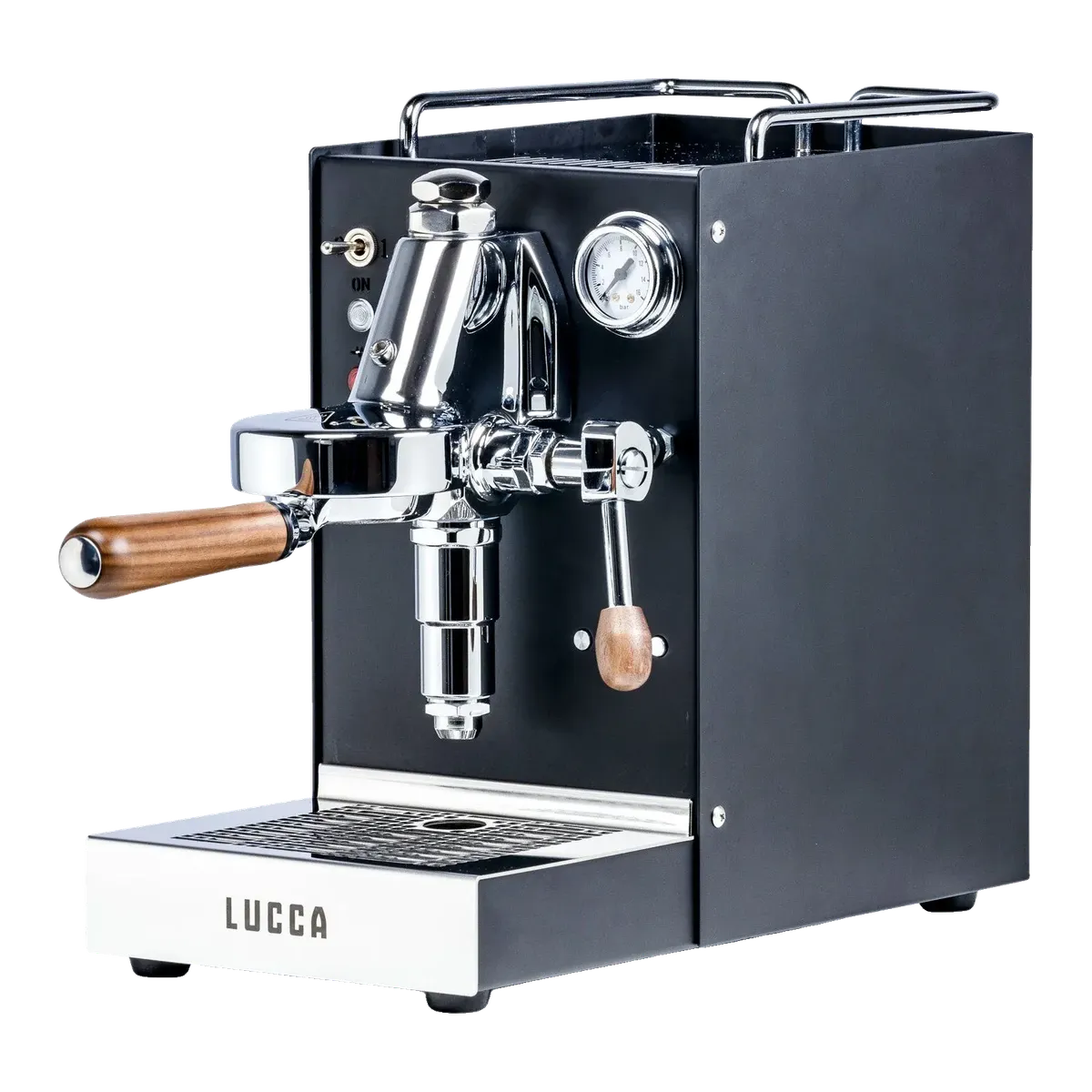
- 123Minipresso GRWacaco · ManualCA$65–110
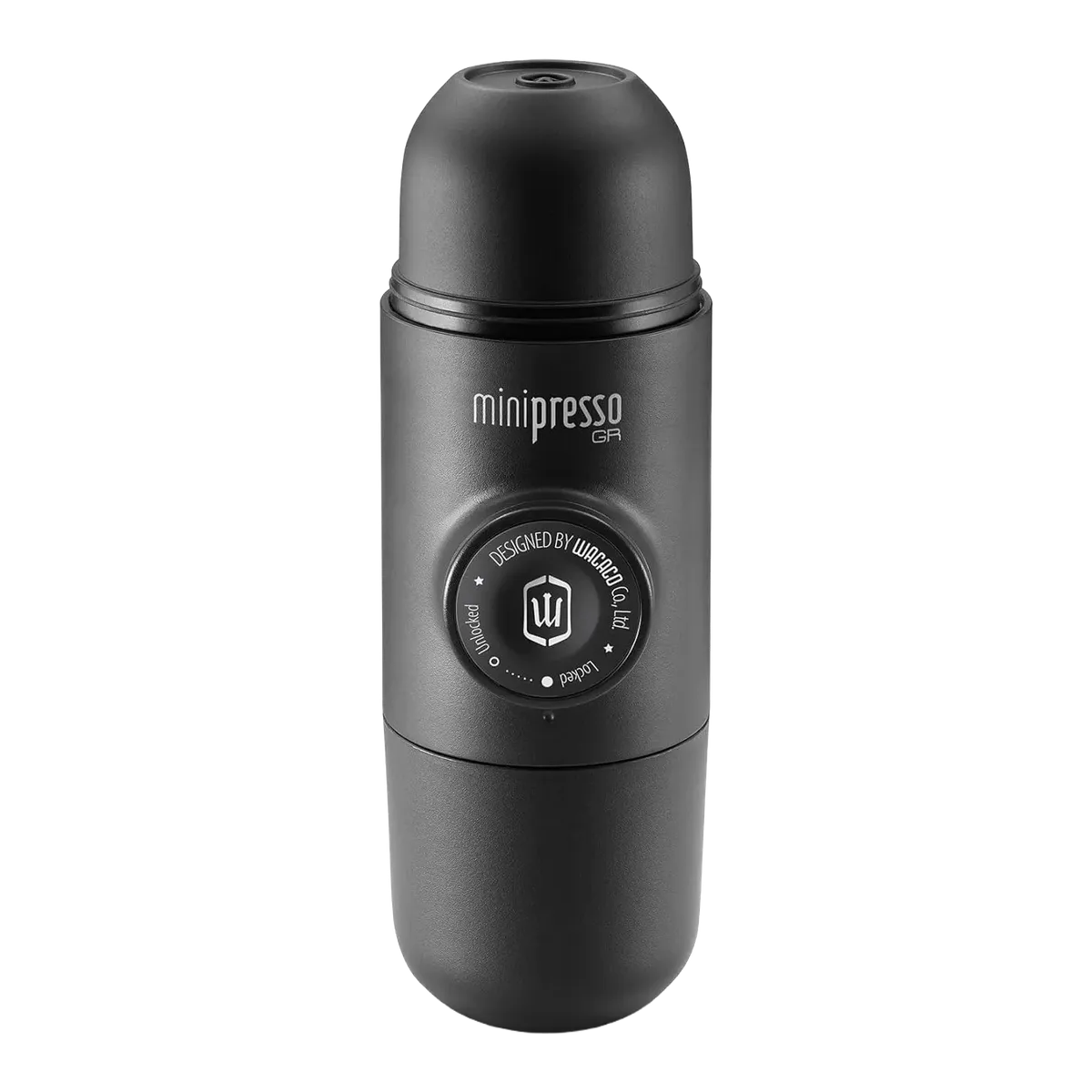
- 124MinimaACS · Dual boilerUS$1,899
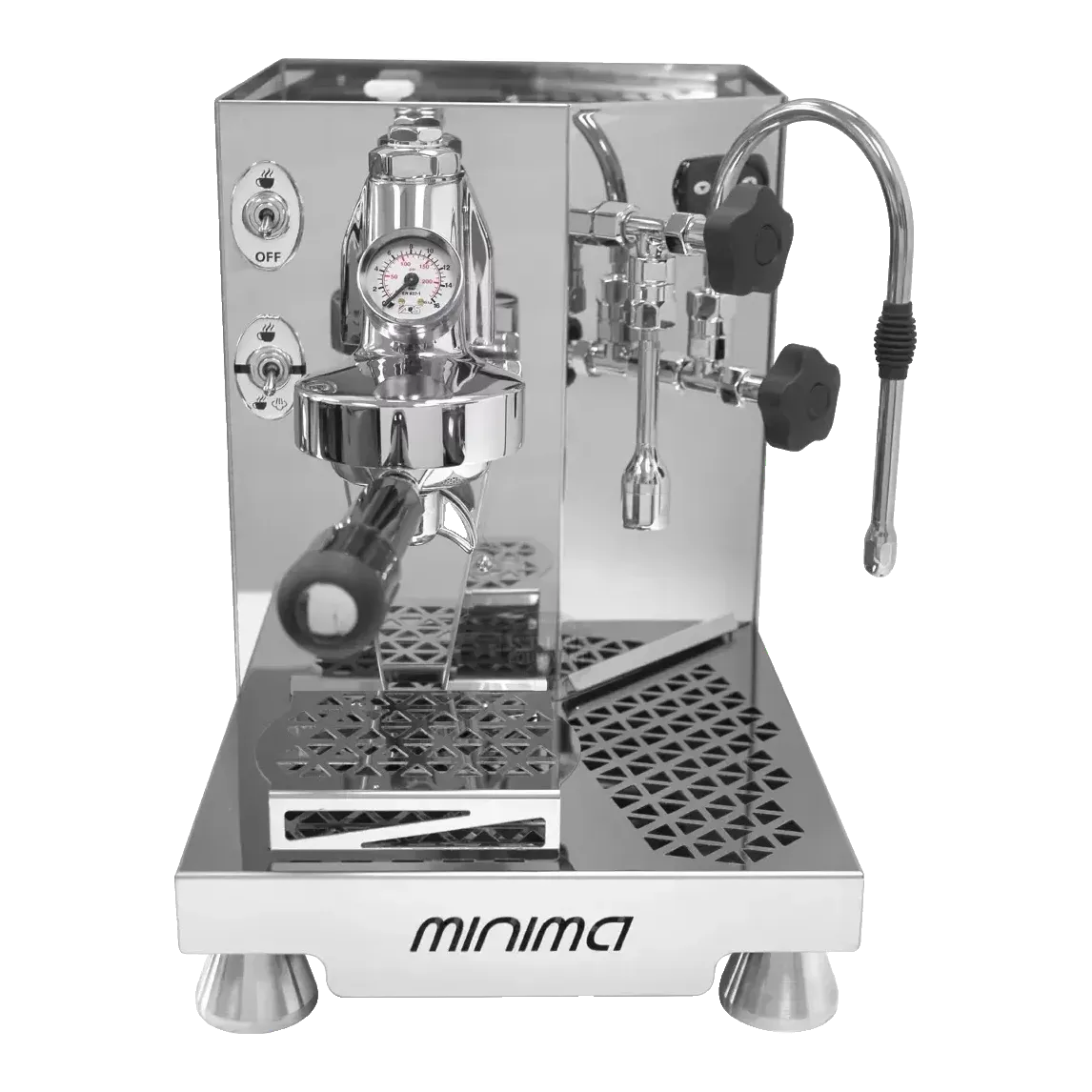
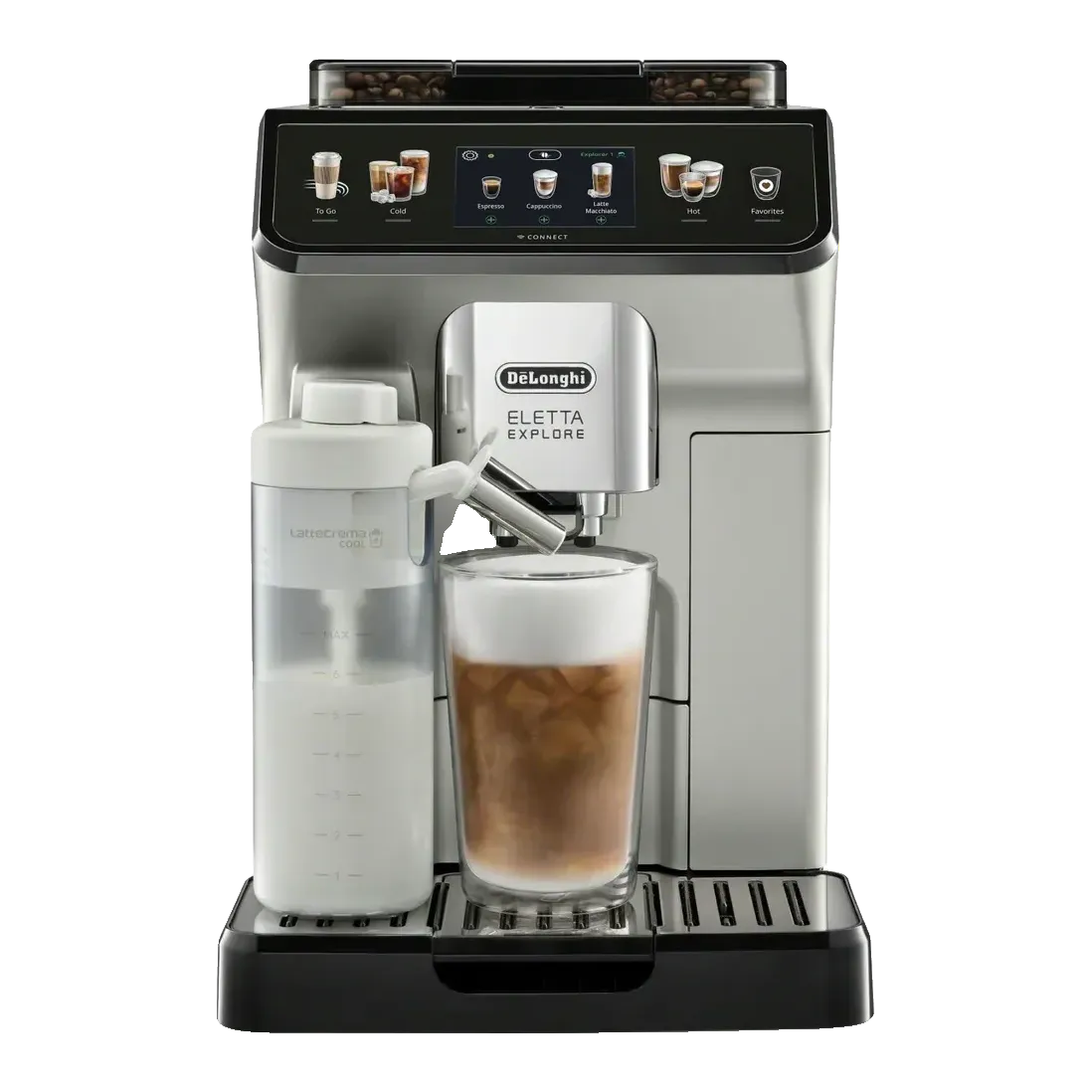
- 125Eletta ExploreDe'Longhi · Super-autoCA$1,745–2,000
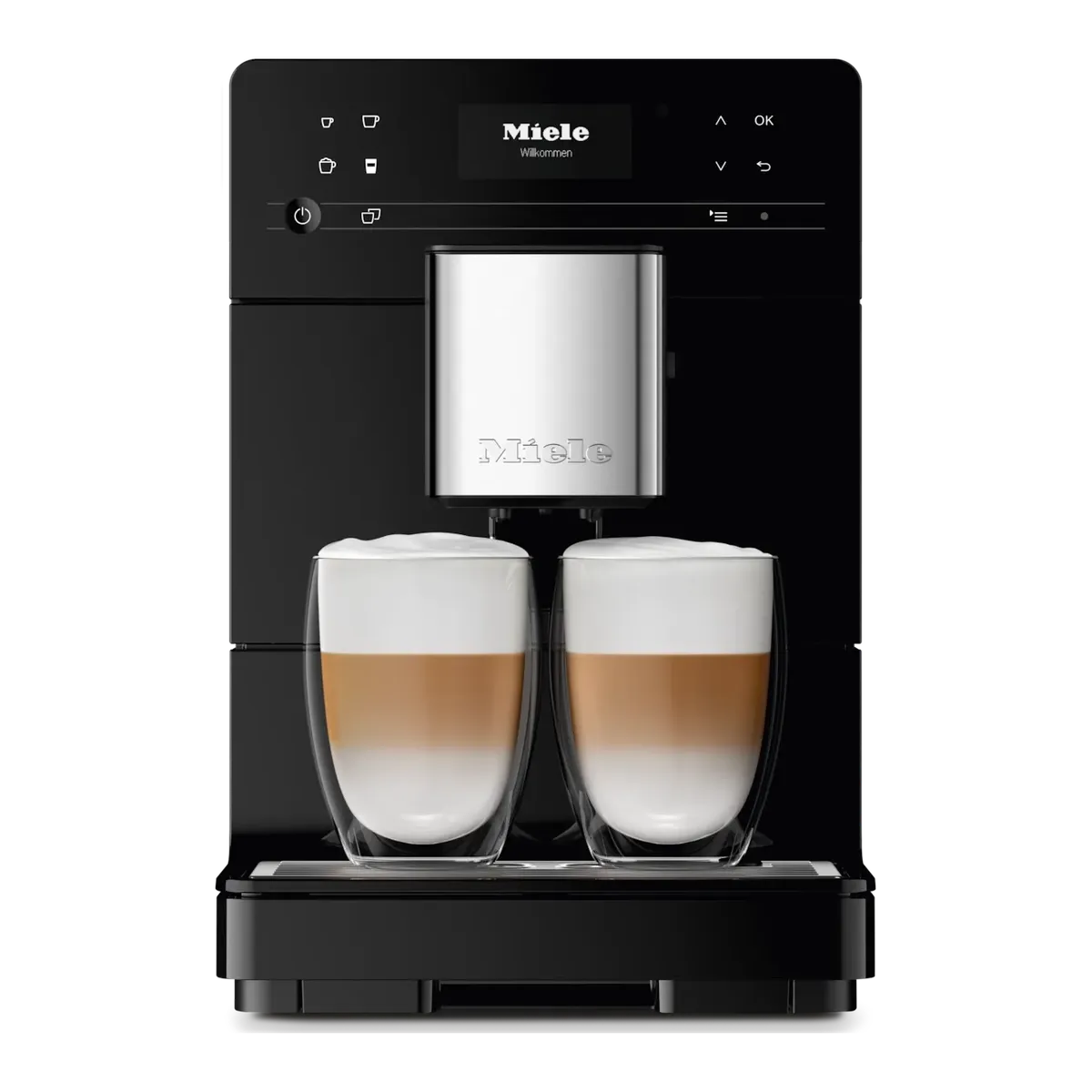
- 126CM 5310 SilenceMiele · Super-autoCA$1,449–1,849
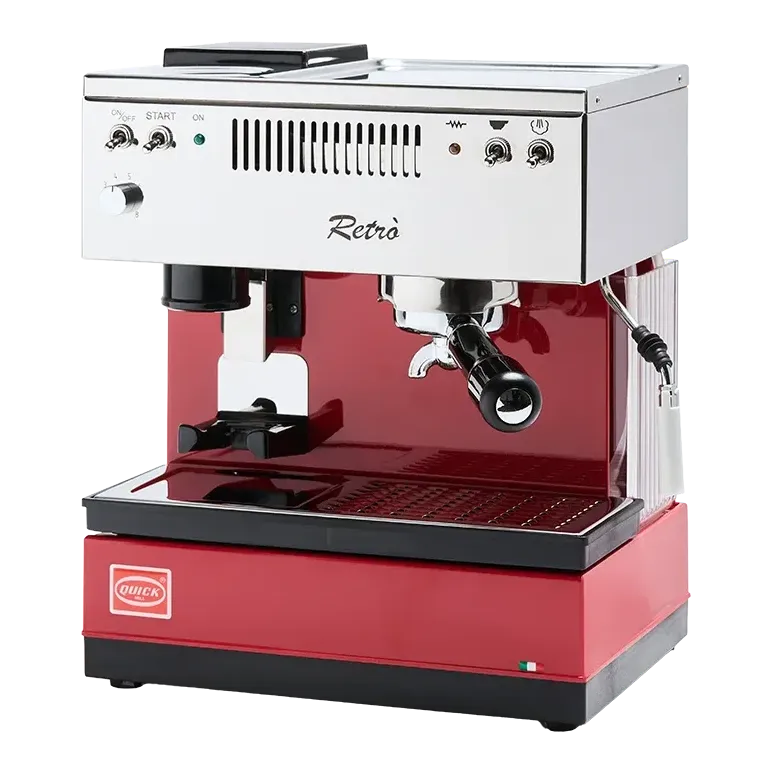
- 127Retrò (0835)Quick Mill · Thermoblock—
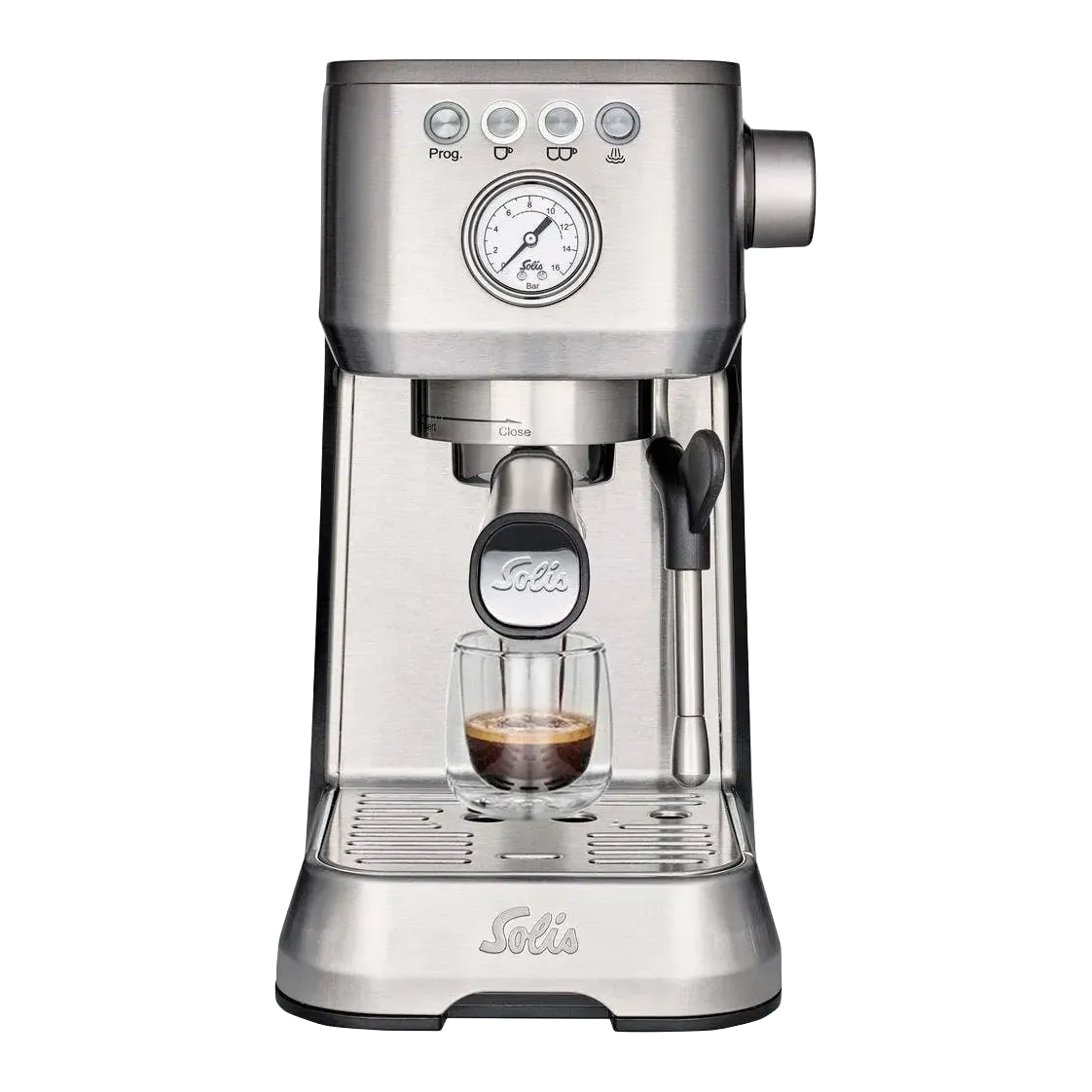
- 128Barista Perfetta PlusSolis · ThermoblockCA$395–600
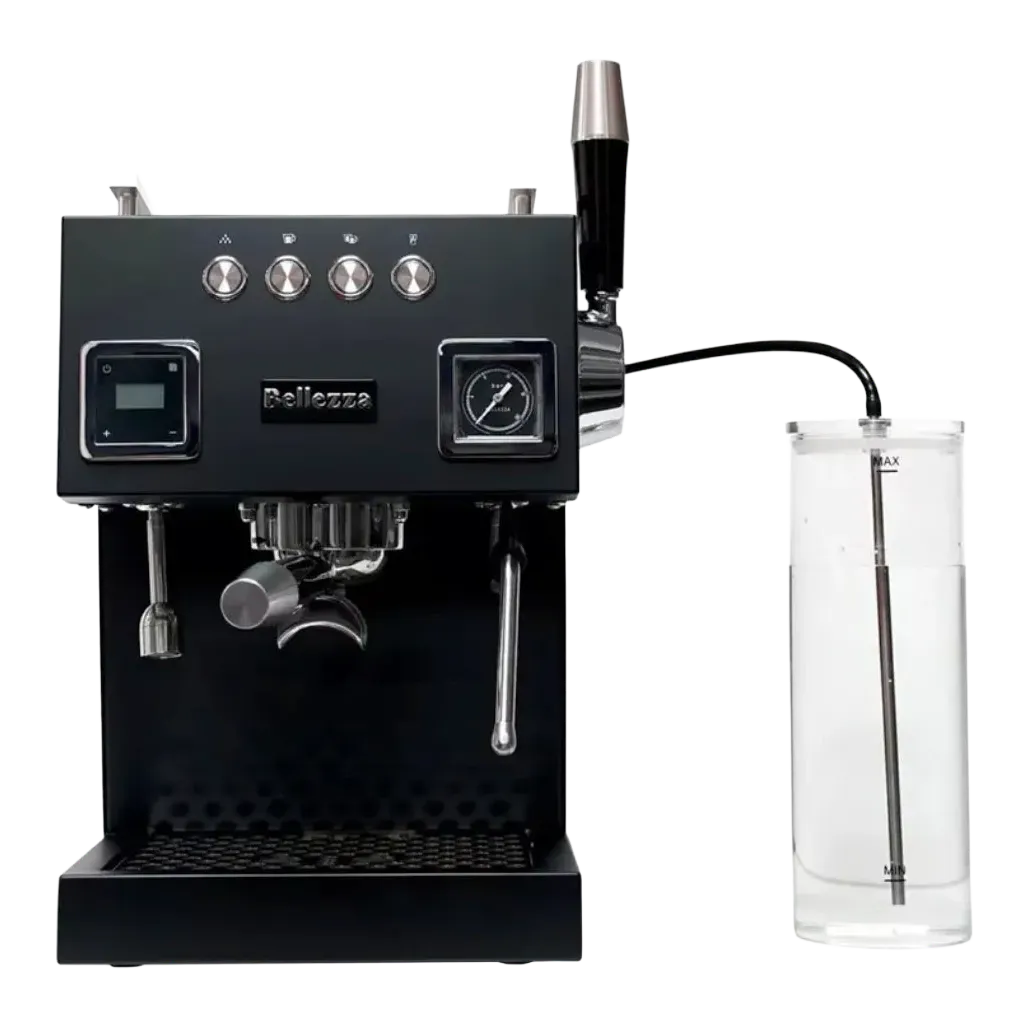
- 129BellonaBellezza · Dual boilerUS$1,499
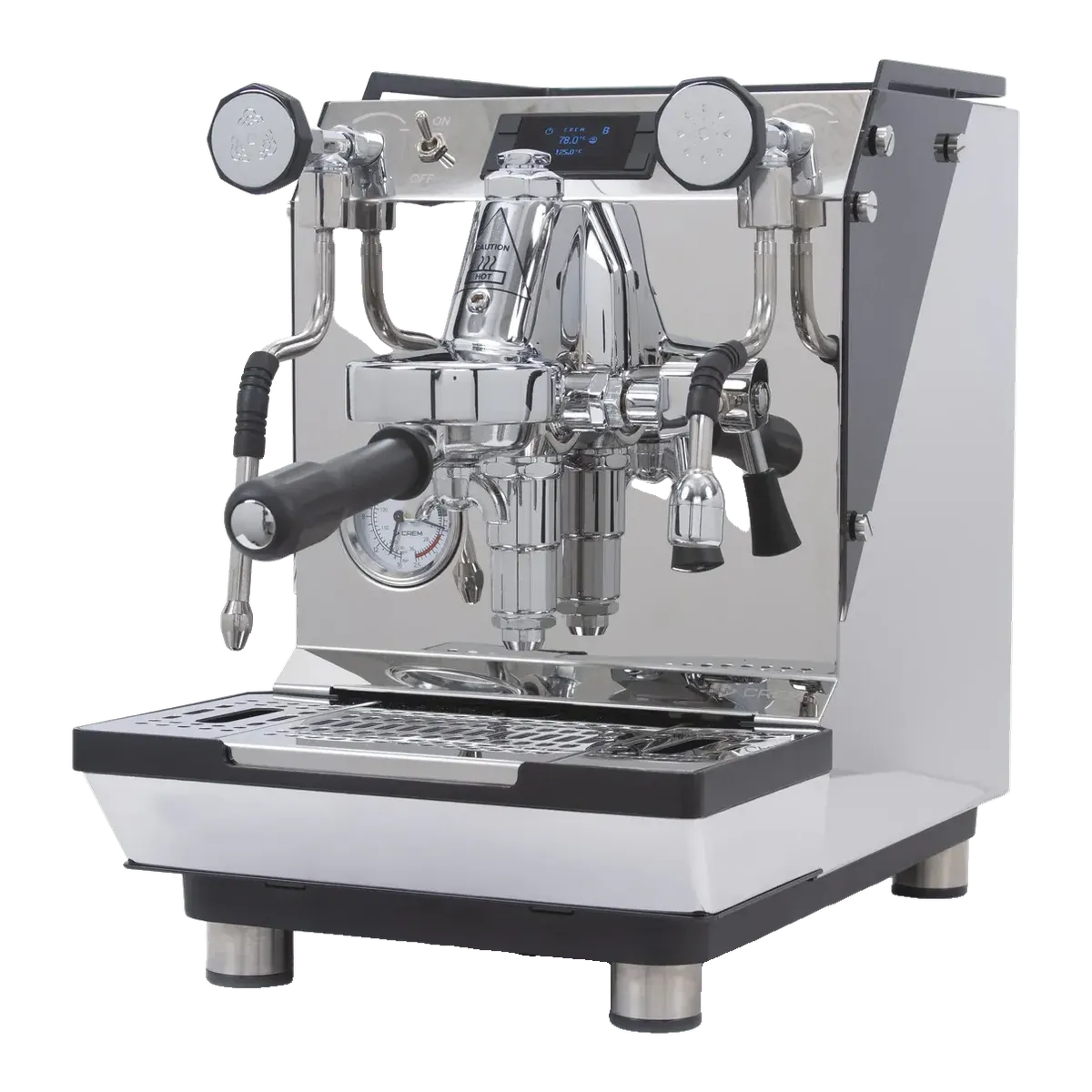
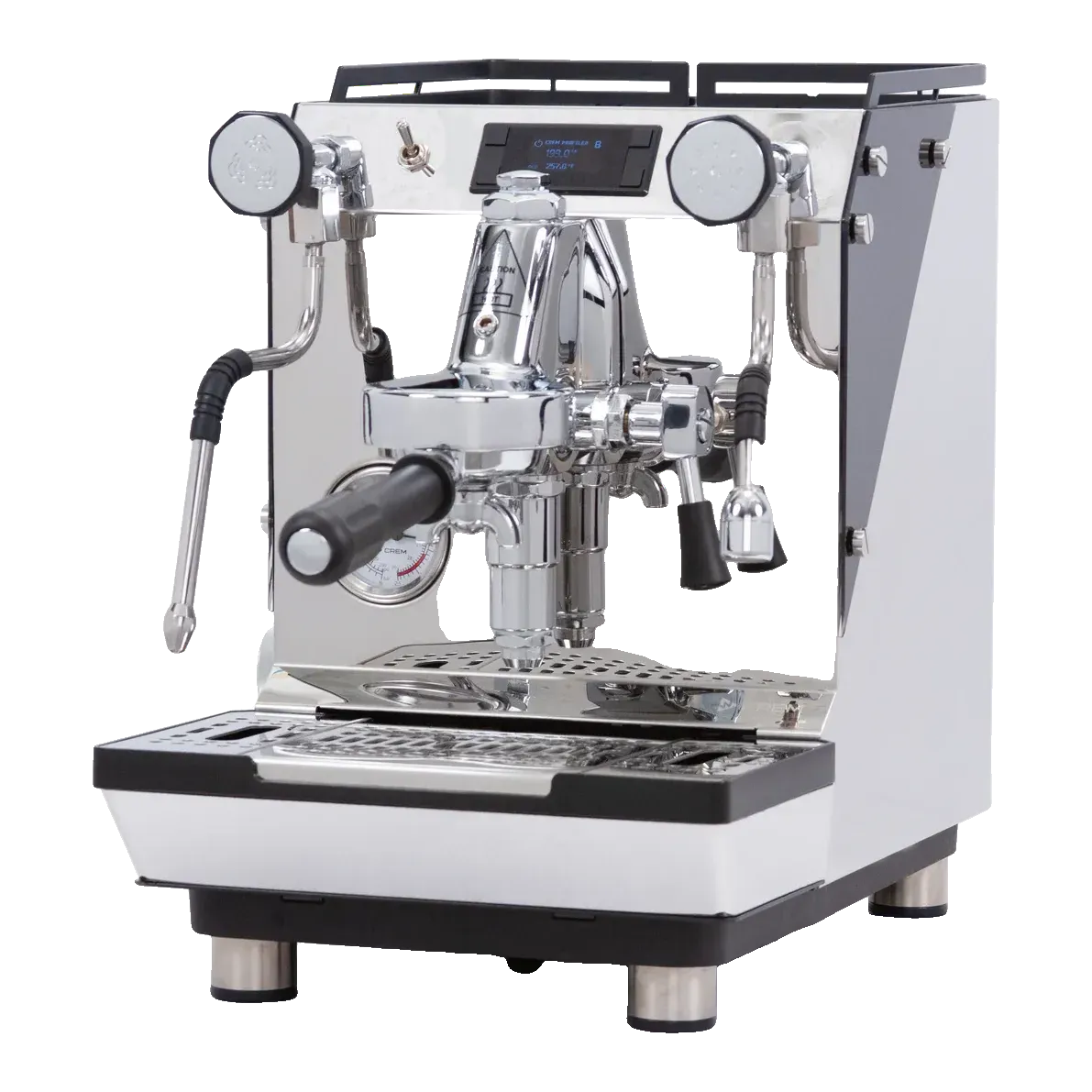
- 130ONE 2B DualCrem · Dual boiler—
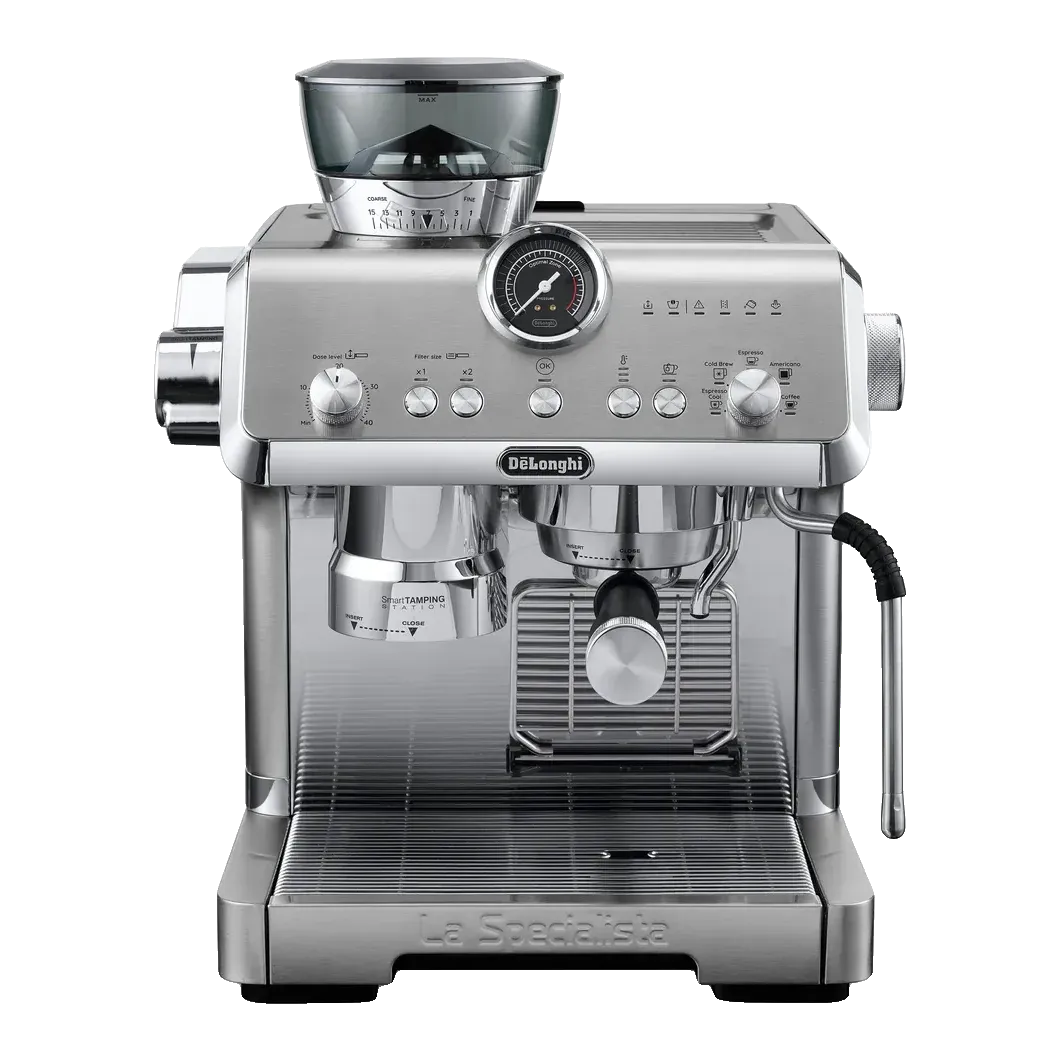
- 131La Specialista Opera (EC9555M)De'Longhi · ThermoblockCA$1,195–1,200
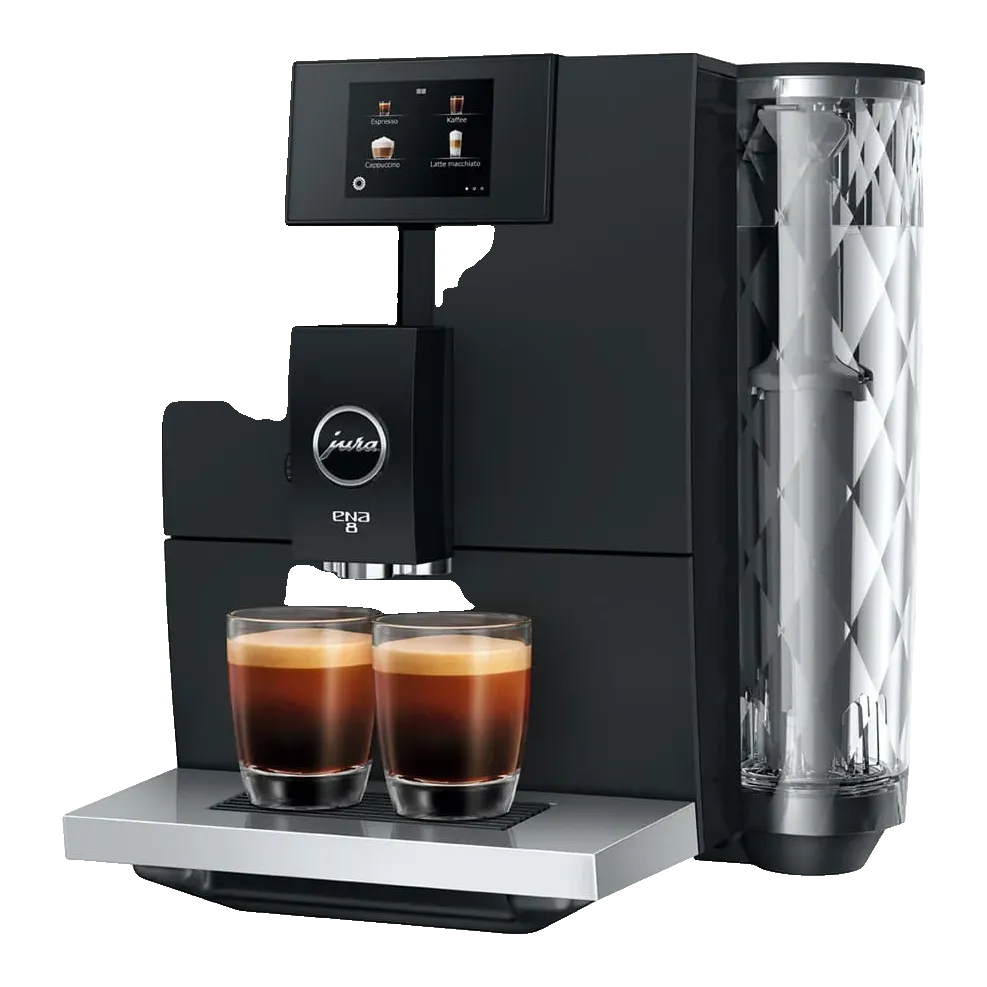
- 132ENA 8 (2023/2024)Jura · Super-autoCA$2,195–2,695
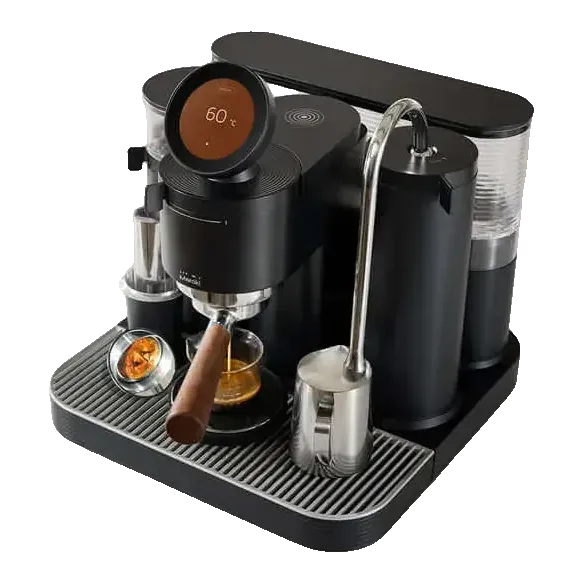
- 133Meraki (Gen 2)MerakiTech · Dual boilerUS$1,699–1,999
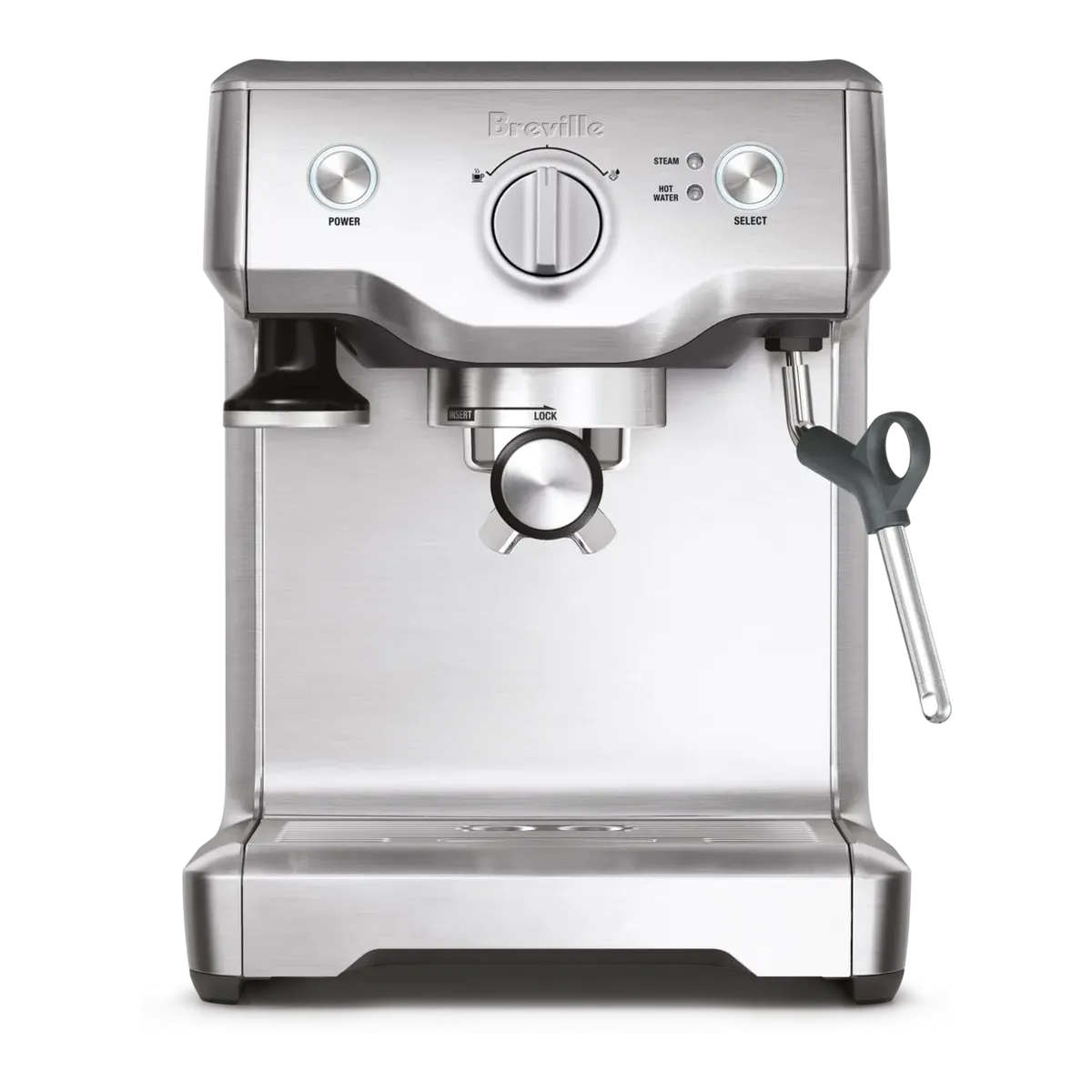
- 134Duo Temp Pro (BES810BSS)Breville · ThermoblockUS$399–499
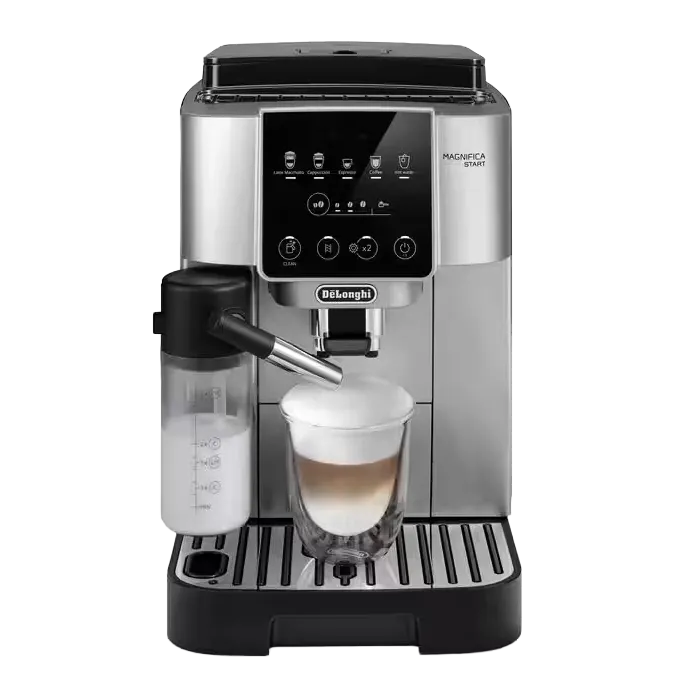
- 135Magnifica StartDe'Longhi · Super-autoUS$599–800
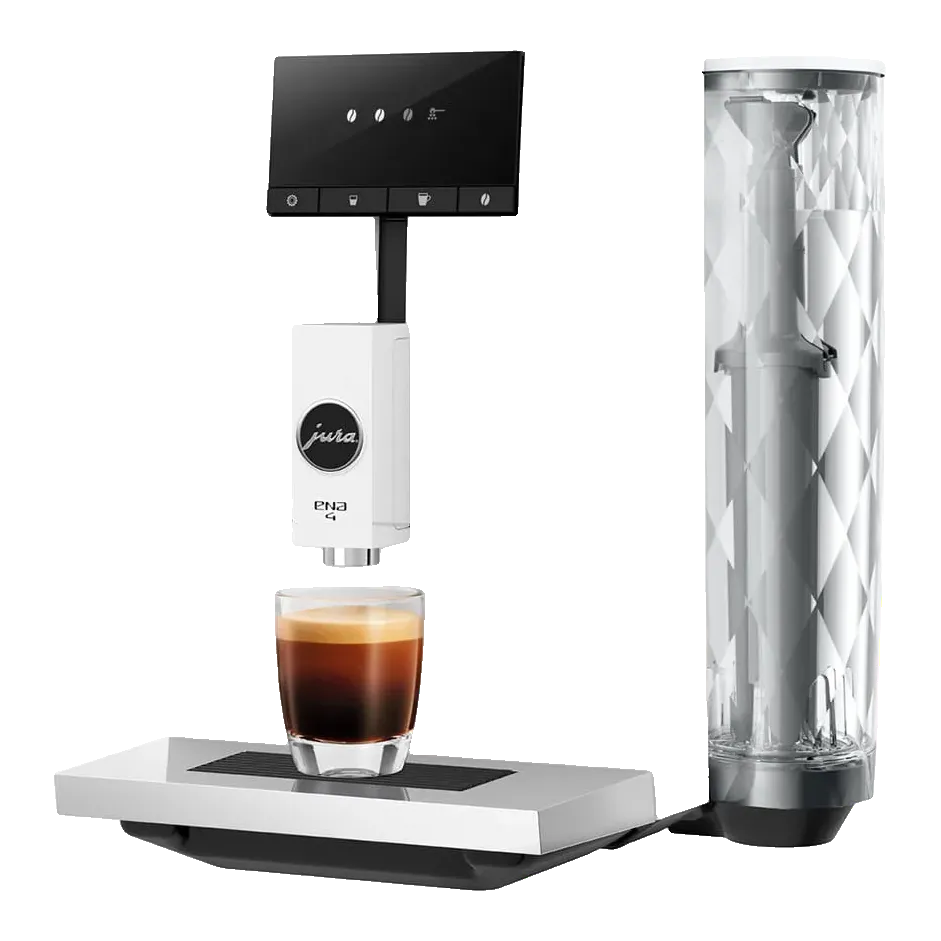
- 136ENA 4Jura · Super-autoCA$1,245–1,345
- 137LunaQuick Mill · ThermoblockUS$1,200–1,600
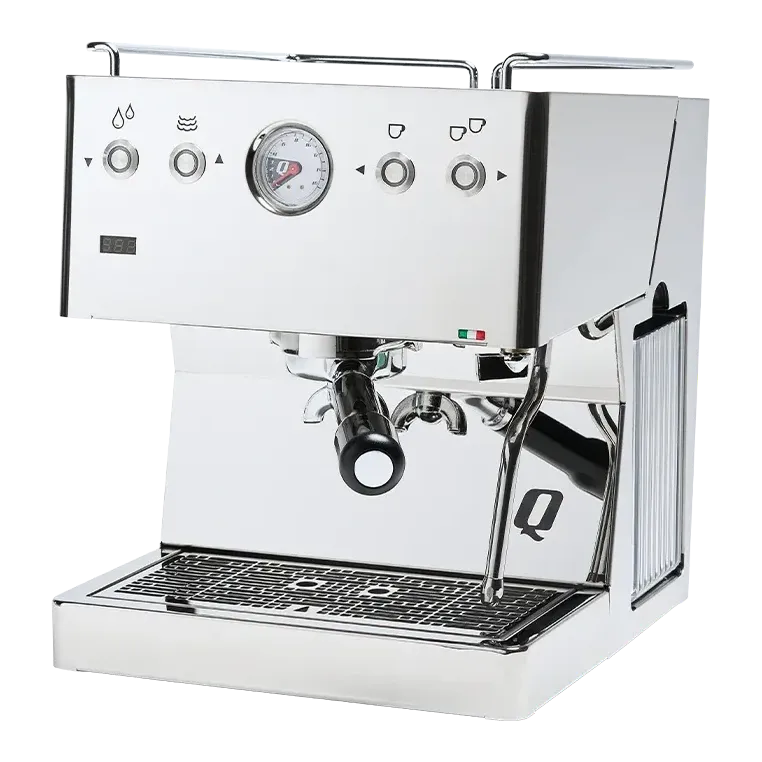
- 138POPQuick Mill · ThermoblockCA$1,245–1,295
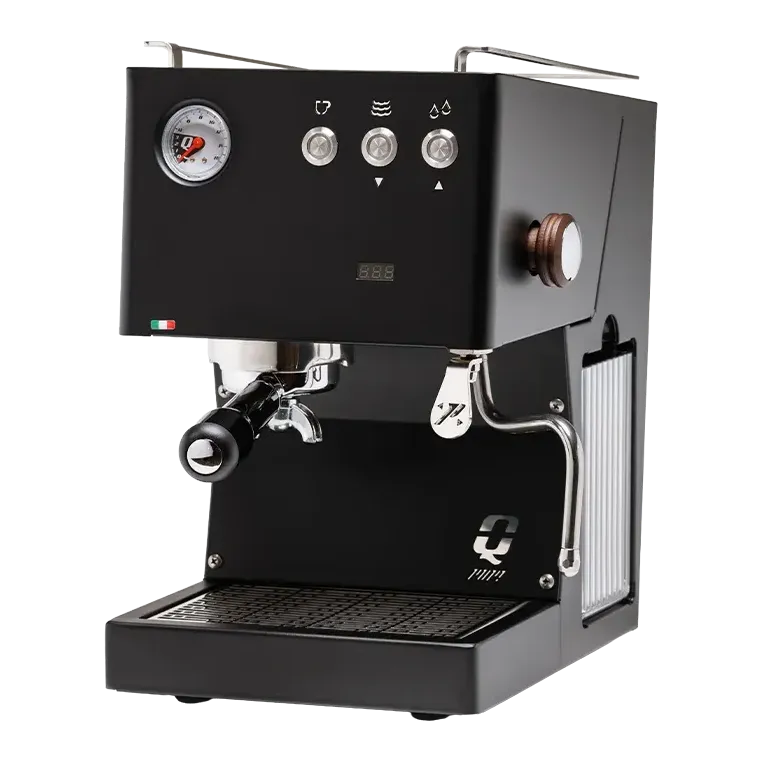
- 139Legato V2Turin · Single boilerUS$459–499
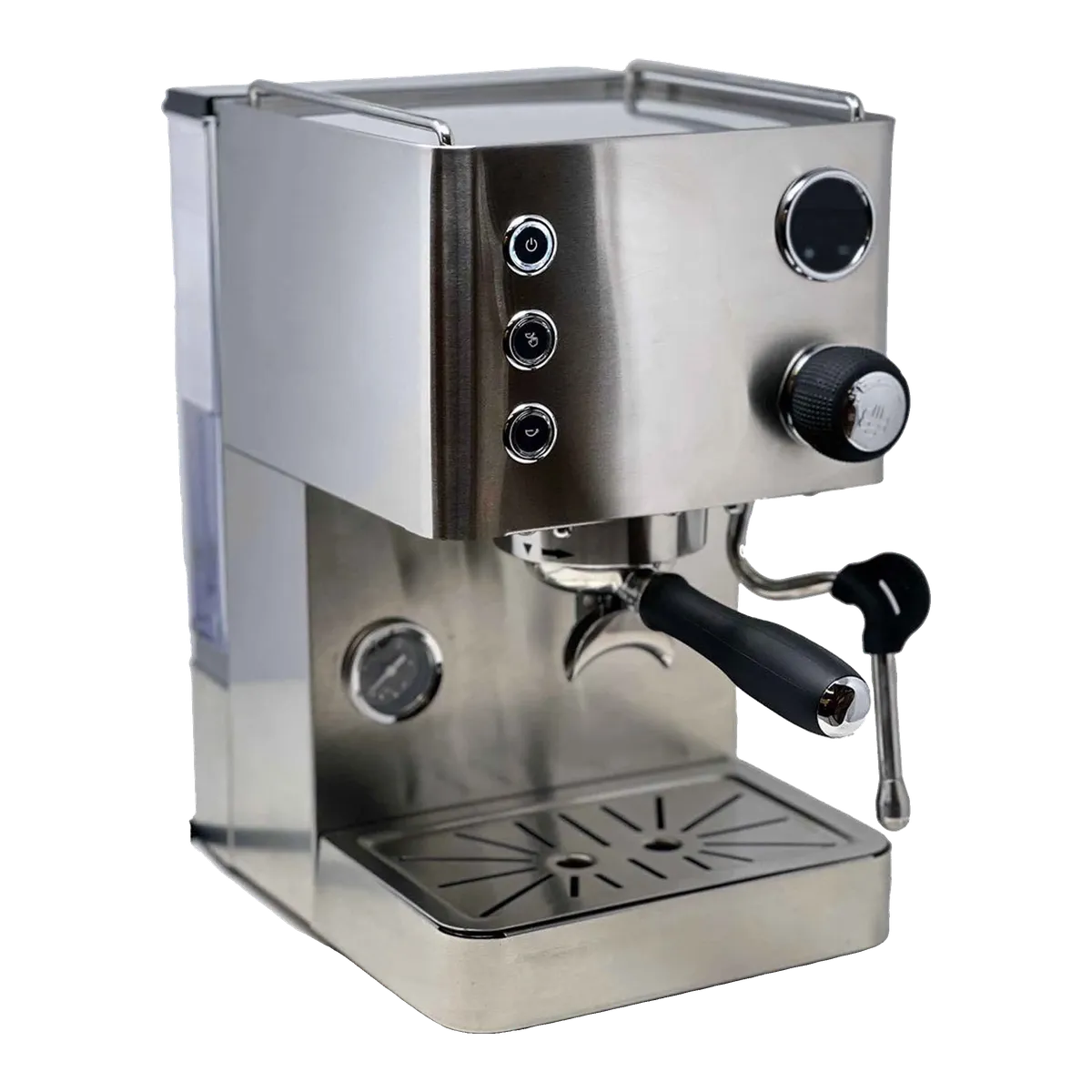
- 140Data SWendougee · Dual boilerCA$5,265–5,270
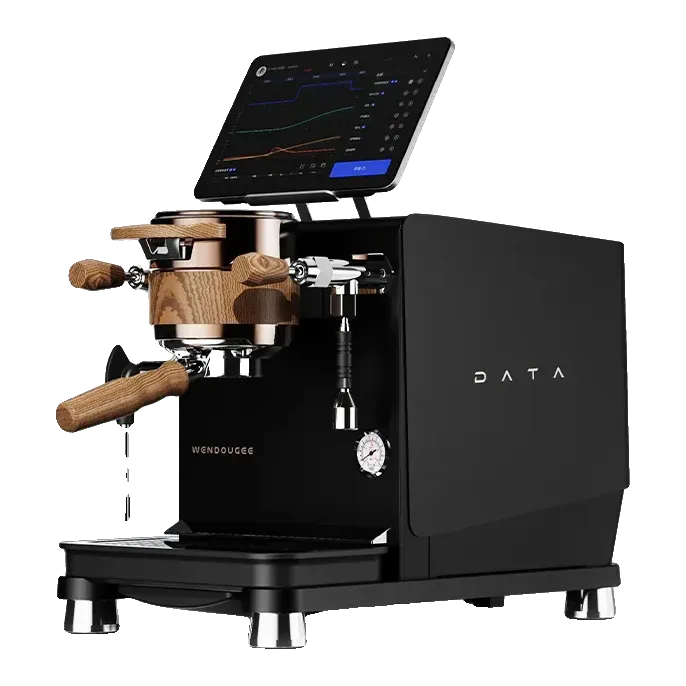
- 141Stilosa (EC230 / EC260)De'Longhi · Single boilerCA$135–150
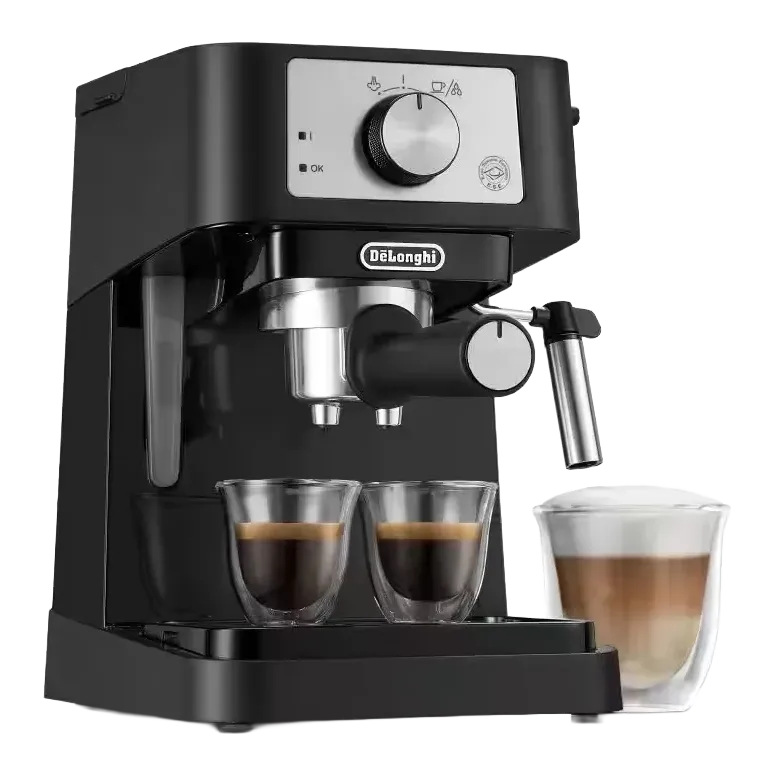
- 142Cadorna PlusGaggia · Super-autoUS$699–819
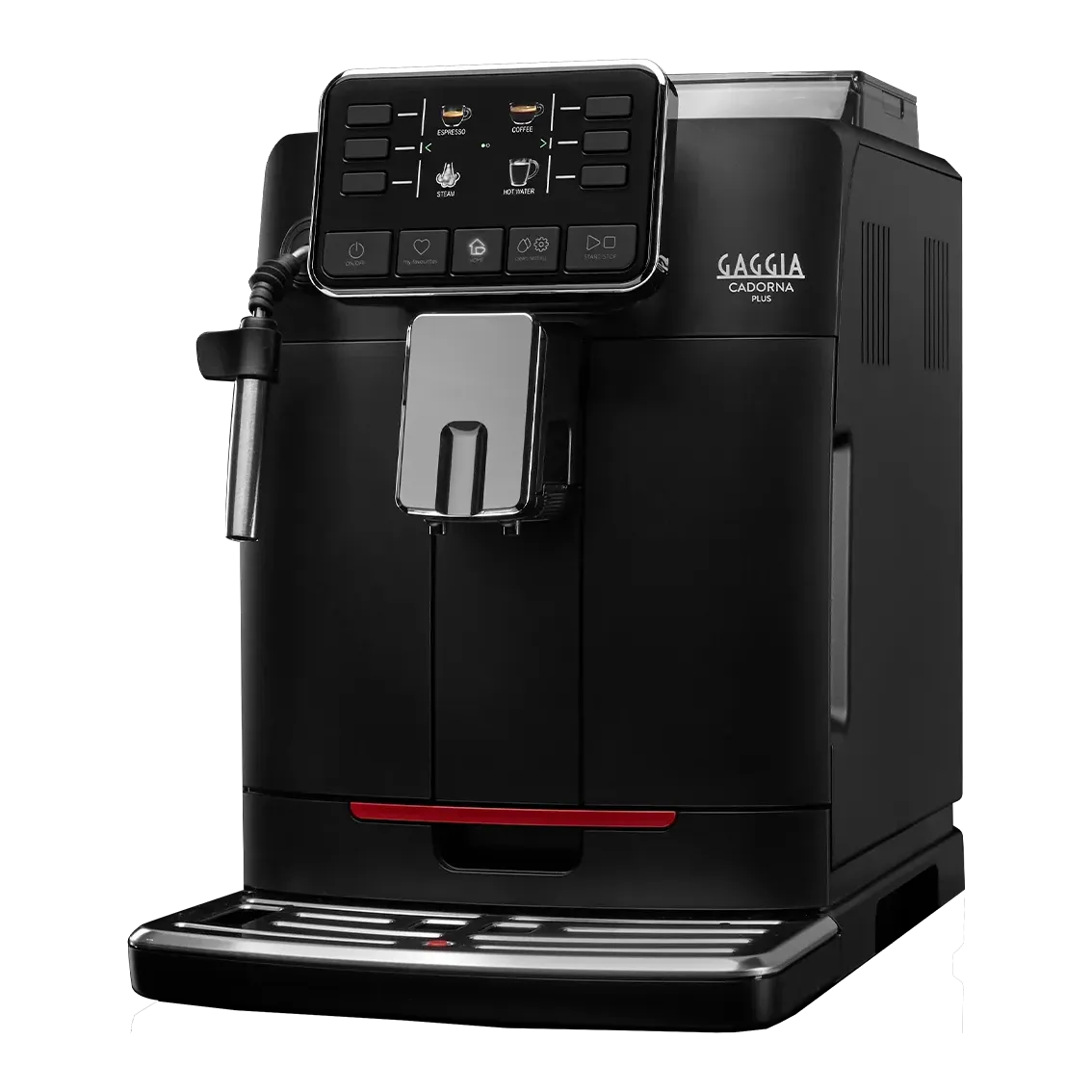
- 143Owl G3006Gemilai · ThermoblockCA$450–560
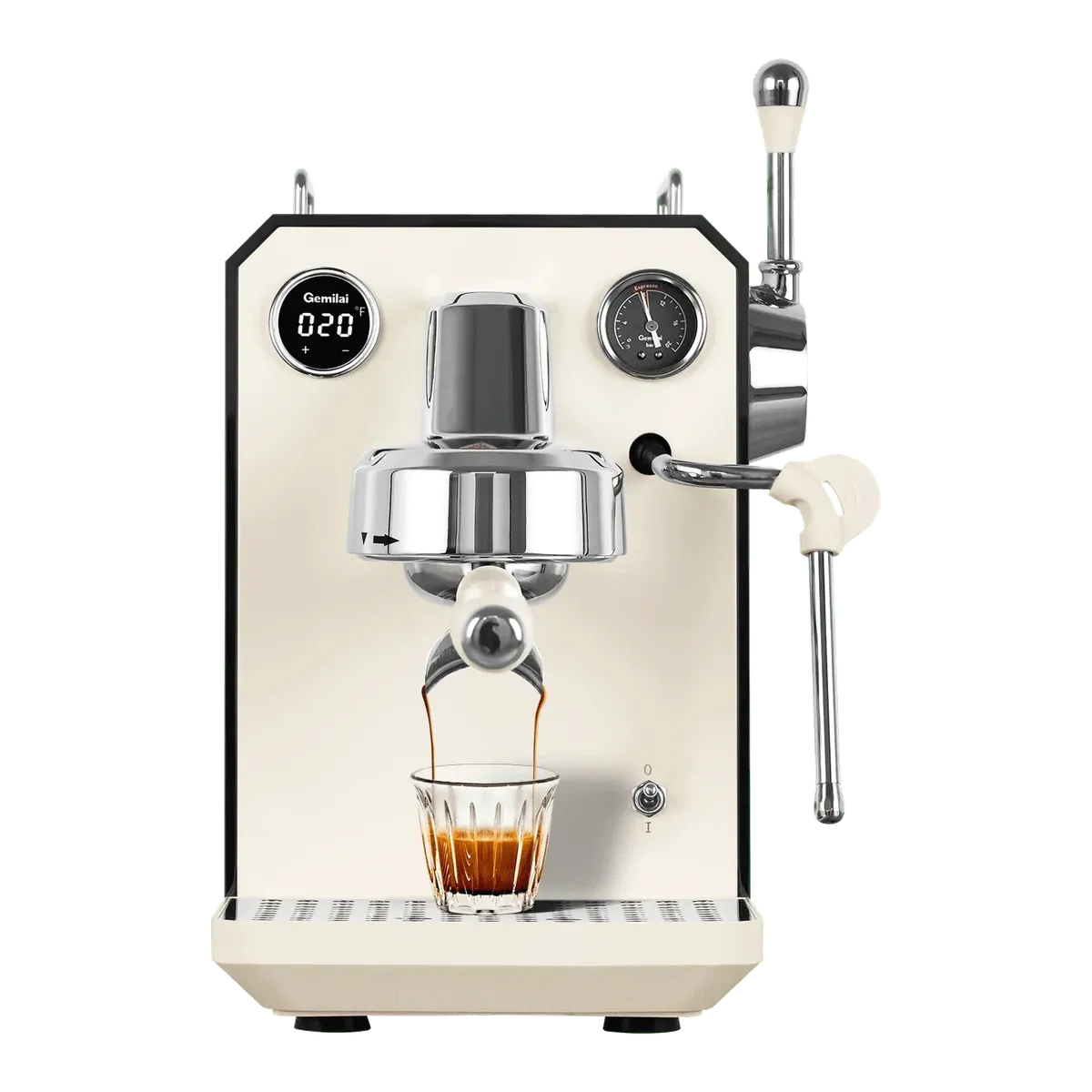
- 144E8 (2024)Jura · Super-autoUS$1,399–2,699
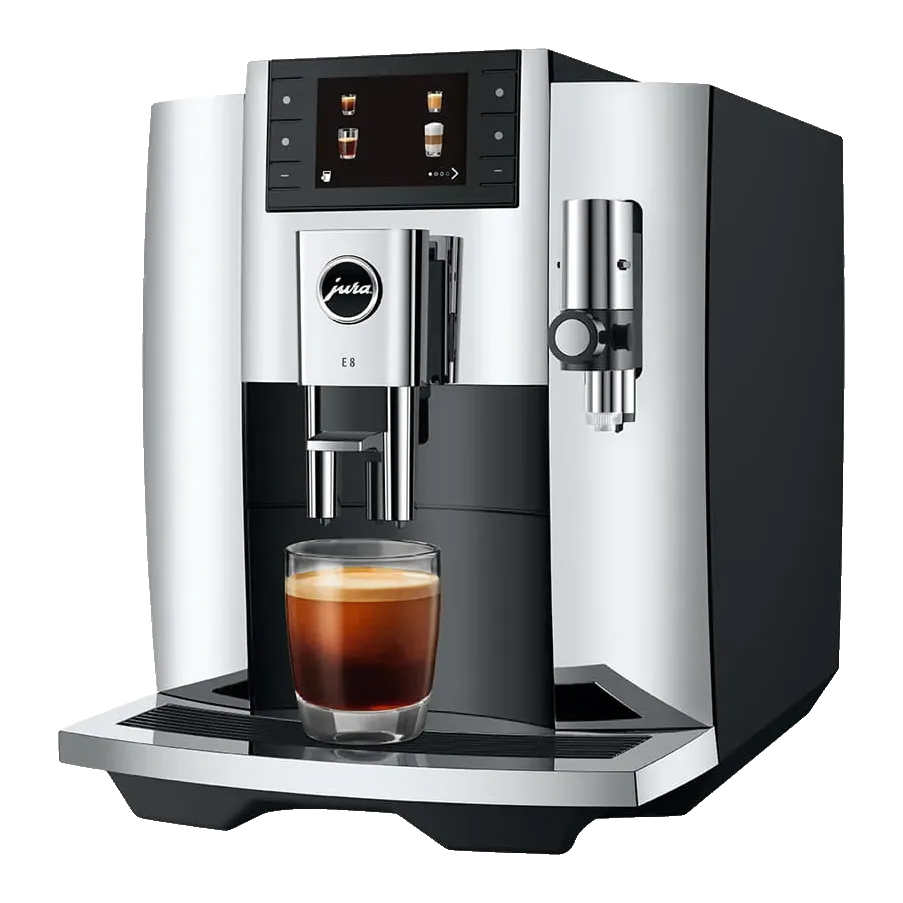
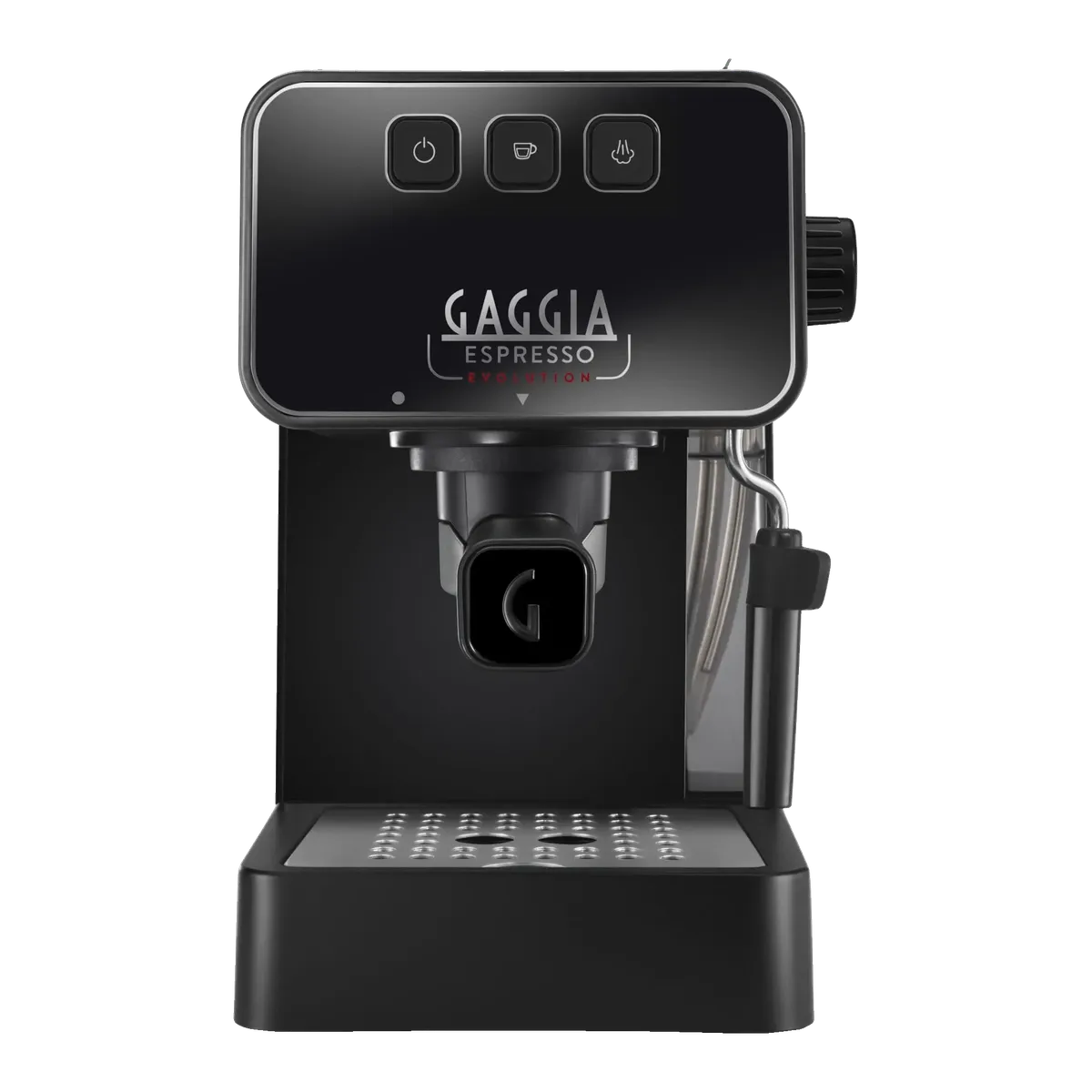
- 145Espresso Series (Style / Deluxe / Evolution)Gaggia · ThermoblockCA$299–349
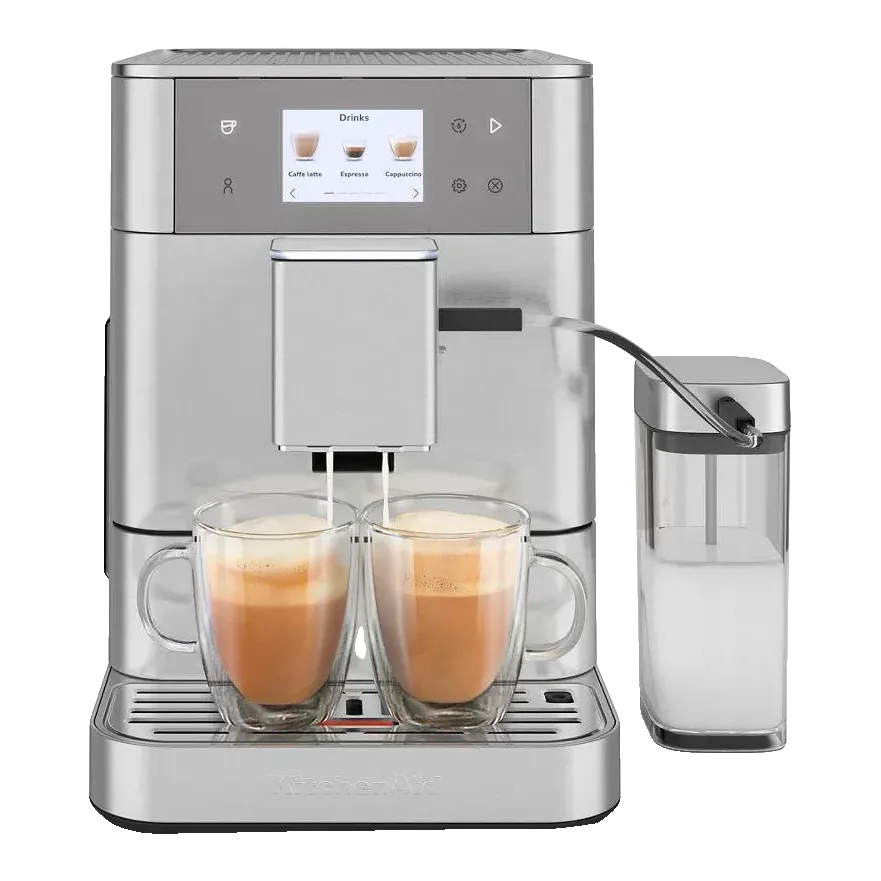
- 146Fully Automatic KF7KitchenAid · Super-autoCA$1,695–1,700
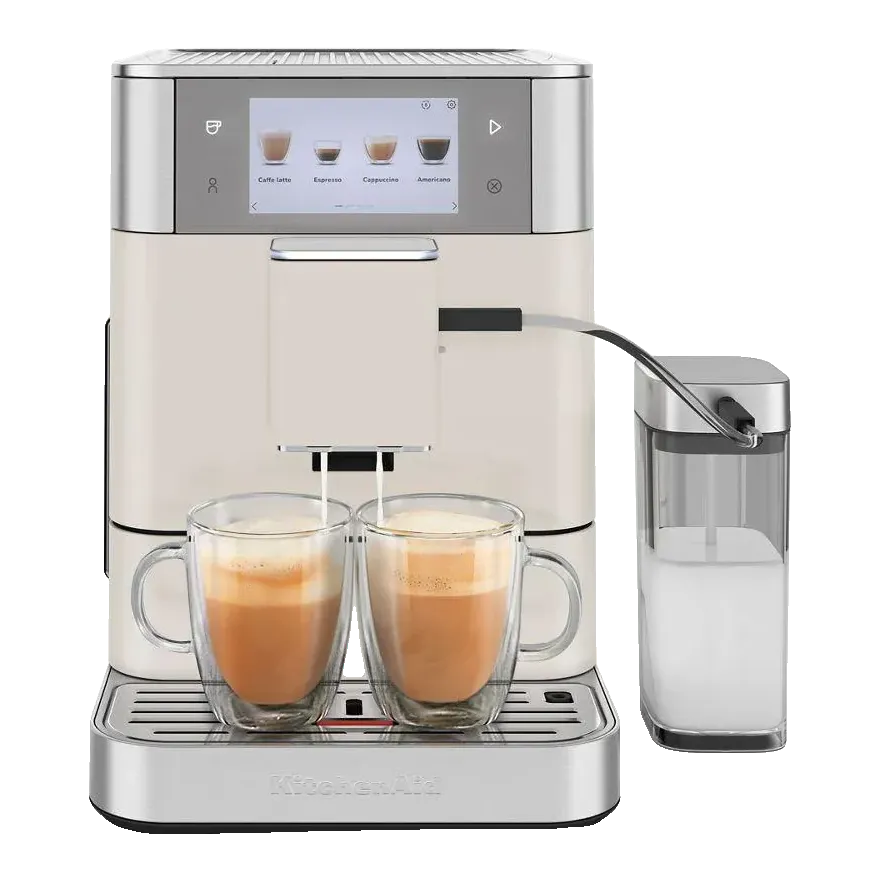
- 147Fully Automatic KF8KitchenAid · Super-autoCA$1,995–2,000
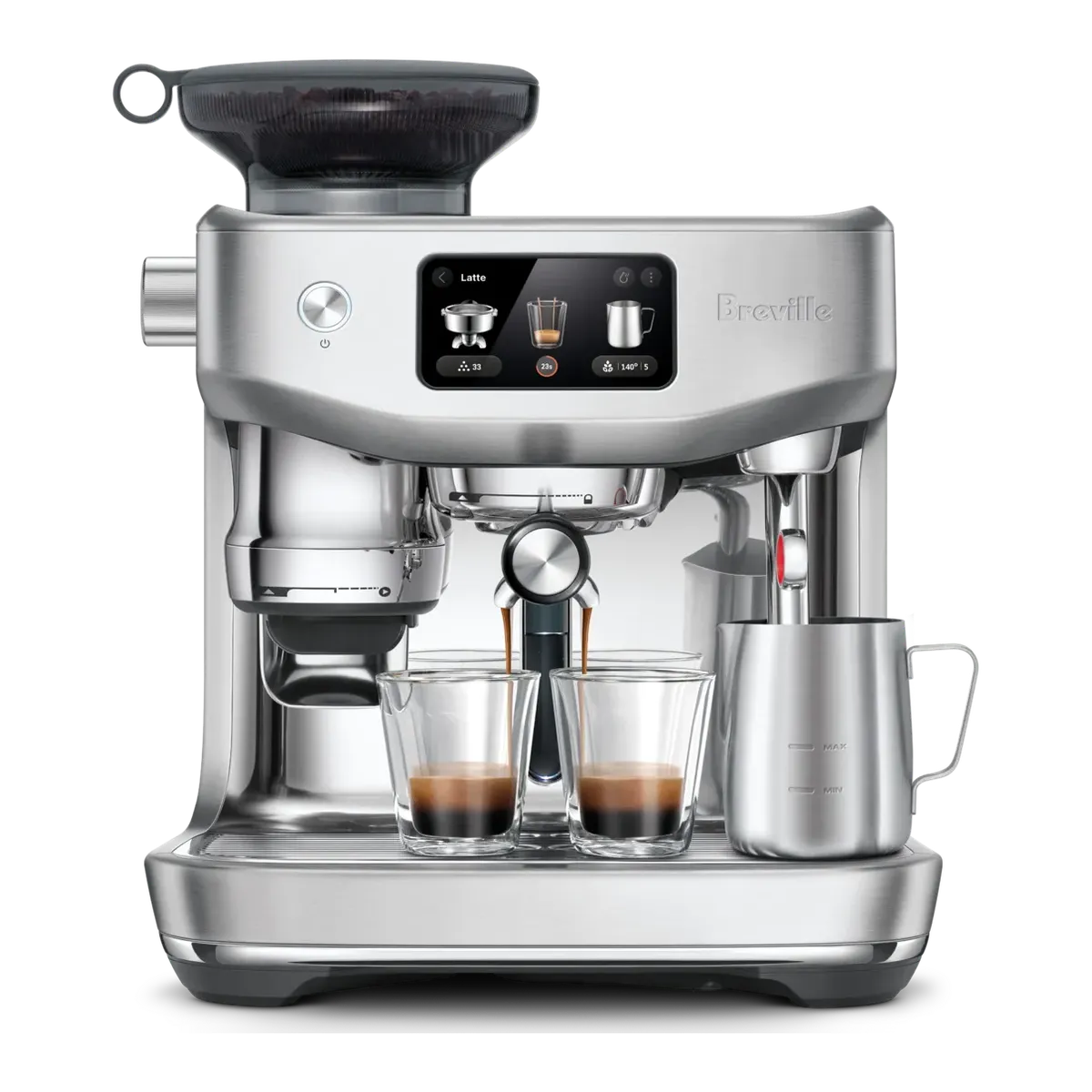
- 148Oracle Jet (BES985)Breville · ThermoblockCA$2,395–3,000
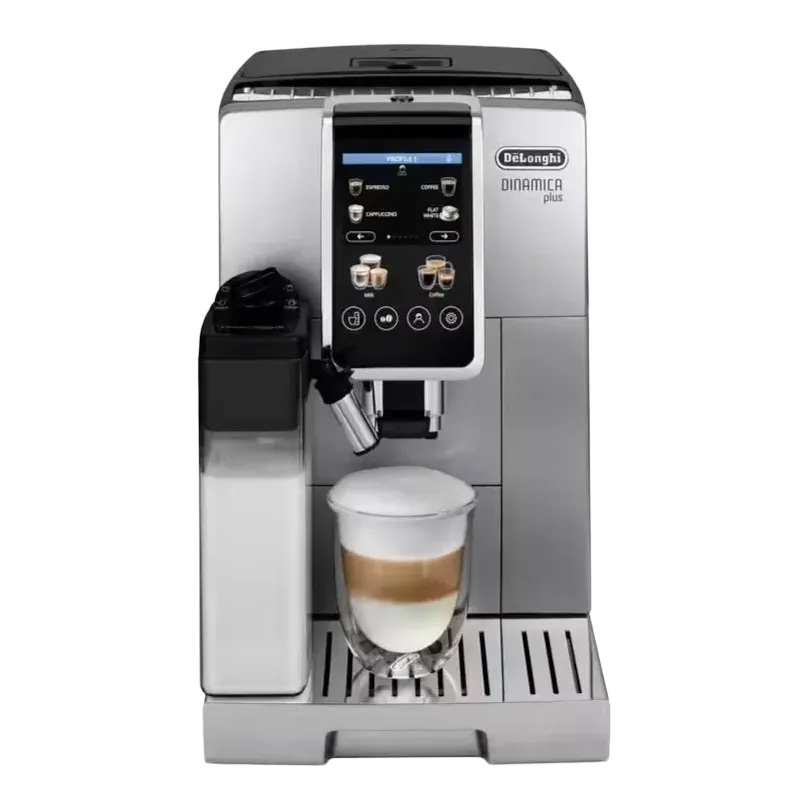
- 149Dinamica Plus (ECAM38085SB)De'Longhi · Super-autoCA$1,480–1,850
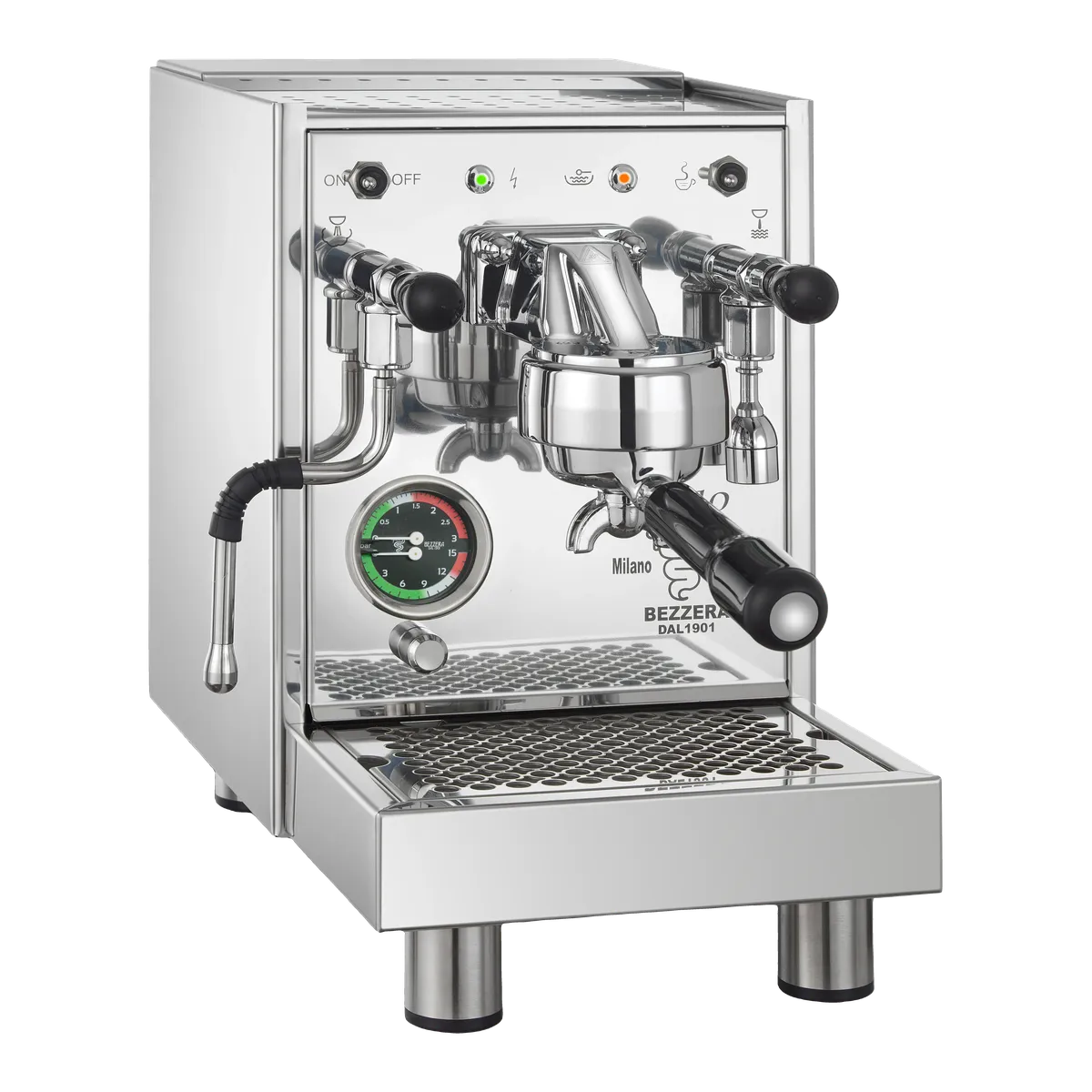
- 150BZ10Bezzera · Heat exchangerUS$1,399–1,449
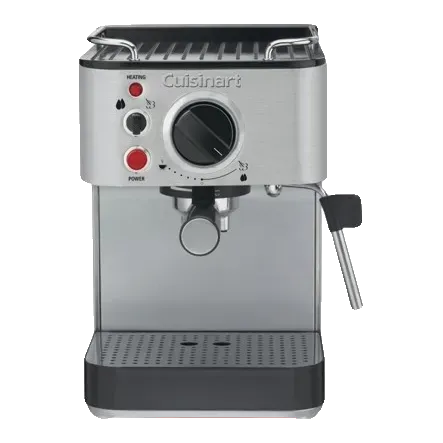
- 151EM-100Cuisinart · ThermoblockUS$129–260
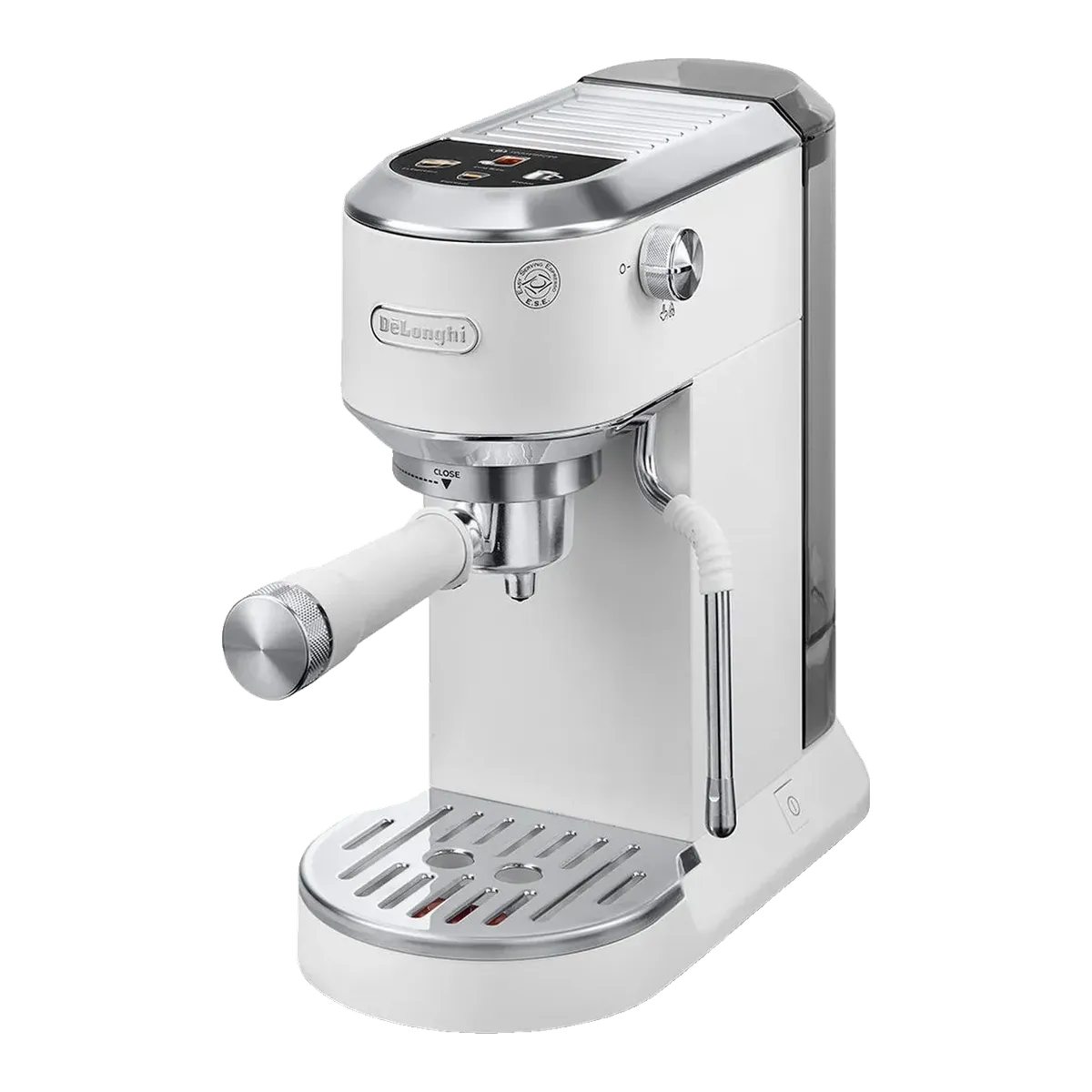
- 152Dedica Duo (EC890)De'Longhi · ThermoblockUS$299
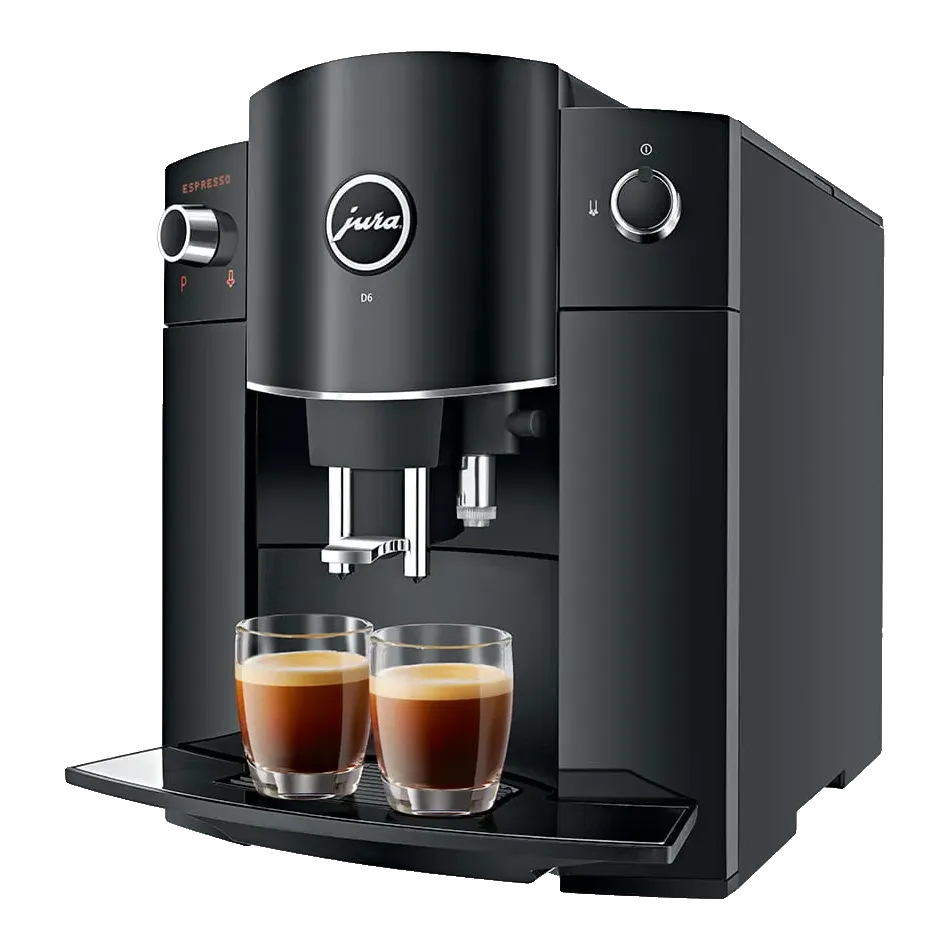
- 153D6Jura · Super-autoUS$699–849
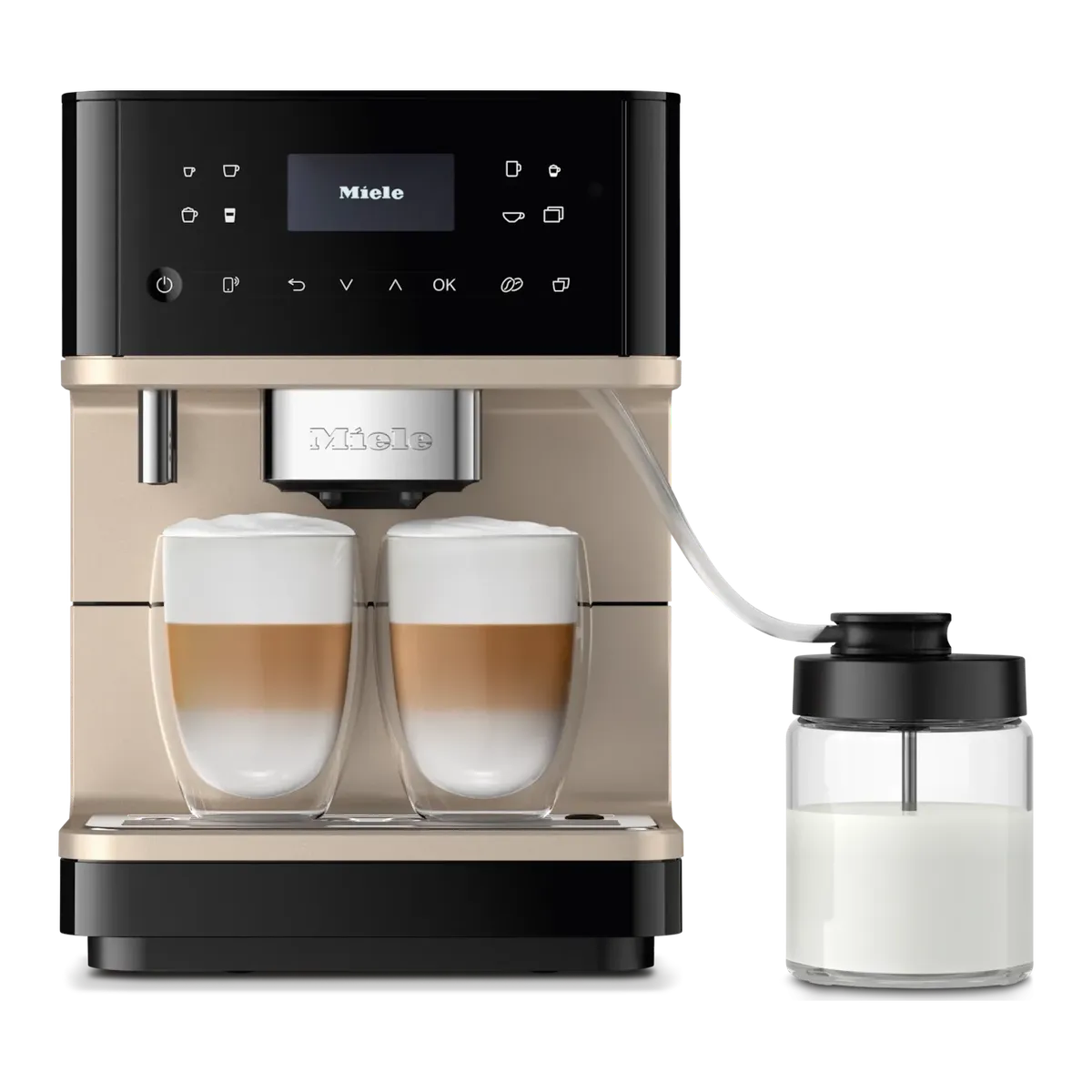
- 154CM 6360 MilkPerfectionMiele · Super-autoCA$2,999
- 155AutoBarista ProNinja · Super-autoUS$949
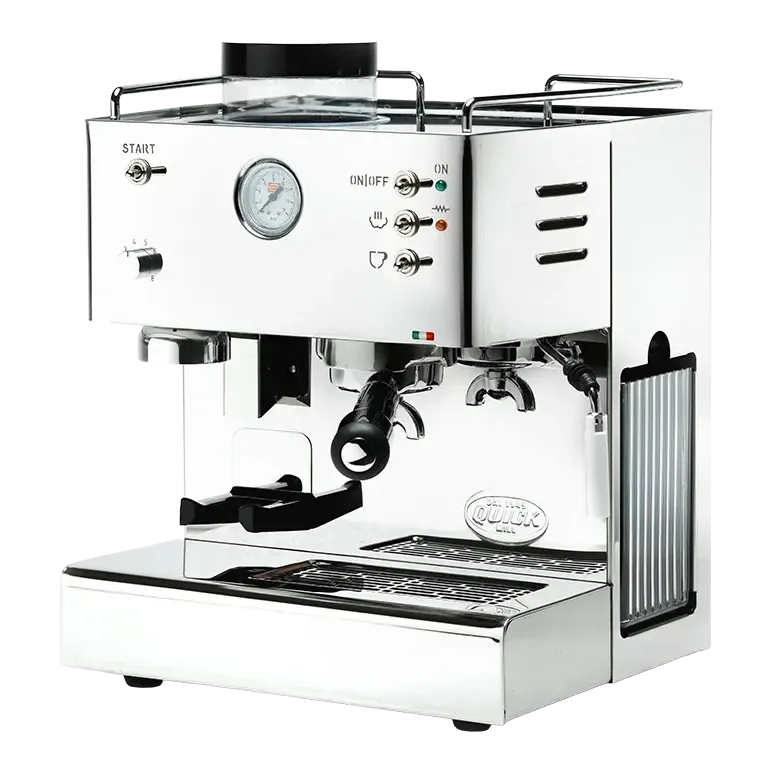
- 156Pegaso 03035Quick Mill · ThermoblockUS$879–1,009
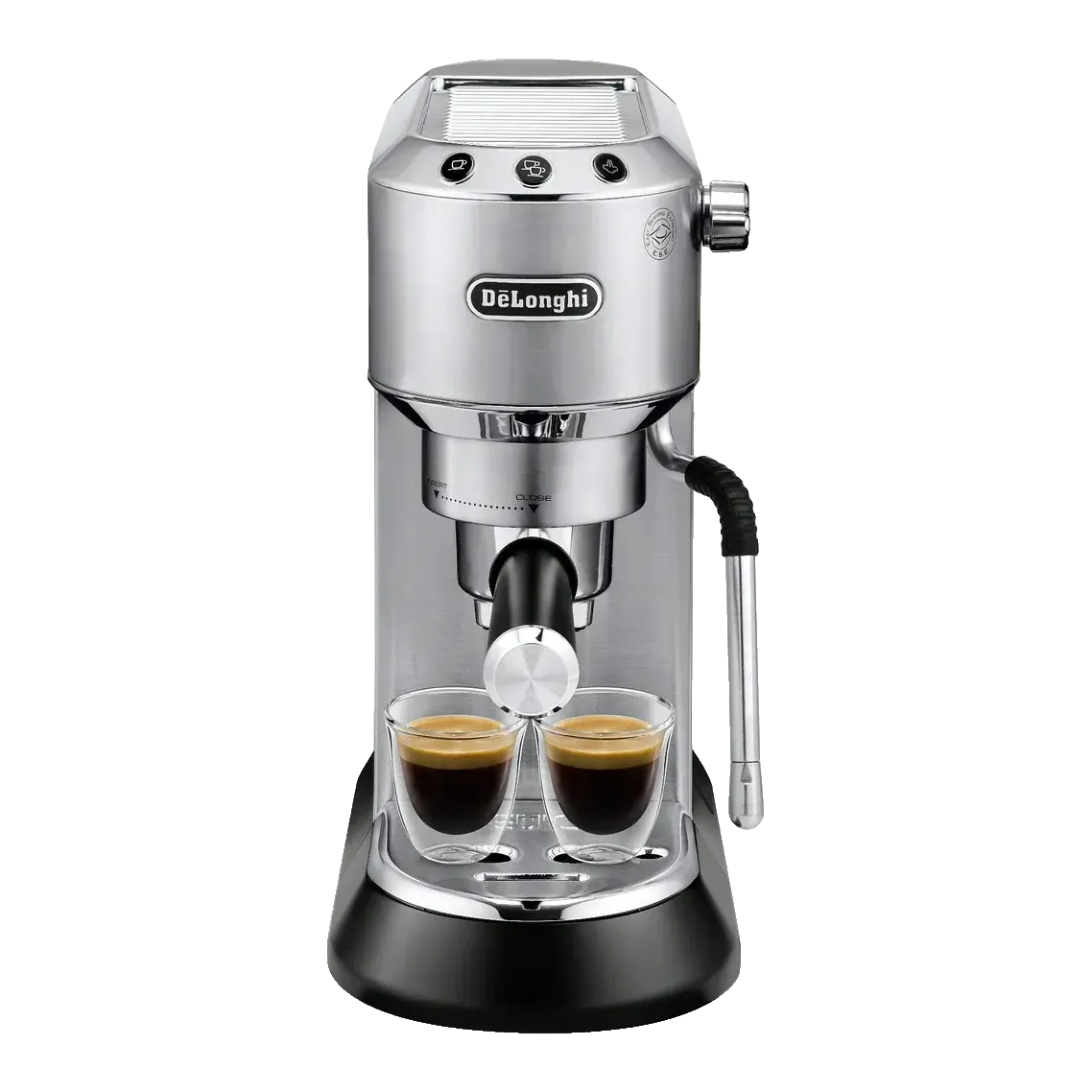
- 157Dedica Arte (EC885M)De'Longhi · ThermoblockCA$235–370
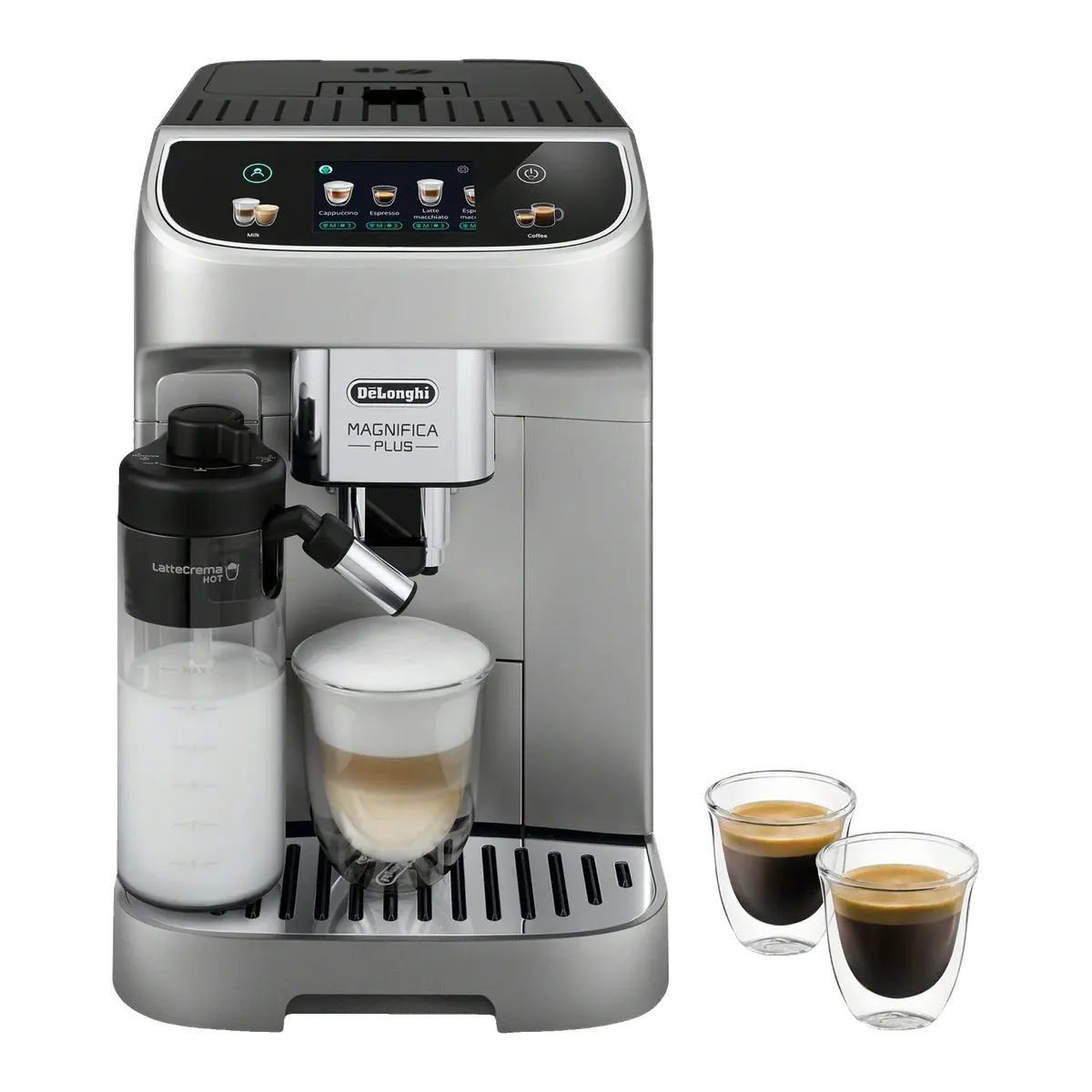
- 158Magnifica Plus (ECAM32070SB)De'Longhi · Super-autoCA$1,195–1,200
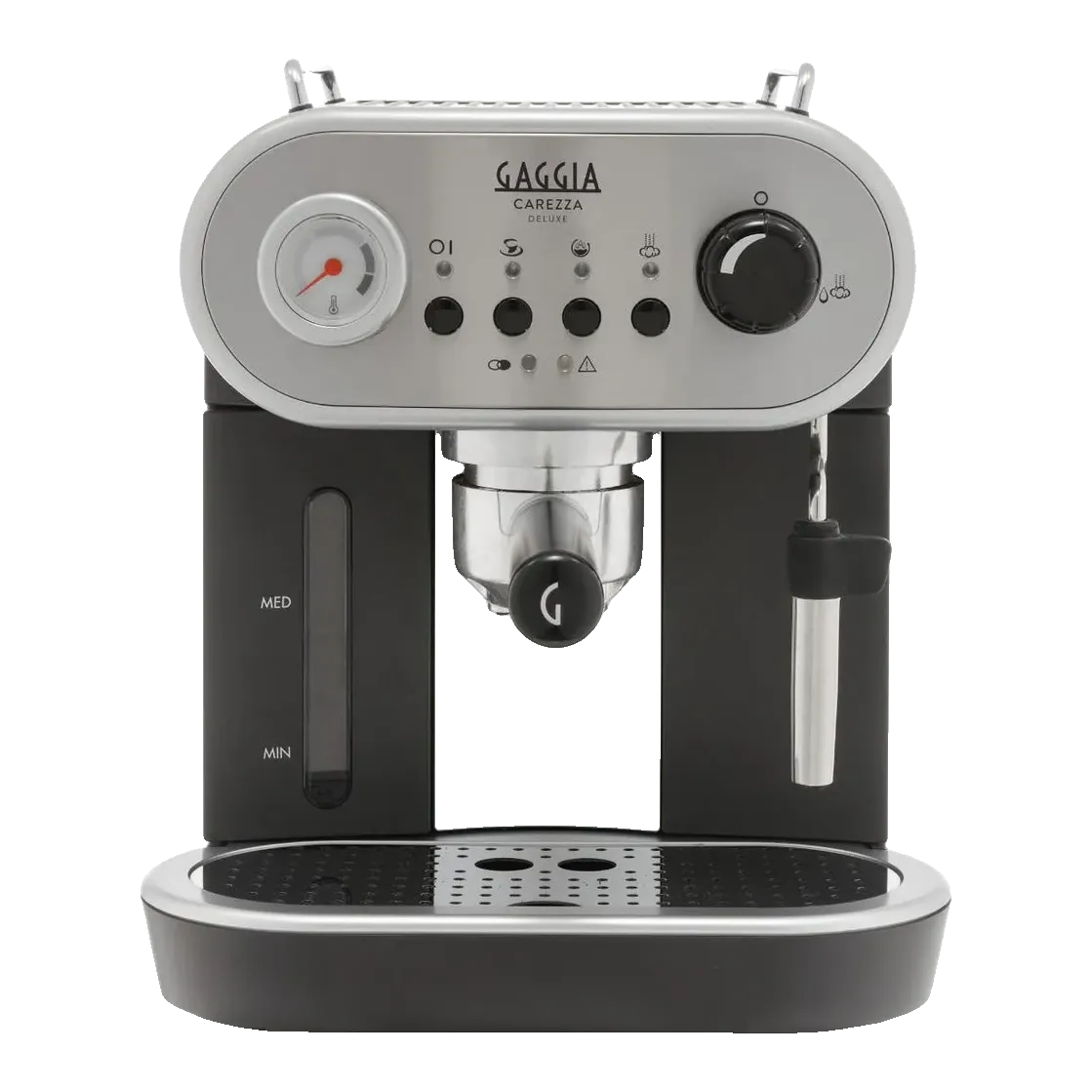
- 159Carezza DeluxeGaggia · ThermoblockUS$199–249
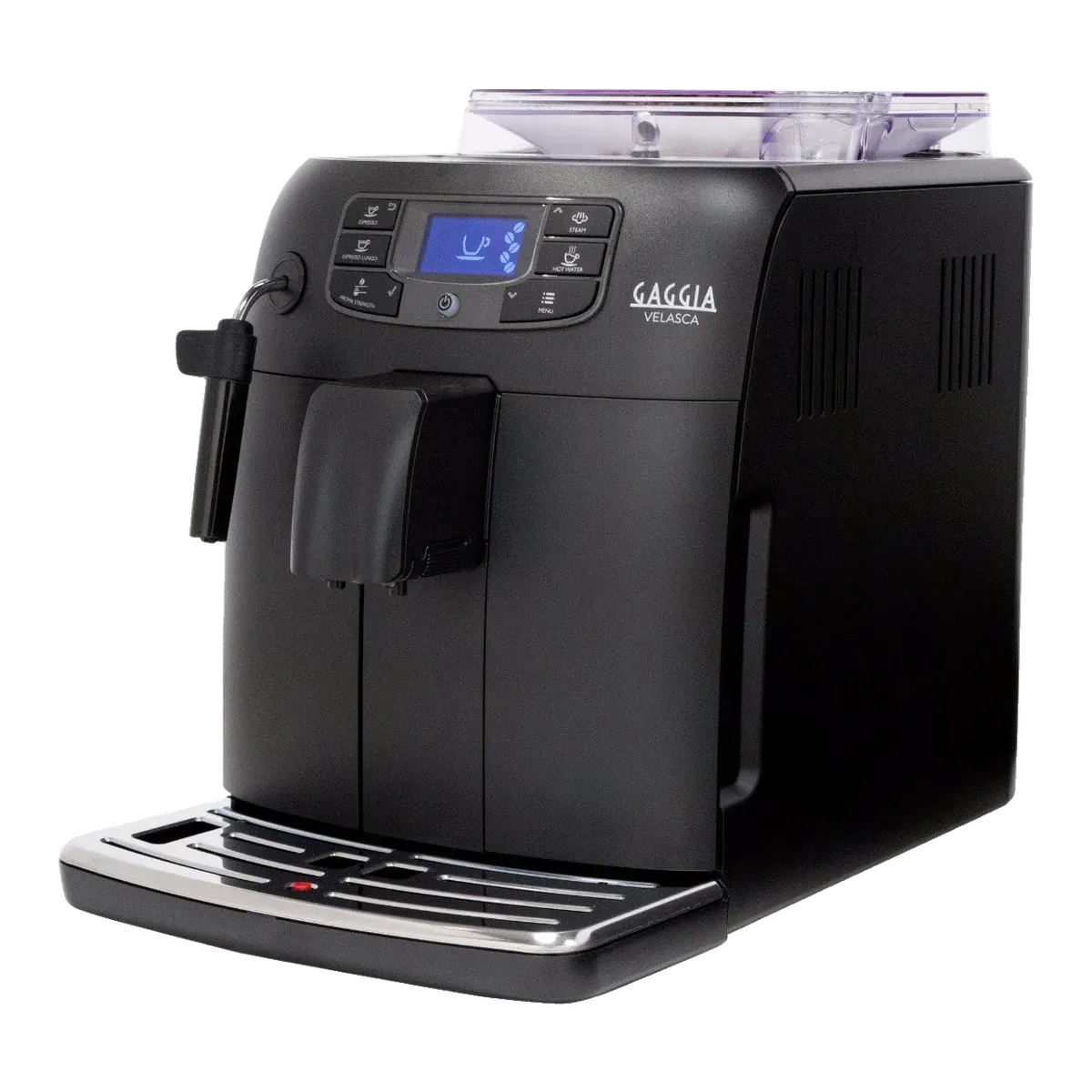
- 160VelascaGaggia · Super-autoUS$649–750
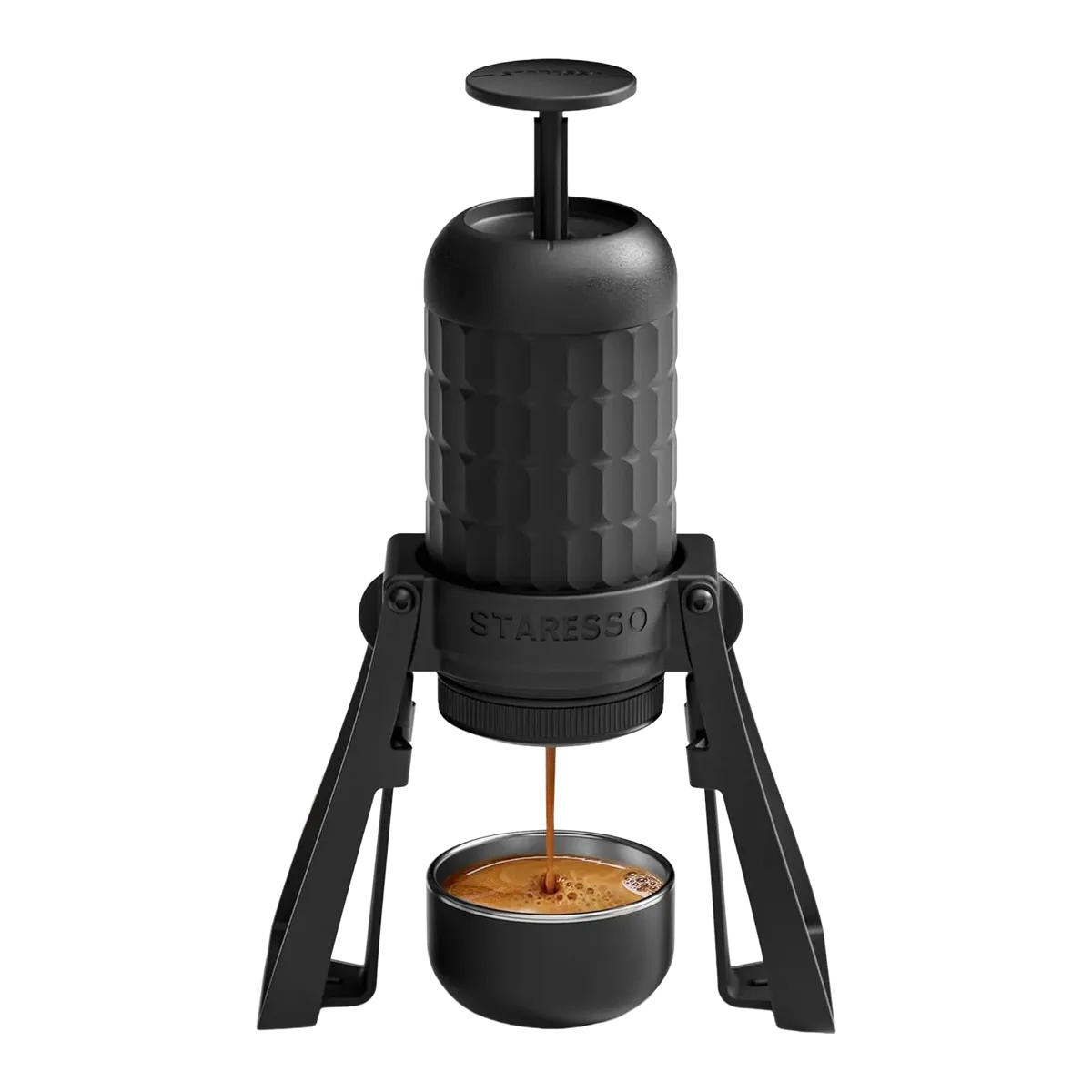
- 161Plus Portable Espresso MakerSTARESSO · ManualUS$89–100
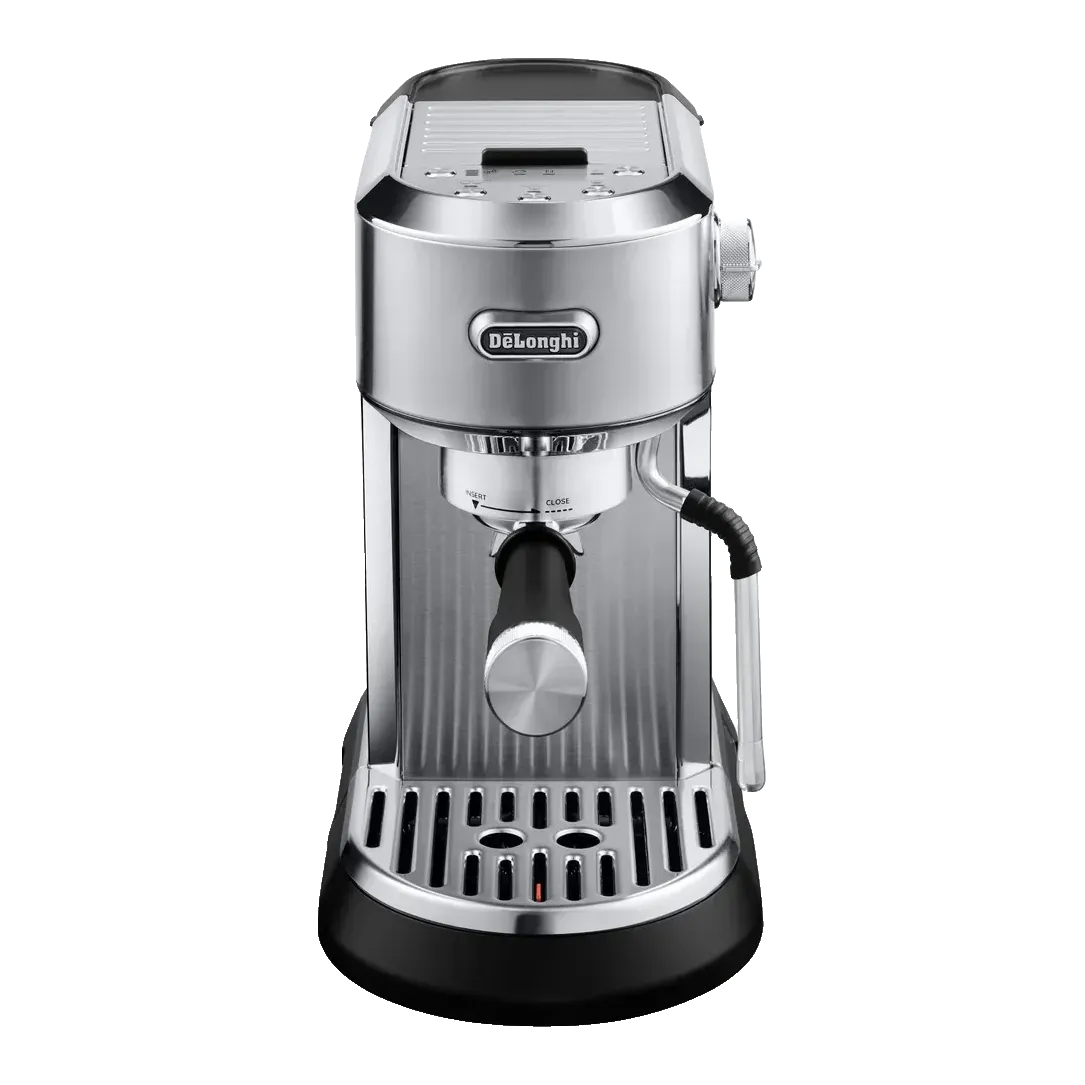
- 162Dedica Maestro (EC900M)De'Longhi · ThermoblockCA$295–300
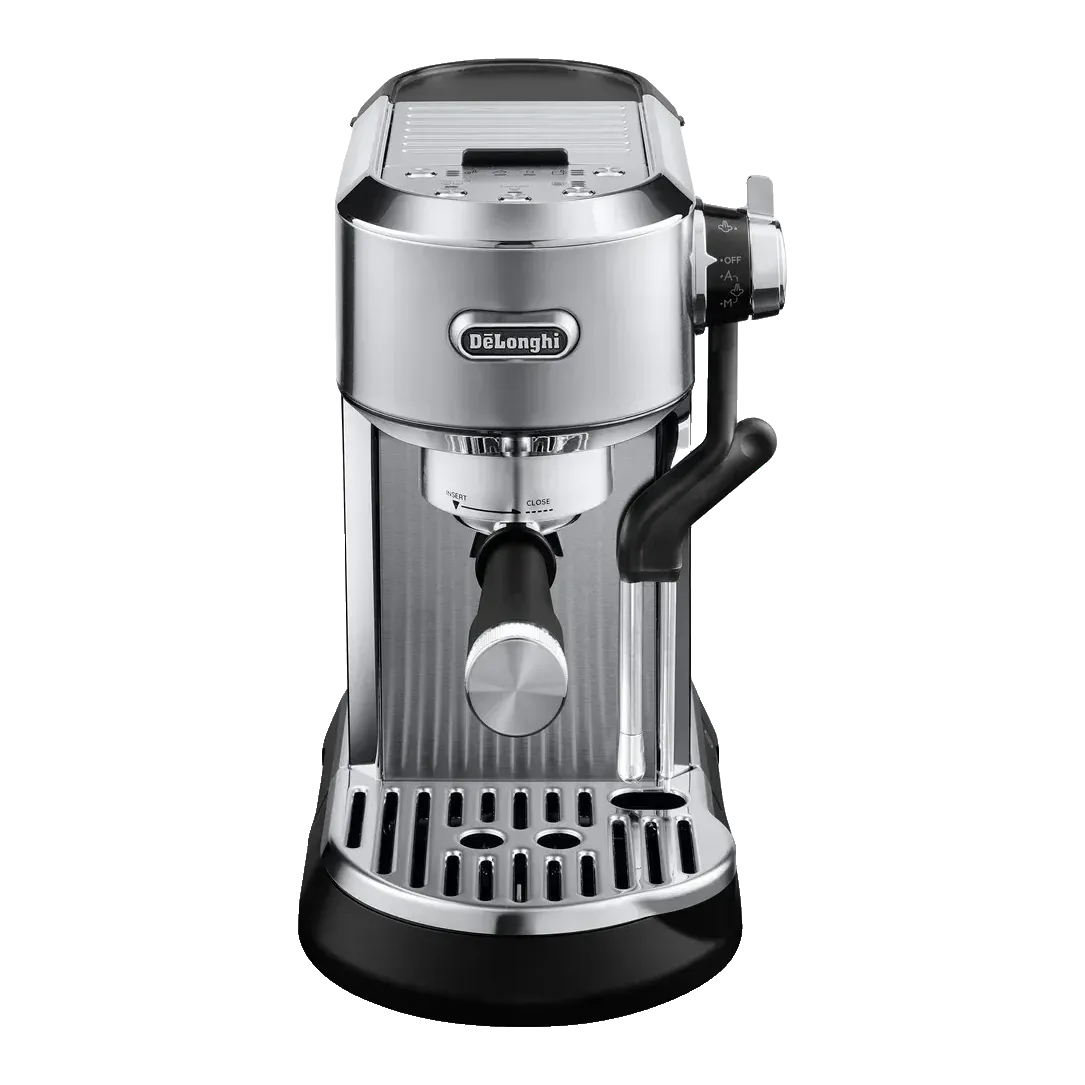
- 163Dedica Maestro Plus (EC950M)De'Longhi · ThermoblockCA$495–550
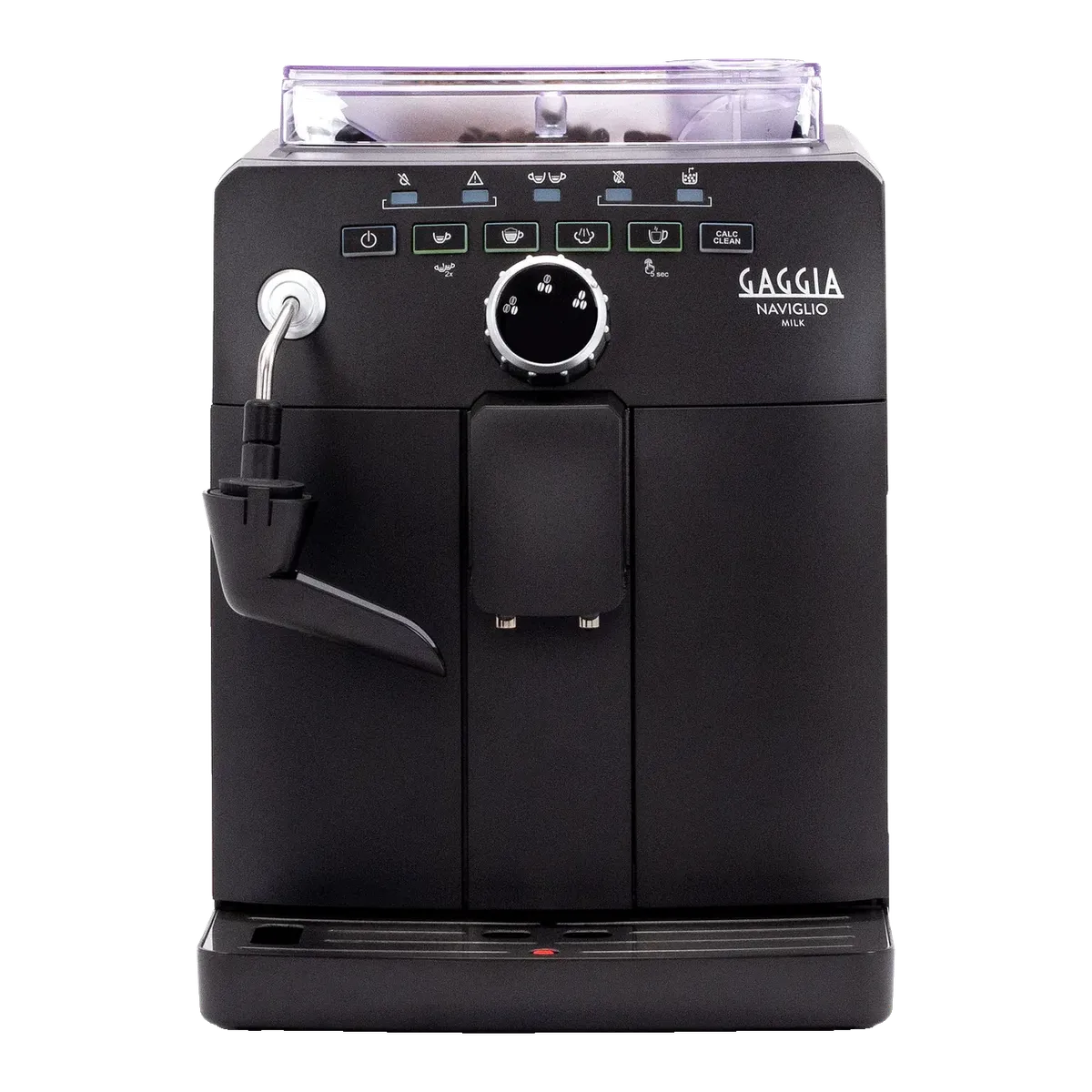
- 164Naviglio (HD8749)Gaggia · Super-autoCA$399–599
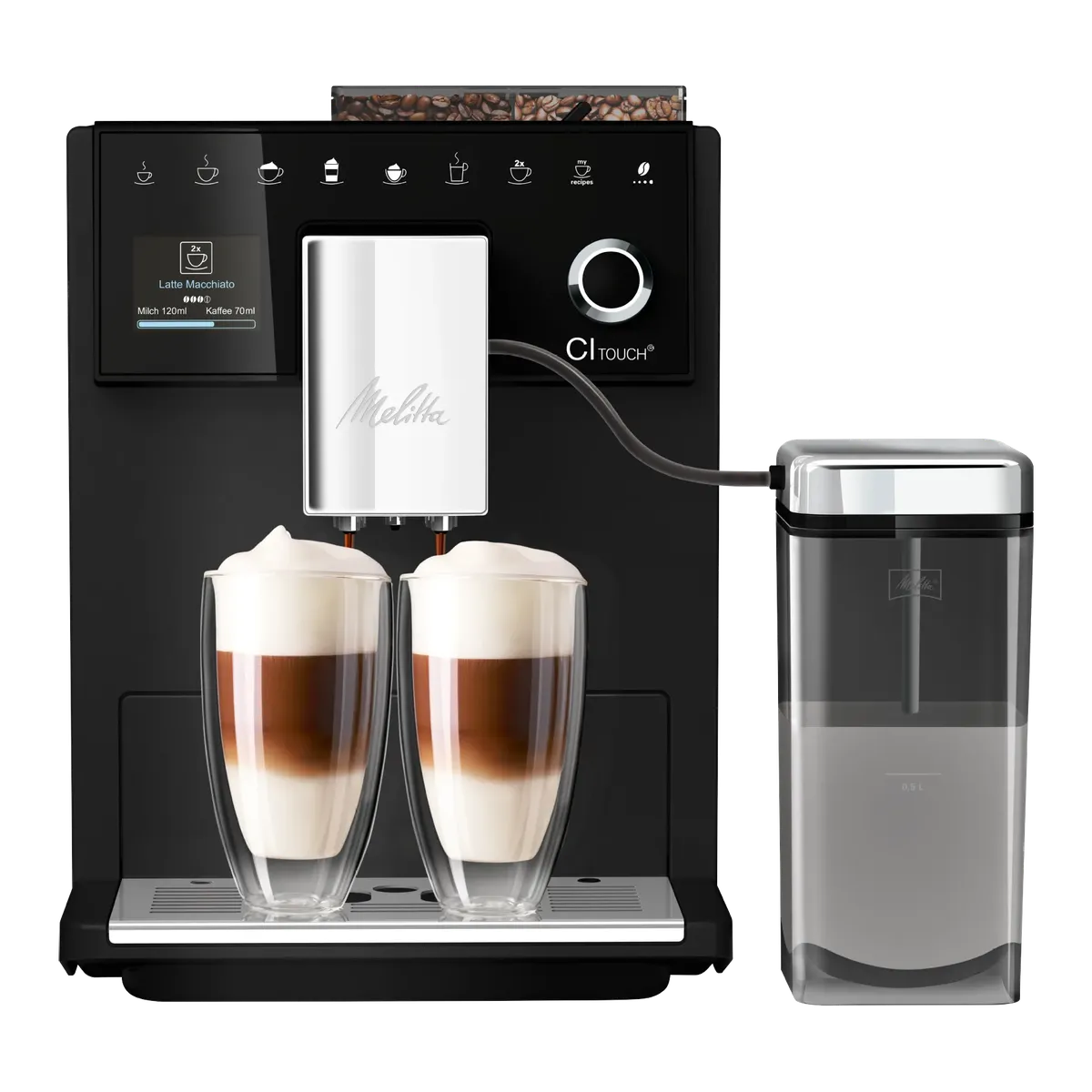
- 165CI TouchMelitta · Super-autoUS$1,900–2,000
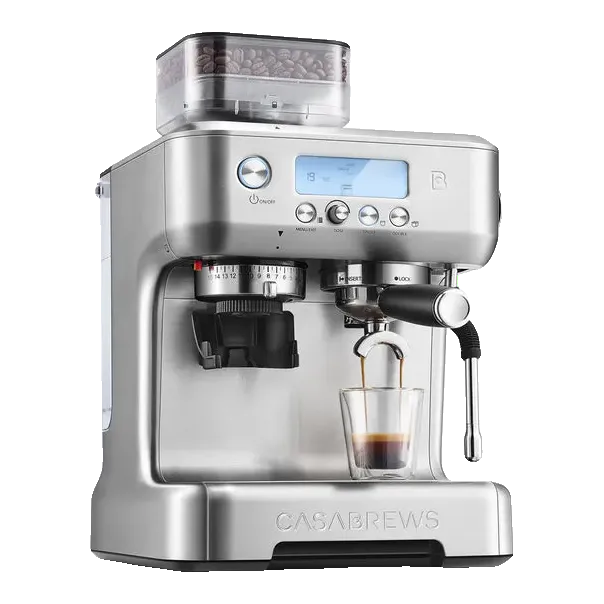
- 1665700PROCasabrews · ThermoblockUS$499–599
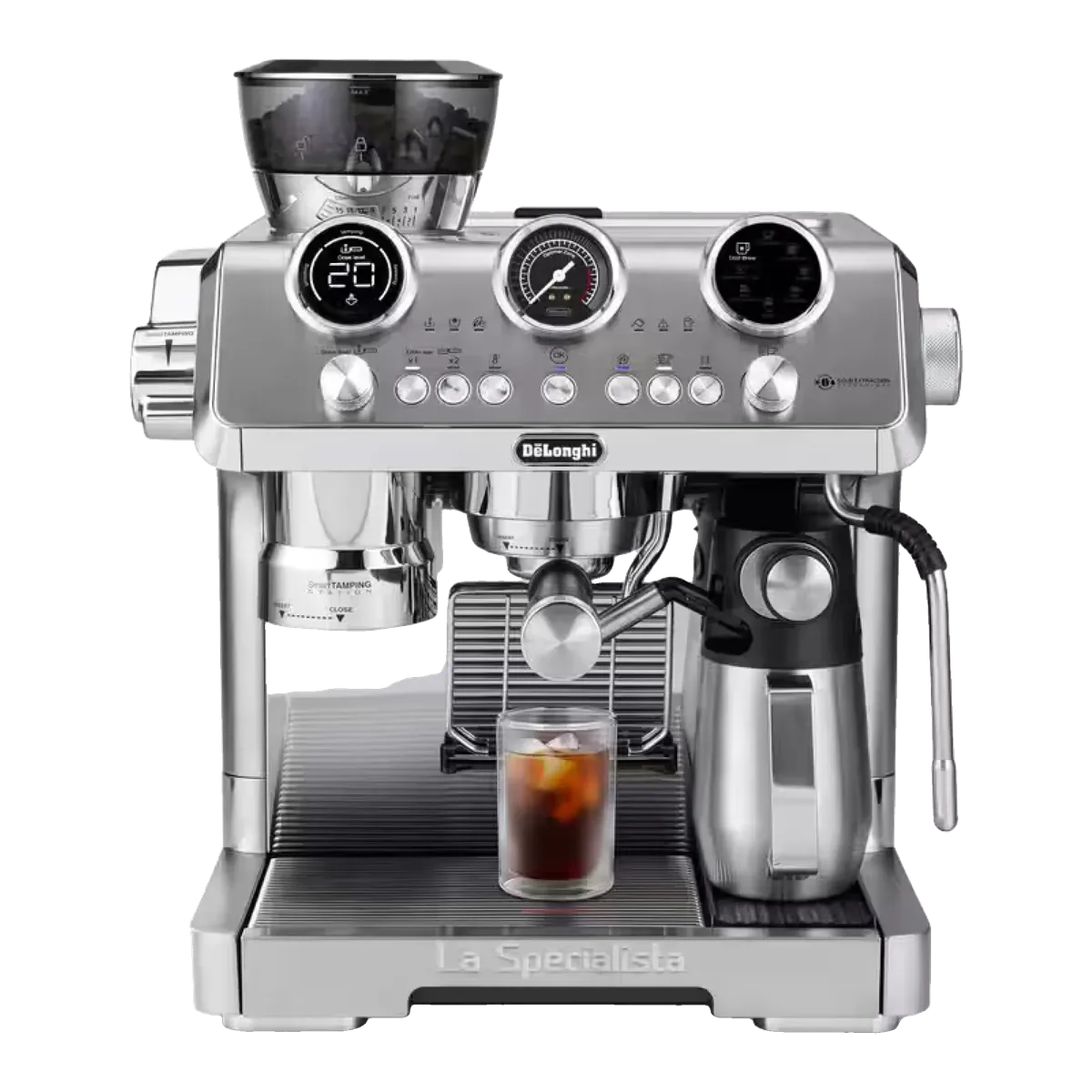
- 167La Specialista Maestro (EC9865M)De'Longhi · ThermoblockCA$1,195–1,400
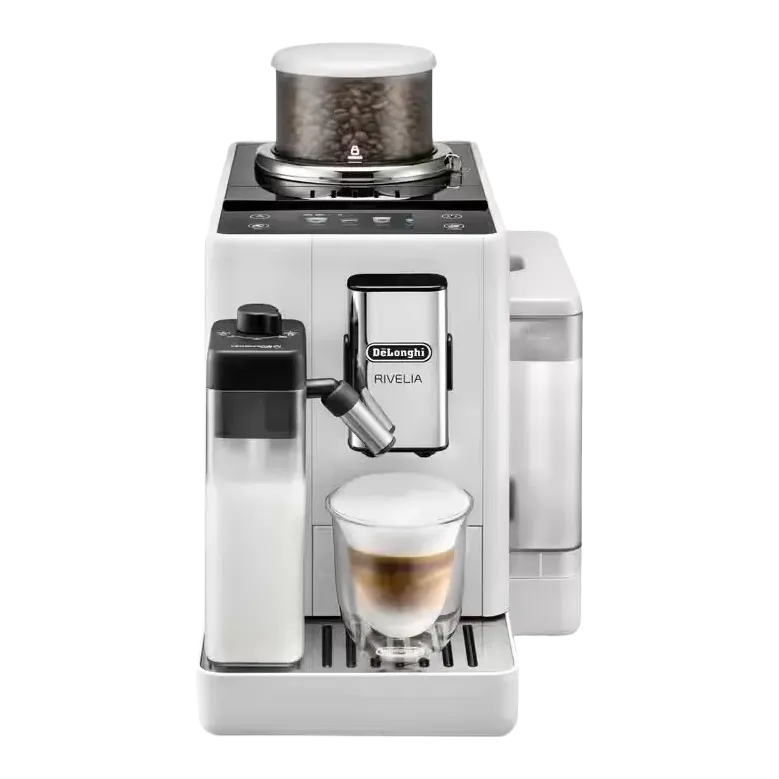
- 168RiveliaDe'Longhi · Super-autoUS$1,199–1,499
- 169EM-25 Espresso DefinedCuisinart · ThermoblockCA$160–220
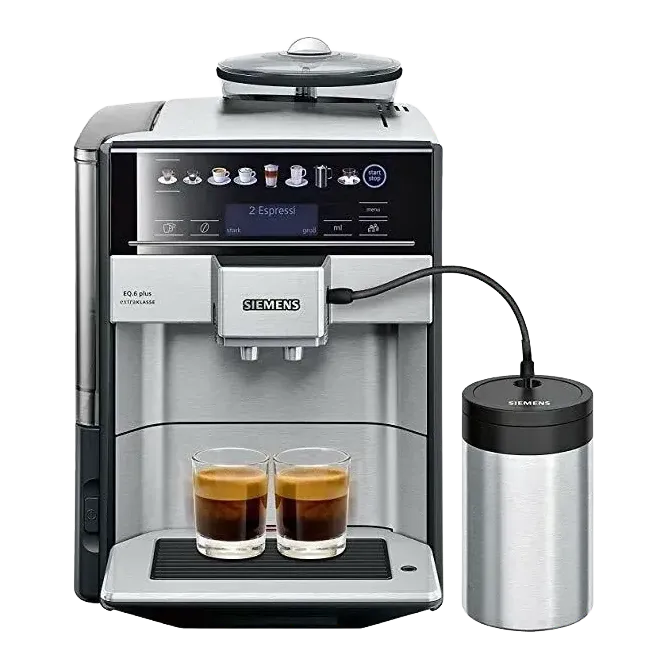
- 170EQ.6 plusSiemens · Super-auto—
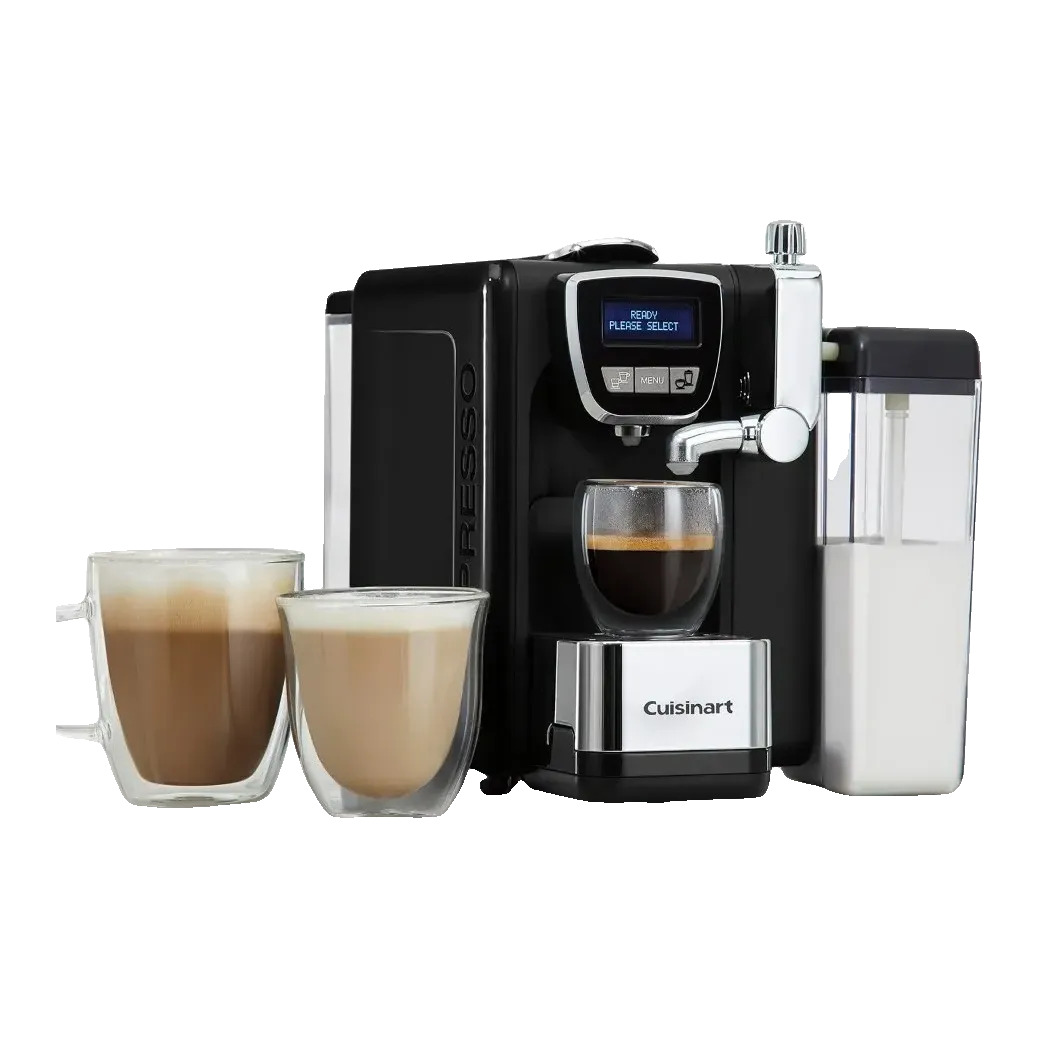
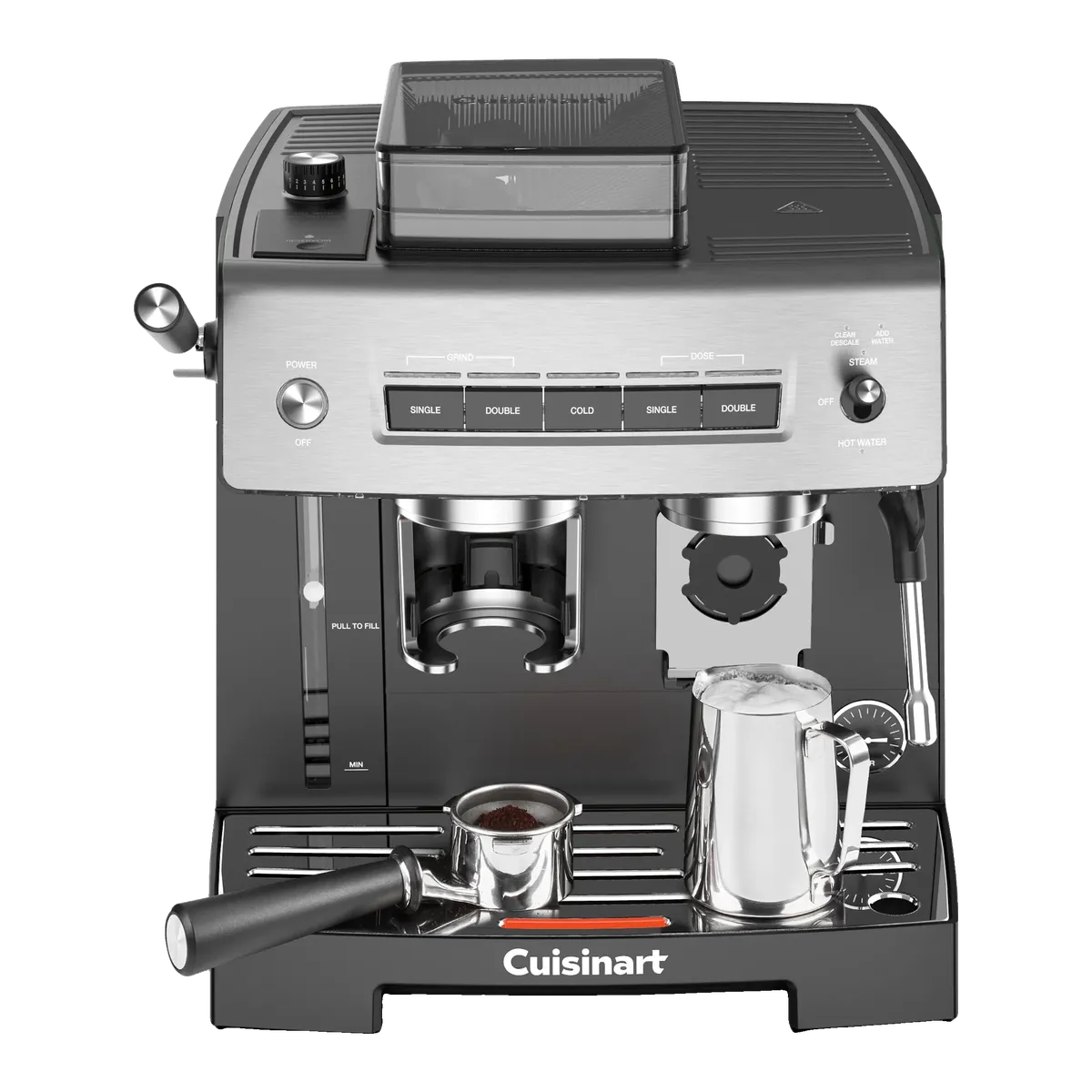
- 171Espresso Bar Grind & Brew (EM-640)Cuisinart · ThermoblockCA$555–800
- The fieldniche picks, contested calls, thin data93
- 172CompressaLondinium · Espresso machineUS$2,515
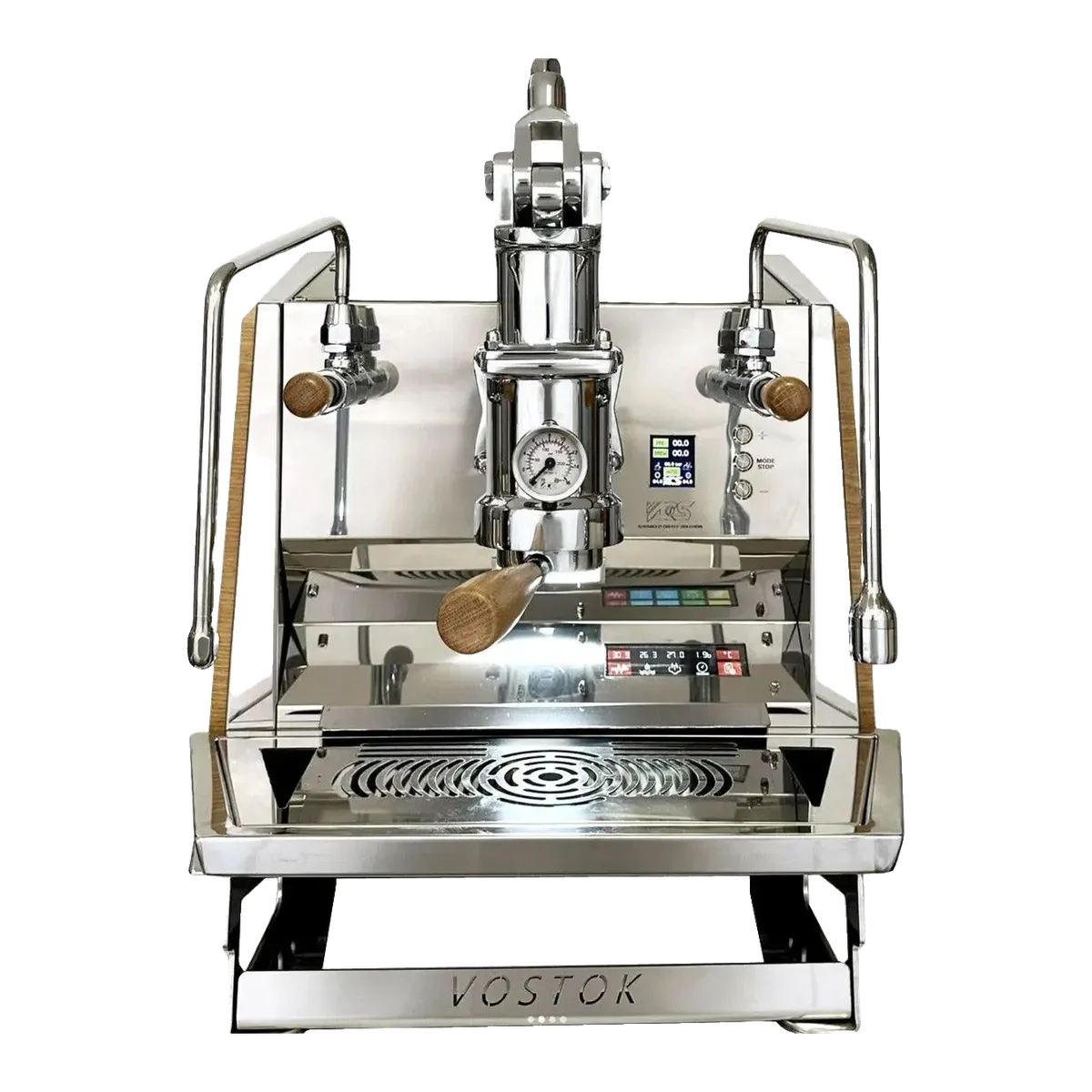
- 173Vostok (1 Group)ACS · LeverUS$7,500
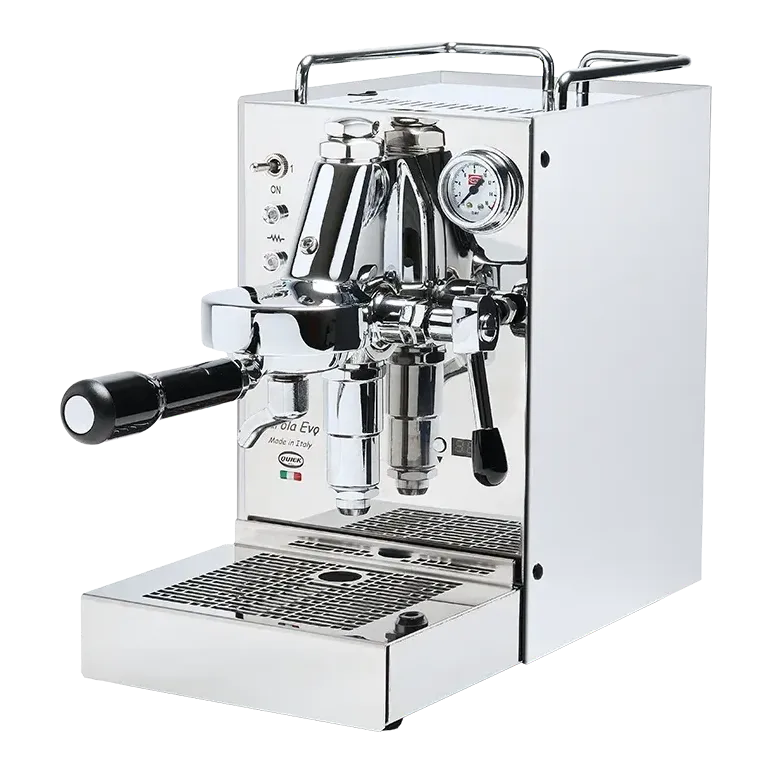
- 174Carola EvoQuick Mill · Single boilerUS$1,295
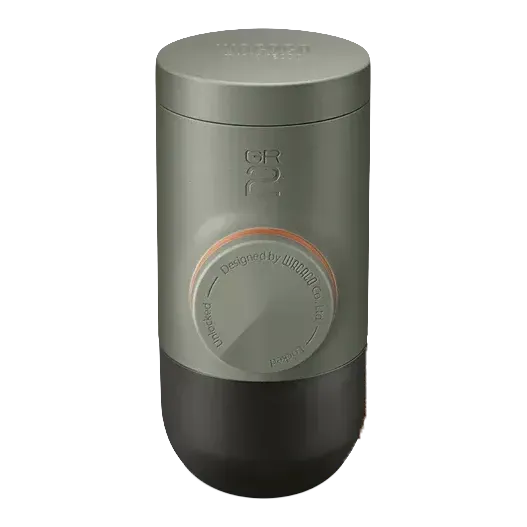
- 175Minipresso GR2Wacaco · ManualCA$75
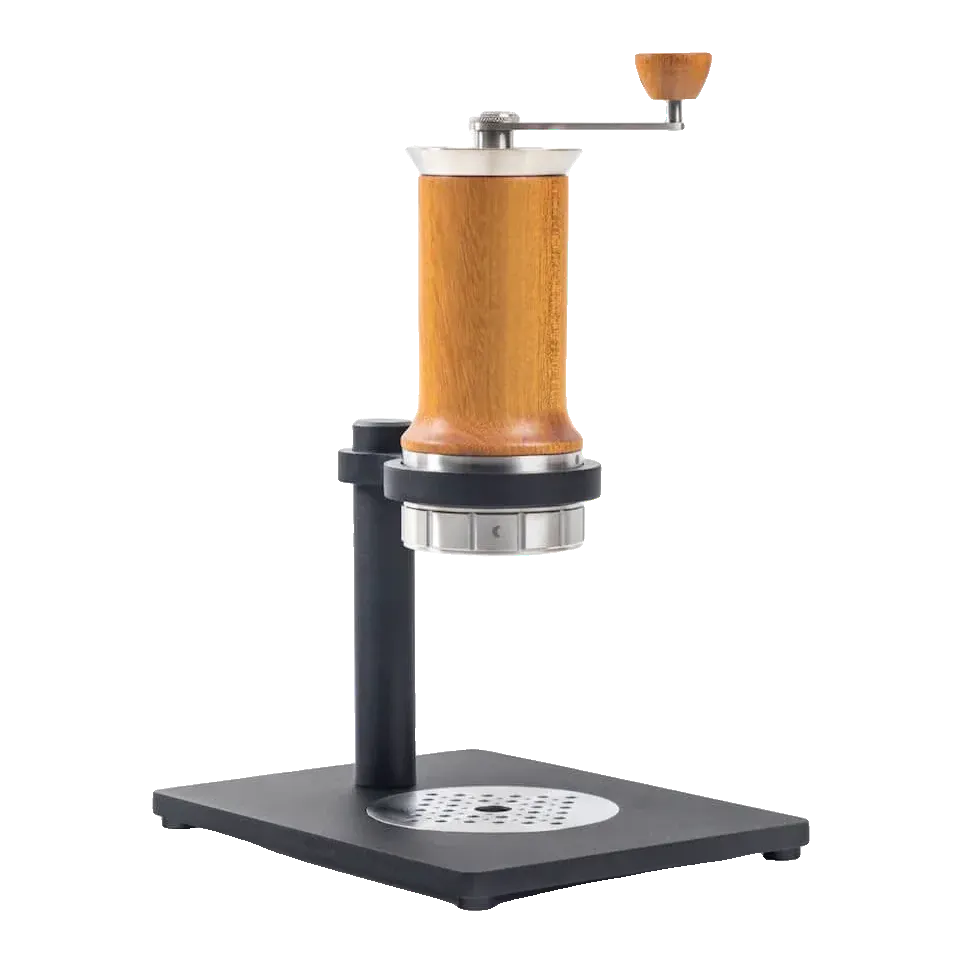
- 176Espresso MakerAram · ManualUS$200–280
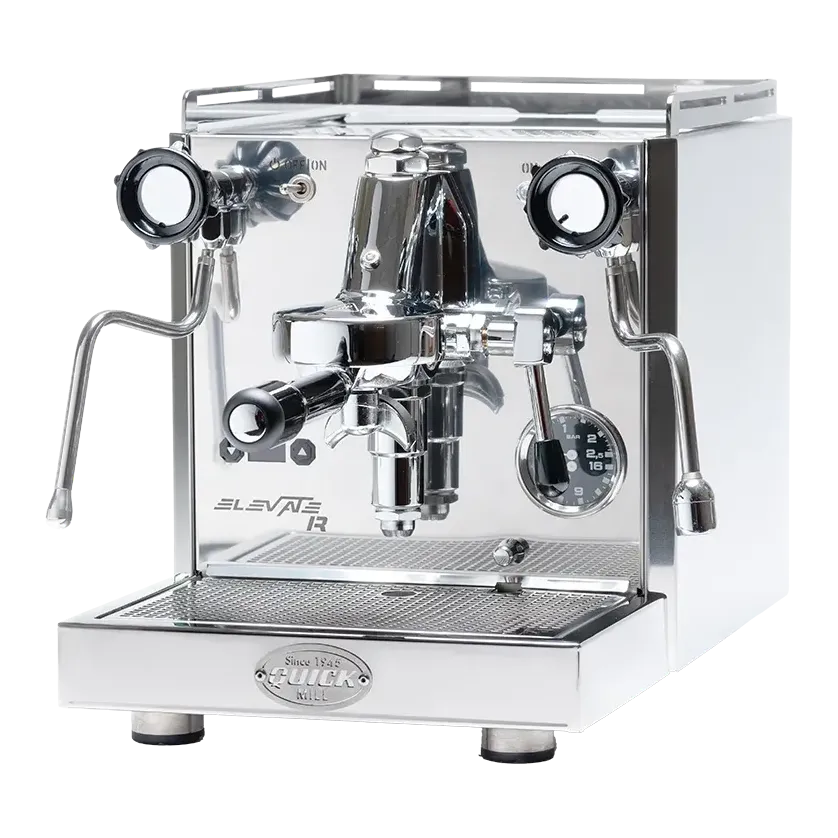
- 177Elevate RQuick Mill · Dual boiler—
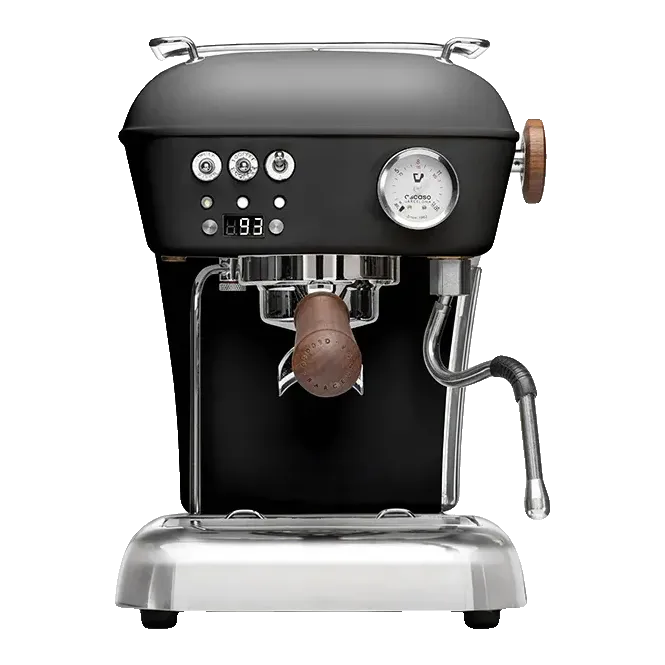
- 178Dream PID VersatileAscaso · Single boilerCA$1,810–2,460
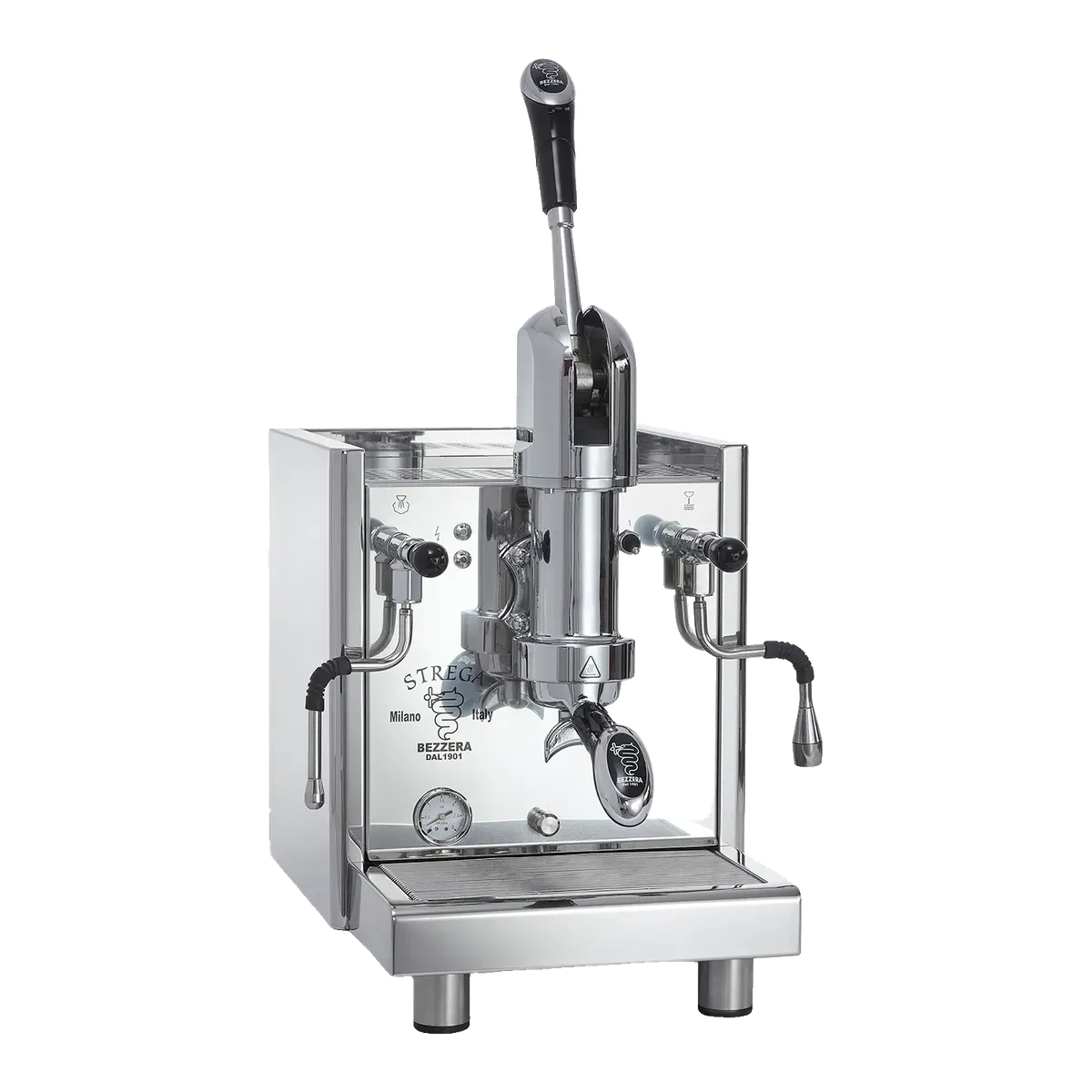
- 179StregaBezzera · Heat exchangerCA$3,495–3,995
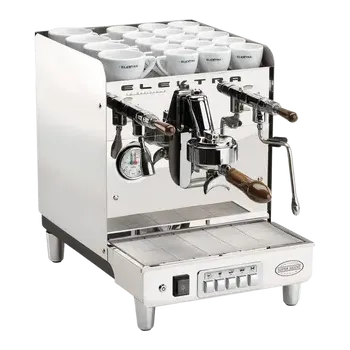
- 180T1 Sixties DeliziosaElektra · Heat exchanger—
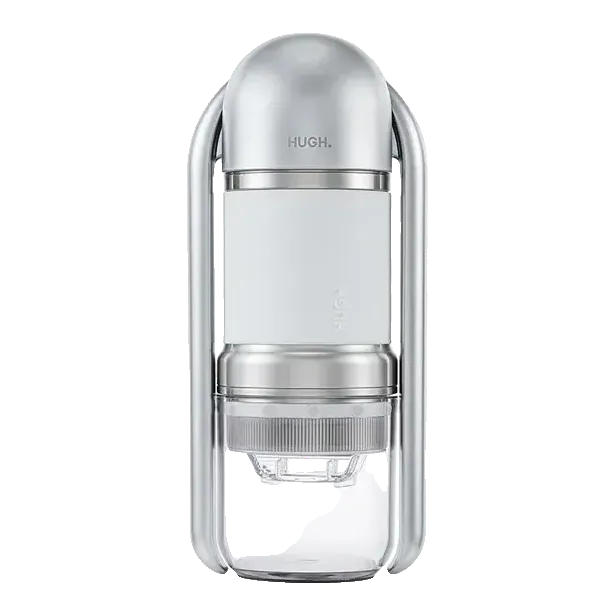
- 181Hugh Leverpresso ProHUGH Inc. · ManualUS$430
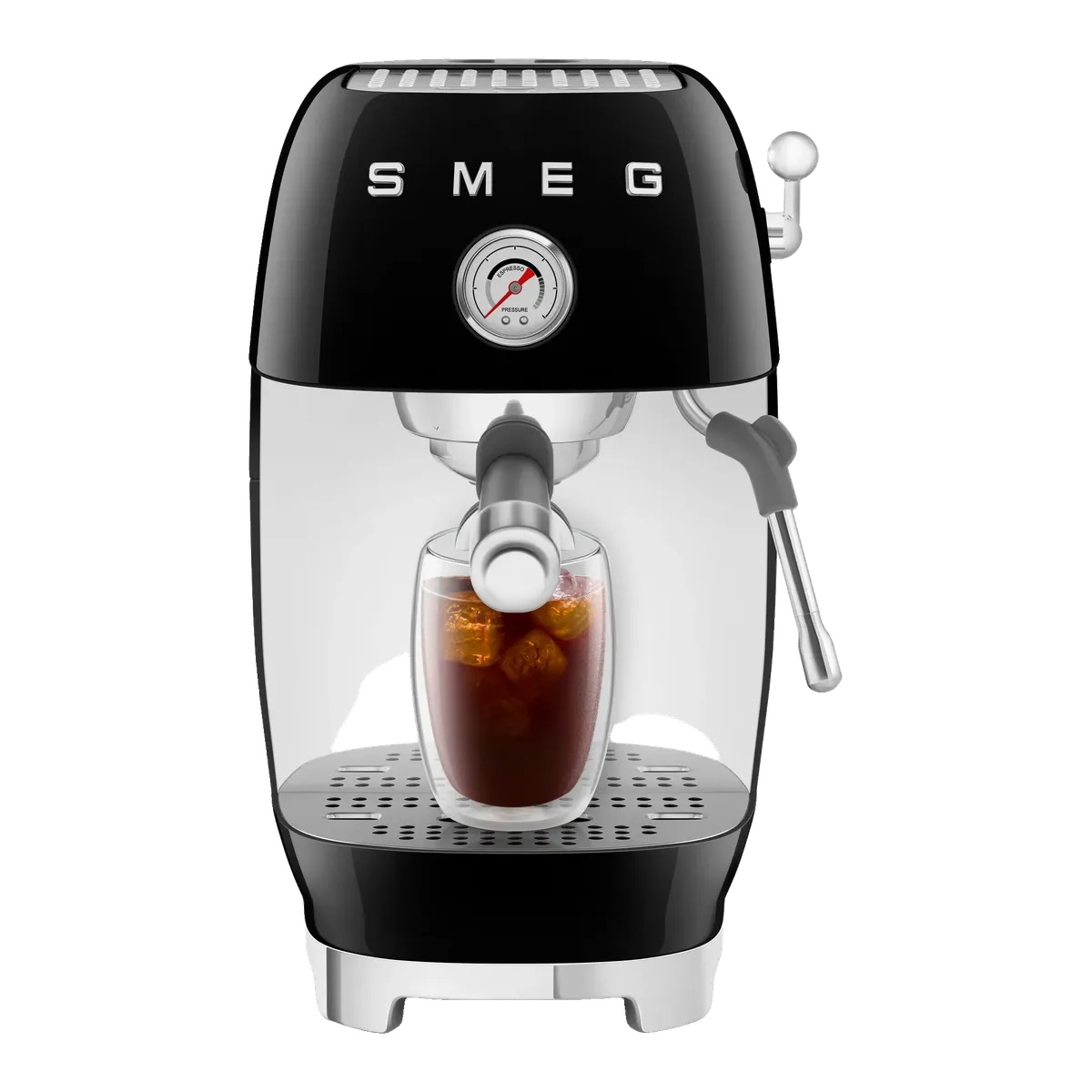
- 182ECF03 Espresso & Cold Brew MachineSmeg · ThermoblockUS$649–699
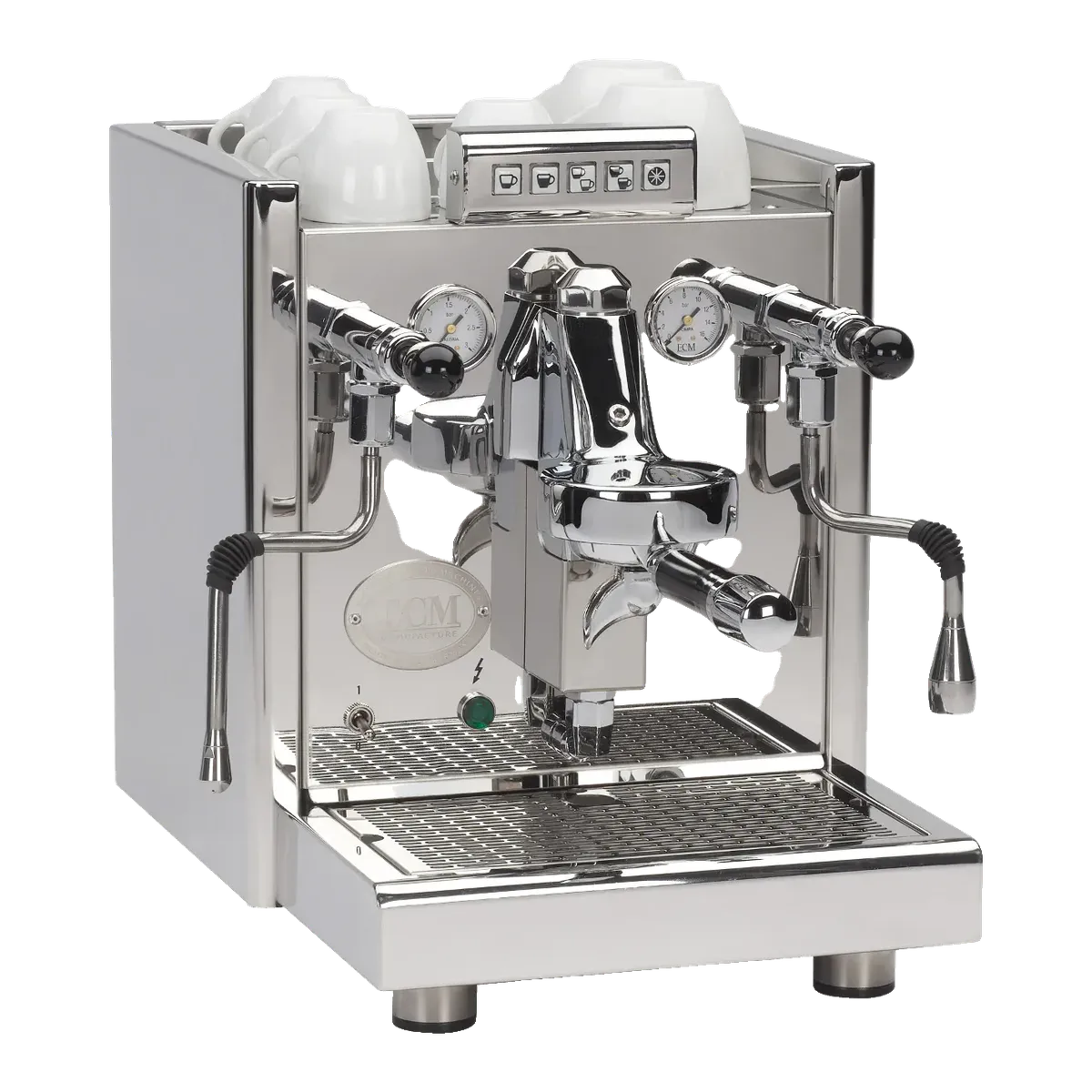
- 183Elektronika II Profi SwitchableECM · Heat exchanger—
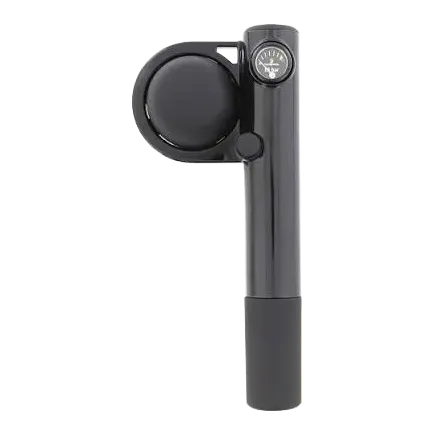
- 184PumpHandpresso · ManualCA$129–149
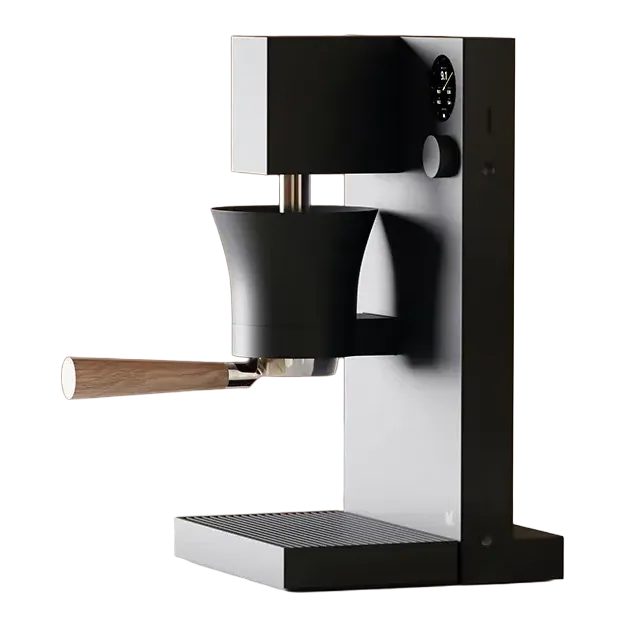
- 185EspressoMeticulous · LeverUS$1,850–2,250
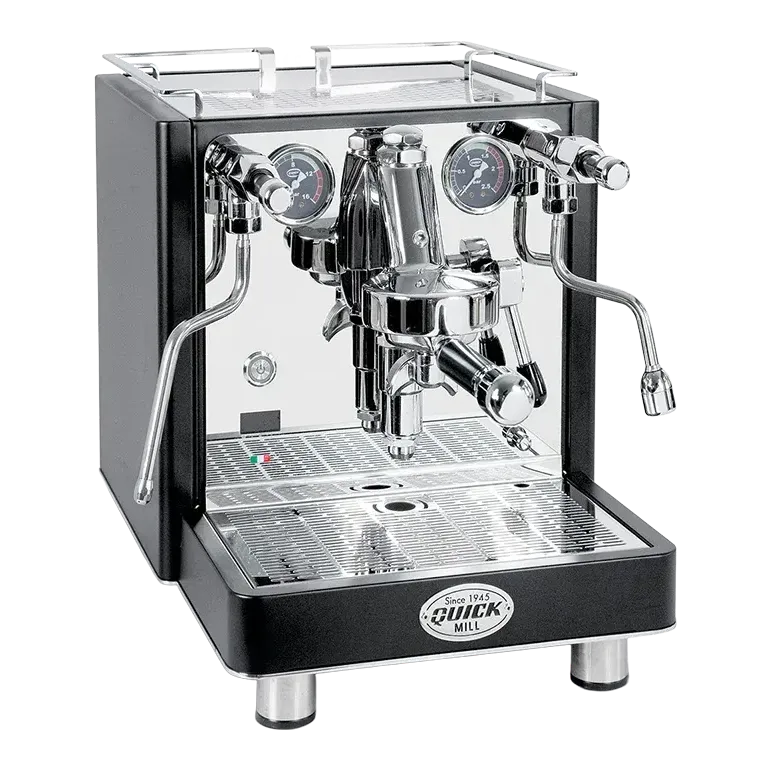
- 186EssenceQuick Mill · Dual boilerCA$1,290–1,295
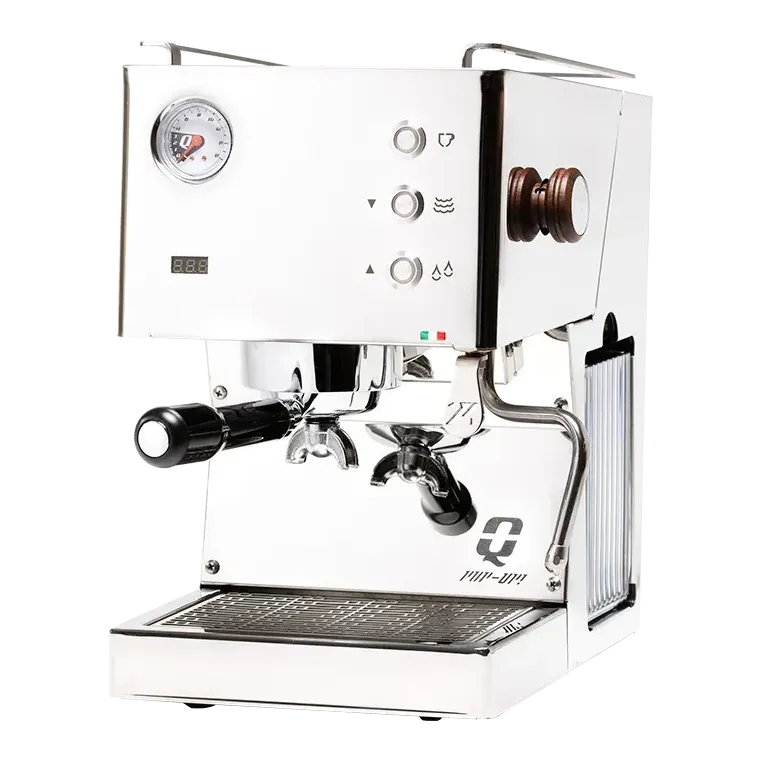
- 187Pop UpQuick Mill · Single boilerCA$1,294–1,549
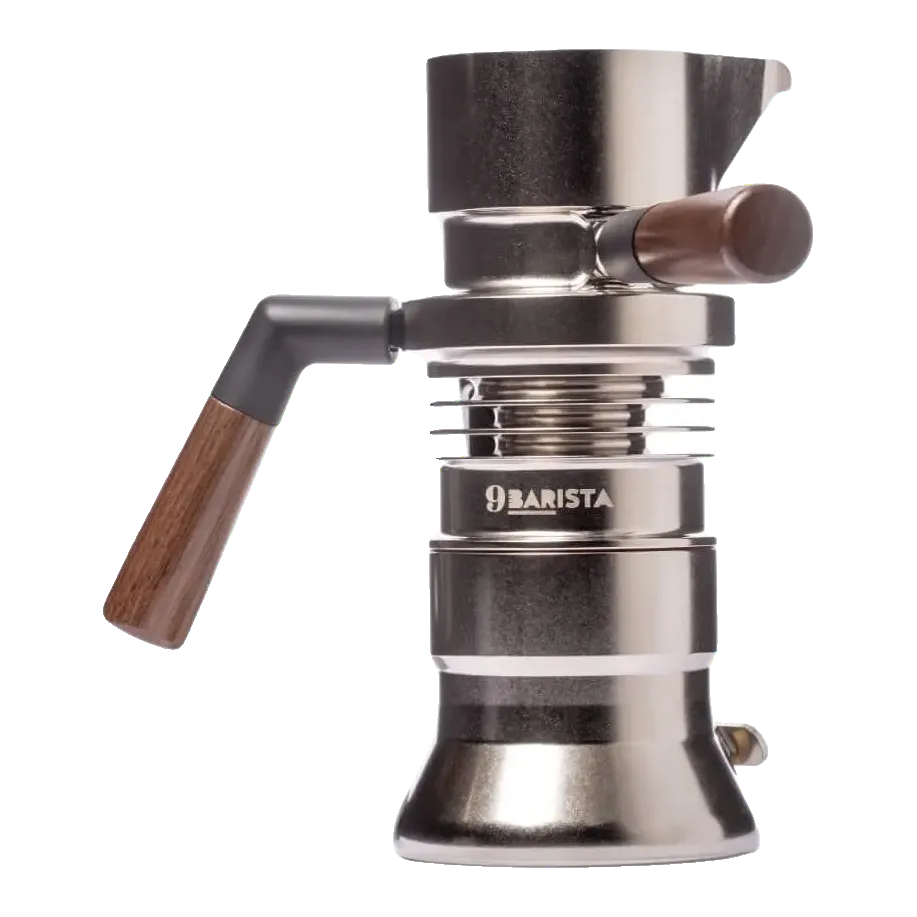
- 188Mk.29Barista · ManualUS$699
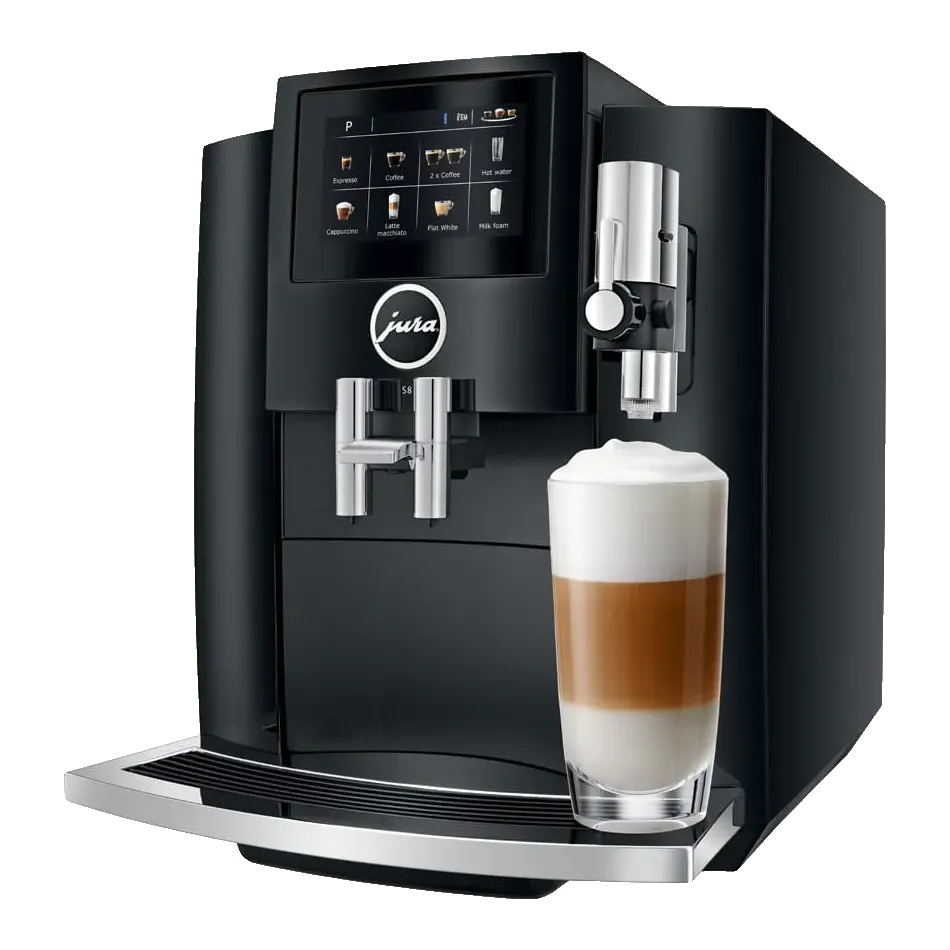
- 189S8Jura · Super-autoCA$3,715–3,795
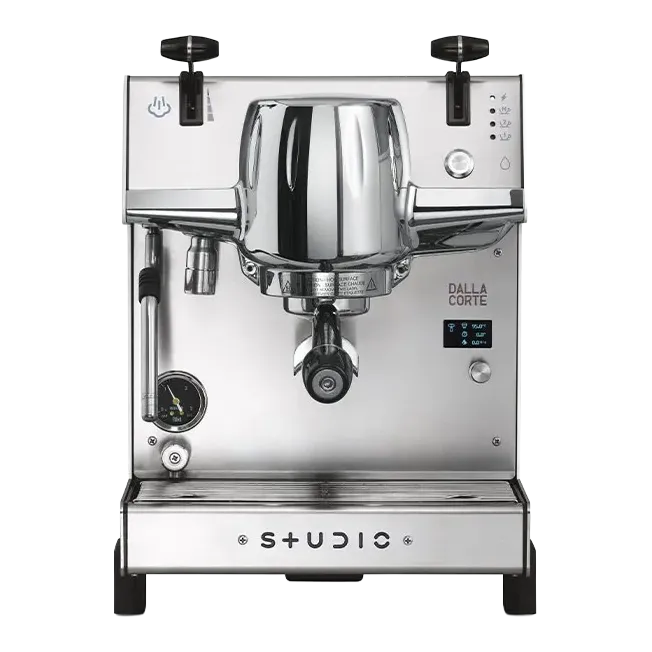
- 190StudioDalla Corte · Dual boiler—
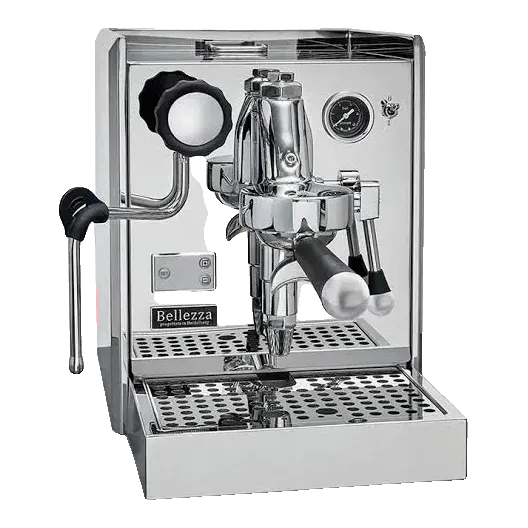
- 191ChiaraBellezza · Heat exchangerUS$900–1,200
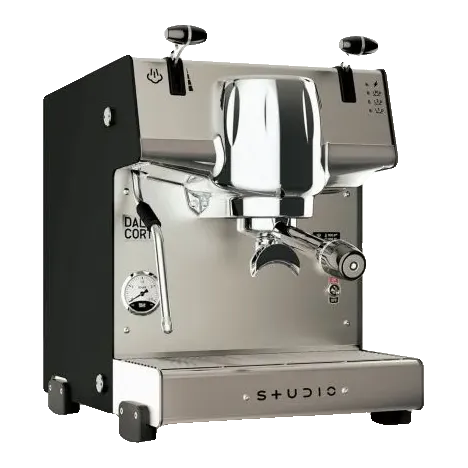
- 192Studio AquaDalla Corte · Dual boiler—
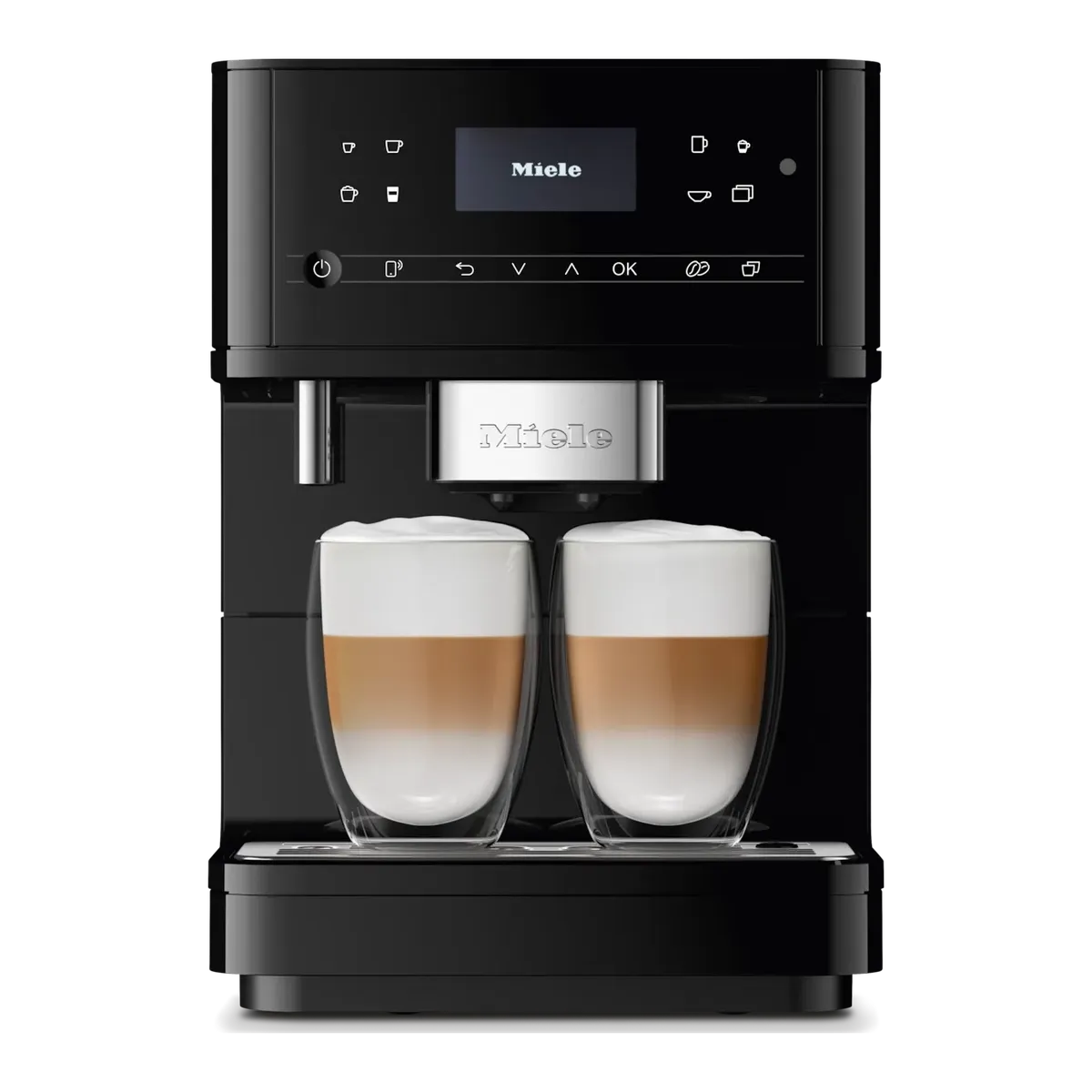
- 193CM 6160 MilkPerfectionMiele · Super-autoCA$2,099
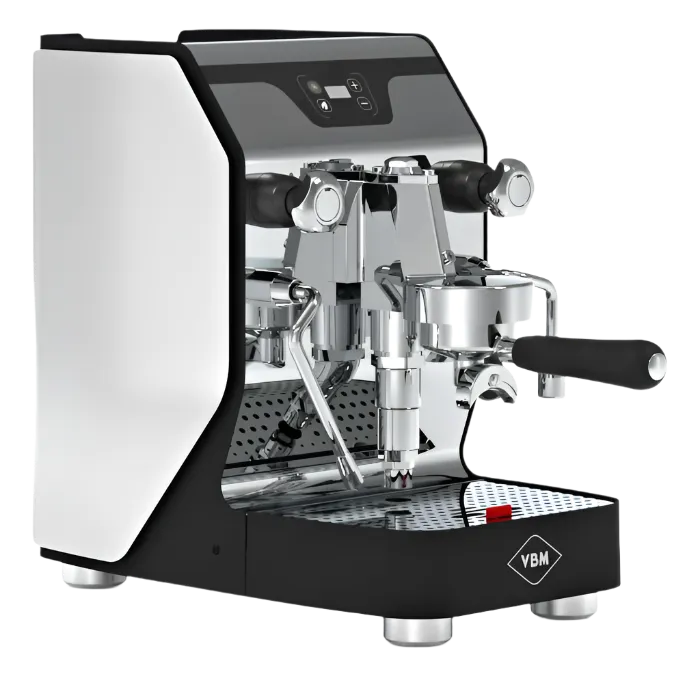
- 194VBM Domobar Junior DigitalVBM (Vibiemme) · Heat exchangerUS$1,200–1,600
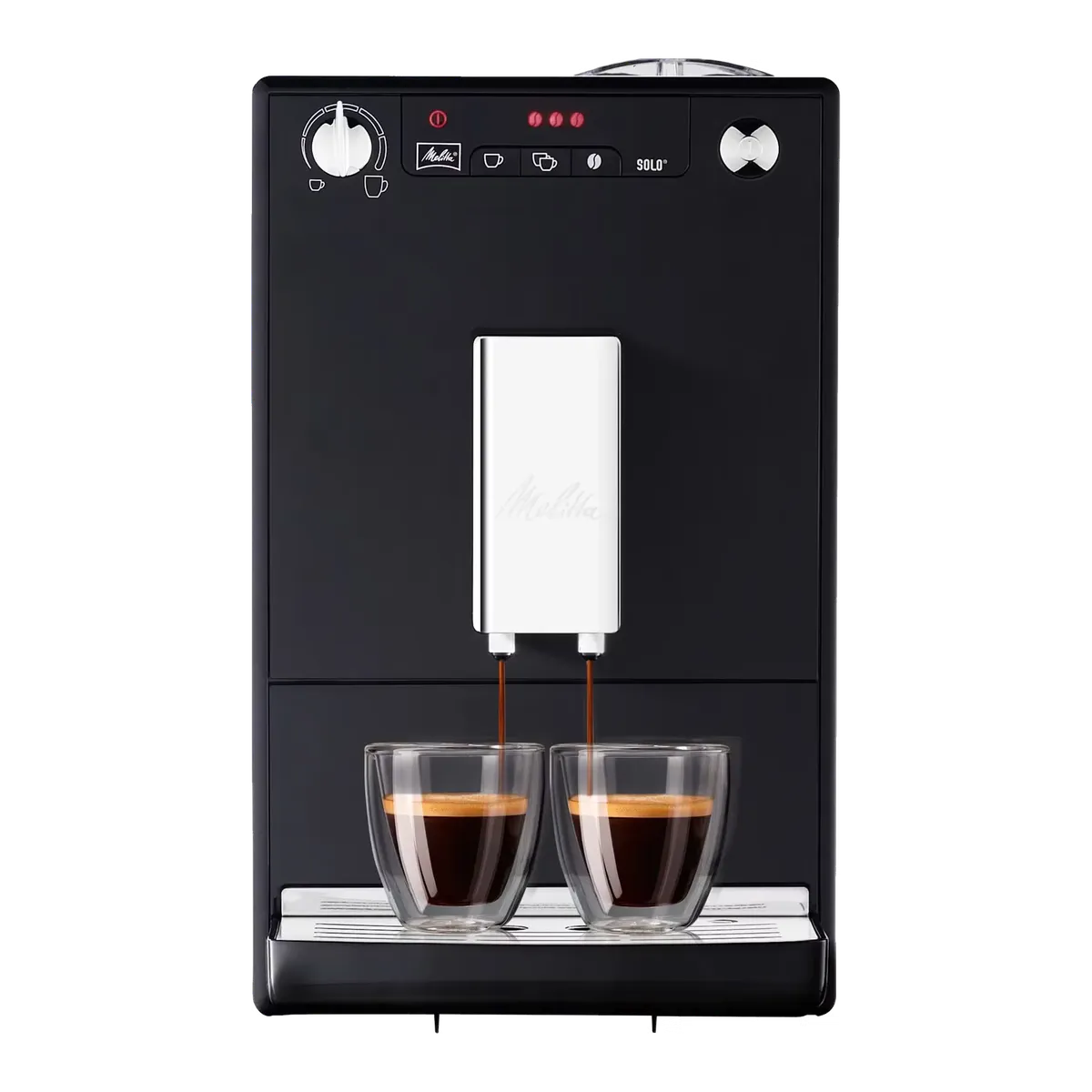
- 195Caffeo Solo (E950)Melitta · Super-autoUS$350–450
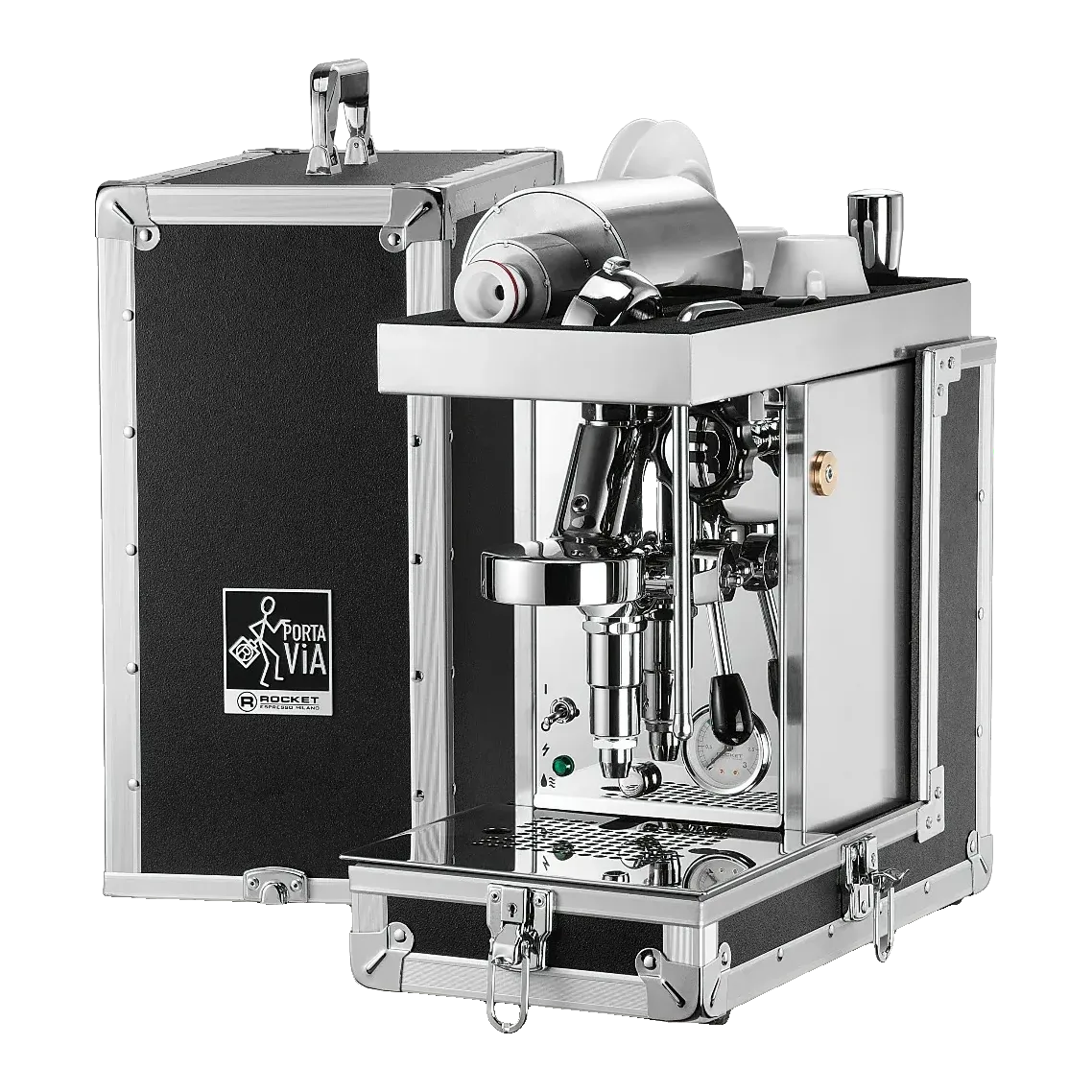
- 196Porta ViaRocket Espresso · Heat exchangerCA$2,330–2,995
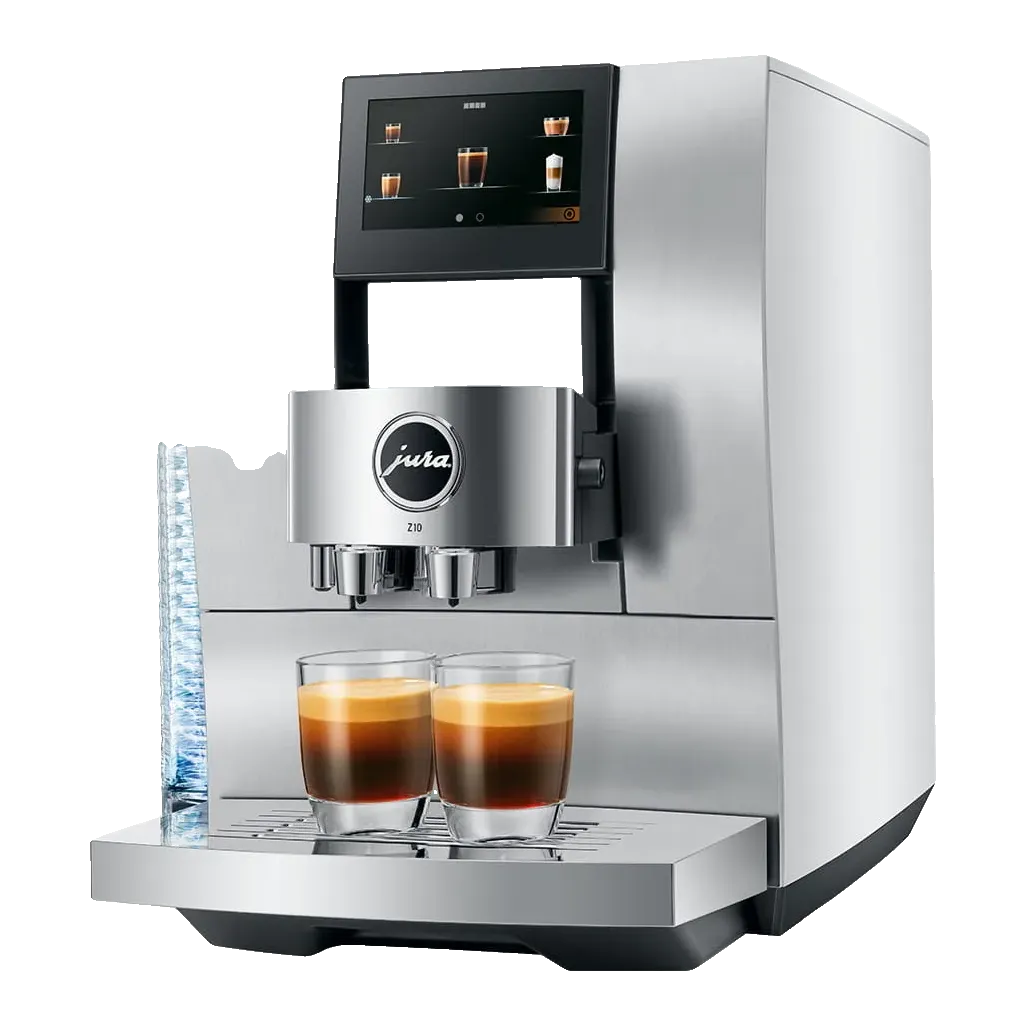
- 197Z10Jura · Super-autoUS$3,999–4,499
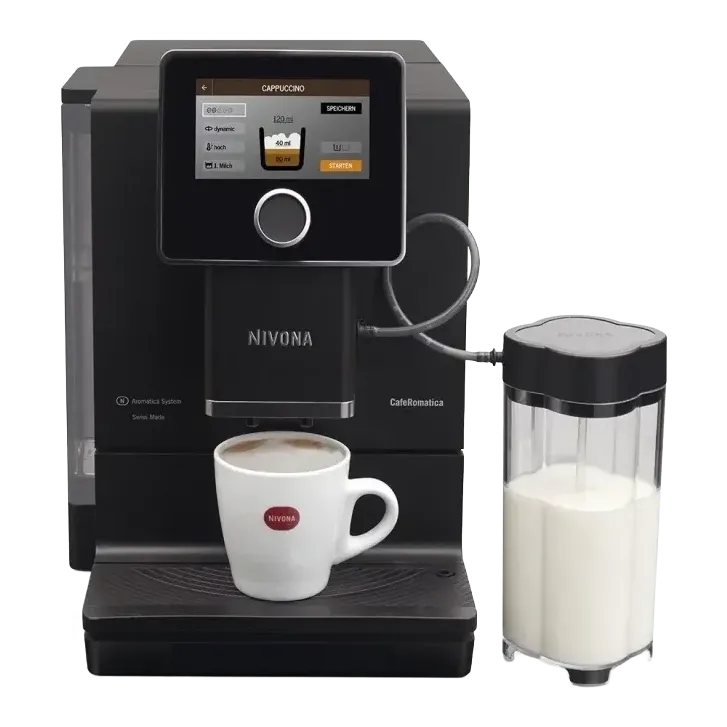
- 198CafeRomatica NICR 960Nivona · Super-autoCA$1,800–2,200
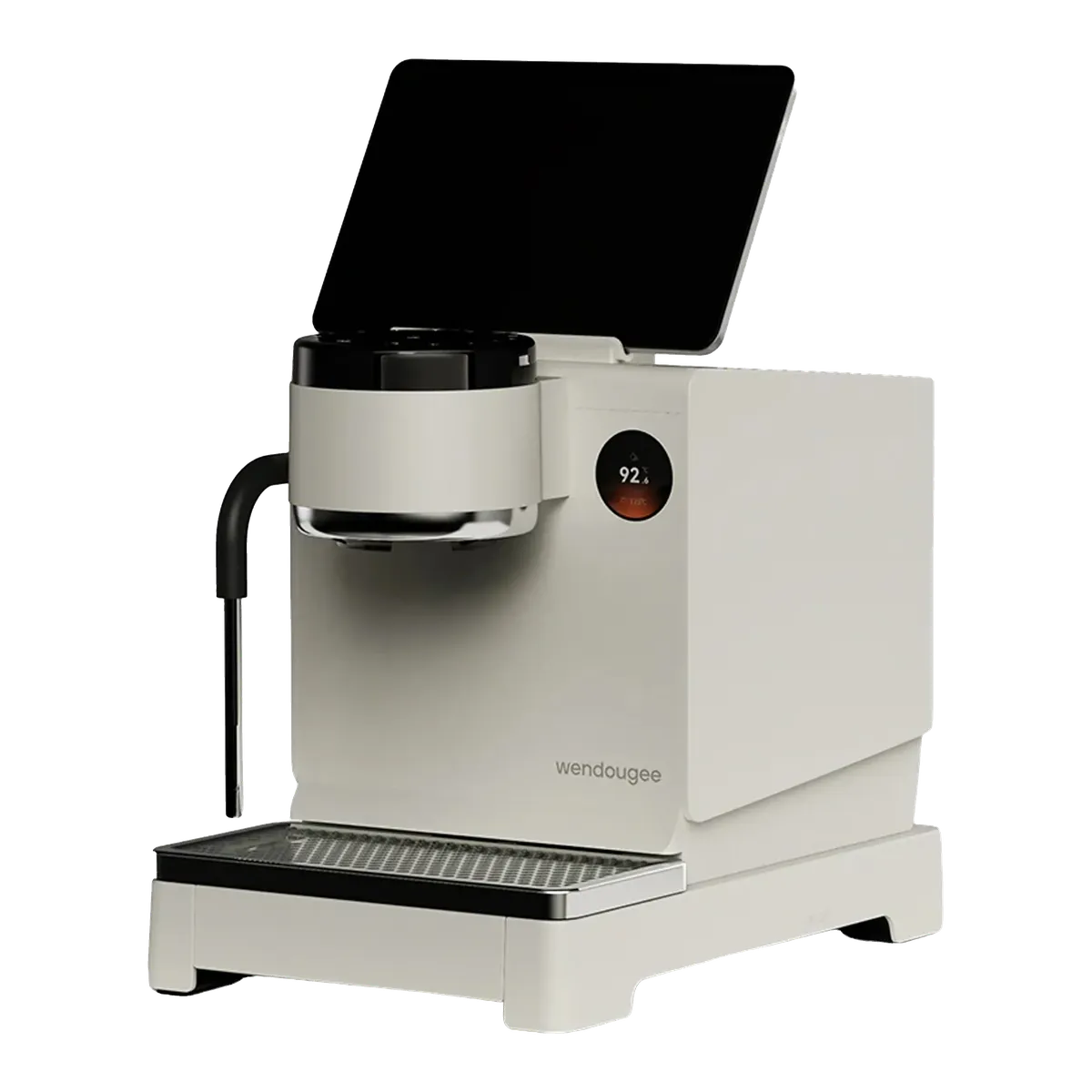
- 199LITA LAWendougee · Dual boilerCA$2,995–3,485
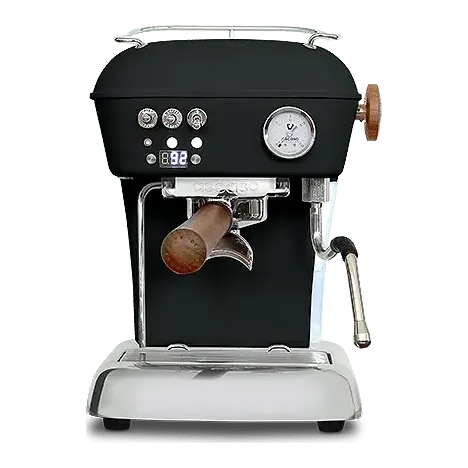
- 200Dream OneAscaso · ThermoblockCA$1,573–1,800
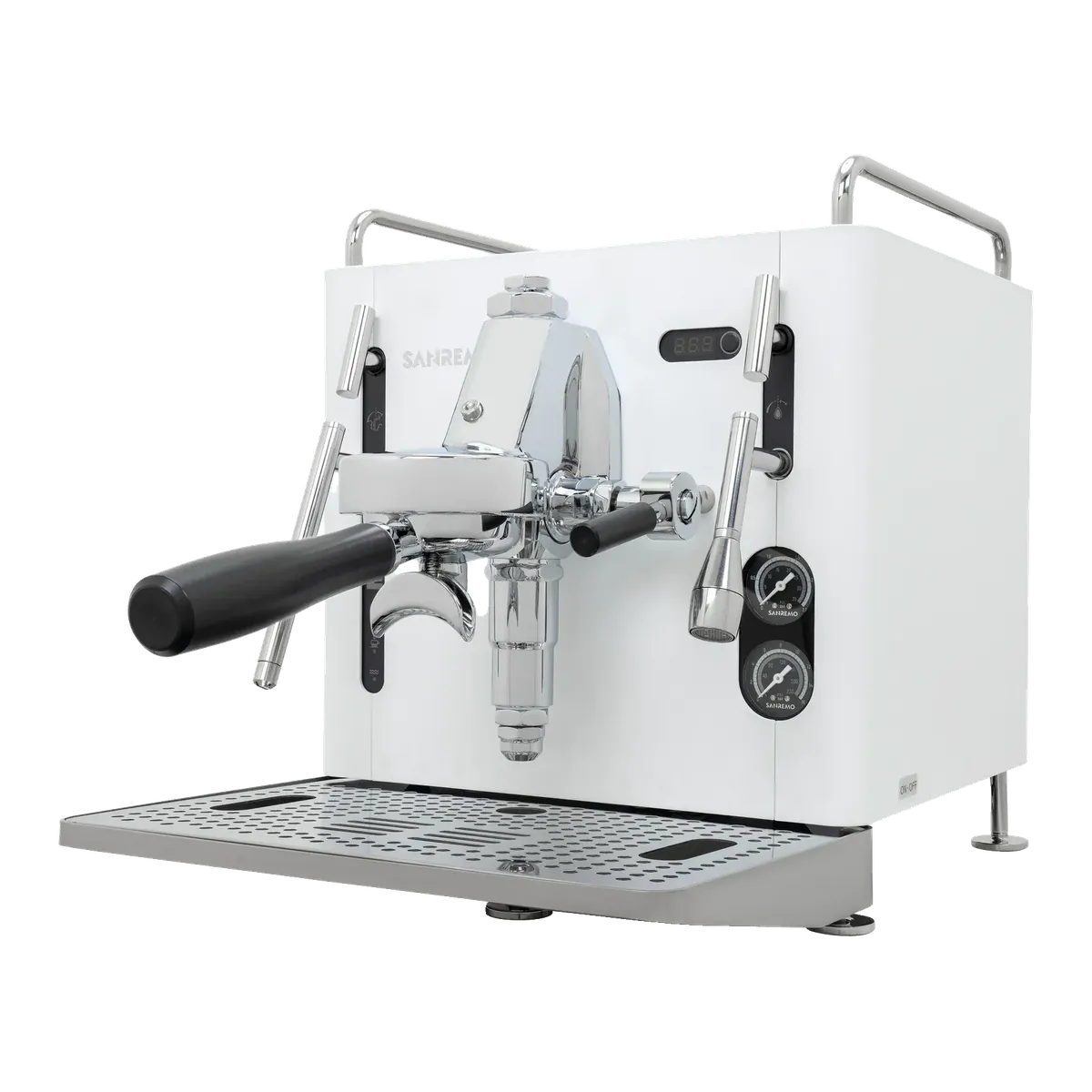
- 201Cube RSanremo · Heat exchangerUS$2,900–2,990
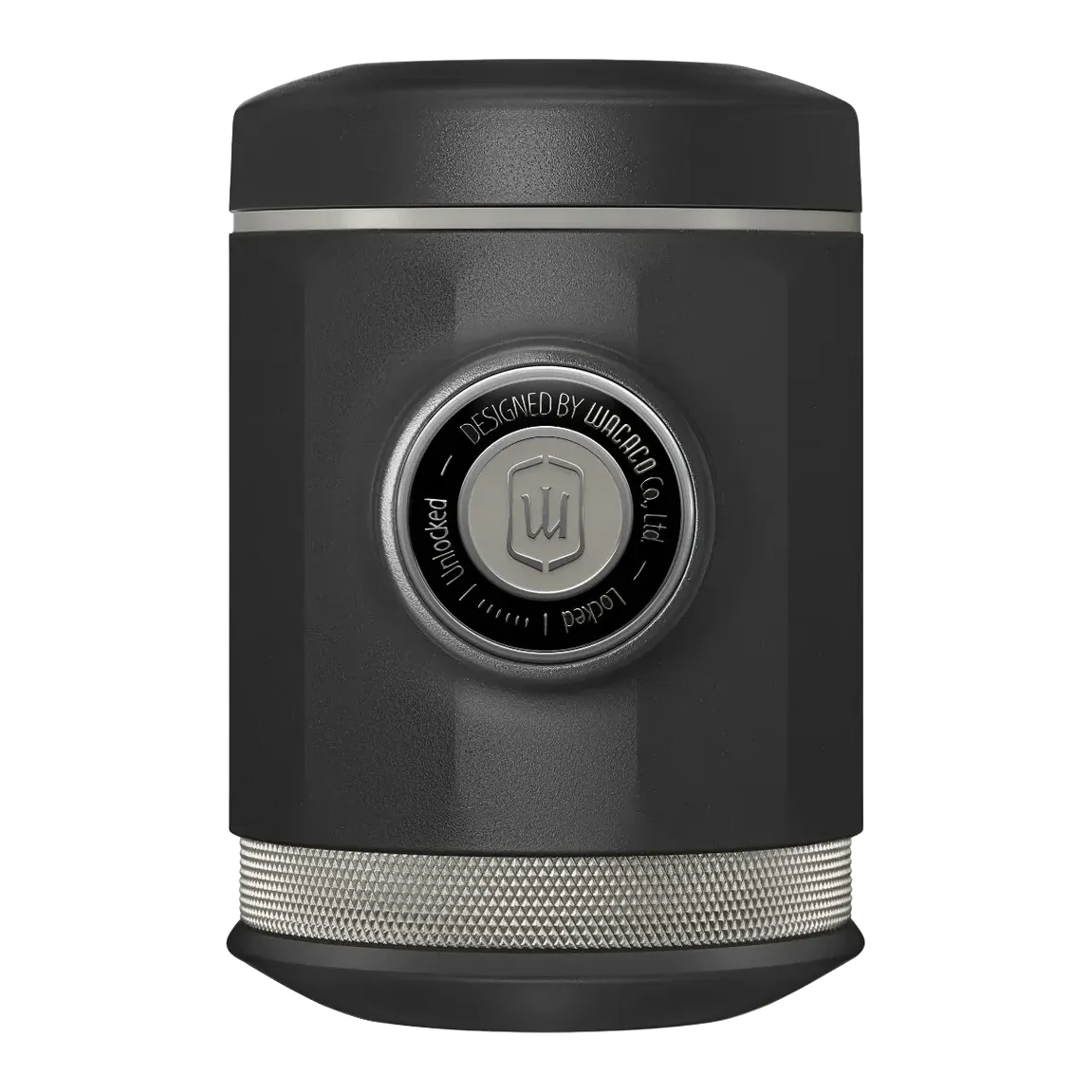
- 202PicopressoWacaco · ManualCA$165–170
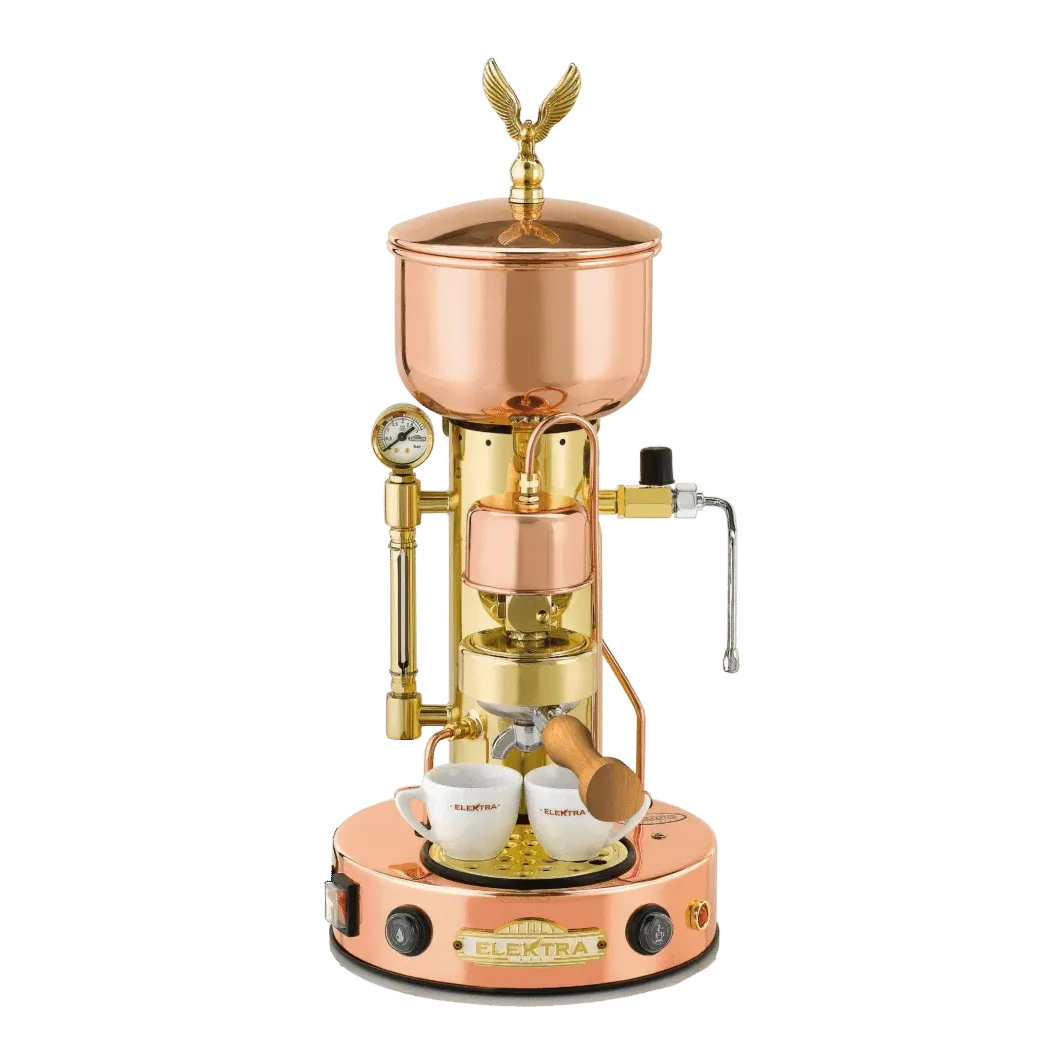
- 203Micro Casa Semiautomatica (SXC)Elektra · Heat exchangerCA$3,295–3,725
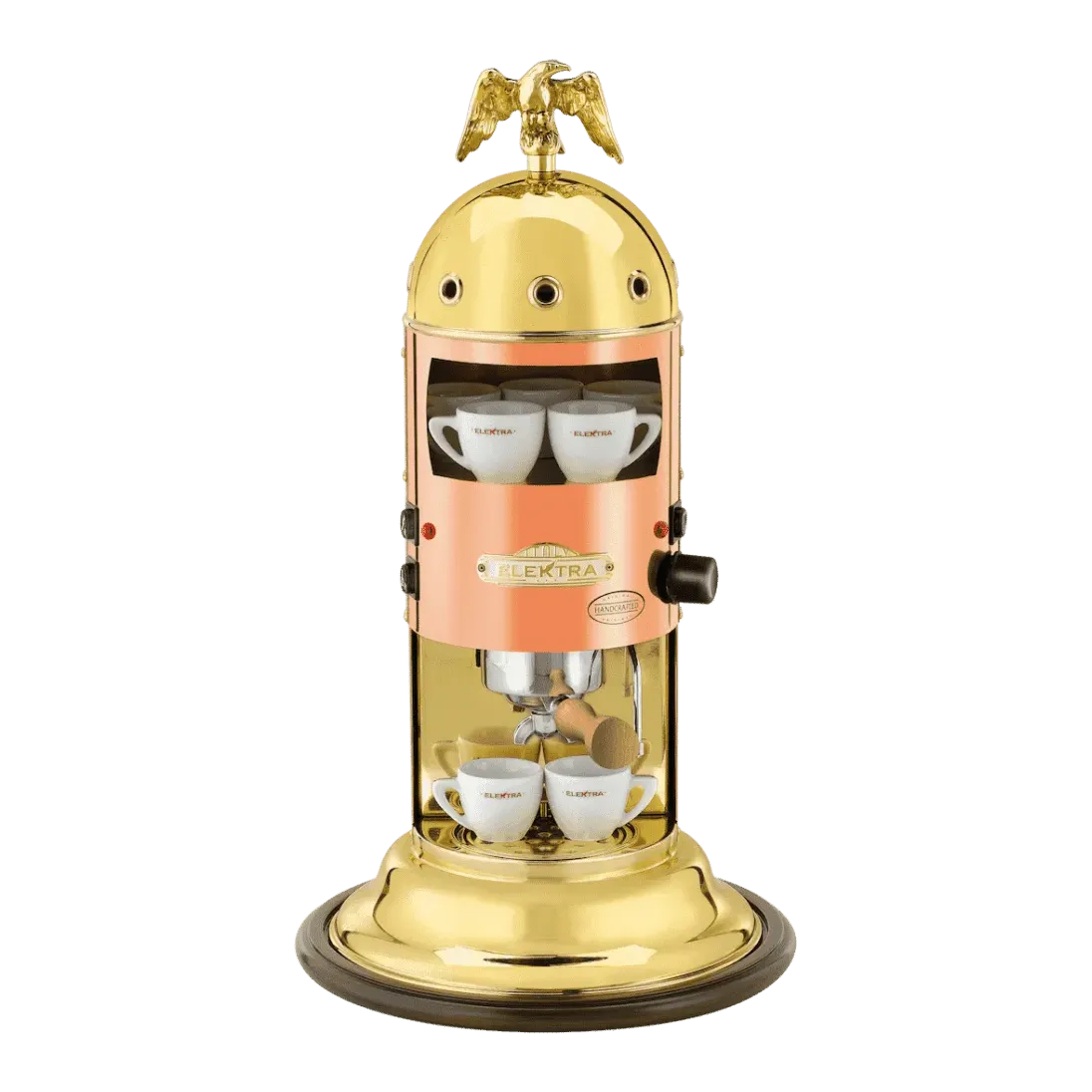
- 204Mini VerticaleElektra · Single boilerUS$2,977–3,007
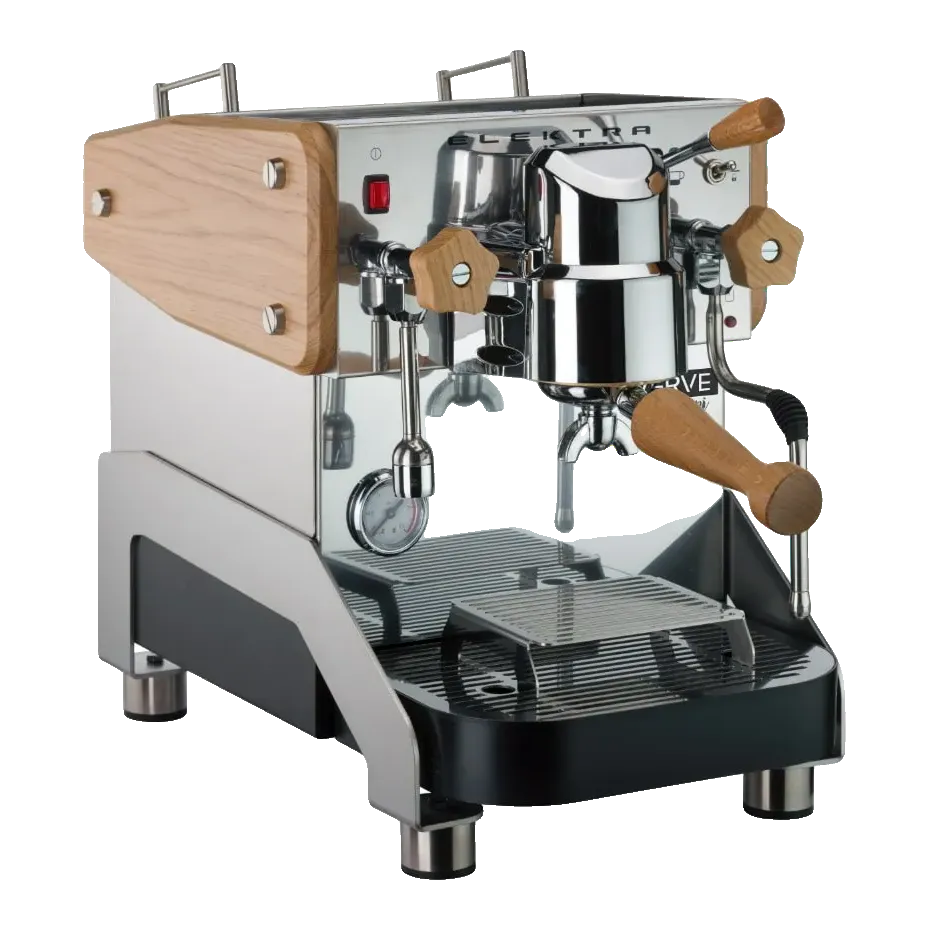
- 205Verve MiniElektra · Dual boilerCA$4,875–5,225
- 206Pegaso Flow Control (Mod. 03035)Quick Mill · Thermoblock—
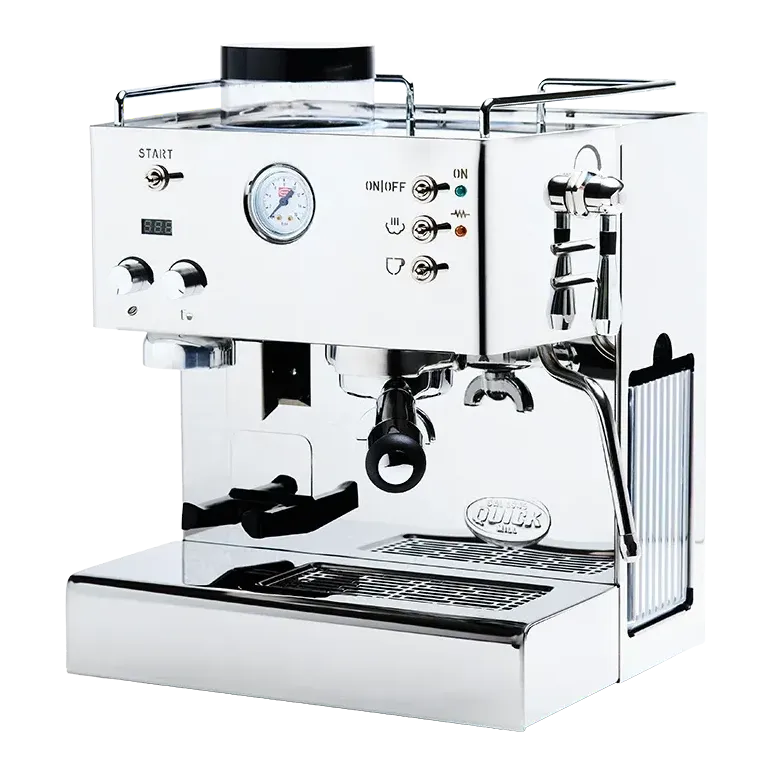
- 207Sunny (2046)Quick Mill · Thermoblock—
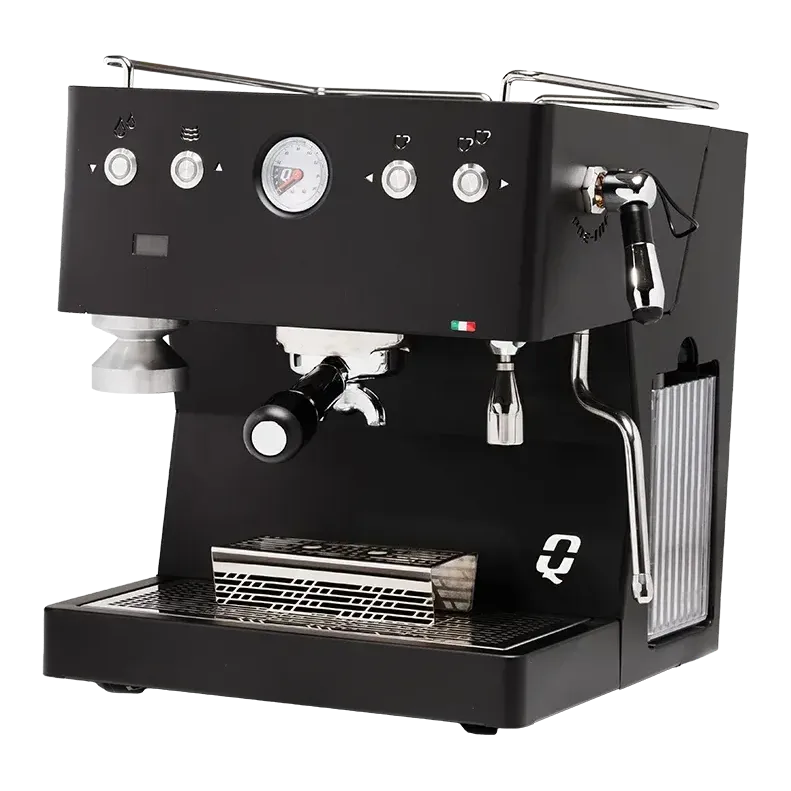
- 208WE8Jura · Super-autoCA$3,055–3,595
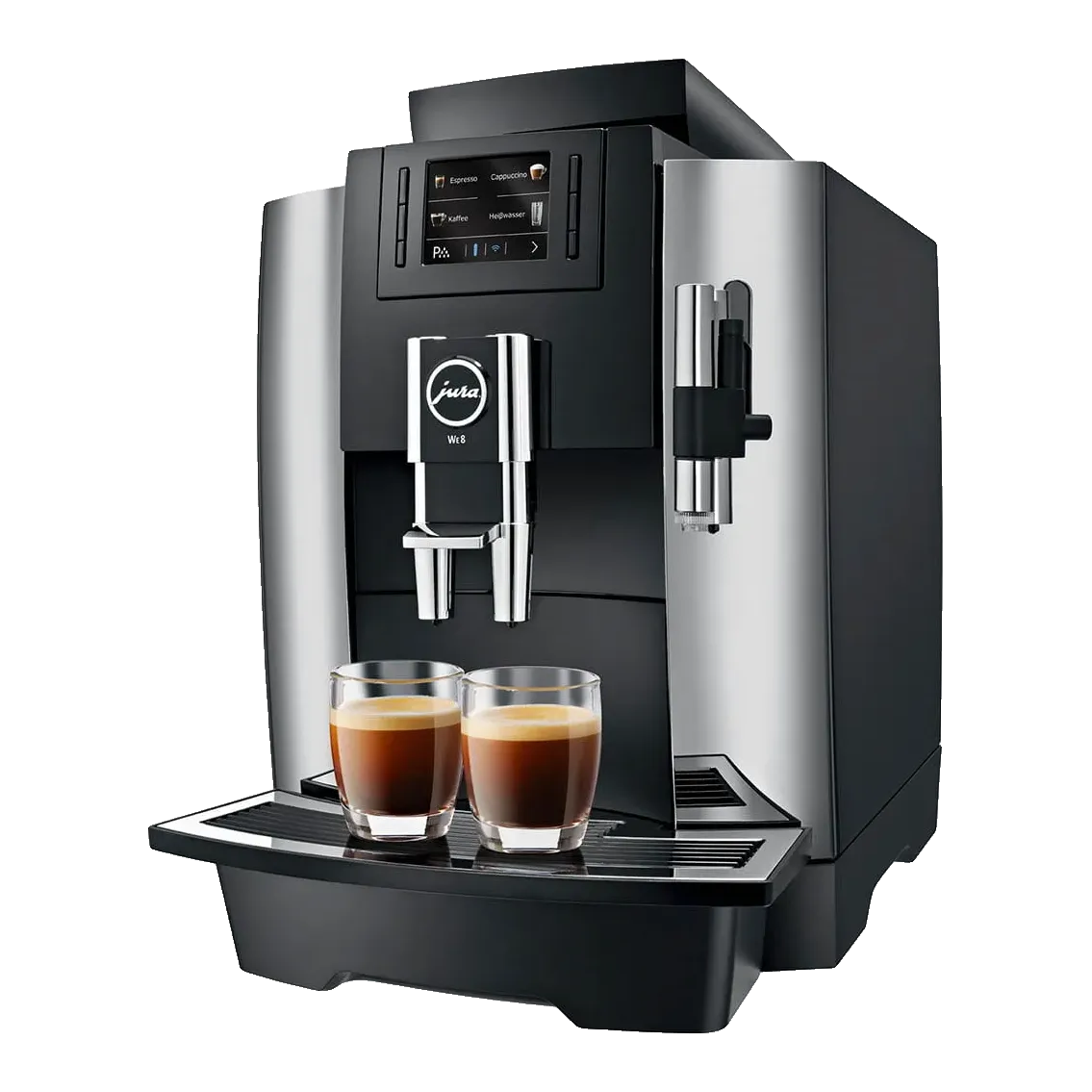
- 209PixapressoWacaco · ManualCA$215–220
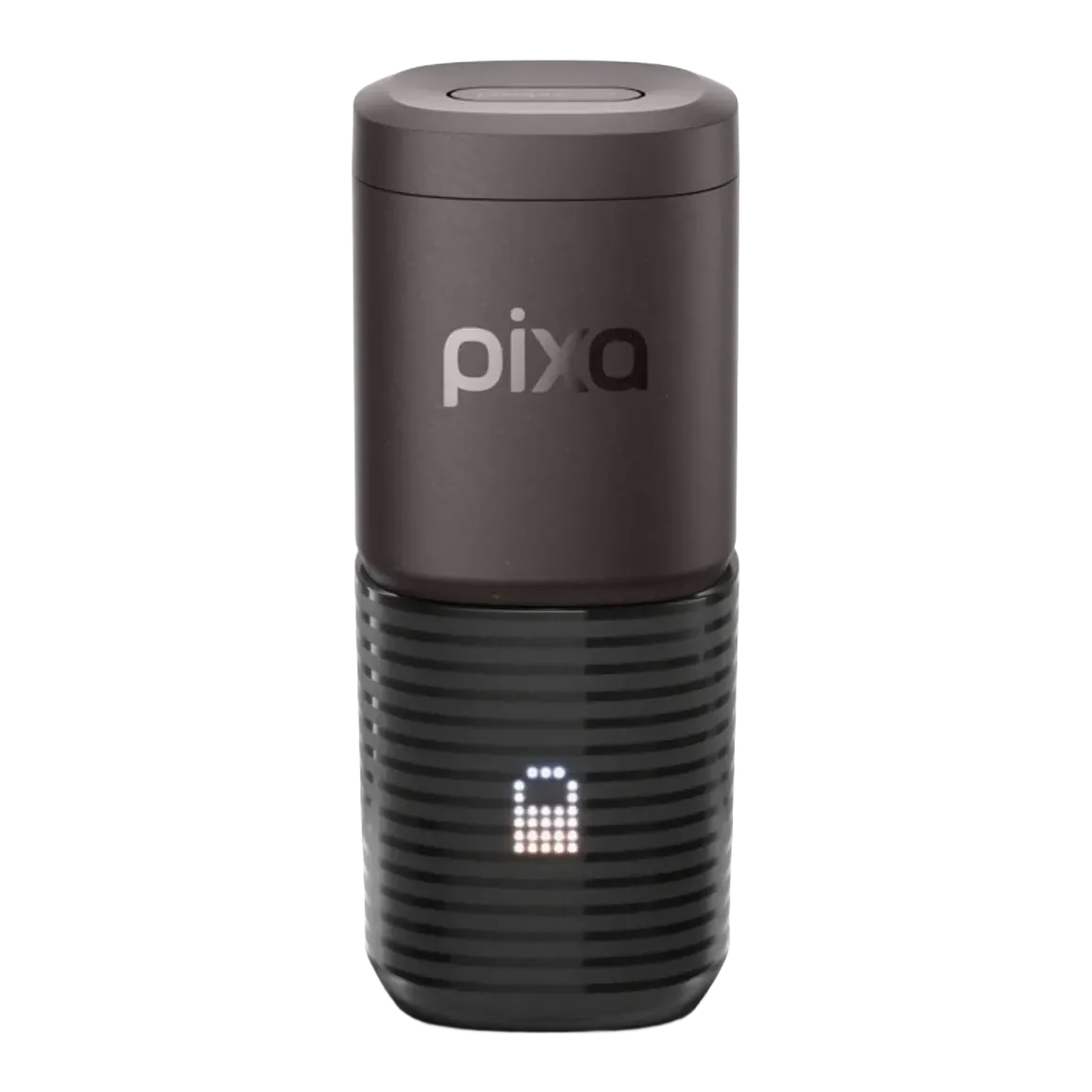
- 210Classic EM400MDe'Longhi · ThermoblockCA$195–200
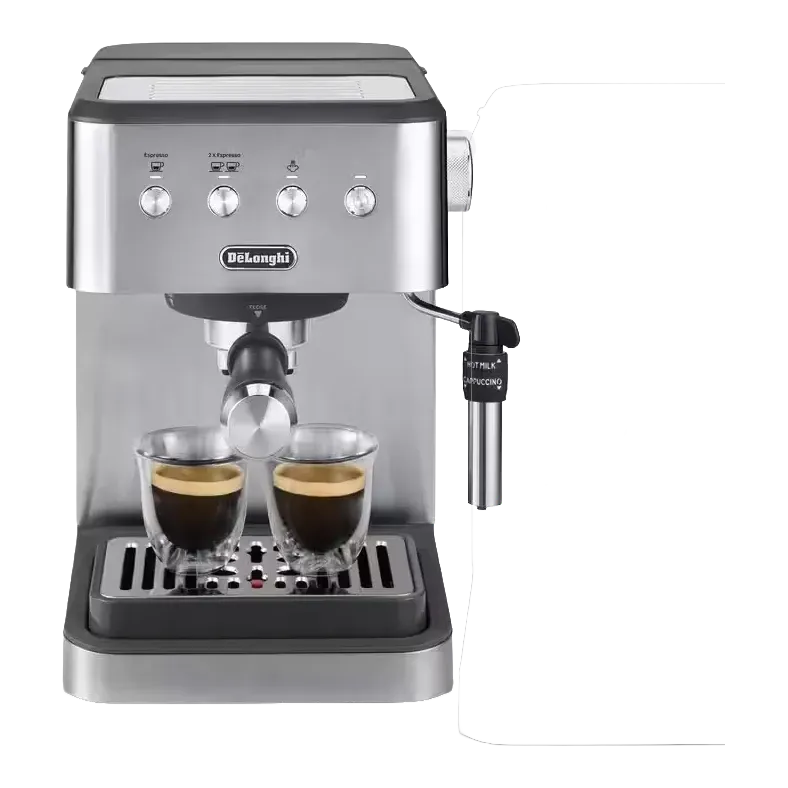
- 211EMC02 Espresso ManualSMEG · ThermoblockCA$1,995–2,070
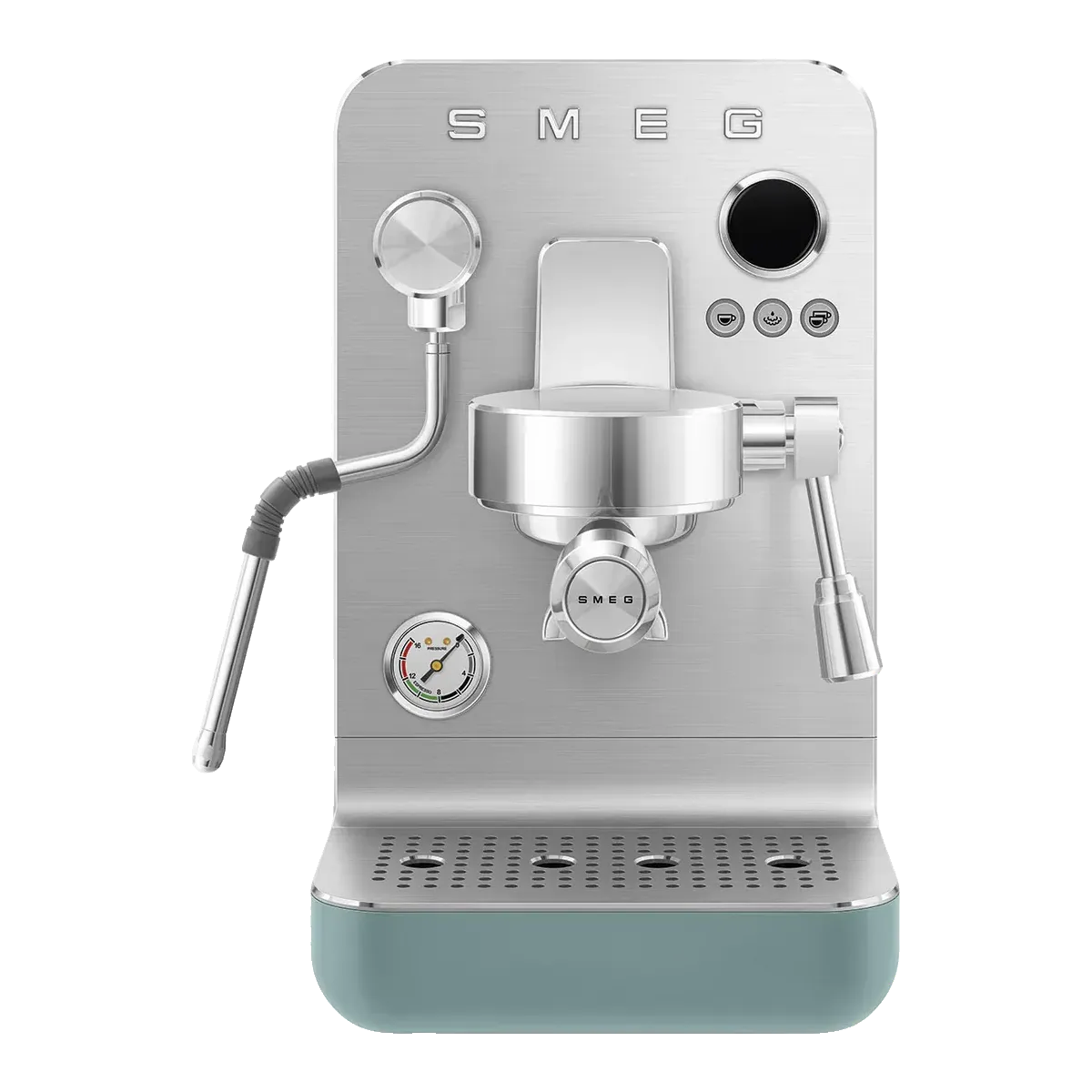
- 212Breville The Dose ControlUnknown · Espresso machine—
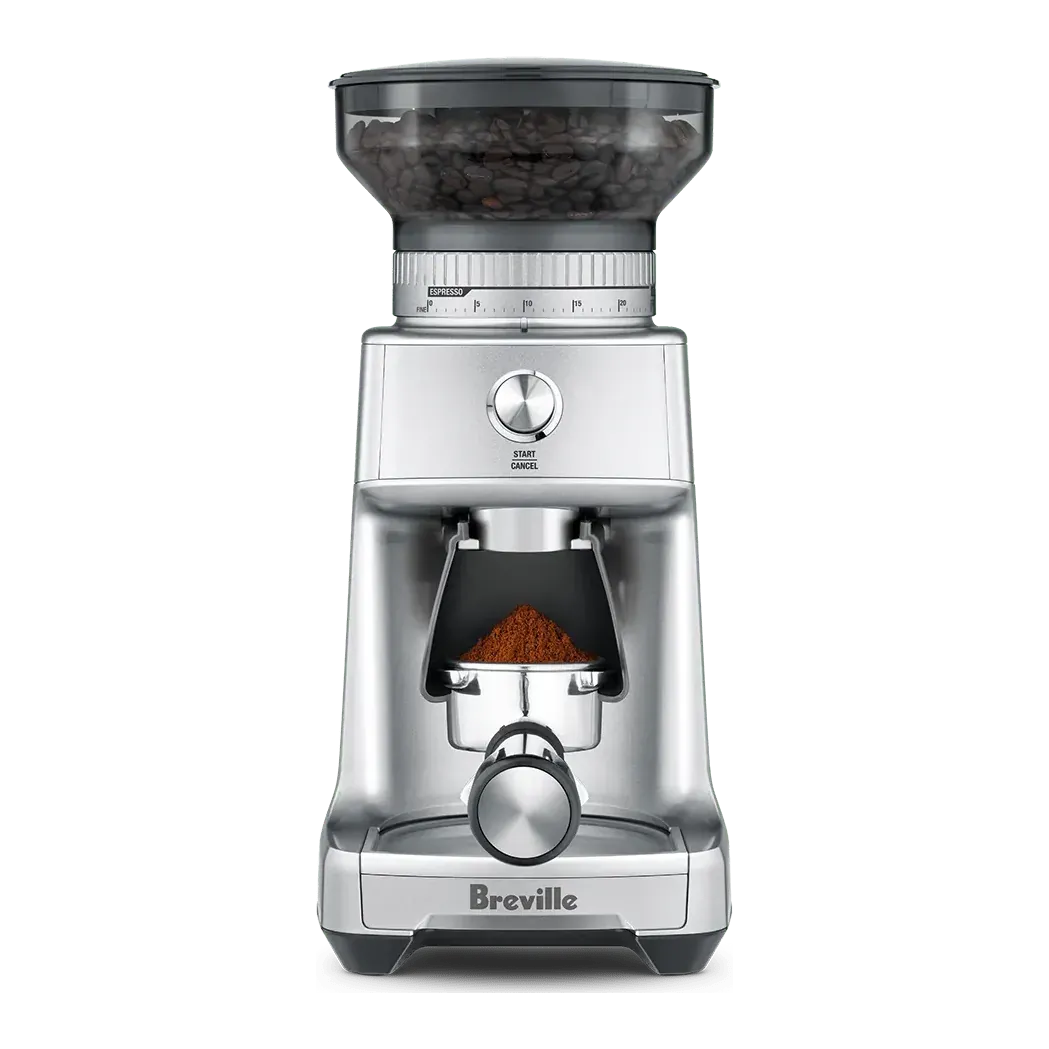
- 213Barista TS SmartMelitta · Super-autoCA$1,065–1,520
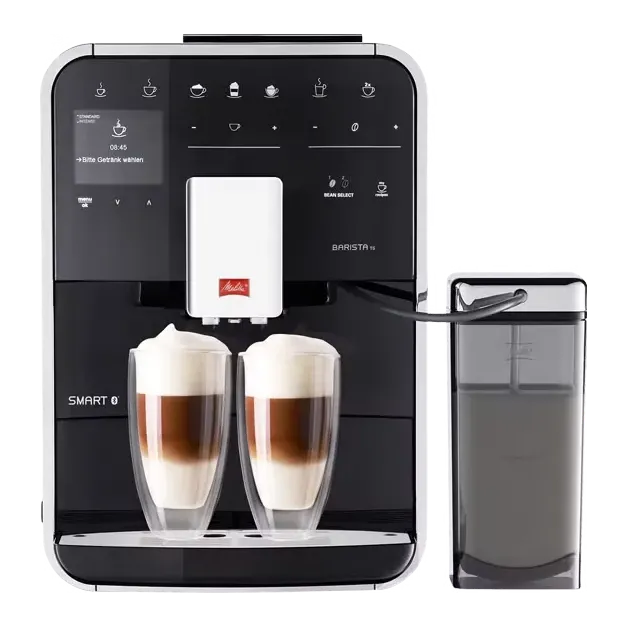
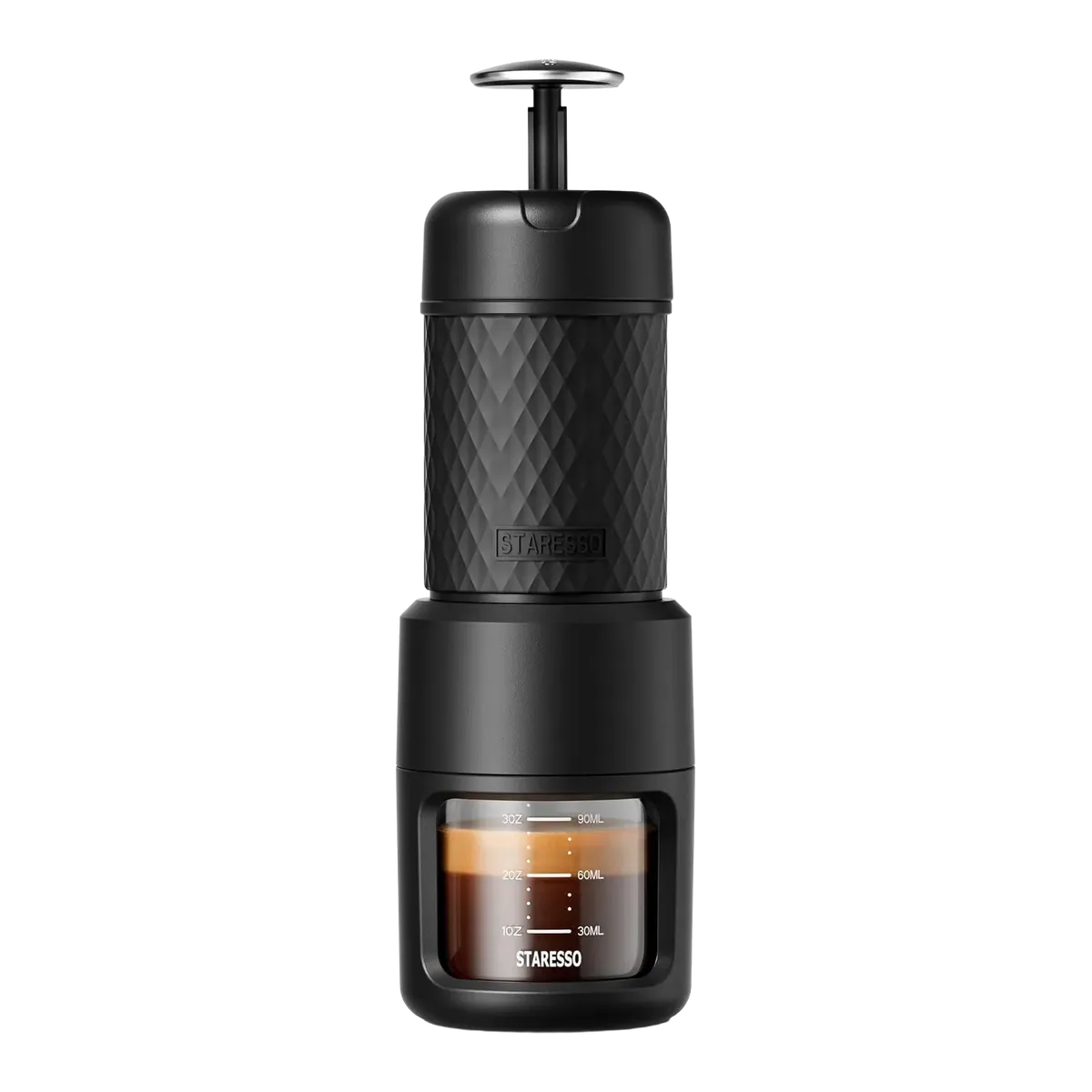
- 214Classic Portable Espresso MakerStaresso · ManualUS$49–70
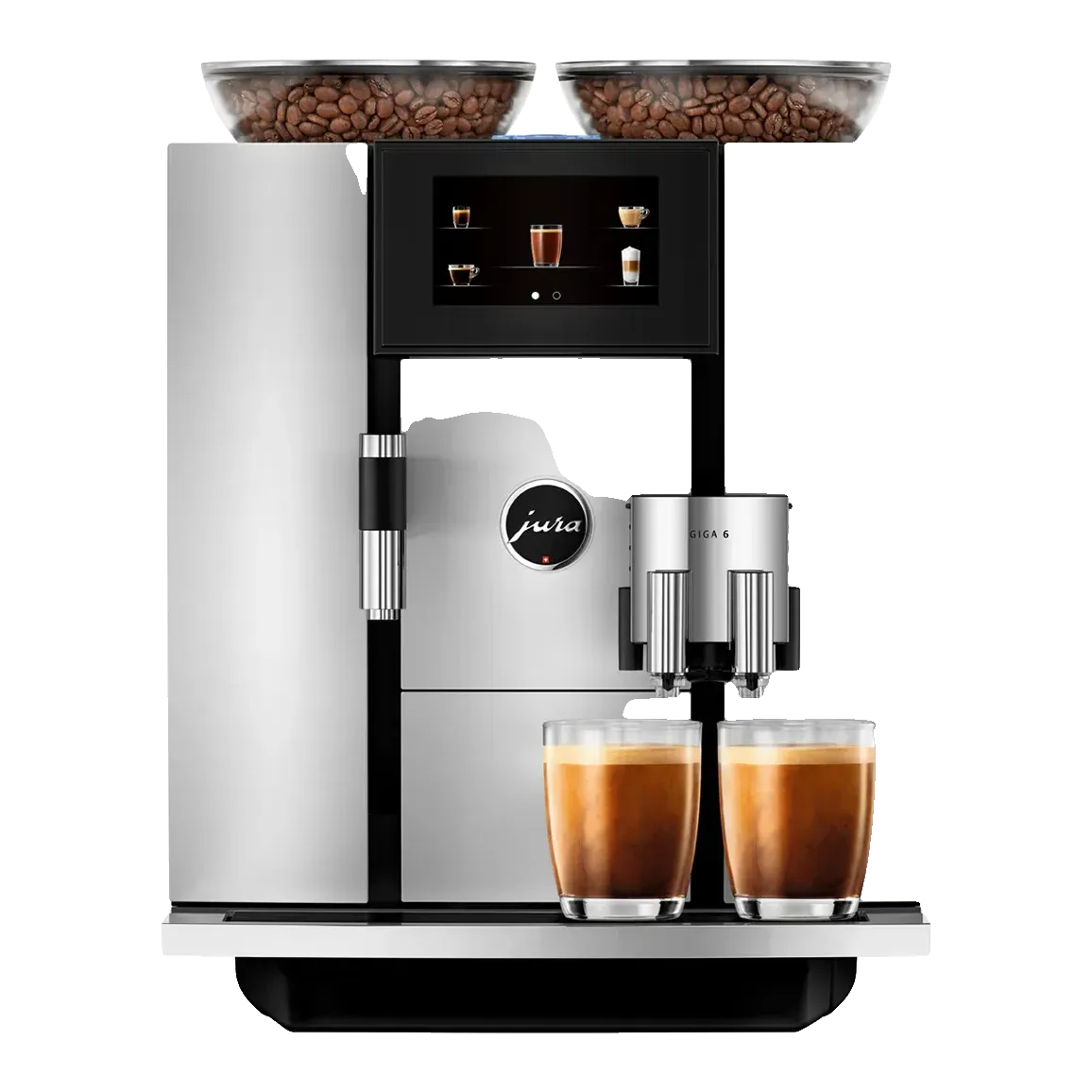
- 215GIGA 6Jura · Super-autoUS$3,350–4,000
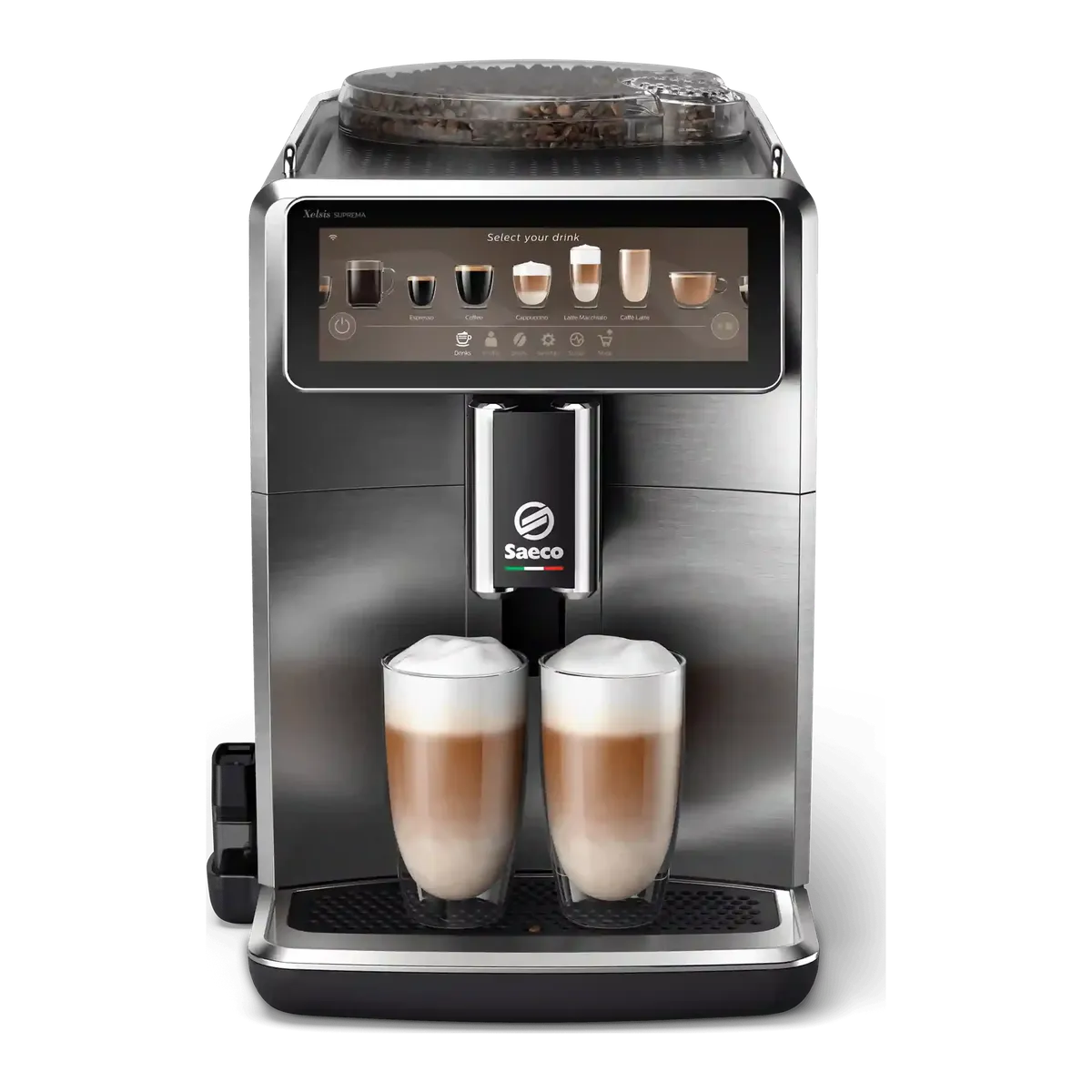
- 216Xelsis SupremaSaeco · Super-auto—
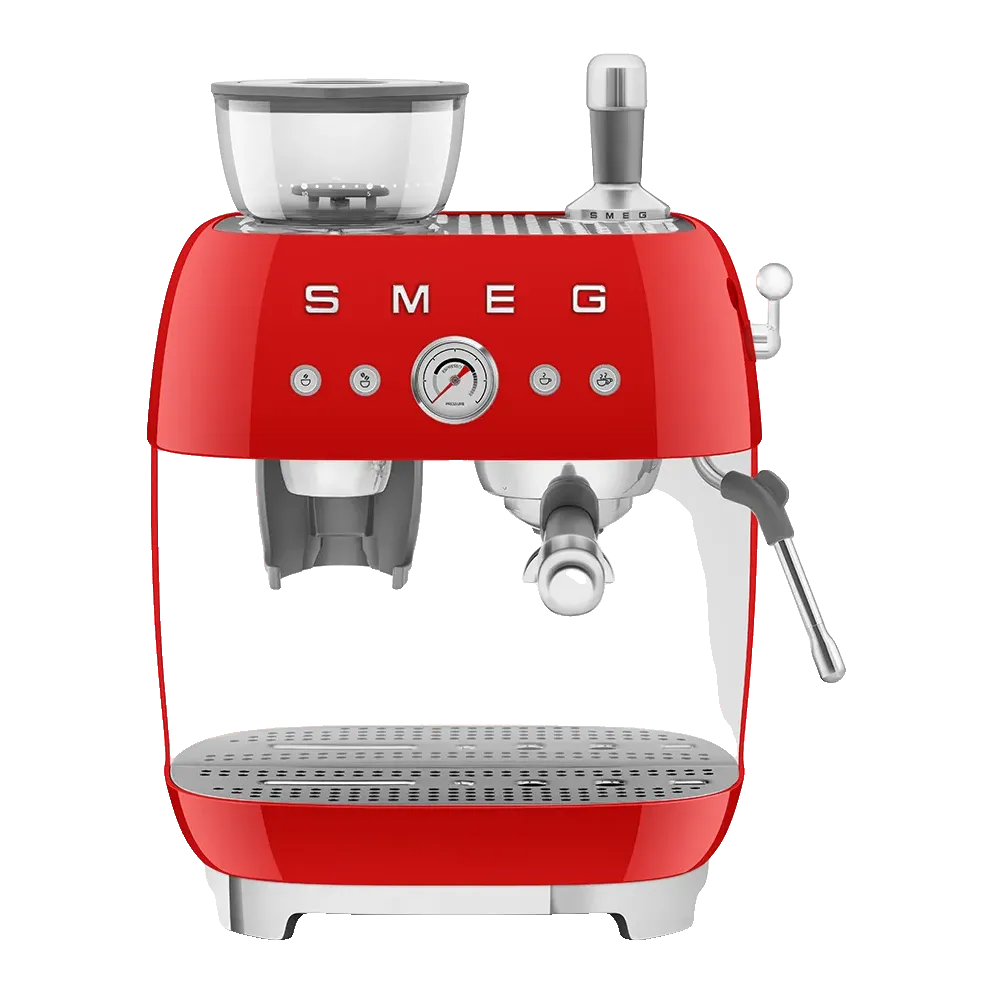
- 217EGF03 Manual withSMEG · ThermoblockCA$865–980
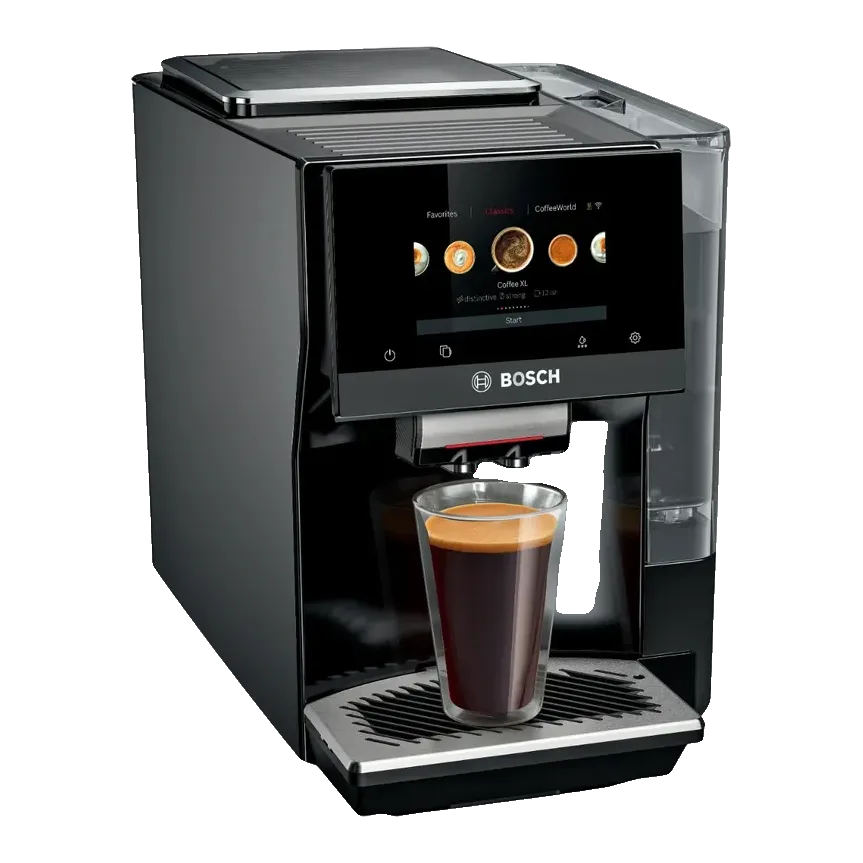
- 218800 Series VeroCafe Fully AutomaticBosch · Super-autoUS$1,499–1,699
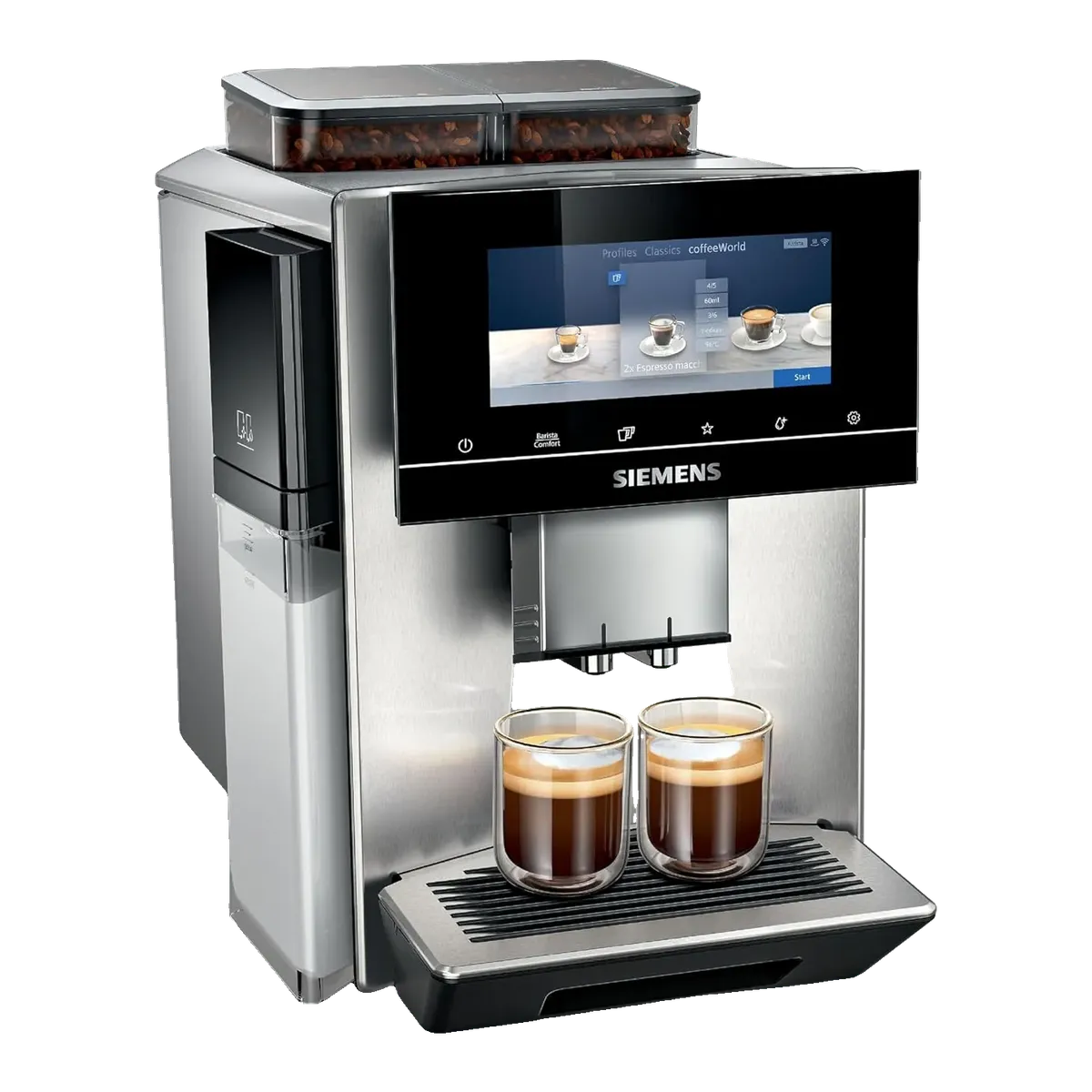
- 219EQ900Siemens · Super-autoUS$1,600–2,800
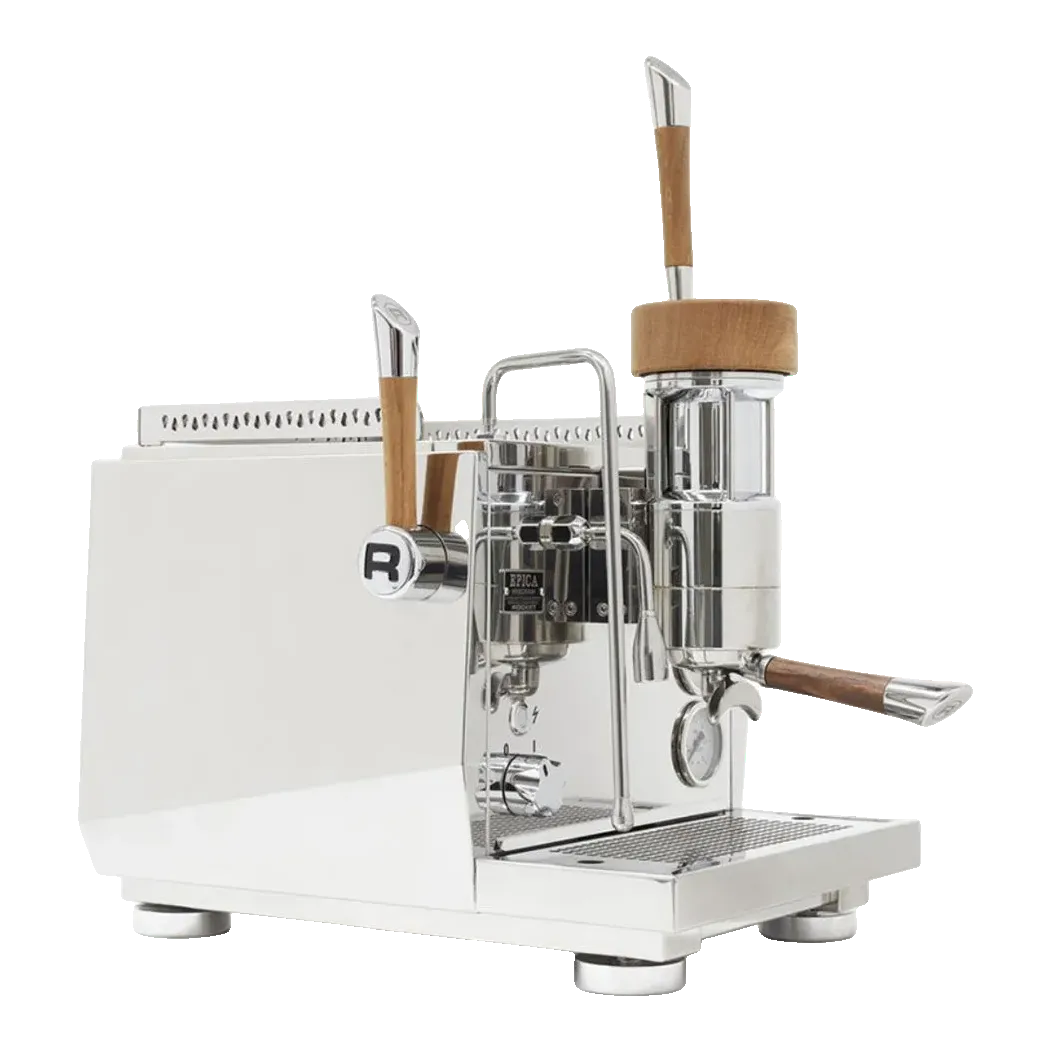
- 220EpicaRocket Espresso · LeverCA$11,795
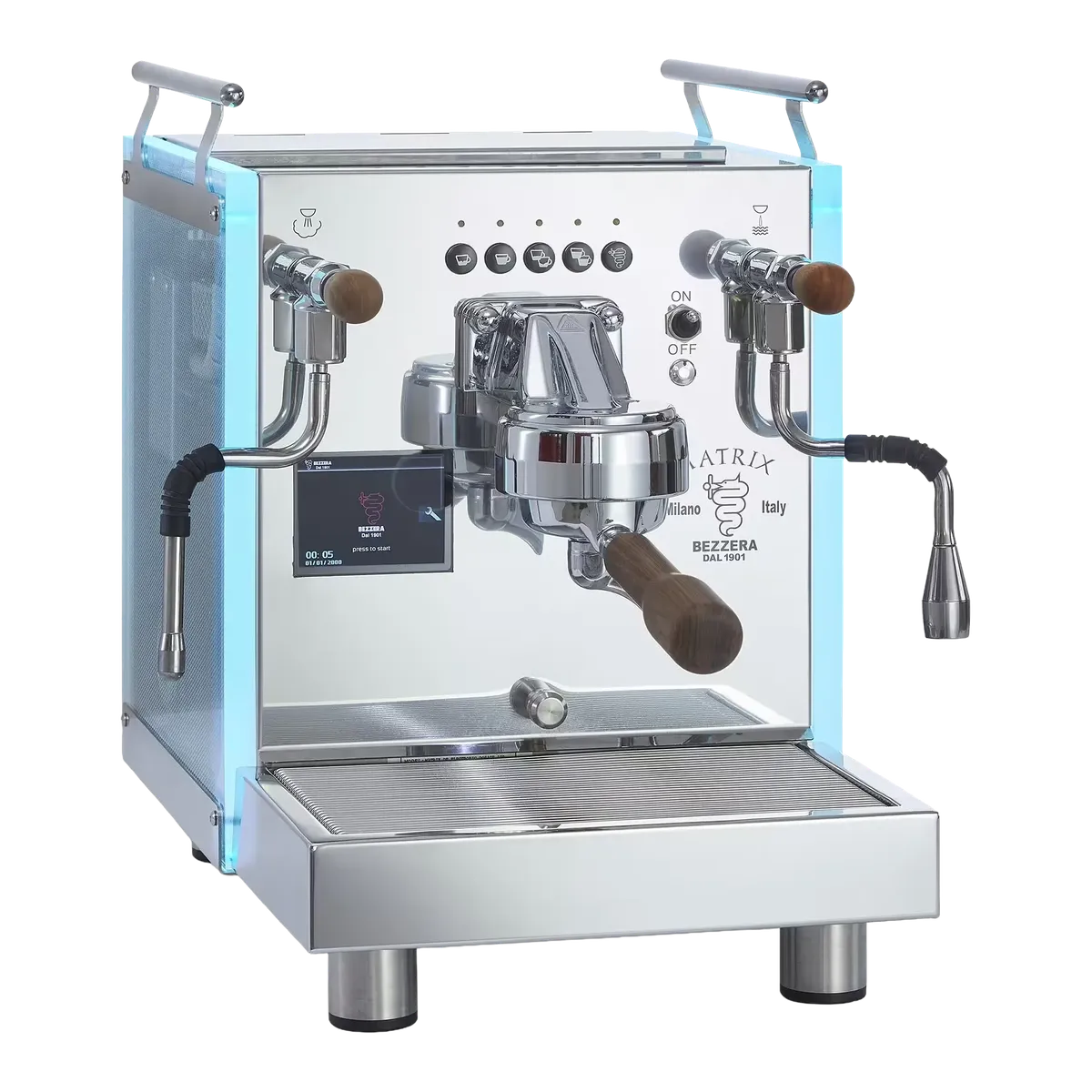
- 221Matrix DEBezzera · Dual boilerUS$2,850–3,100
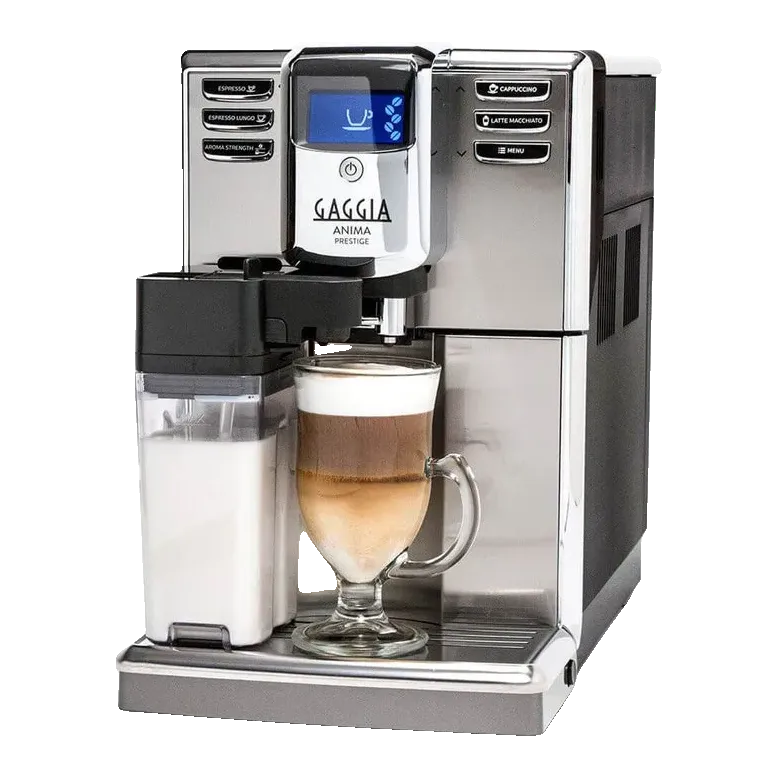
- 222Anima PrestigeGaggia · Super-autoUS$799–899
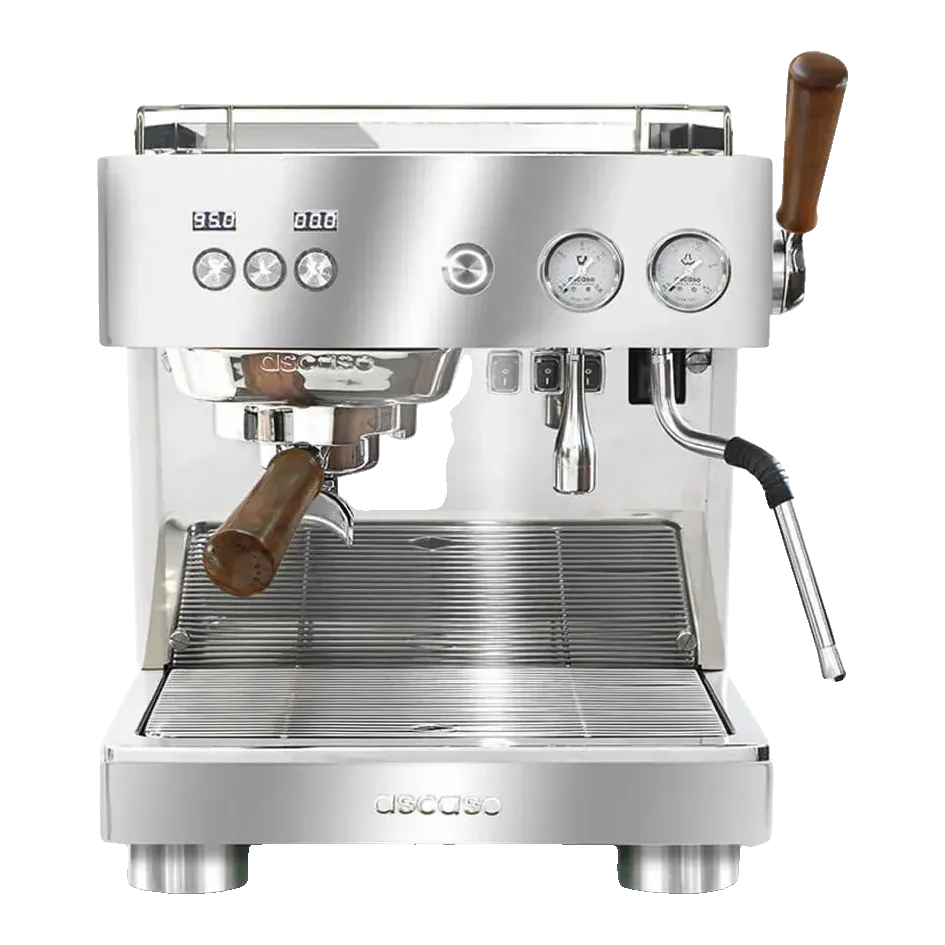
- 223Baby T PlusAscaso · ThermoblockUS$5,849–6,245
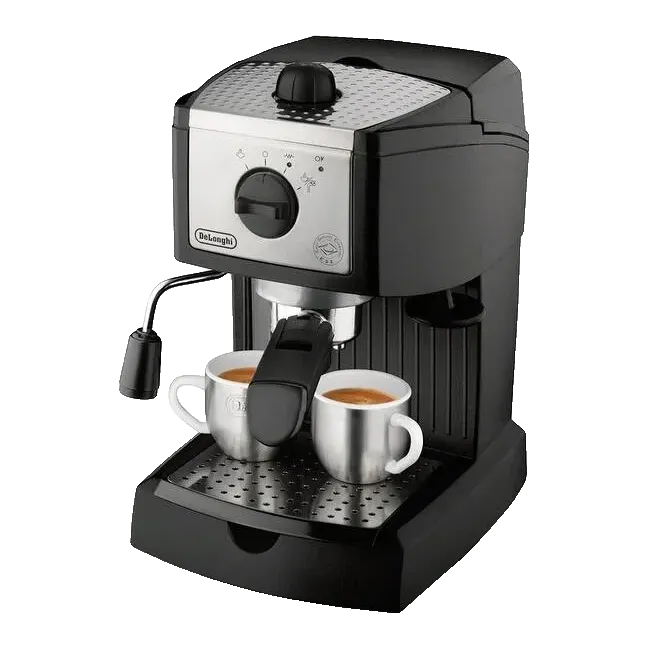
- 224EC155De'Longhi · Single boilerUS$85–110
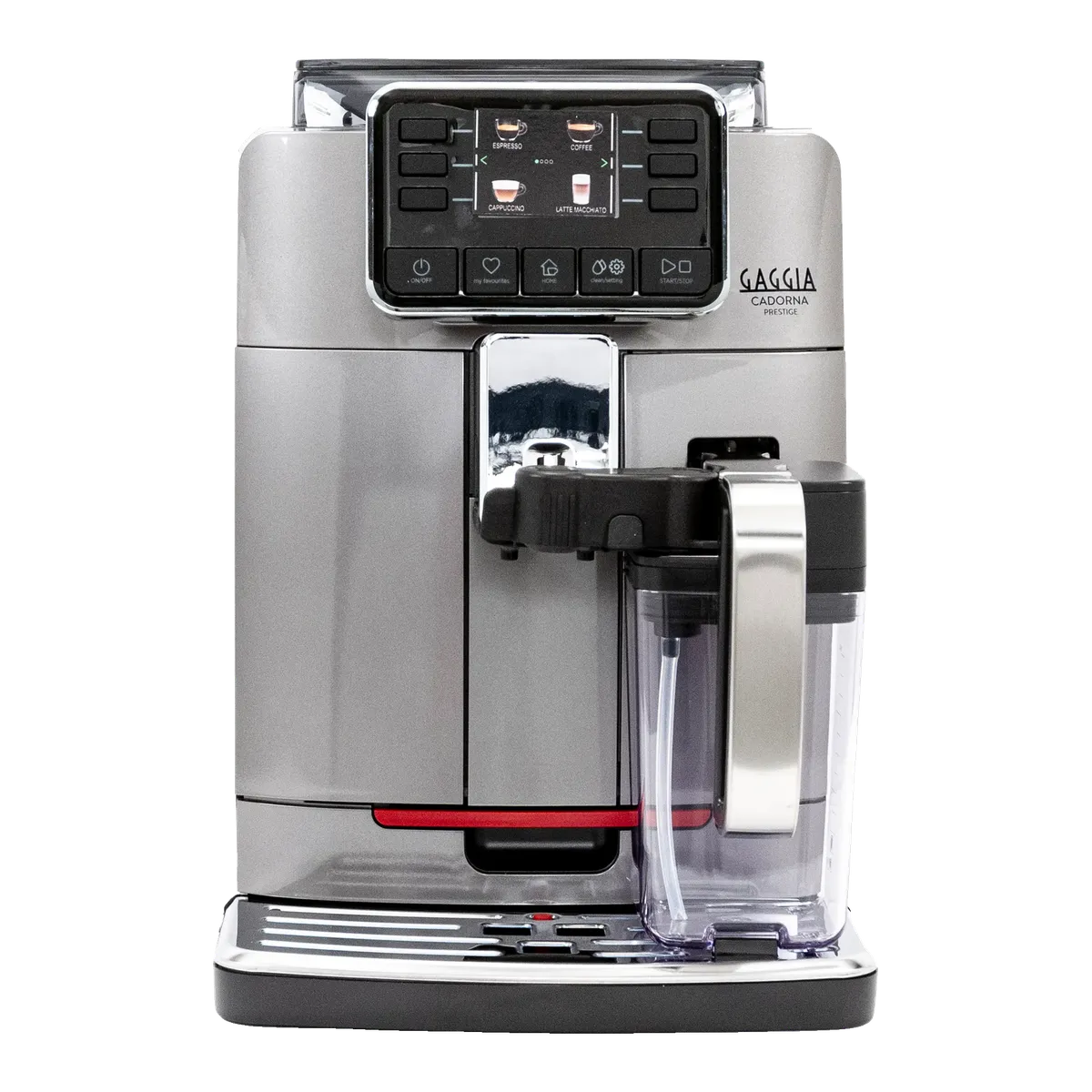
- 225Cadorna PrestigeGaggia · Super-autoCA$1,195–1,585
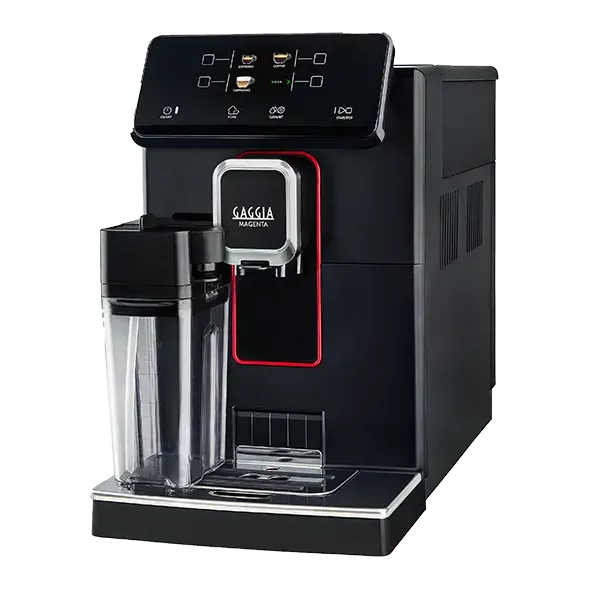
- 226Magenta PrestigeGaggia · Super-autoCA$895–990
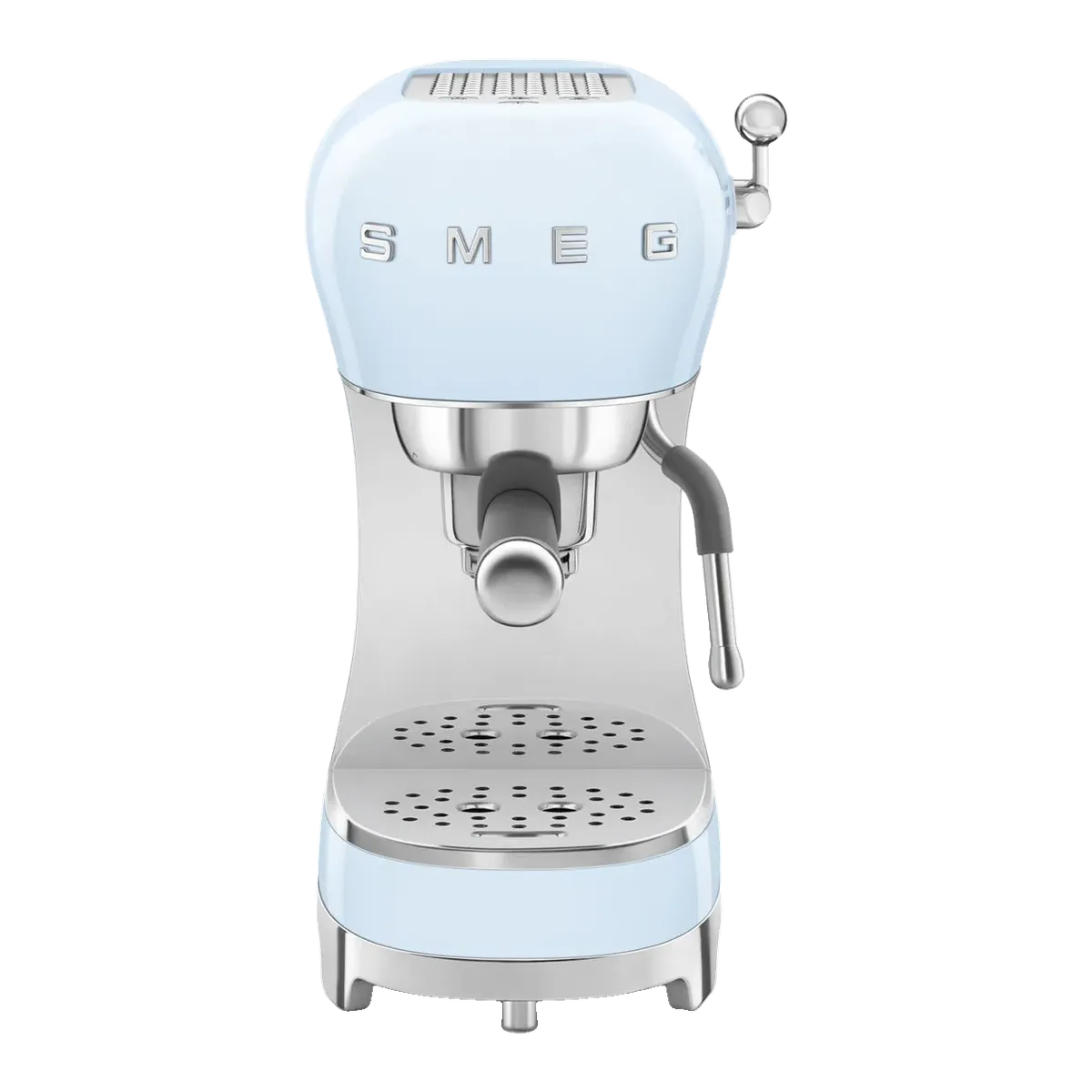
- 227Espresso Manual ECF02Smeg · ThermoblockUS$499–600
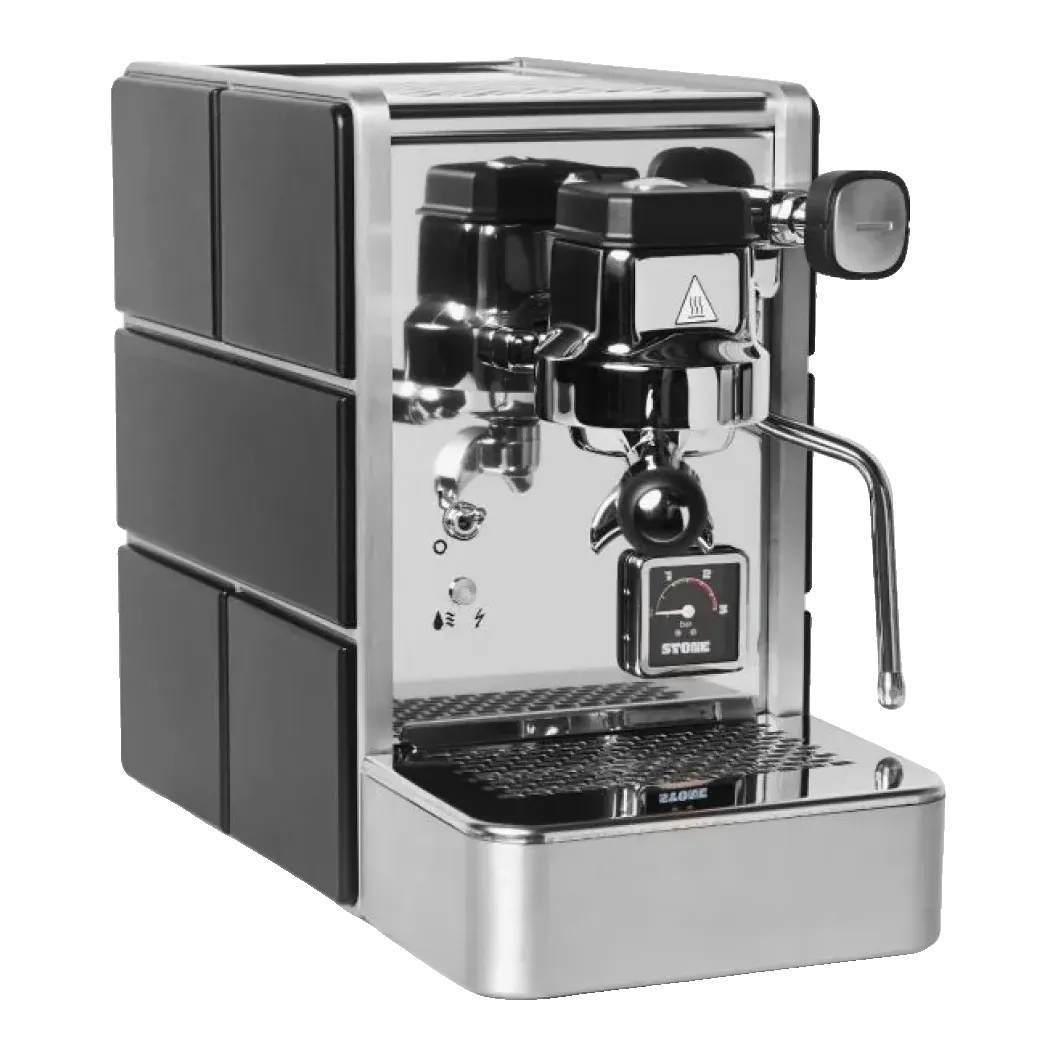
- 228MineStone Espresso · Heat exchangerUS$999–1,699
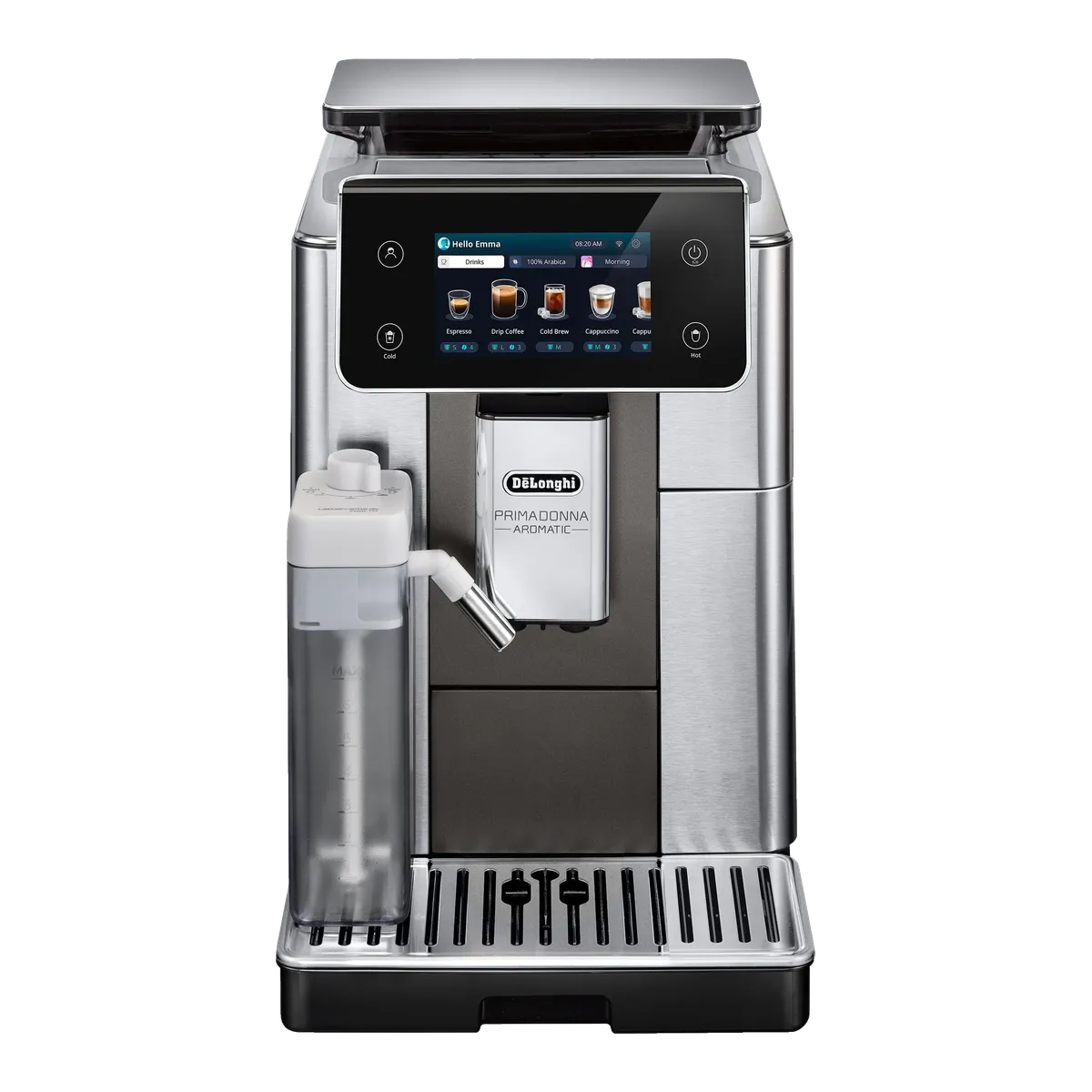
- 229PrimaDonna AromaticDe'Longhi · Super-autoCA$2,995–3,000
- 230Oracle TouchBreville · Dual boilerCA$2,395–4,300
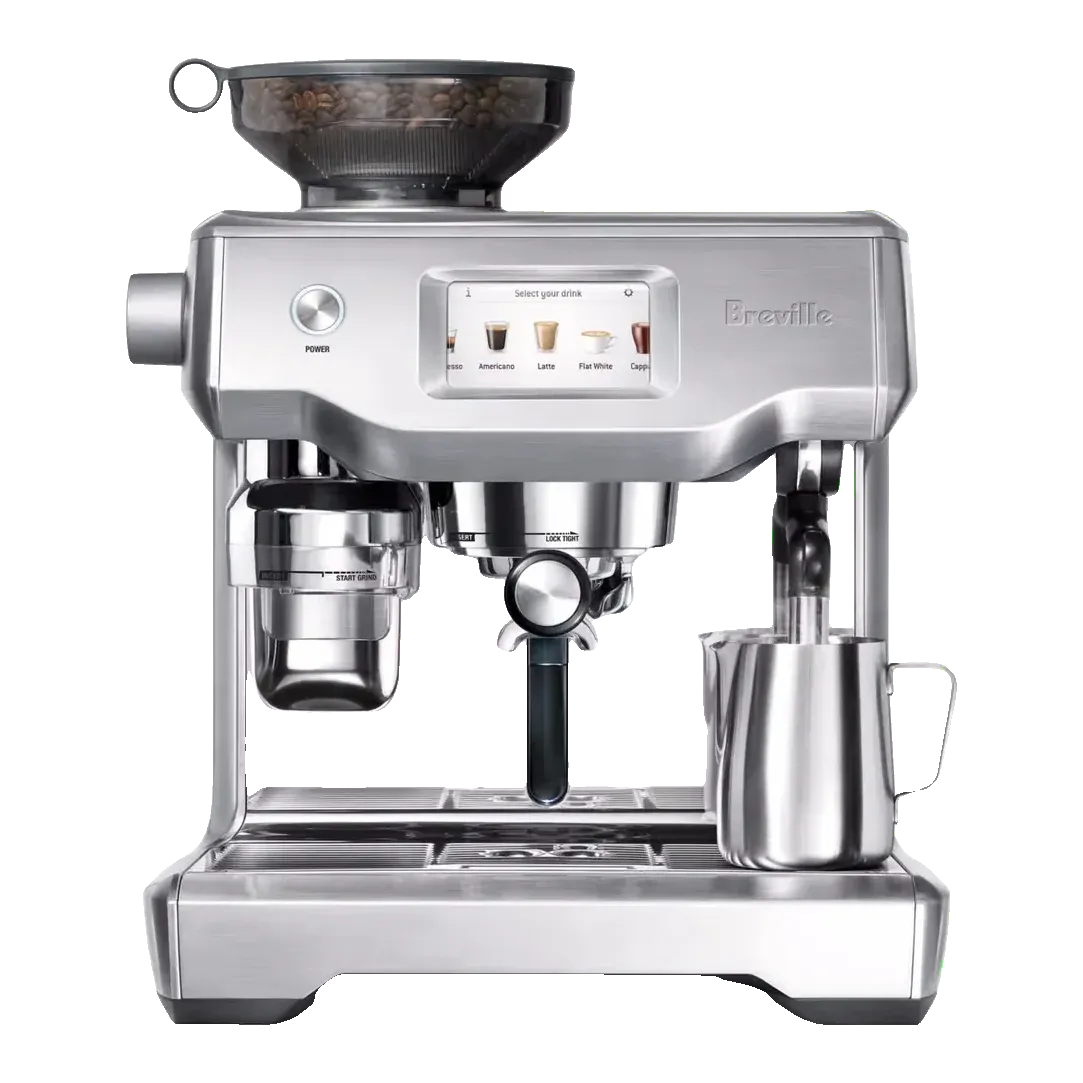
- 231Evidence One (EA895N40)Krups · Super-autoUS$699–899
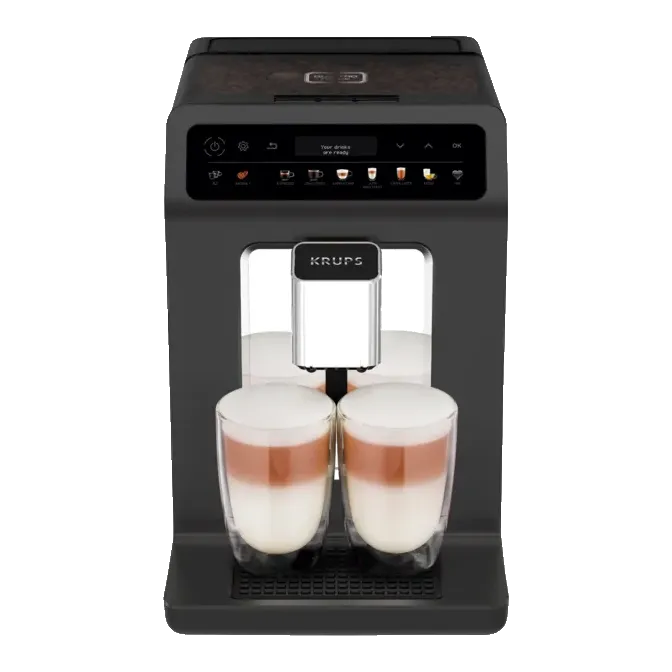
- 232ULTRACasabrews · ThermoblockUS$189–249
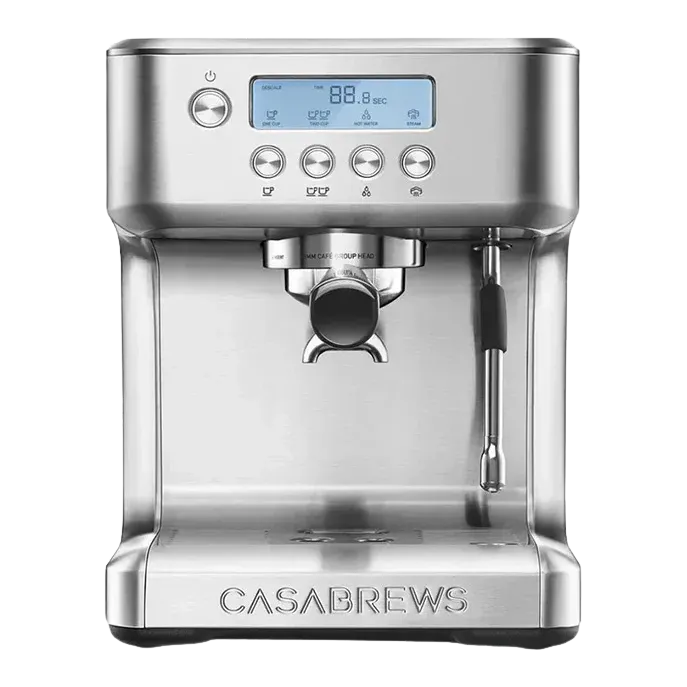
- 233Maestosa EPAM960.75.GLMDe'Longhi · Super-autoUS$3,500–3,800
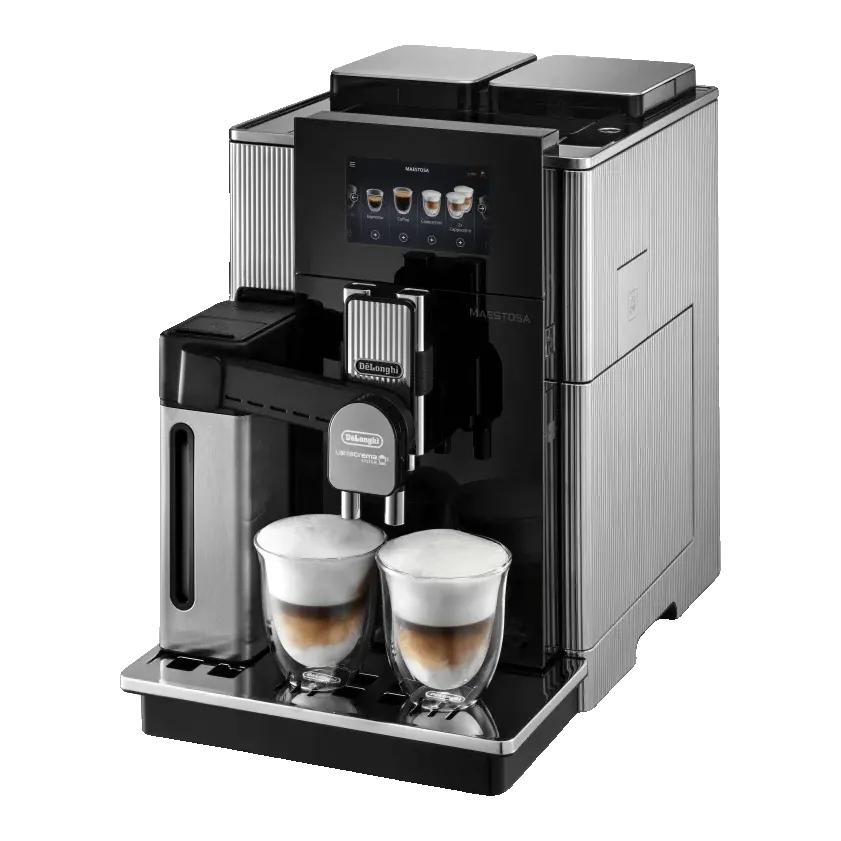
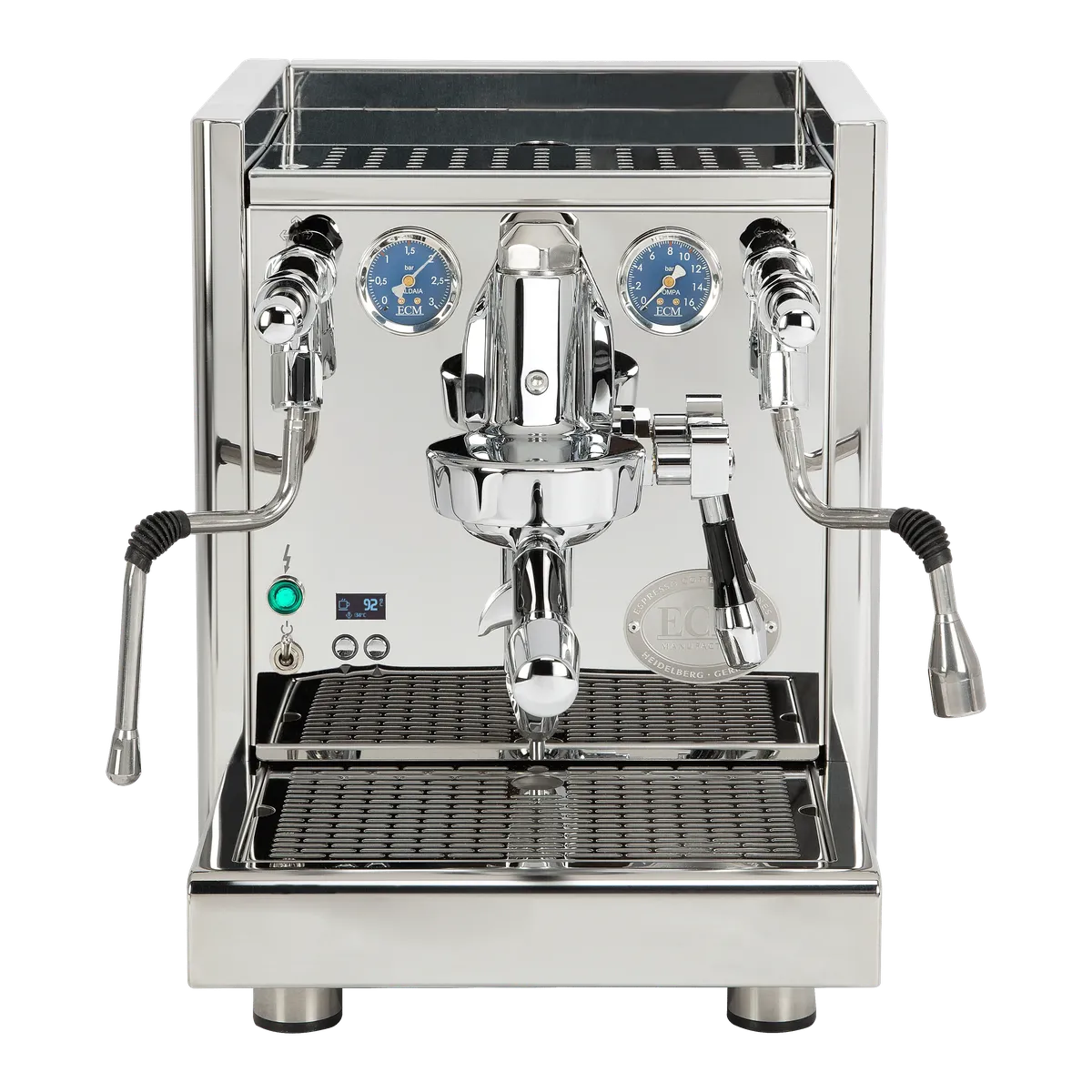
- 234Technika VIECM · Dual boilerCA$3,725–4,500
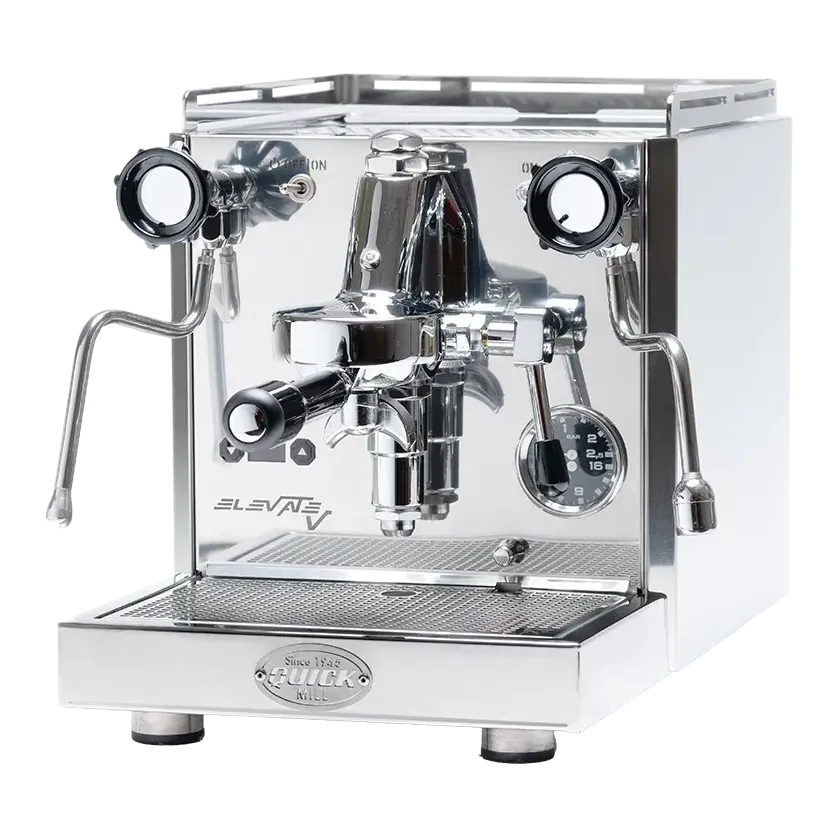
- 235Elevate VQuick Mill · Dual boiler—
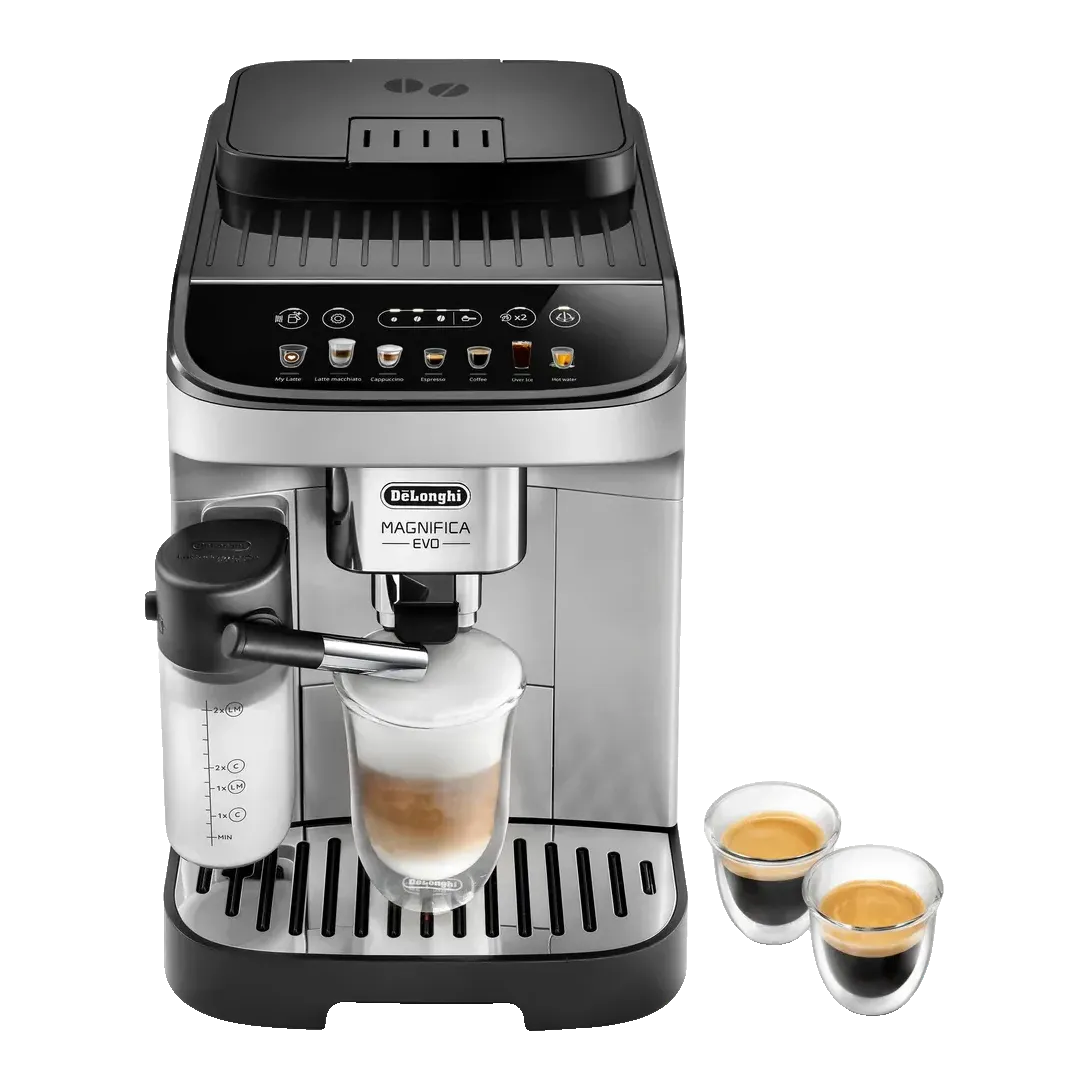
- 236Magnifica Evo (ECAM29084SB)De'Longhi · Super-autoUS$549–649
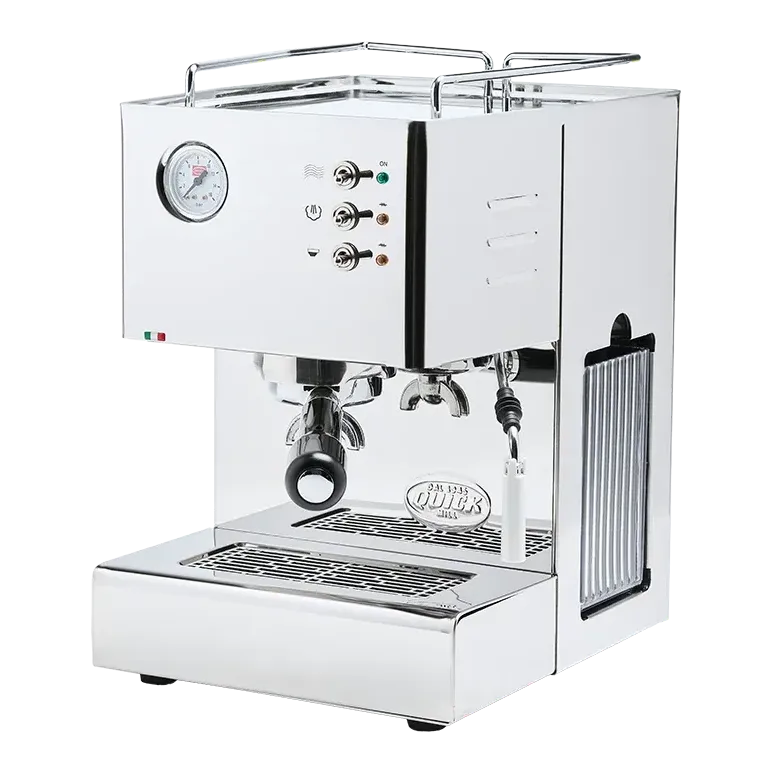
- 237Cassiopea (03004)Quick Mill · Thermoblock—
- 238Valexia Duetto IIIzzo · Dual boiler—
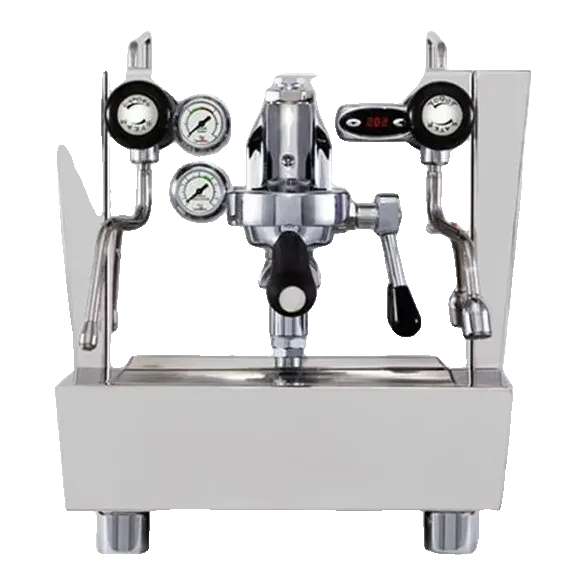
- 239Grind & Infuse Perfetta (Type 1019)Solis · ThermoblockCA$595–995
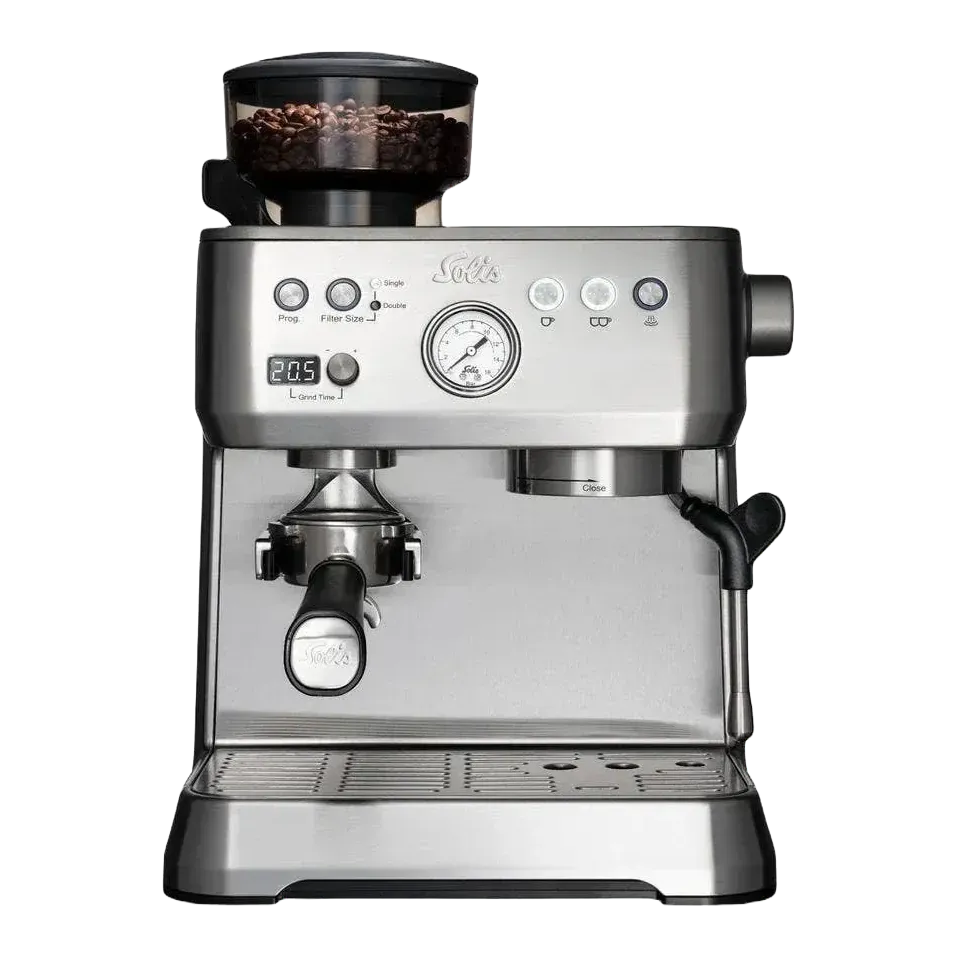
- 240Magnifica Duo (ECAM33080SXB)De'Longhi · Super-autoCA$1,299
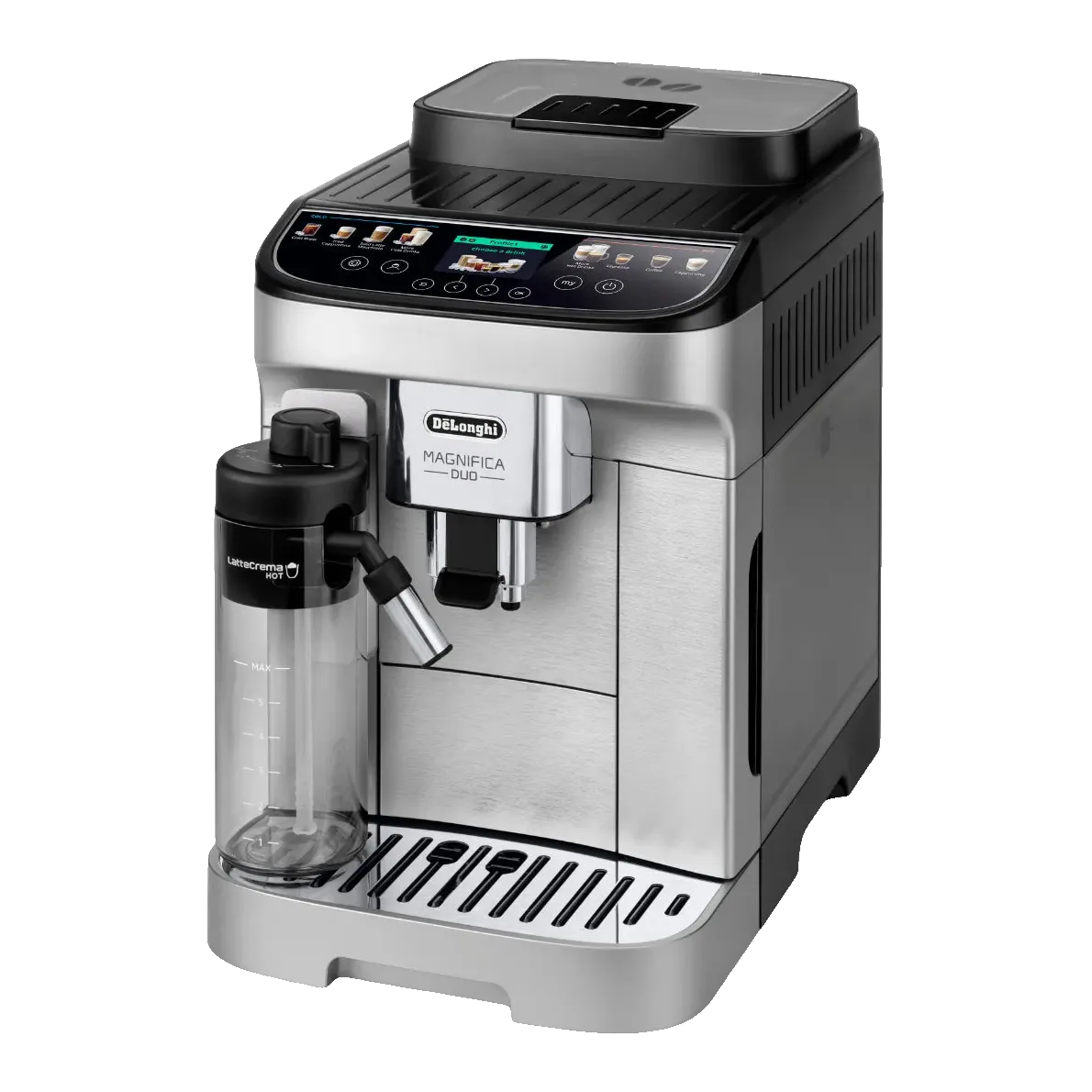
- 241EstetikaECM · Dual boilerUS$3,900
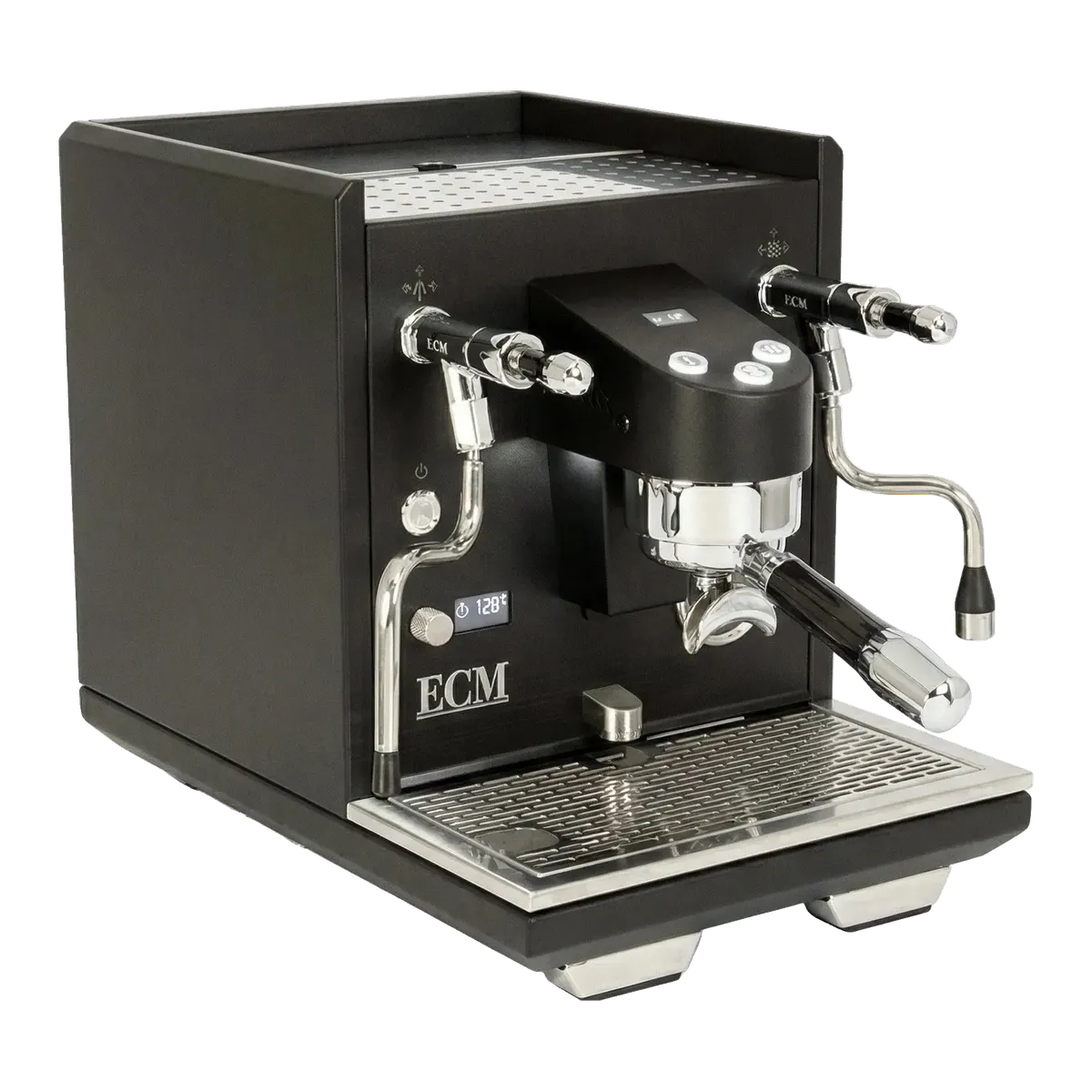
- 242Whale G3038AGemilai · Heat exchangerUS$1,000–1,300
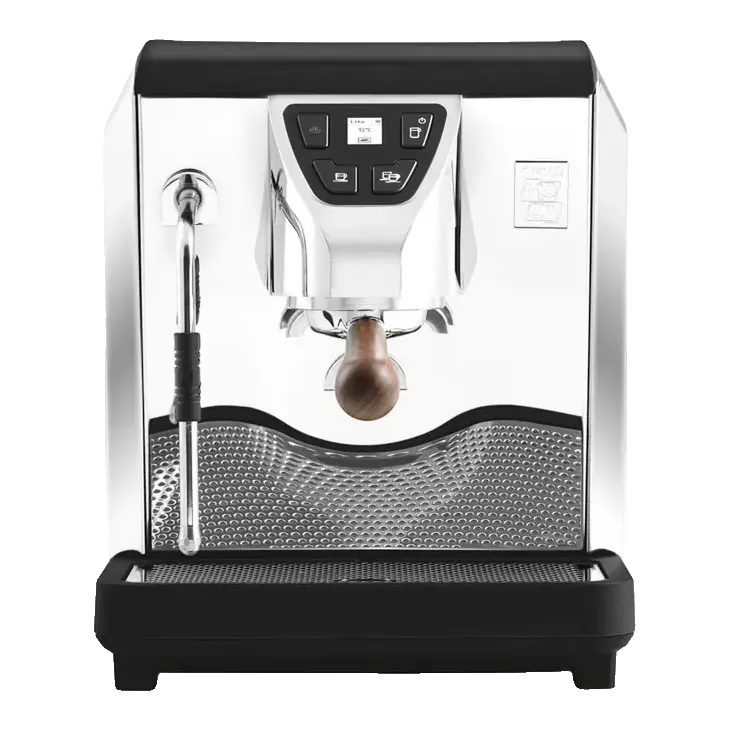
- 243Oscar MoodNuova Simonelli · Heat exchangerCA$2,500–2,700
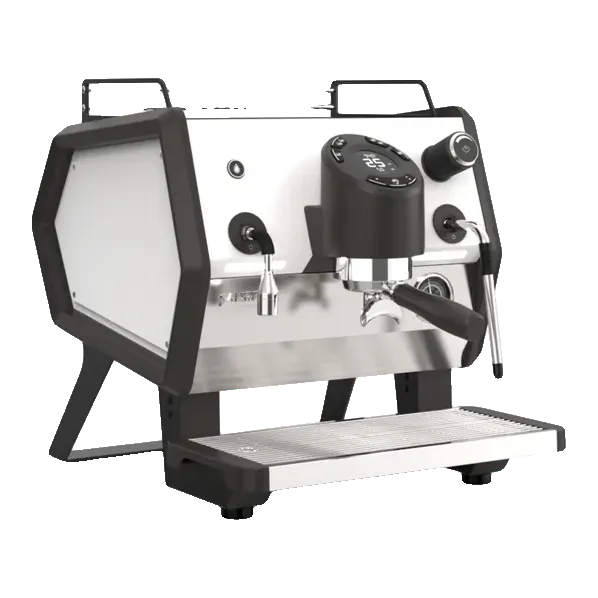
- 244D8 OneSanremo · Heat exchanger—
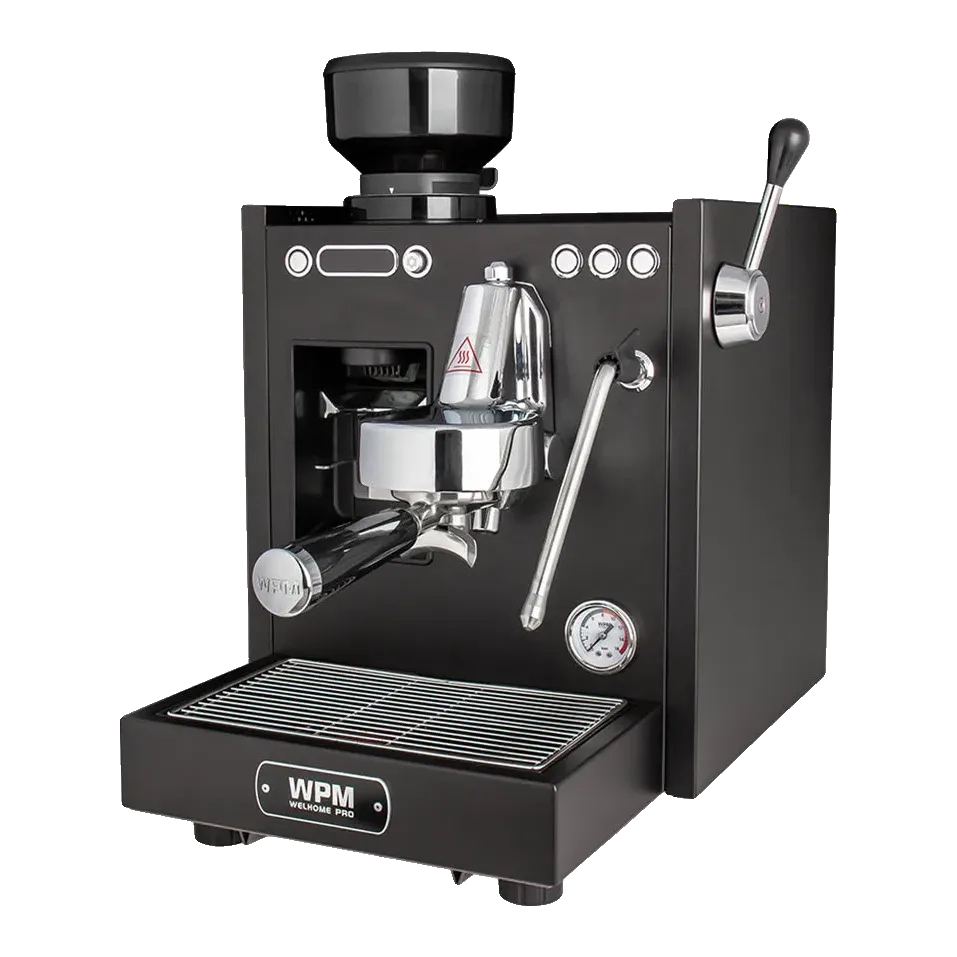
- 245KD-310WPM · Thermoblock—
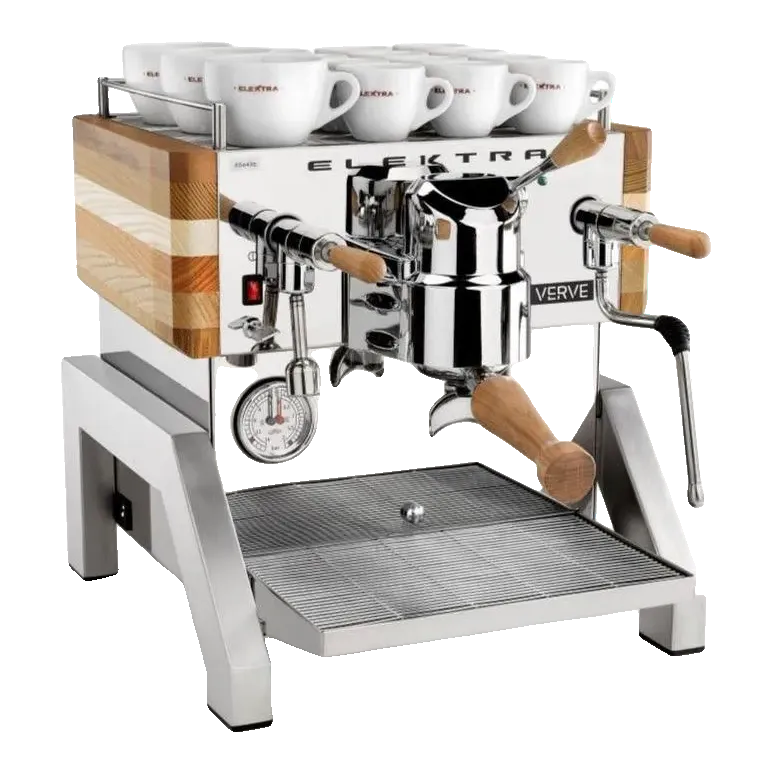
- 246VerveElektra · Dual boilerCA$4,945–6,315
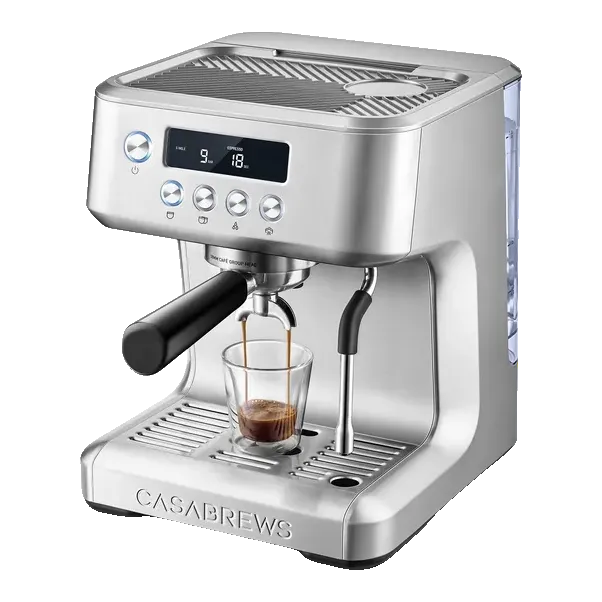
- 247ULTRA PROCasabrews · ThermoblockUS$199–269
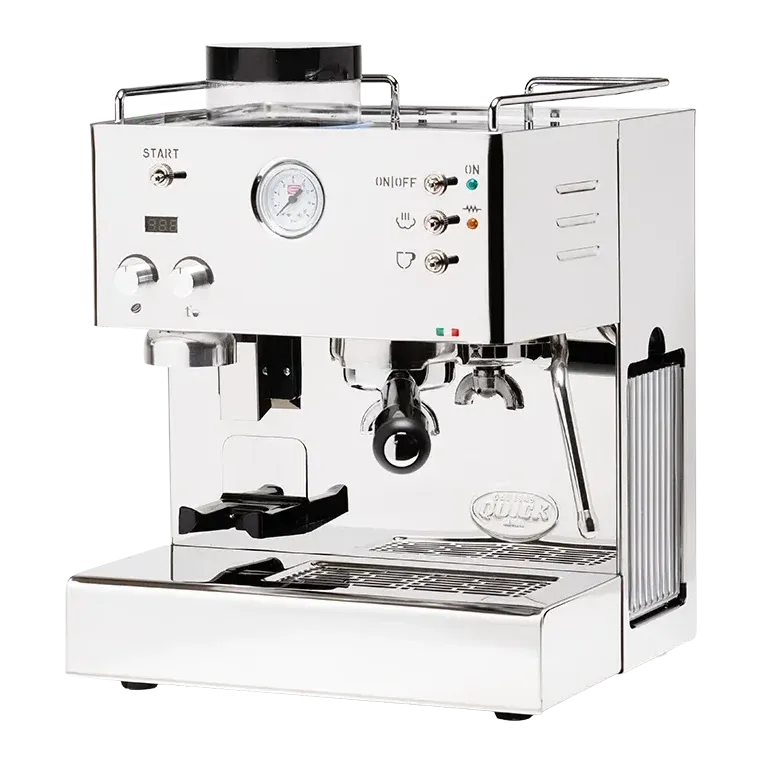
- 248Pegaso PID (Mod. 03035)Quick Mill · Thermoblock—
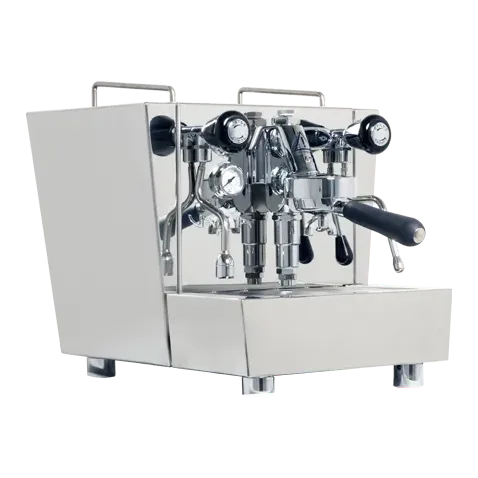
- 249Valexia PIDIzzo · Heat exchanger—
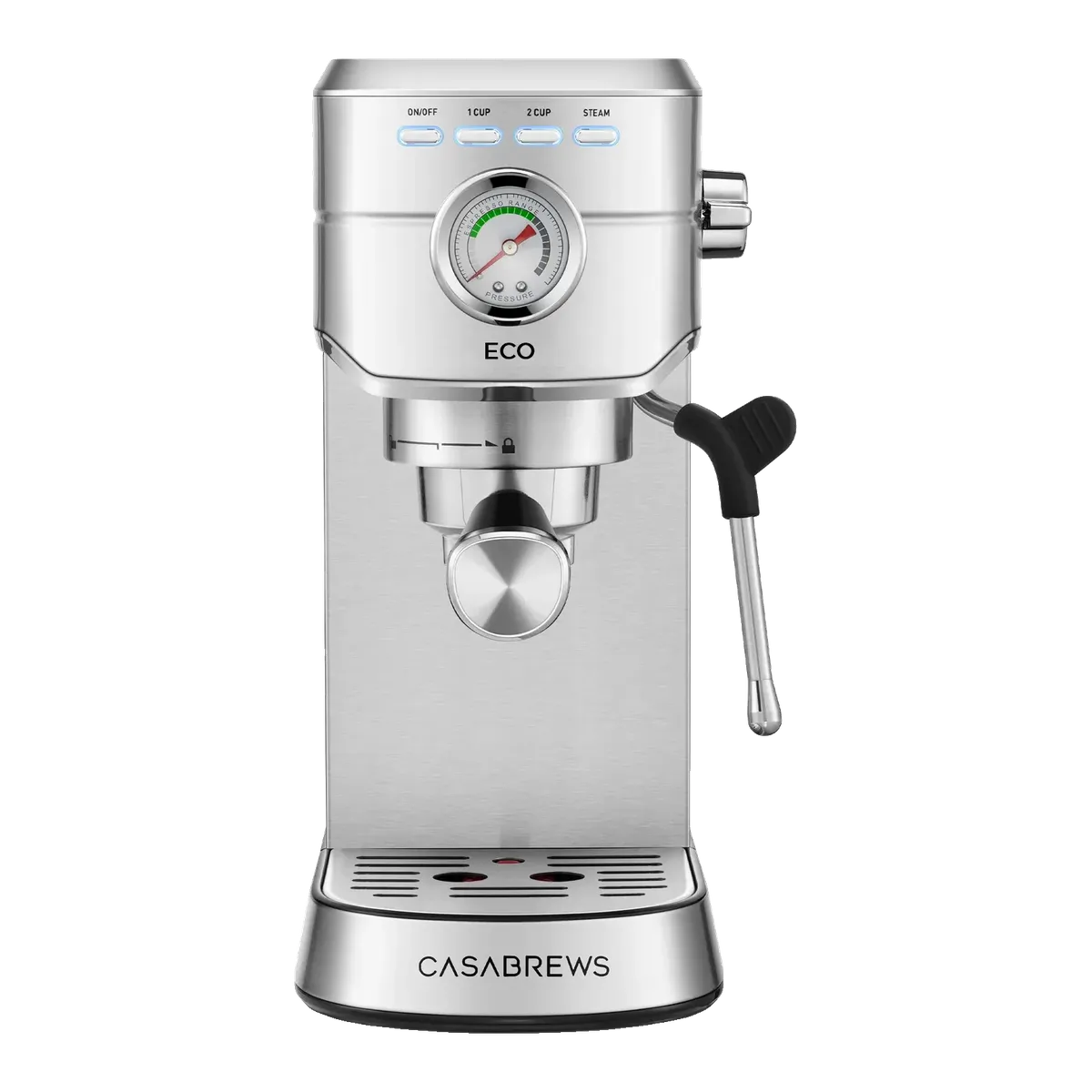
- 2505418ECOCasabrews · ThermoblockCA$195–220
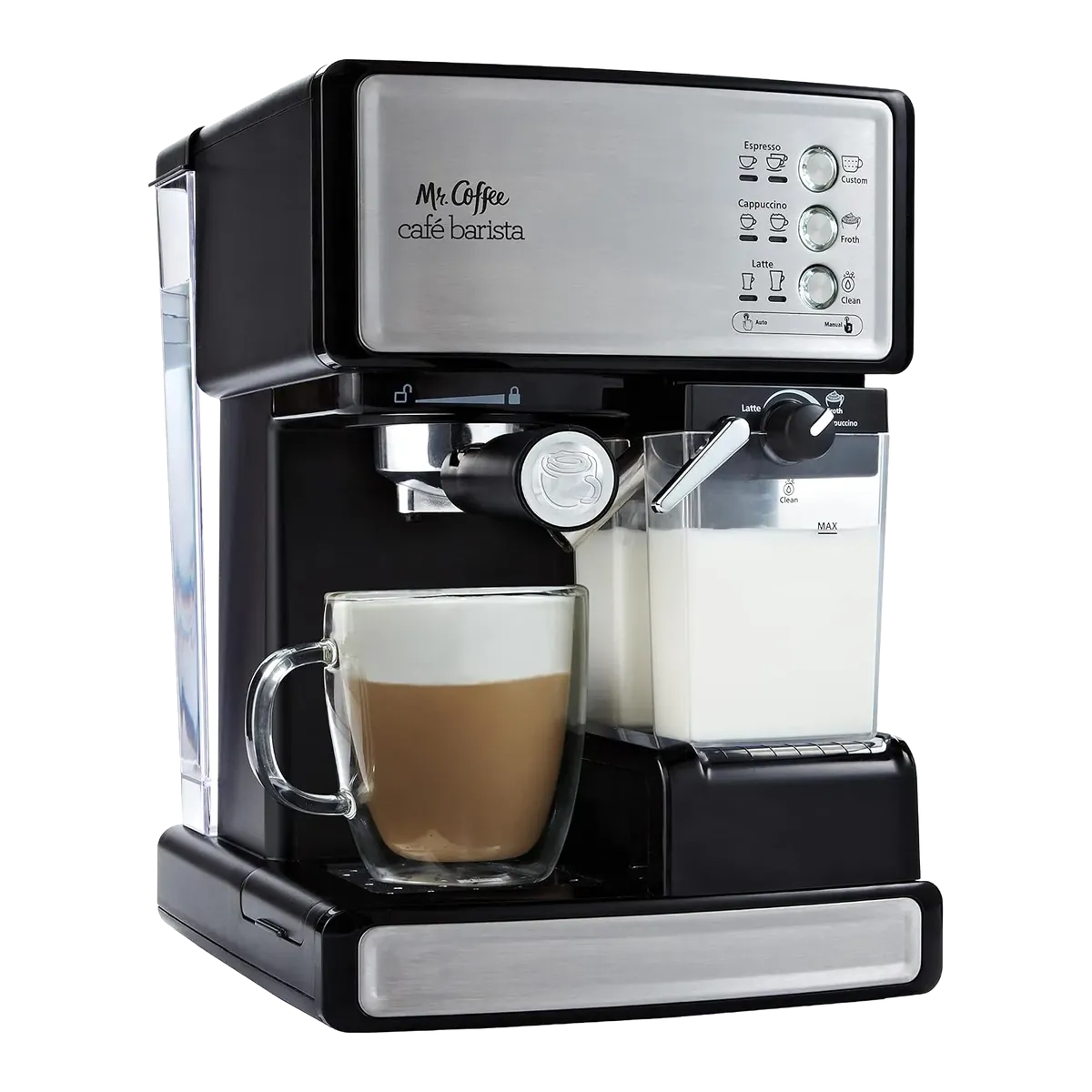
- 251Café BaristaMr. Coffee · ThermoblockUS$60–100
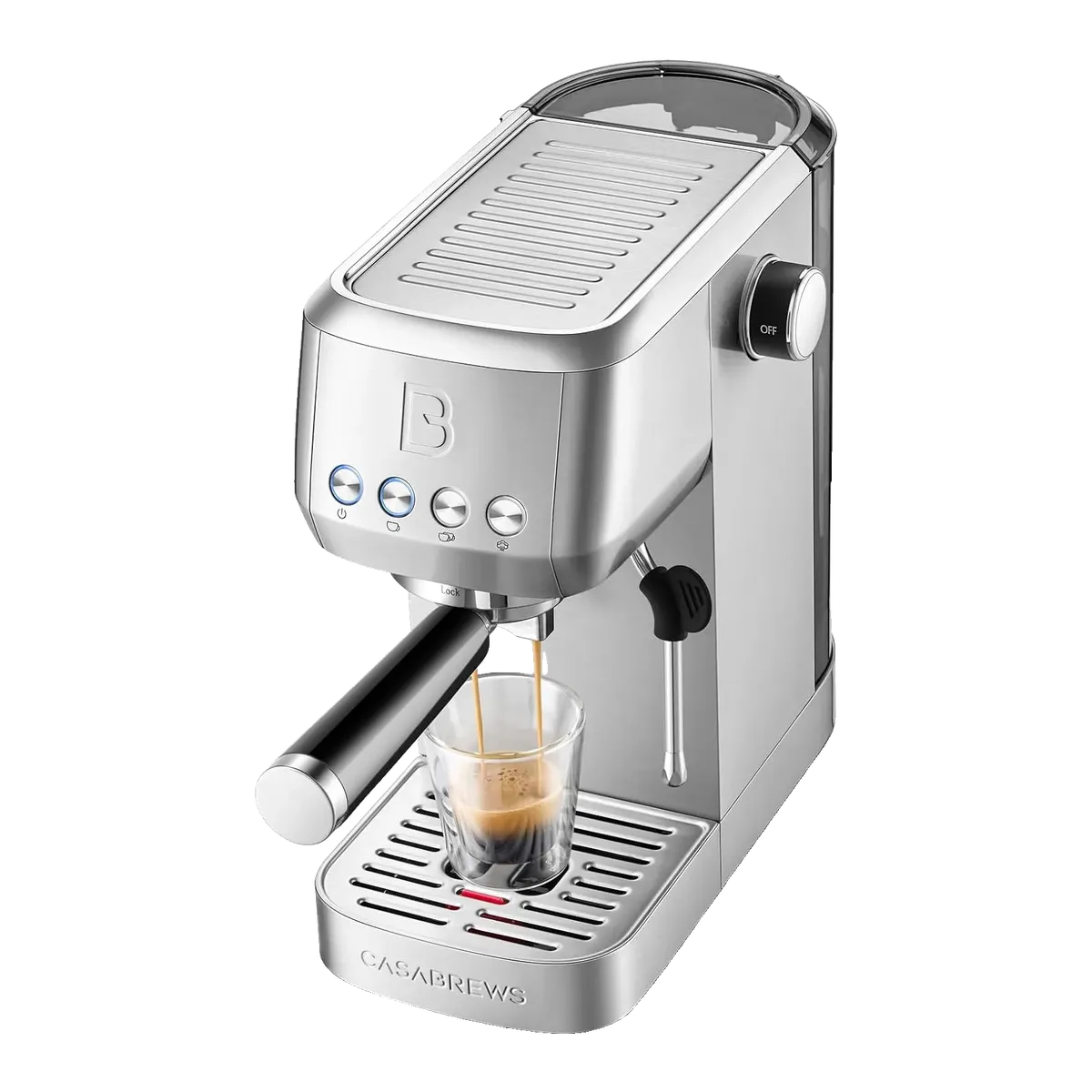
- 2523700 EssentialCasabrews · ThermoblockUS$119–139
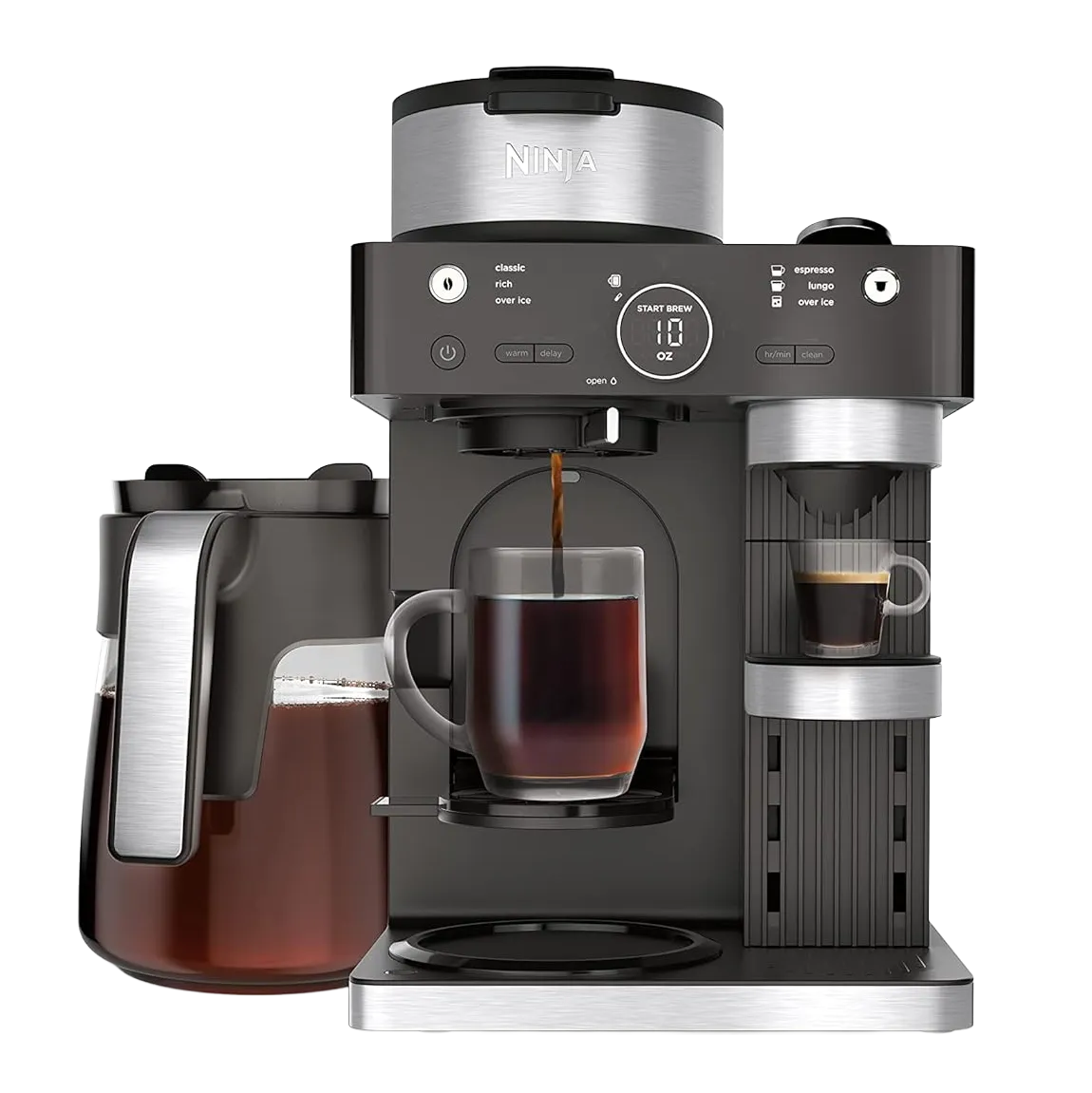
- 253Espresso & Coffee Barista System CFN601CNinja · ThermoblockCA$217–280
- 2543700GENSECasabrews · ThermoblockUS$100–150
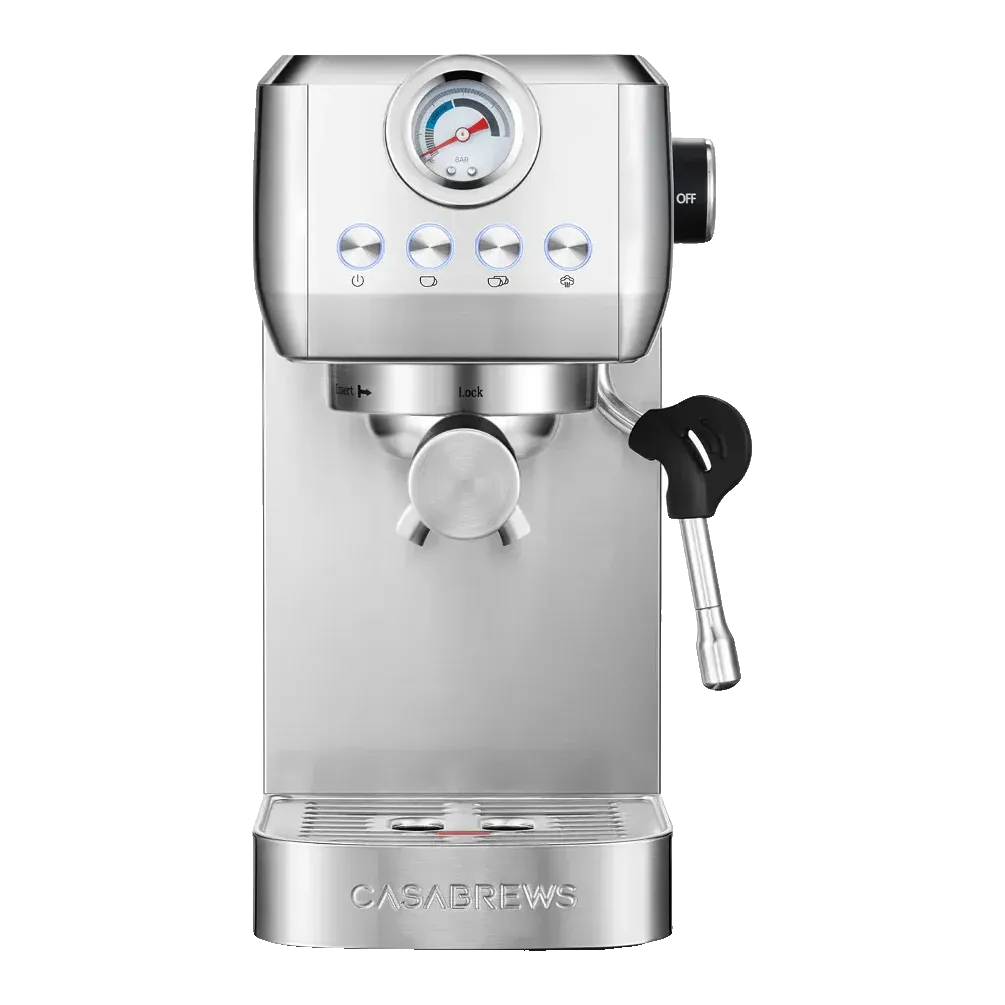
- 255Maverick IIIIsomac · Single boiler—
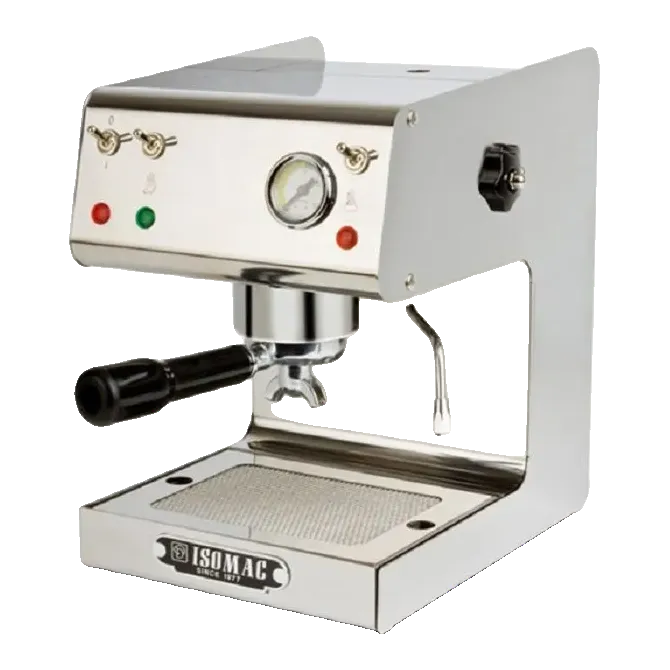
- 256Temp iQ with and Steam WandCalphalon · ThermoblockUS$349–699
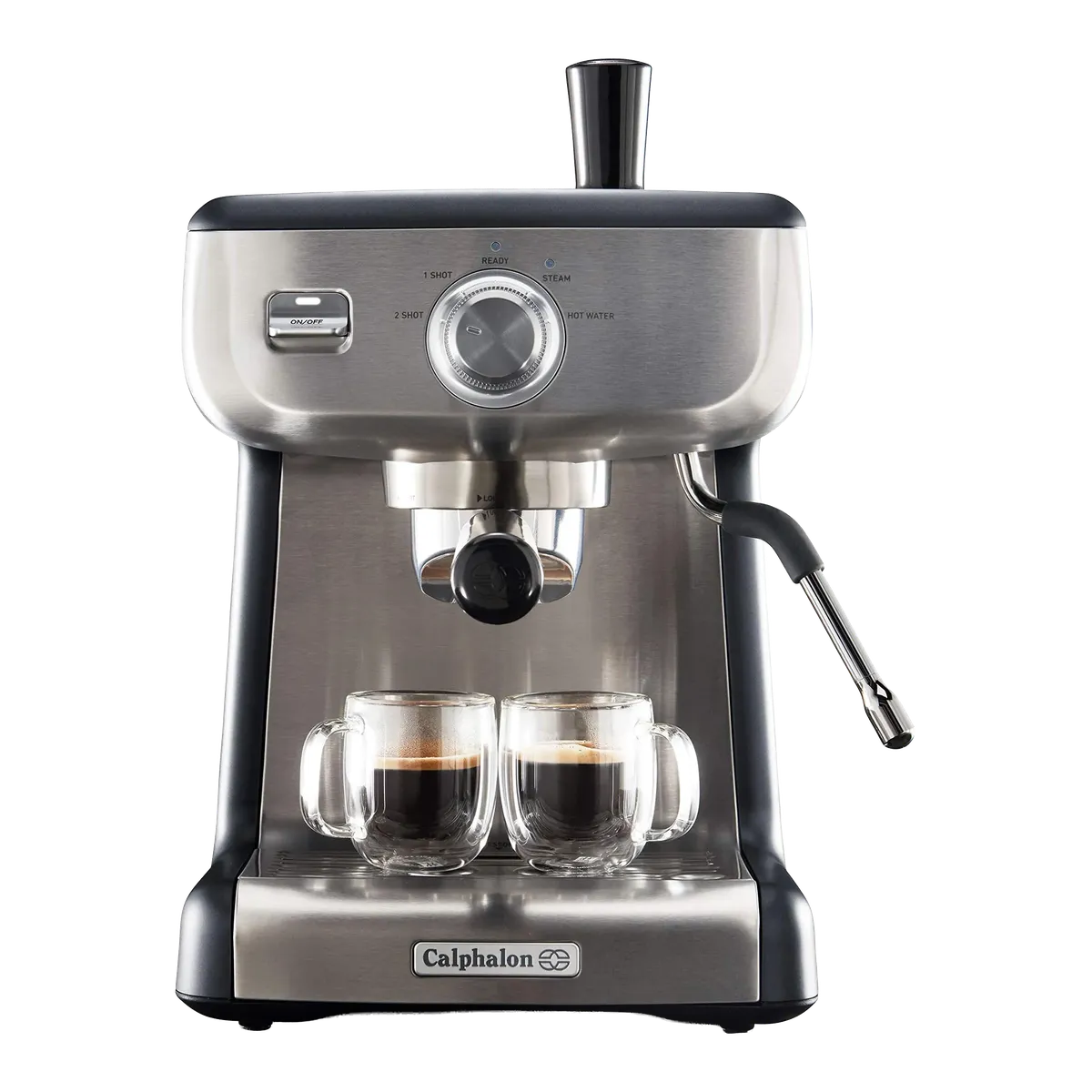
- 257PicoBaristo DeluxeSaeco · Super-auto—
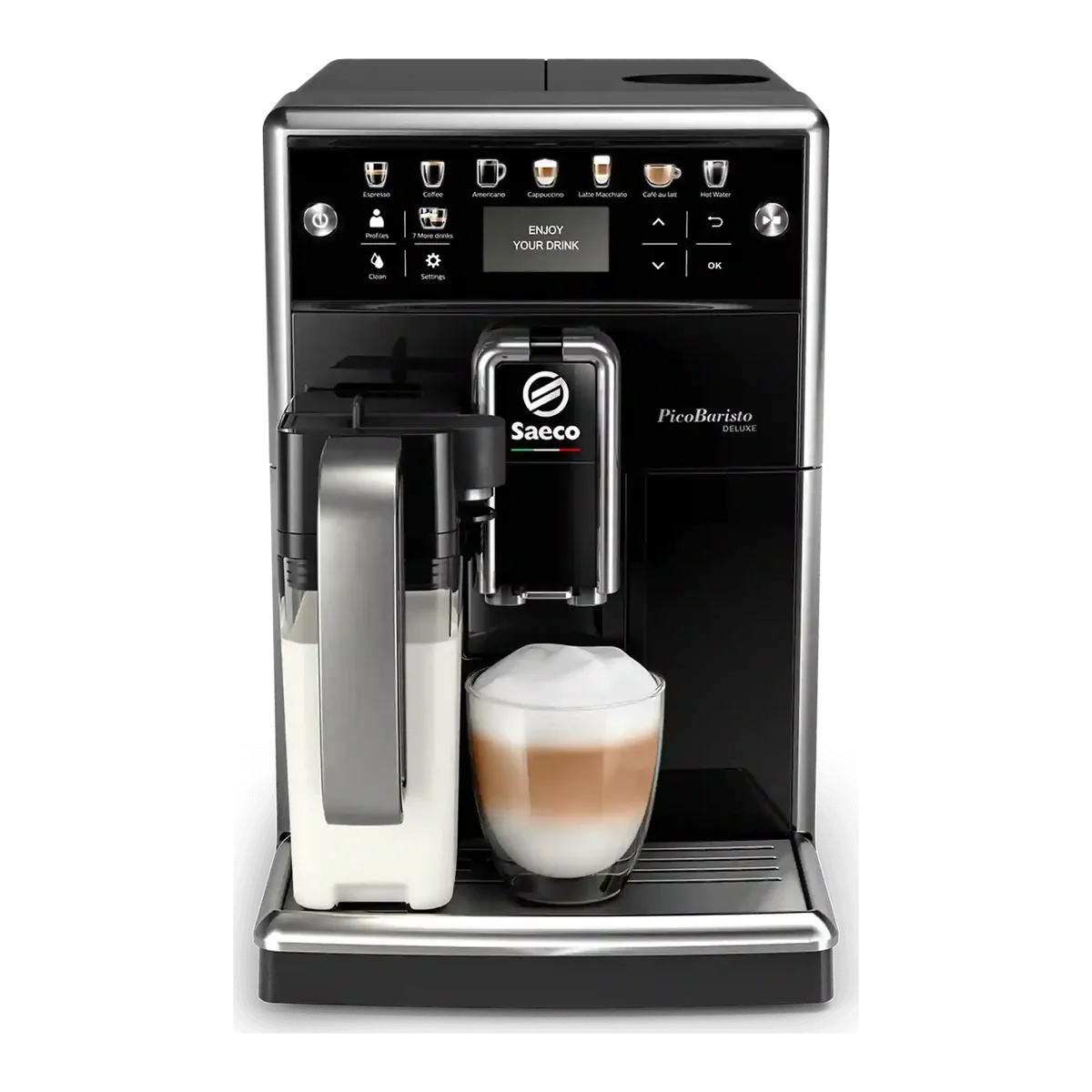
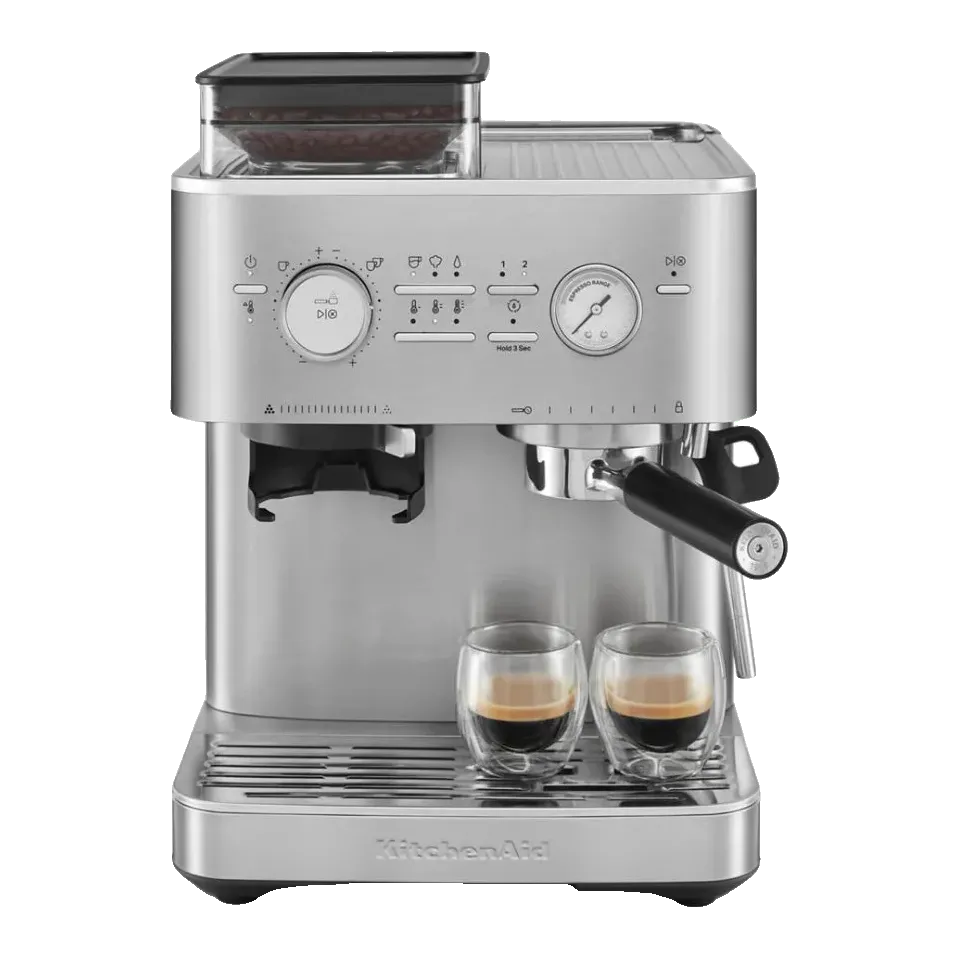
- 258Semi Automatic with (KES6551)KitchenAid · ThermoblockCA$595–1,000
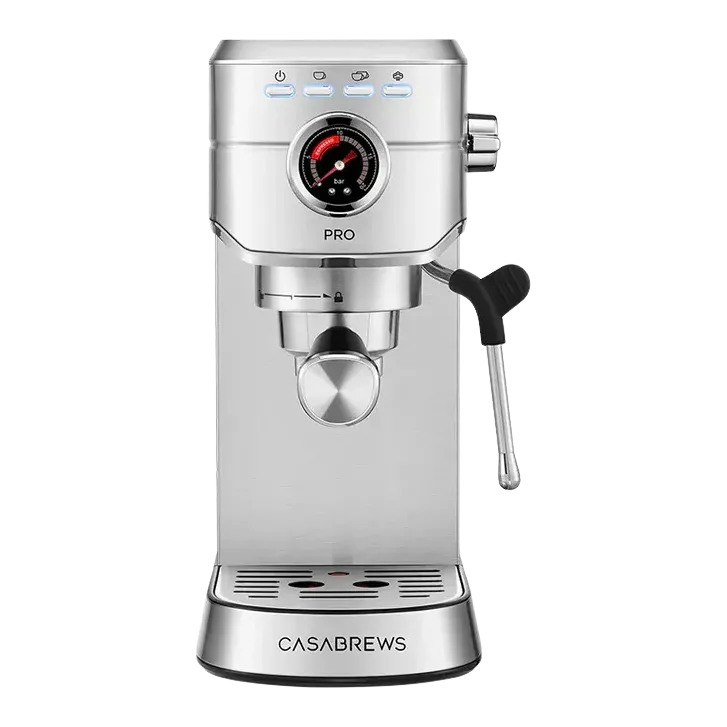
- 2595418 PROCasabrews · ThermoblockUS$179–299
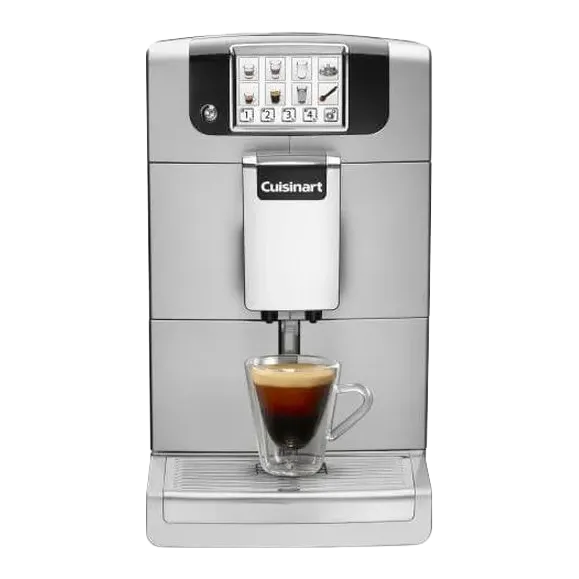
- 260Espresso Defined EM-1000Cuisinart · Super-autoUS$249–999
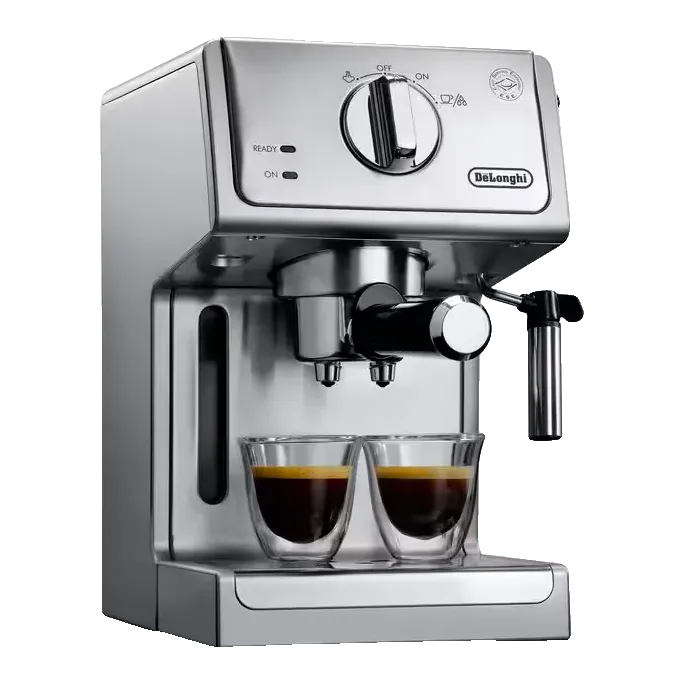
- 261ECP3620 ManualDe'Longhi · ThermoblockCA$145–210
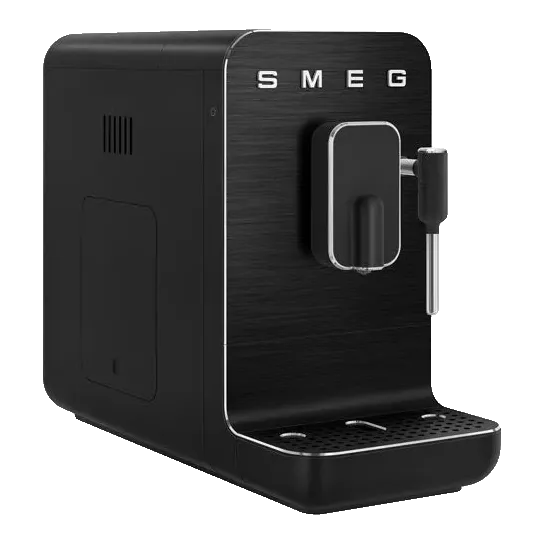
- 262BCC02 Espresso AutomaticSMEG · Super-autoCA$695–915
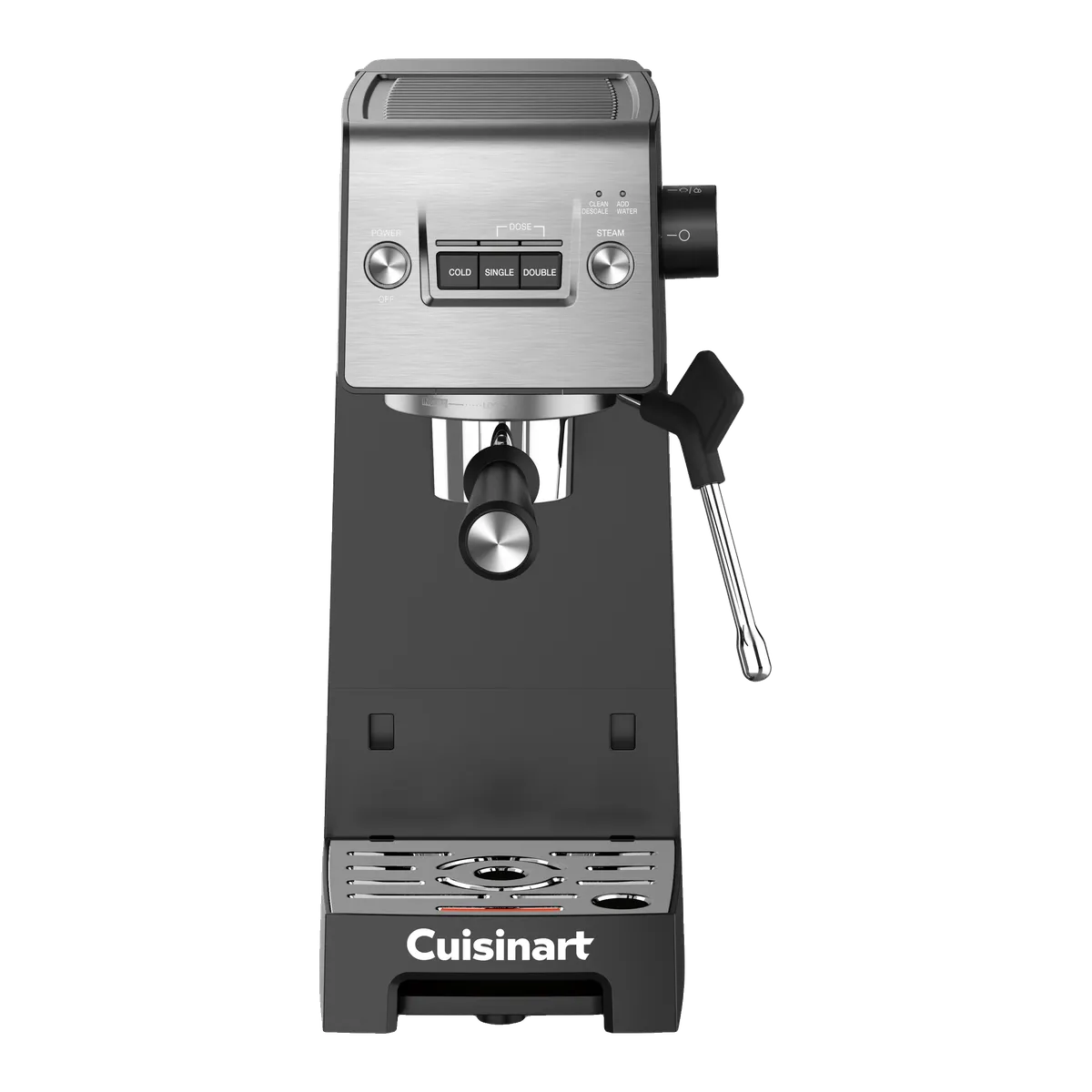
- 263Espresso Bar Slim (EM-160)Cuisinart · ThermoblockUS$169–200
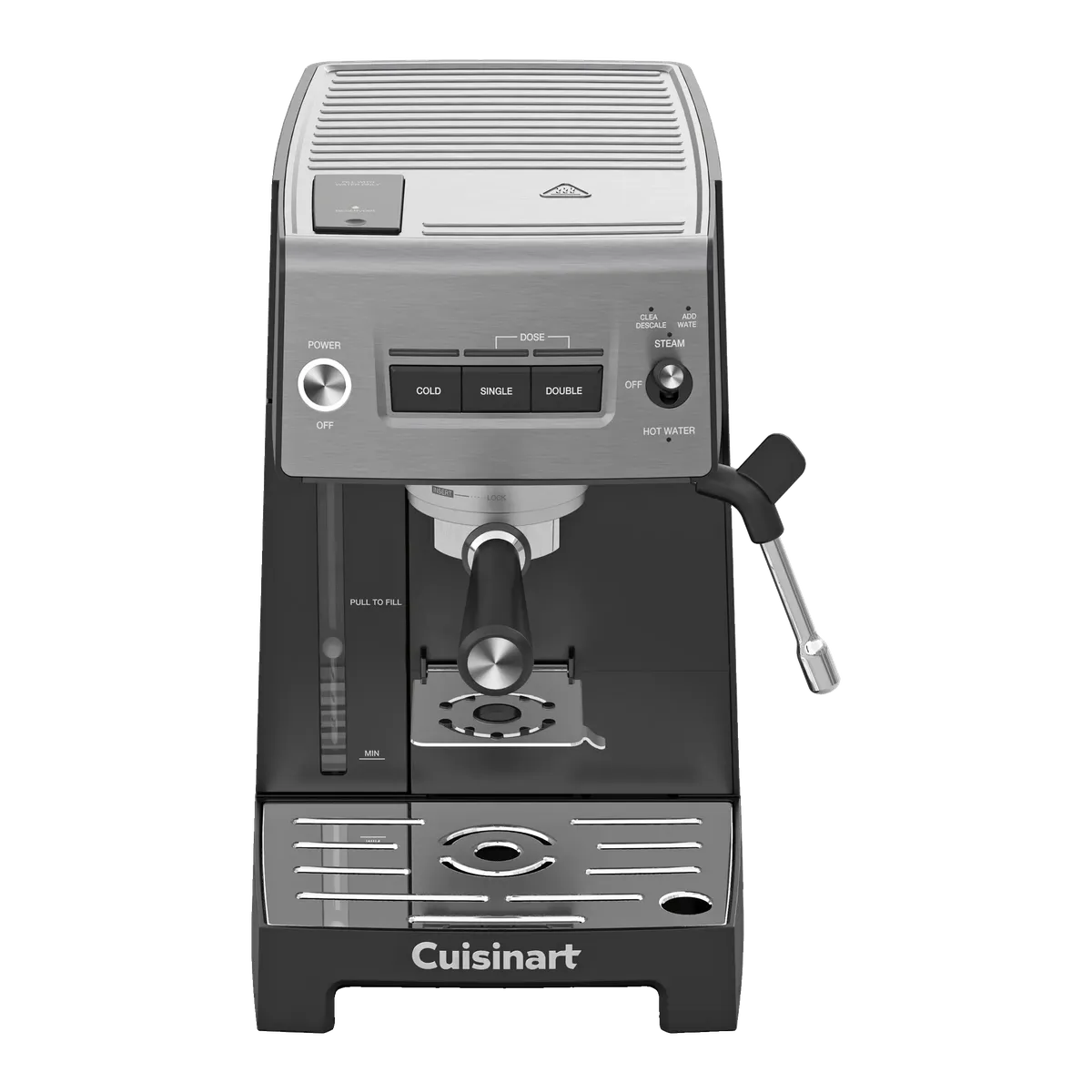
- 264Espresso Bar (EM-320)Cuisinart · ThermoblockCA$315–510
Breville · Thermoblock
Community defaultBambino Plus
The Bambino Plus is the tidiest on-ramp to real espresso at the entry price tier: PID-stable shots, automatic milk texturing, and almost no counter footprint. Accept that the thermocoil is not rebuildable and that the 54mm ecosystem has fewer third-party upgrade parts than 58mm machines — this is a starter, not a forever machine.
Questions, answered straight
- What is the best home espresso machine?
- There is no single answer — it depends on your budget, counter space, and how hands-on you want to be. A beginner is best served by a forgiving single- or thermoblock machine; someone chasing café-level shots wants a dual boiler with a high shot-quality ceiling; a small kitchen needs a compact footprint. We score every machine on the same axes so you can match one to your situation rather than chase a single ranking.
- Which espresso machine should I buy as a beginner?
- The community keeps handing beginners the same few machines for a reason: forgiving workflow, huge documentation, easy resale if the hobby does not take. Our budget brackets above show the default at each price, and the two-minute finder weighs your mornings — milk, noise, counter, patience — against all of them.
- Single boiler, heat exchanger, or dual boiler?
- Single boiler is the most affordable and compact but makes you wait between pulling a shot and steaming milk. A heat exchanger (HX) lets you brew and steam at once at a lower price than dual boiler, with a slightly steeper learning curve. Dual boiler gives the most stable temperature and the highest ceiling for milk drinks, at the highest price and footprint.
- How much should I spend on a home espresso machine?
- Capable entry-level machines start around $400–700; the sweet spot for a machine you will keep for years is roughly $900–1,800; café-grade dual boilers run $2,000 and up. Spending more buys temperature stability, build longevity, and steam power — not necessarily an easier daily routine. Always budget for a quality grinder alongside the machine.
- Do I need a separate grinder?
- For espresso, yes — the grinder matters as much as the machine. A built-in grinder is convenient but rarely matches a dedicated burr grinder at the same total cost. See the grinder field for the standouts.
- Are these recommendations affiliate links?
- We do not sell hardware. When you buy through an outbound retailer link we may earn a small, disclosed referral — it never changes the score, the ranking, or the price you pay. The measurements are the same whether or not a retailer pays us.
Feed it right
Week one is dial-in — and stale beans will lose it.
Coffee more than a few weeks past roast won’t extract predictably, and a new machine gets blamed for it. While you learn it, a forgiving medium-light roast keeps dial-in kind — bright enough to taste progress, sweet enough to drink the misses.
Pick your coffee — any of these dials in beautifully here:
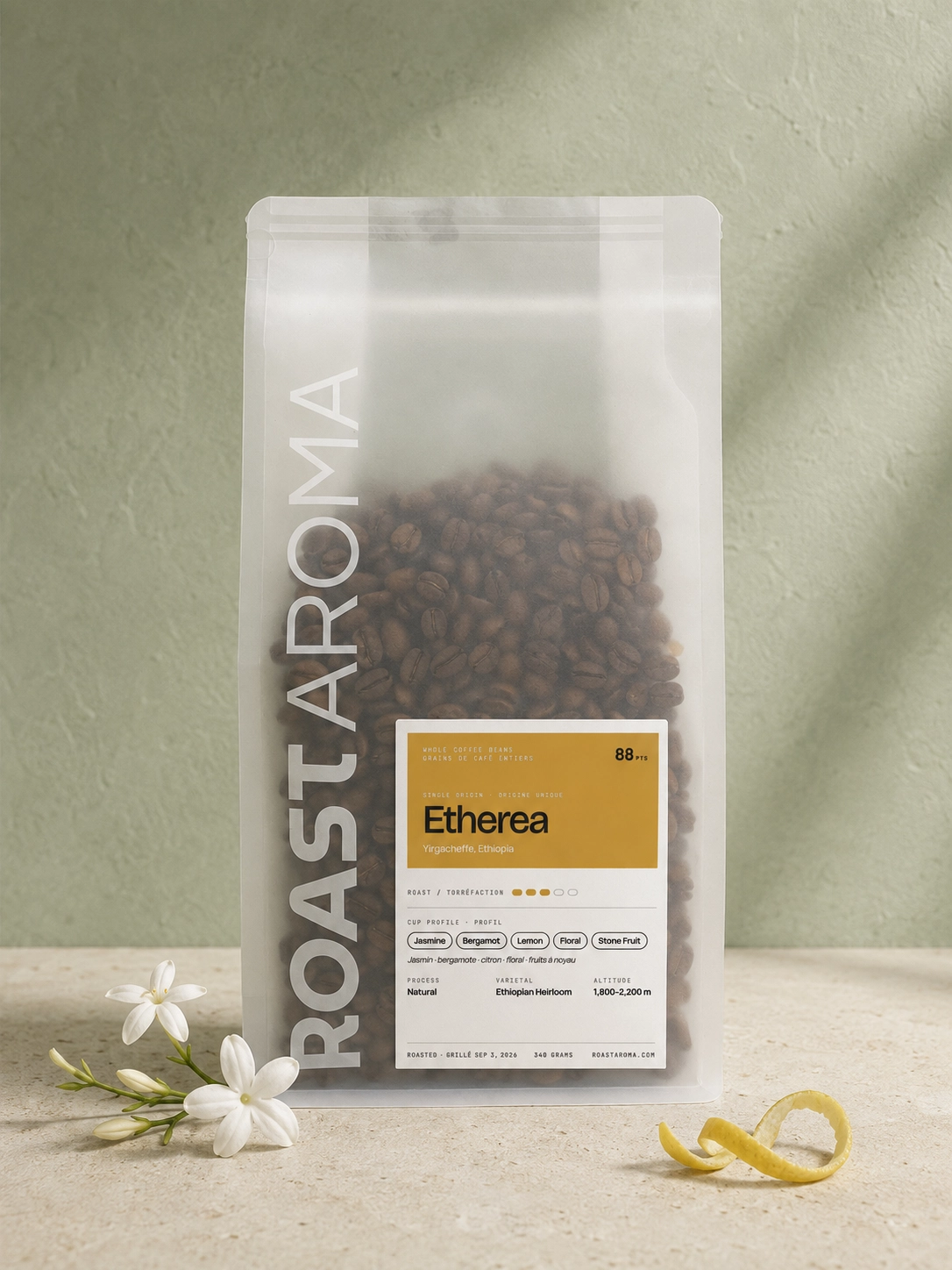 Etherea - Ethiopian YirgacheffeSCA 88Medium roast · NaturalJasmine · BergamotSteady and repeatable — right for this setup’s lane.CA$24.16 · roasted to order
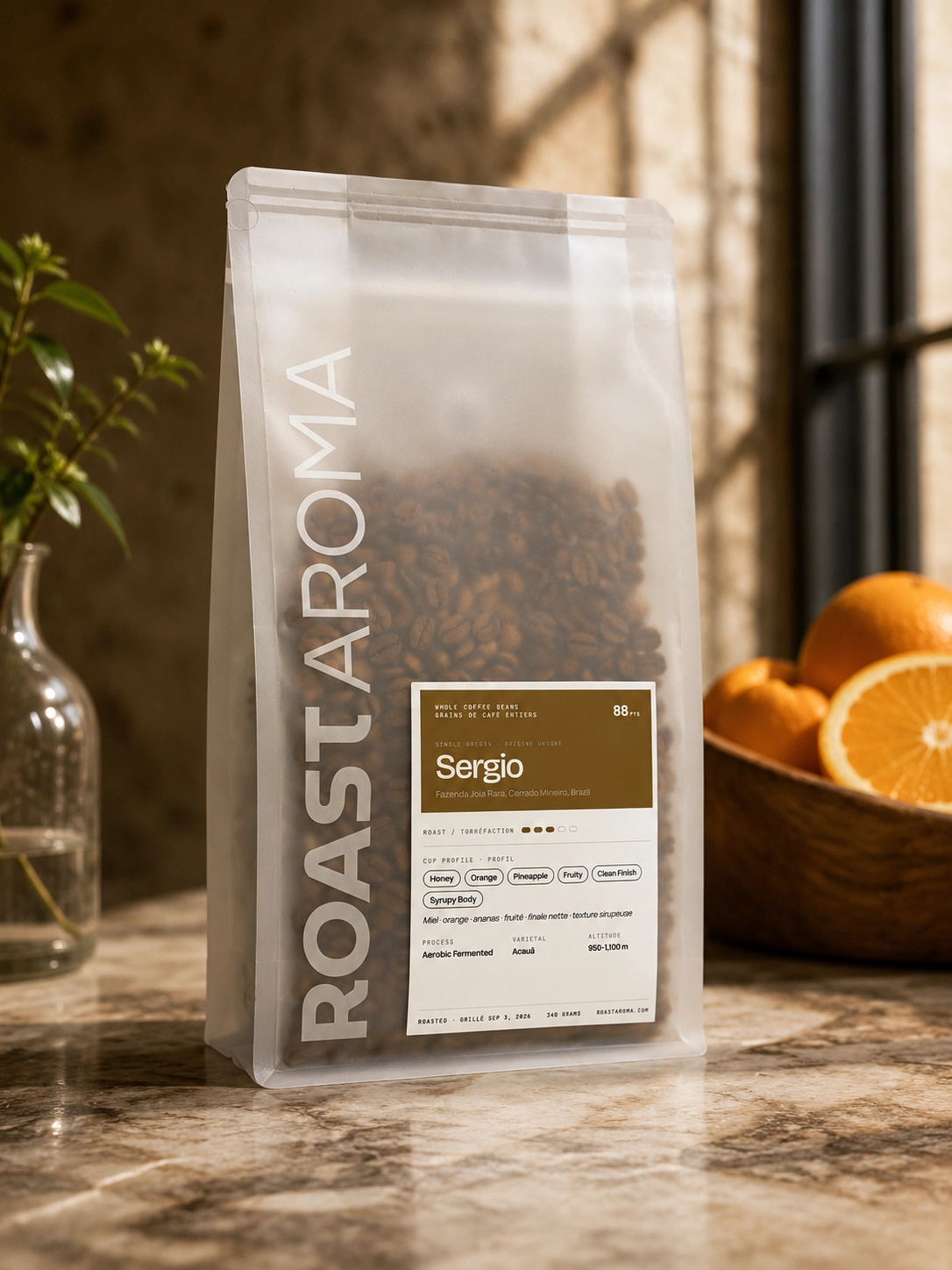 Sergio - Brazillian Fazenda Joia Rara Aerobic FermentedSCA 88Medium-light · Cerrado Mineiro · Aerobic FermentedHoney · OrangeSteady and repeatable — right for this setup’s lane.CA$29.18 · roasted to order
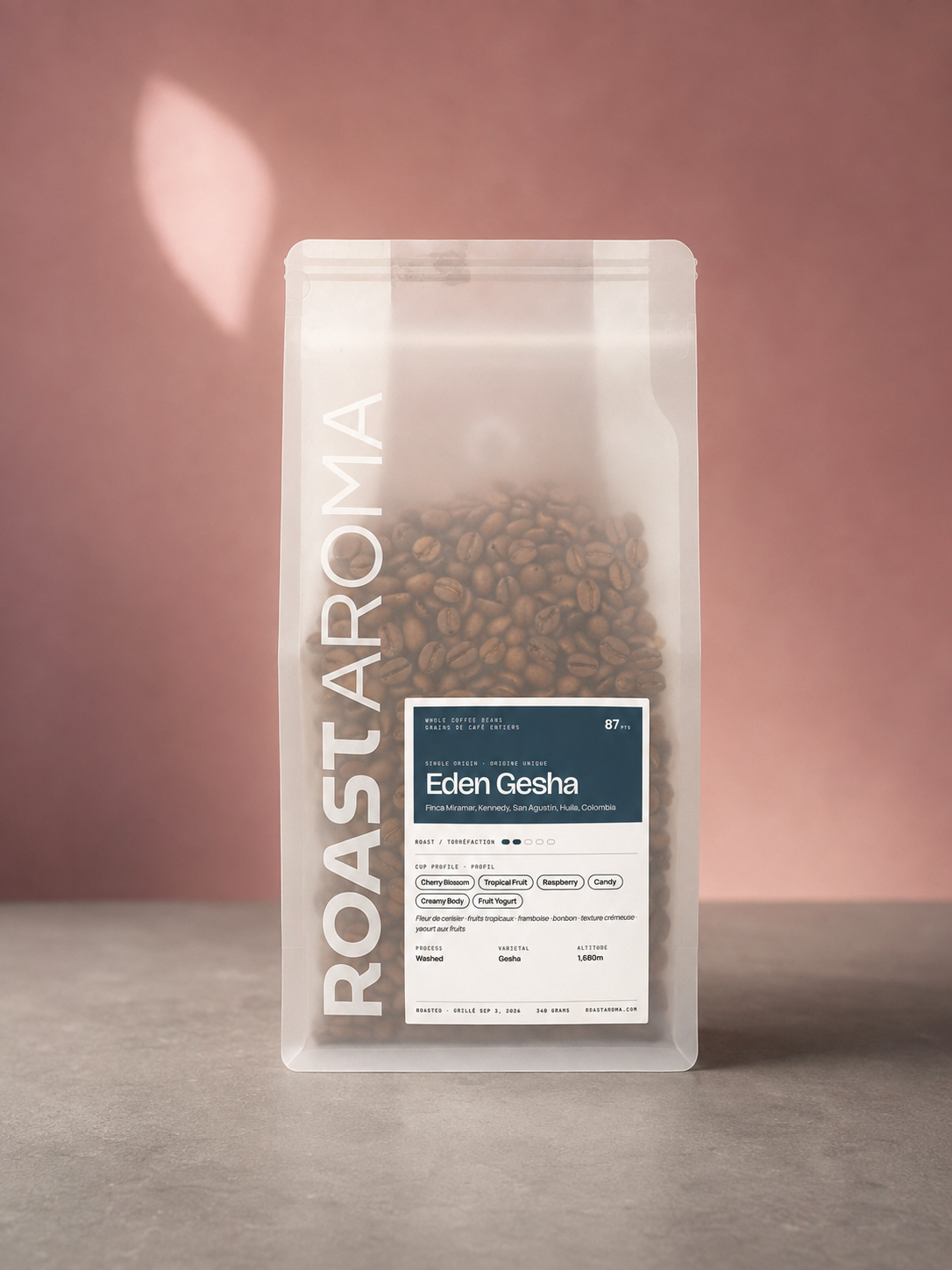 Eden Gesha - Colombian MiramarSCA 87Medium-light · Kennedy, San Agustin, Huila · WashedCherry blossom · Tropical fruitSteady and repeatable — right for this setup’s lane.CA$26.24 · roasted to order
A capable grinder matters as much as the machine. Start with whole beans and a printed roast date.
Prefer regular deliveries? RoastPlan is RoastAroma’s coffee subscription. Choose your coffees and their available options, then set deliveries every 1–6 weeks.
One-time RoastAroma orders are roasted to order in Ajax, Ontario and ship Canada-wide. We’re the roastery behind this database — measuring the machines is how we make sure the coffee gets a fair shot.
The other half of the counter
The grinder decides as much of the cup as the machine — and no machine fixes stale beans. We roast to order, daily, in Ajax; measuring the machines is how we make sure the coffee gets a fair shot.