Expobar · Dual boilerBrewtus IV
The Brewtus IV is a prosumer dual-boiler machine built around a pair of 1.5-liter copper boilers, a Gicar PID, and a modified E61 group with a built-in pre-infusion chamber — serious temperature stability at a price point that undercut most European dual-boiler rivals when it was current.
The short version
A copper-boilered, E61-grouped dual-boiler that punches well above its price class on temperature stability and steam capacity; the trade-off is a utilitarian aesthetic, a lengthy full heat-up, and a product line that has since been superseded by the Crem One DUO-V. Buy used with confidence if you can service an E61.
Why people buy it
- Twin 1.5-liter copper boilers give an unusually large brew boiler relative to the price class, meaning excellent thermal mass and shot-to-shot consistency.
- Enhanced E61 group with a concave pre-infusion chamber improves extraction uniformity without any extra workflow steps.
Why they don’t
- Full dual-boiler heat-up takes roughly 25–30 minutes from cold; the steam-boiler switch helps but it is still not a quick-start machine.
The full tally
- Twin 1.5-liter copper boilers give an unusually large brew boiler relative to the price class, meaning excellent thermal mass and shot-to-shot consistency.
- Enhanced E61 group with a concave pre-infusion chamber improves extraction uniformity without any extra workflow steps.
- Independent steam-boiler switch lets you skip heating the second boiler when you only need espresso, cutting warm-up time and running costs.
- Gicar PID keeps brew temperature tightly controlled and user-adjustable to match different coffee profiles.
- Full dual-boiler heat-up takes roughly 25–30 minutes from cold; the steam-boiler switch helps but it is still not a quick-start machine.
- Utilitarian stainless steel casing and basic aesthetics lag behind European competitors at similar price points (Profitec, ECM) in fit and finish.
- Discontinued in the US market — now replaced by the Crem One DUO-V; parts and retailer support are declining, making long-term serviceability a concern for new buyers.
What the community knows
Years of owner threads, distilled — well regarded.
E61-based dual-boiler with proven serviceability and standard parts availability appeals to homework-doing owners who value balanced workflow over flashy defaults; strong Home-Barista credibility but lower mainstream visibility means you have to actively seek it out rather than…
Parts & serviceability
parts and repairs — you are never stranded
Built to last
years before you outgrow or replace it
Reliability
shows up every morning, year after year
All 9 community measures
price-to-performance the community respects
shows up every morning, year after year
parts and repairs — you are never stranded
mods, guides, and community know-how around it
kind to first-timers
years before you outgrow or replace it
how far the cup can go, per dollar
speed and simplicity, day to day
Worth knowing before you buy — Most owners reason: balanced dual boilers solve the false choice between tiny steam and tiny brew capacity — you get proper volume on both fronts without bloated form factor.
“Big brew boiler, both boilers are 1.5L, no compromise w/ steam. Hard to understand why I'd want a big steam boiler and small brew boiler if I'm only going to use the brew boiler 99% of the time.”
“Steam pressure is crazy good! I only have it set to 1.6-1.7 bar but it goes to 2 which is a lot of steaming power!”
The measurements
Scored 0–5 on the same rubric as everything on file — the words matter more than the numbers.
The measurements
0–5, one rubric- Shot ceiling
- serious4
- Steam power
- confident4
- Built to last
- heirloom4.5
- Easy daily
- demanding1.5
Position in the market
Every dot is a rival, measured the same way. The gold one is this.
- Upper half for shot ceiling
- a higher ceiling than 149 of the 237 machines we’ve measured
- A value pick at this level
- 89% of machines this capable cost more
- Top quarter for build
- sturdier than 78% of the field, by the community’s own record
Every dot is a machine measured on the same rubric. See the whole market
Living with it
The part spec sheets skip: counter space, upkeep, and what owners learn later.
The honest note — Owners typically outgrow the Brewtus IV when they want pressure or flow profiling capability, or when they want better fit and finish. Common upgrades are the Profitec Pro 600, ECM Synchronika, or (for the Expobar faithful) the Crem One DUO-V. Some owners add an outboard rotary pump and ECM joystick steam/water valves as a cost-effective way to extend the machine's capability before upgrading.
The full spec sheet
- Type
- Dual boiler
- Heat-up time
- ~25 min
- Steam power
- 4/5
- Brew + steam at once
- Yes
- Guest recovery
- 4/5
- Shot quality ceiling
- 4/5
- PID temperature control
- Yes
- Milk system
- Manual steam wand
- Removable brew group
- No
- Hot-water tap
- Yes
- Workflow demand
- 3.5/5
- Maintenance
- 3.5/5
- Noise
- 3/5
- Build longevity
- 4.5/5
- Dimensions
- 28 × 43 × 37 cm
Before it arrives
What completes this machine — the faded pieces can wait.
Water filter / softener — Plumbed-in machines need inline filtration to keep scale out of the boiler — it is cheaper than a repair.
- Water filter / softener — Plumbed-in machines need inline filtration to keep scale out of the boiler — it is cheaper than a repair.
- Descaler & backflush kit — Electric boilers scale up and grouts gunk up — a descaler plus backflush routine is what keeps the machine alive for a decade.
- Coffee scale with timer — Espresso is a ratio. A 0.1g scale with a built-in timer is the single biggest consistency upgrade for any manual machine.
- Knock box — Somewhere to bang the spent puck that is not your kitchen bin.
- Calibrated tamper — The bundled tamper is usually an afterthought; a fitted, calibrated one makes prep repeatable.
- WDT distribution tool — Breaks up clumps before tamping — a cheap fix for channeling on any portafilter machine.
- Espresso cups & glassware — Proper demitasse and latte glasses keep the drink hot and look the part.
Feed it right
Week one is dial-in — and stale beans will lose it.
Coffee more than a few weeks past roast won’t extract predictably, and a new machine gets blamed for it. A machine in this class will show you the difference between roast dates — it deserves beans that change week to week.
Pick your coffee — any of these dials in beautifully here:
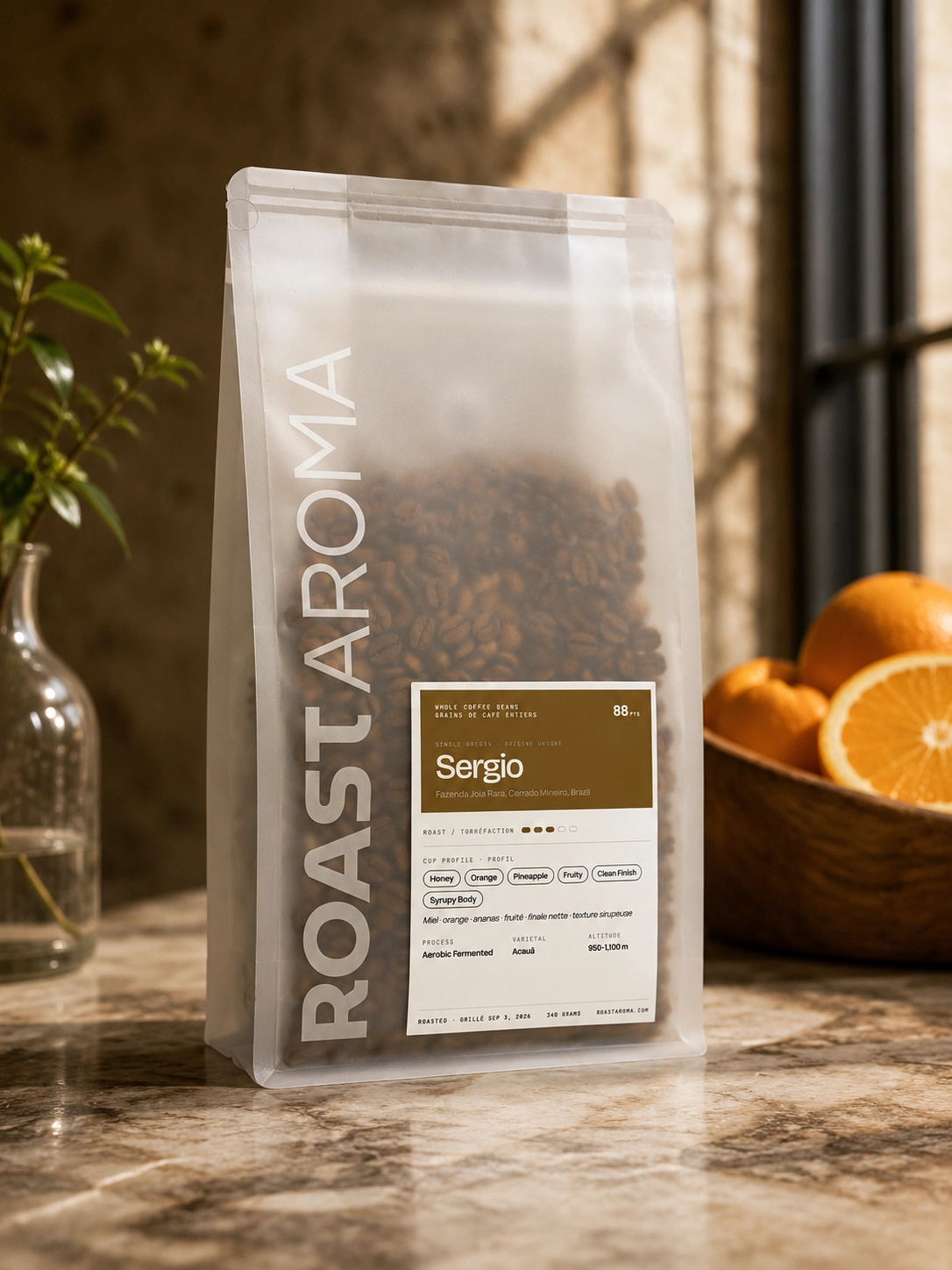 Sergio - Brazillian Fazenda Joia Rara Aerobic FermentedSCA 88Medium-light · Cerrado Mineiro · Aerobic FermentedHoney · OrangeEnough brightness to show what this gear can separate.CA$29.18 · roasted to order
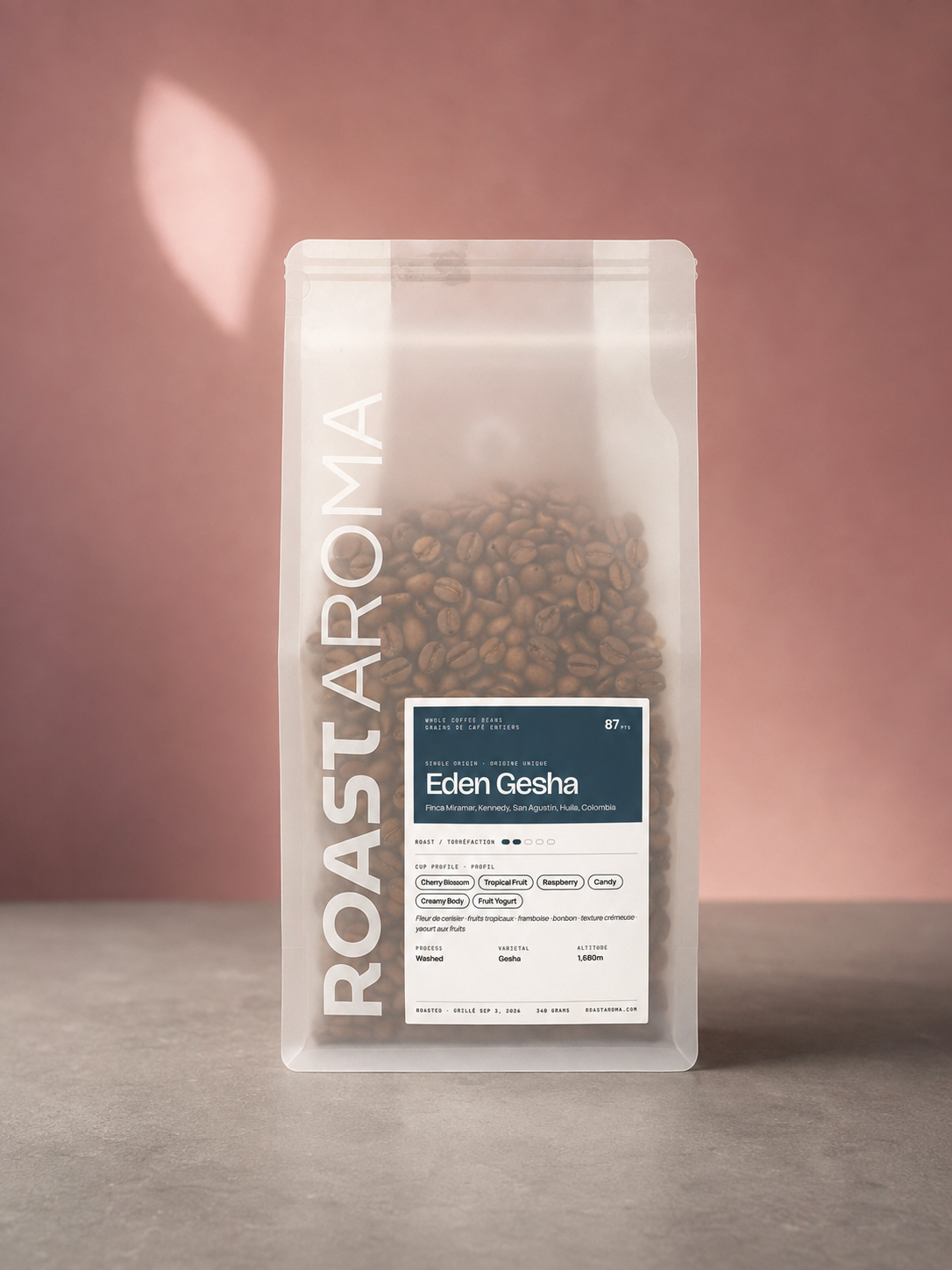 Eden Gesha - Colombian MiramarSCA 87Medium-light · Kennedy, San Agustin, Huila · WashedCherry blossom · Tropical fruitEnough brightness to show what this gear can separate.CA$26.24 · roasted to order
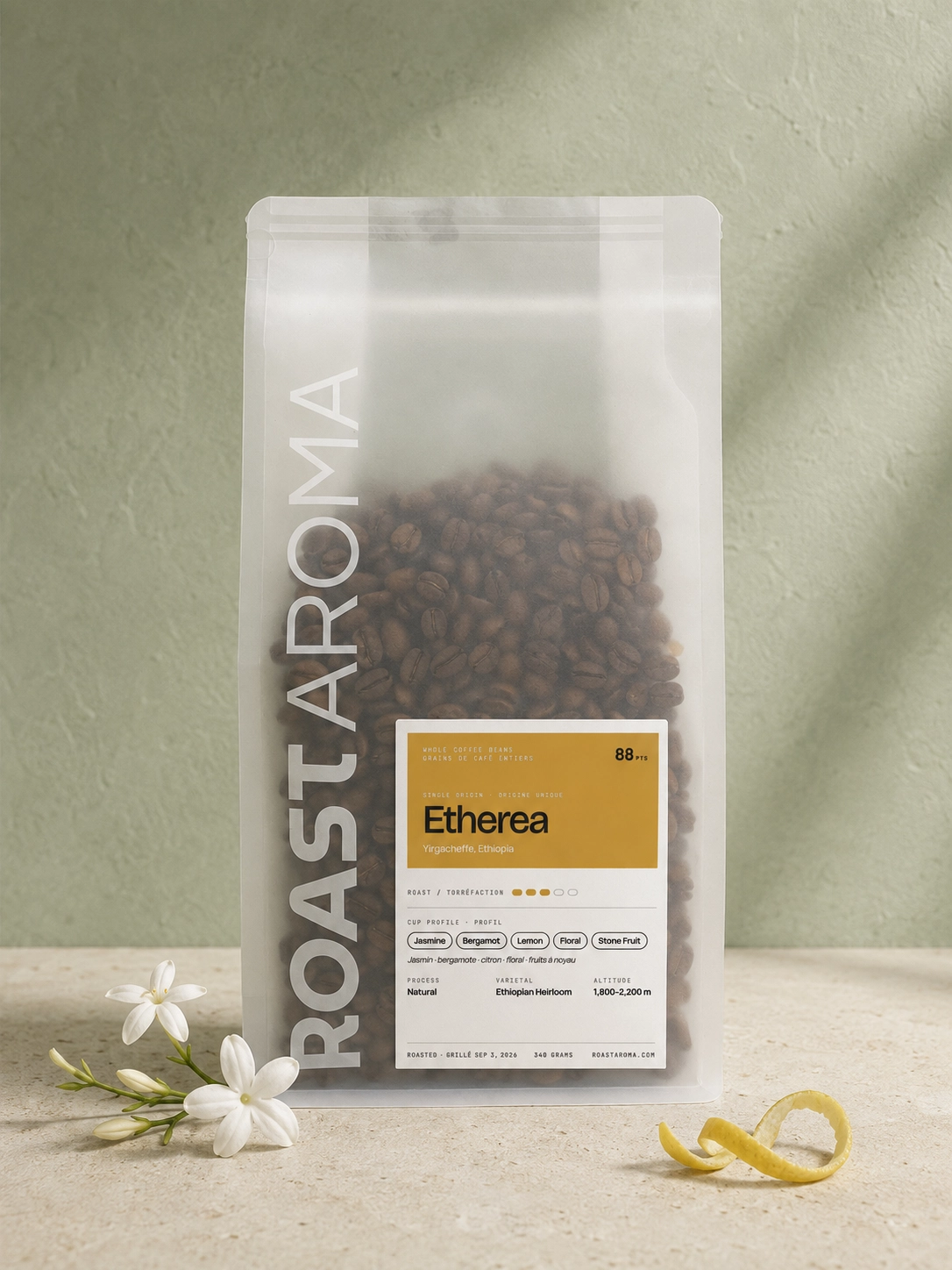 Etherea - Ethiopian YirgacheffeSCA 88Medium roast · NaturalJasmine · BergamotEnough brightness to show what this gear can separate.CA$24.16 · roasted to order
A capable grinder matters as much as the machine. Start with whole beans and a printed roast date.
Prefer regular deliveries? RoastPlan is RoastAroma’s coffee subscription. Choose your coffees and their available options, then set deliveries every 1–6 weeks.
One-time RoastAroma orders are roasted to order in Ajax, Ontario and ship Canada-wide. We’re the roastery behind this database — measuring the machines is how we make sure the coffee gets a fair shot.
On film
How it runs on camera, from around the community.
Common questions
What are the differences between the Brewtus IV, IV-P, and IV-R?
All three share the same dual-boiler architecture, PID, and enhanced E61 group. The base Brewtus IV uses a vibratory pump and runs on a reservoir only. The IV-P also uses a vibratory pump but adds the option to plumb directly into a water line. The IV-R upgrades to a rotary pump (quieter, lower vibration) and is plumb-only.
How long does the Brewtus IV take to heat up?
Running both boilers from cold takes approximately 25–30 minutes. Engaging only the brew boiler (using the independent steam-boiler switch) can bring it to brewing temperature in under 20 minutes; if you then decide to steam, the steam boiler catches up in roughly another 10 minutes.
Is the Brewtus IV still being manufactured and sold new?
The Brewtus IV has effectively been superseded in the US market by the Crem One DUO-V, which Whole Latte Love describes as an improvement upon the Brewtus. New stock may be available through some international retailers, but it is largely a used-market and closeout item. Factor serviceability into any purchase decision.
What boilers does the Brewtus IV use?
Two independently operated 1.5-liter copper boilers, each with a 2000-watt heating element. The brew boiler benefits from an Expobar-exclusive design in which incoming water is pre-warmed by passing through a heat exchanger inside the steam boiler before entering the brew boiler.
Does the Brewtus IV support pressure profiling or flow control?
No. The Brewtus IV is a straight-pull semi-automatic machine with no native pressure or flow profiling. Some owners have retrofitted an outboard rotary pump or modified the OPV, but this is a DIY path, not a supported feature.
Worth comparing
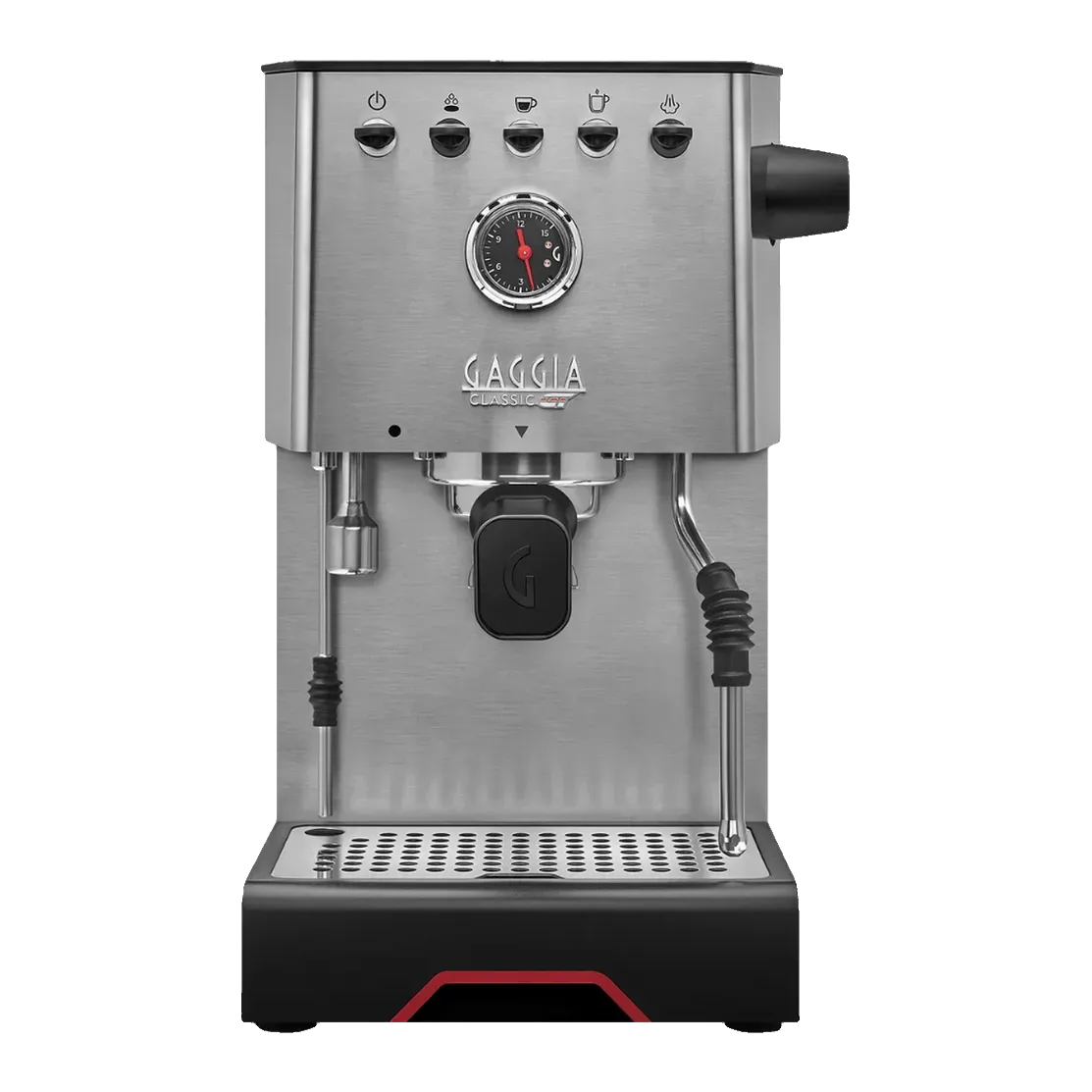
Gaggia
Classic GT
Gaggia's first-ever dual-boiler prosumer machine: Italian-made, dual PID, low-flow pre-infusion, external OPV, and a 58mm group — more factory-equipped than anything at this price and in this footprint.
US$1,699
Breville
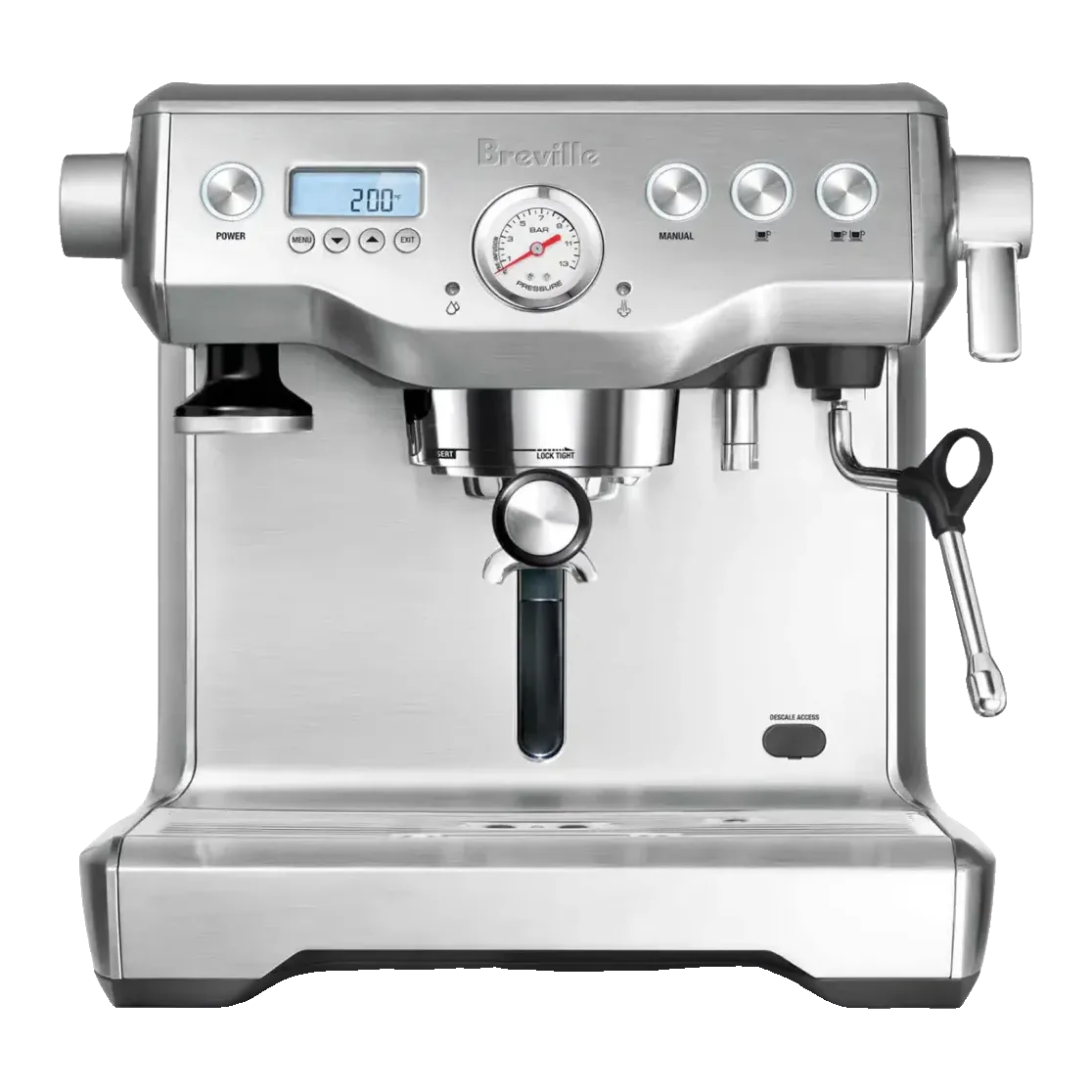
Dual Boiler (BES920)
A genuine dual-boiler semi-automatic with triple PID, 58mm commercial portafilter, and programmable pre-infusion at a price that undercuts most Italian rivals — the closest thing to a prosumer workhorse hiding in a consumer shell.
US$1,599–1,699 · CA$1,895–2,400
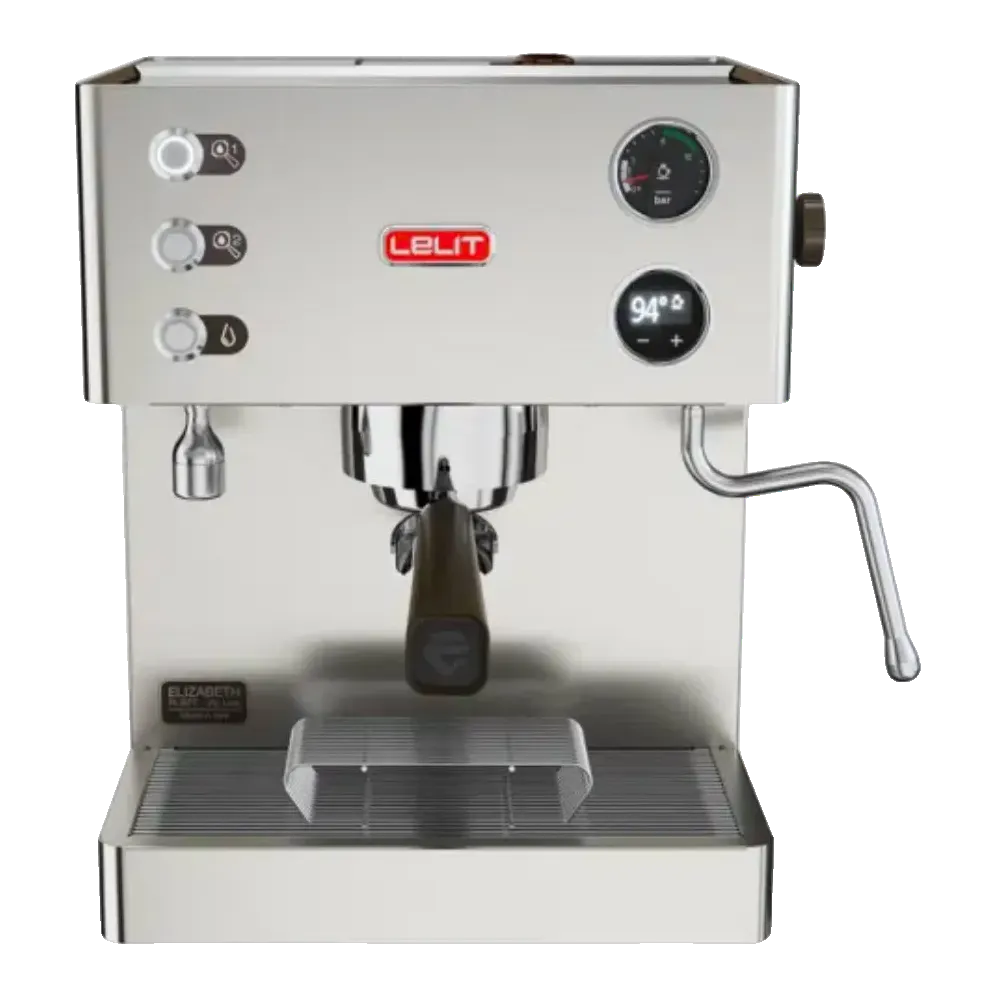
Weighing it against something we didn’t list? Compare it with anything on file →
Still weighing it? The finder narrows all 429 down to three that fit your life.
Run the two-minute finder →