Elektra · Heat exchangerMicro Casa Semiautomatica (SXC)
A hand-built Italian heat-exchanger machine with a brass boiler, iconic domed silhouette, and a brass eagle on top — one of the most distinctive objects in home espresso, now in continuous production since 1982.
The short version
The Semiautomatica is an HX machine built around Elektra's commercial heritage: vibratory-pump convenience wrapped in a sculptural brass-and-chrome body that has changed almost nothing in forty years.
Buyers must accept no PID, a pressurestat-only temperature regime, strict water-quality demands, and a boiler that scorches skin on contact — charm and substance come bundled with genuine trade-offs.
Why people buy it
- Brass HX boiler with heat-exchanger group delivers continuous, simultaneous brew and steam without cool-down waits between drinks
- Three-way solenoid valve relieves group pressure after extraction, leaving a dry puck and making the next shot easier to set up
Why they don’t
- No PID: brew temperature is controlled only by a pressurestat, requiring HX flush discipline and leaving temperature accuracy dependent on operator skill
The full tally
- Brass HX boiler with heat-exchanger group delivers continuous, simultaneous brew and steam without cool-down waits between drinks
- Three-way solenoid valve relieves group pressure after extraction, leaving a dry puck and making the next shot easier to set up
- Hand-built in Treviso, Italy from brass and copper throughout — thermal mass, repairability, and longevity well above plastic-bodied competitors
- Dry steam output from the brass boiler produces tight, fine-texture microfoam without extended purging
- No PID: brew temperature is controlled only by a pressurestat, requiring HX flush discipline and leaving temperature accuracy dependent on operator skill
- Exposed boiler has no outer casing — the dome and base get dangerously hot, a real burn risk in a busy household
- Hard water destroys this machine: warranty is voided by limescale damage, and the top-fill reservoir requires the operator to manually monitor and refill the boiler sight glass
What the community knows
Years of owner threads, distilled — a niche favourite.
Lever craft and industrial-design devotion overcome high maintenance cost and documented seal/rust failures; the community's answer is "if you love the ritual, yes—but budget for ongoing care and expect to fight parts availability."
Design pull
Ceiling per dollar
how far the cup can go, per dollar
Ecosystem
mods, guides, and community know-how around it
All 8 community measures
price-to-performance the community respects
shows up every morning, year after year
parts and repairs — you are never stranded
mods, guides, and community know-how around it
kind to first-timers
years before you outgrow or replace it
how far the cup can go, per dollar
Worth knowing before you buy — Most owners wish they'd factored £500+ annual maintenance and parts-hunting into the total-cost-of-ownership math before commit.
Known weak points — Group head seals fail prematurely; corrosion on chrome and stainless internals reported; proprietary parts hard to source outside specialty retailers; slow warranty response documented.
“It is also one of the most beautiful heat exchanger espresso machines currently available for the home marketplace.”
“On any other machine I would have regarded its drawbacks as very annoying, but for the Elektra Micro Casa Semiautomatica, I don't.”
The measurements
Scored 0–5 on the same rubric as everything on file — the words matter more than the numbers.
The measurements
0–5, one rubric- Shot ceiling
- serious3.5
- Steam power
- confident4
- Built to last
- heirloom4.5
- Easy daily
- demanding2
Position in the market
Every dot is a rival, measured the same way. The gold one is this.
- Mid-pack for shot ceiling
- a higher ceiling than 109 of the 237 machines we’ve measured
- You pay for this one
- 25% of machines this capable cost more
- Top quarter for build
- sturdier than 78% of the field, by the community’s own record
Every dot is a machine measured on the same rubric. See the whole market
Living with it
The part spec sheets skip: counter space, upkeep, and what owners learn later.
The honest note — Owners who want more repeatable temperature control typically move to a PID-equipped HX (e.g. ECM Synchronika, Bezzera Aria) or a dual-boiler. Those drawn deeper into manual craft often pivot to the Elektra Microcasa a Leva (spring lever). The Semiautomatica is rarely outgrown for steam power or shot capacity — it is outgrown for workflow precision.
The full spec sheet
- Type
- Heat exchanger (HX)
- Heat-up time
- ~15 min
- Steam power
- 4/5
- Brew + steam at once
- Yes
- Guest recovery
- 3/5
- Shot quality ceiling
- 3.5/5
- PID temperature control
- No
- Milk system
- Manual steam wand
- Removable brew group
- No
- Hot-water tap
- Yes
- Workflow demand
- 3/5
- Maintenance
- 3/5
- Noise
- 3/5
- Build longevity
- 4.5/5
- Dimensions
- 26 × 26 × 58 cm
Before it arrives
What completes this machine — the faded pieces can wait.
Descaler & backflush kit — Electric boilers scale up and grouts gunk up — a descaler plus backflush routine is what keeps the machine alive for a decade.
- Descaler & backflush kit — Electric boilers scale up and grouts gunk up — a descaler plus backflush routine is what keeps the machine alive for a decade.
- Knock box — Somewhere to bang the spent puck that is not your kitchen bin.
- WDT distribution tool — Breaks up clumps before tamping — a cheap fix for channeling on any portafilter machine.
- Espresso cups & glassware — Proper demitasse and latte glasses keep the drink hot and look the part.
Feed it right
Week one is dial-in — and stale beans will lose it.
Coffee more than a few weeks past roast won’t extract predictably, and a new machine gets blamed for it. A machine in this class will show you the difference between roast dates — it deserves beans that change week to week.
Pick your coffee — any of these dials in beautifully here:
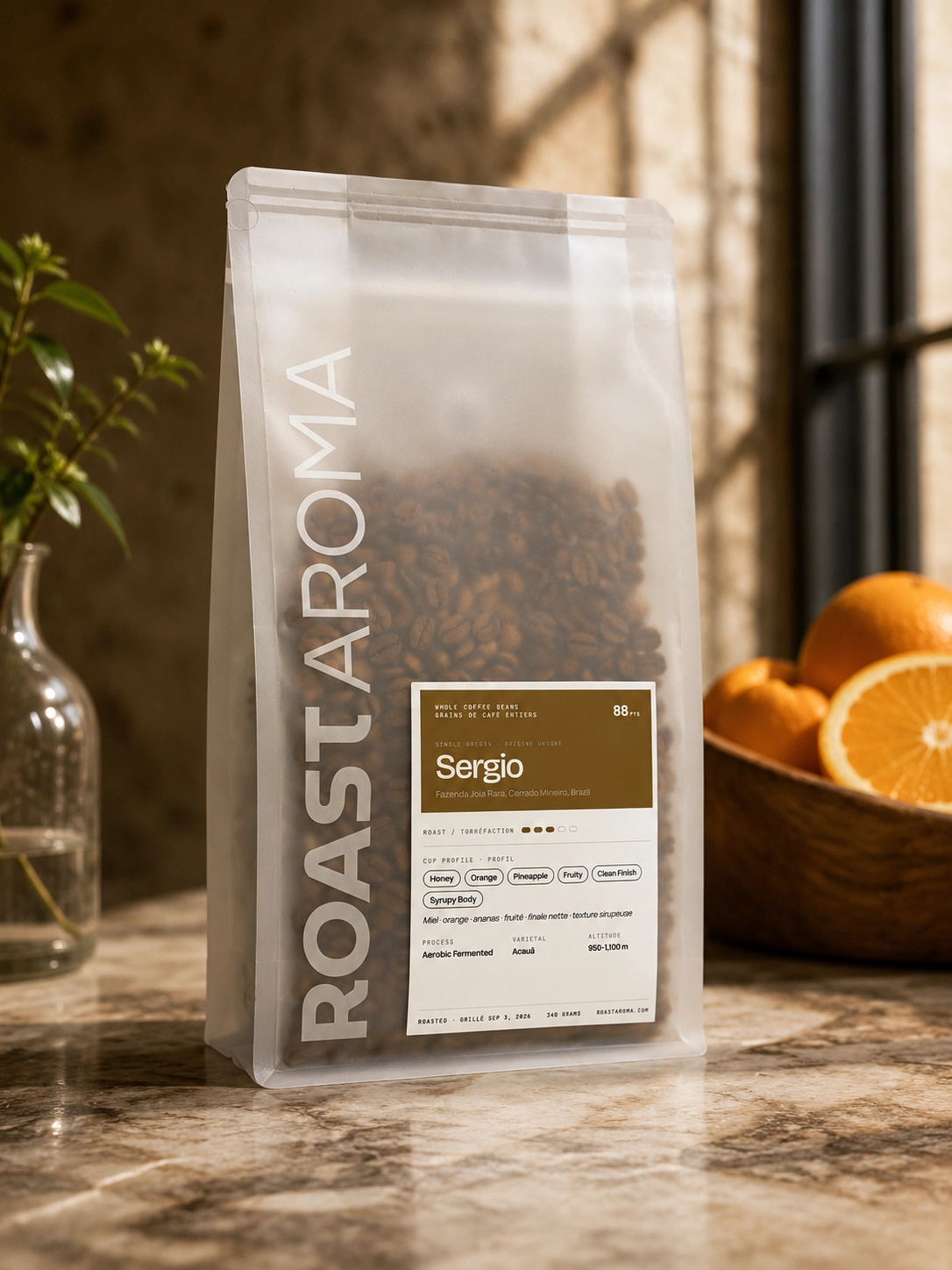 Sergio - Brazillian Fazenda Joia Rara Aerobic FermentedSCA 88Medium-light · Cerrado Mineiro · Aerobic FermentedHoney · OrangeEnough brightness to show what this gear can separate.CA$29.18 · roasted to order
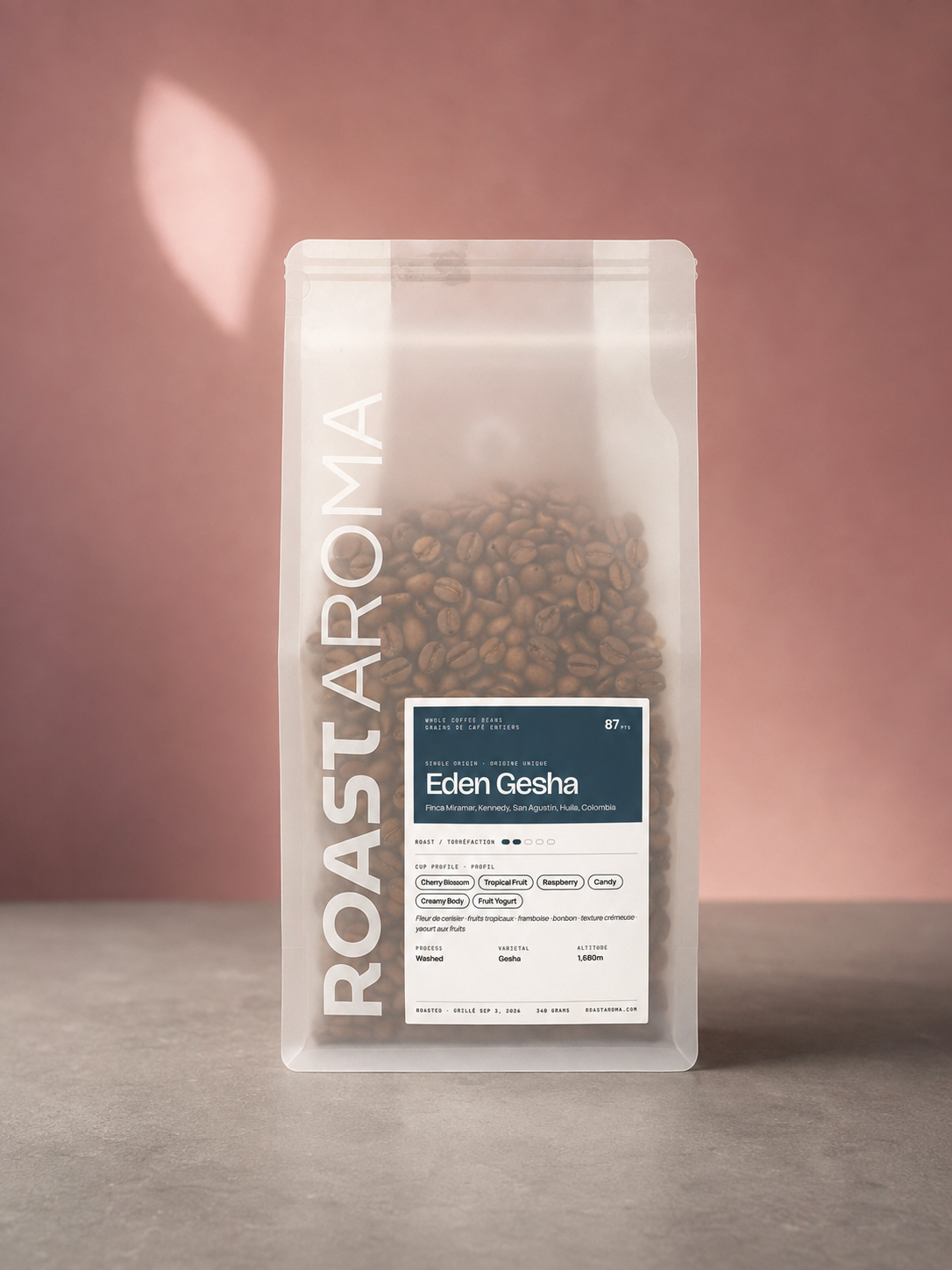 Eden Gesha - Colombian MiramarSCA 87Medium-light · Kennedy, San Agustin, Huila · WashedCherry blossom · Tropical fruitEnough brightness to show what this gear can separate.CA$26.24 · roasted to order
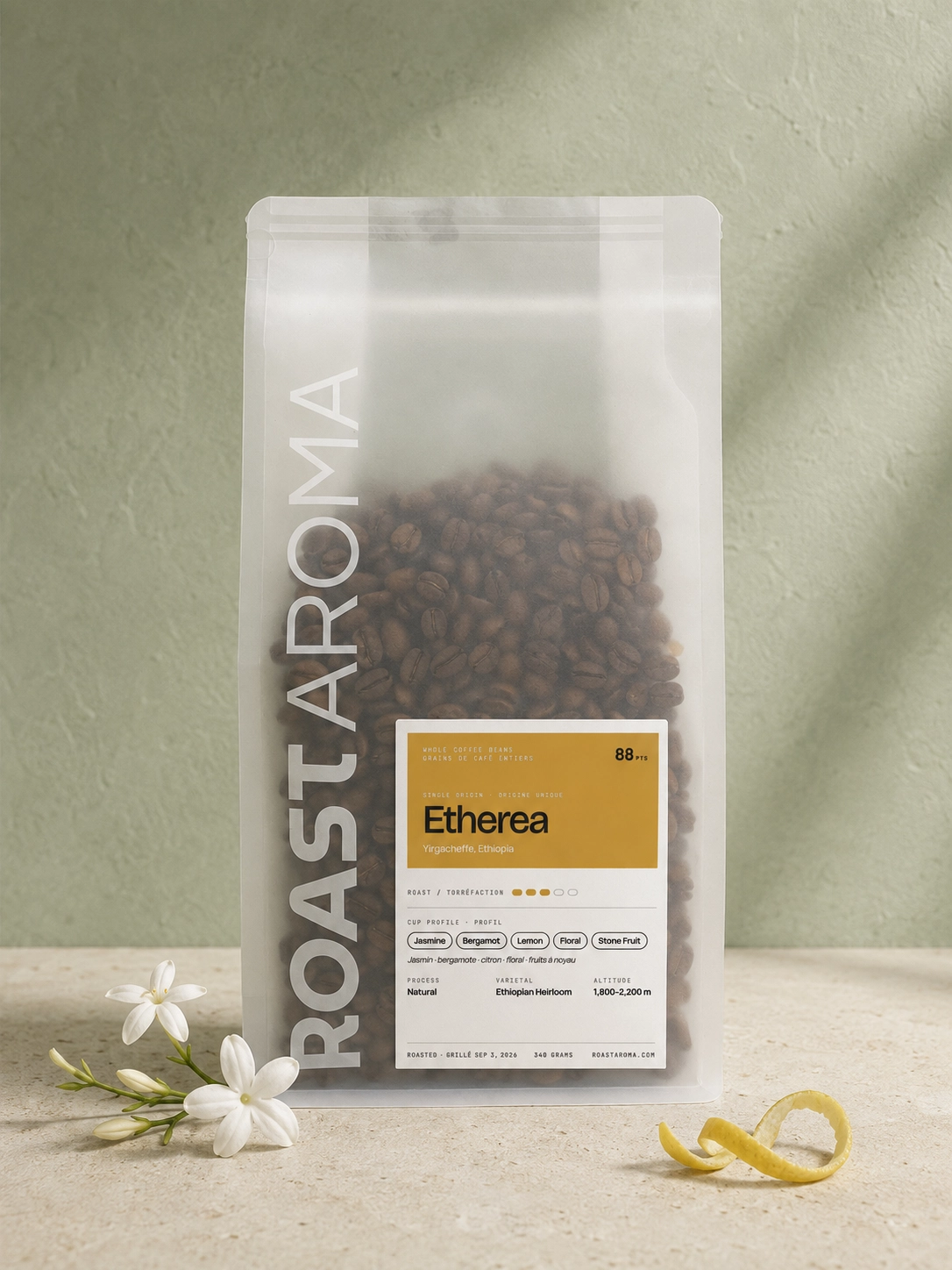 Etherea - Ethiopian YirgacheffeSCA 88Medium roast · NaturalJasmine · BergamotEnough brightness to show what this gear can separate.CA$24.16 · roasted to order
A capable grinder matters as much as the machine. Start with whole beans and a printed roast date.
Prefer regular deliveries? RoastPlan is RoastAroma’s coffee subscription. Choose your coffees and their available options, then set deliveries every 1–6 weeks.
One-time RoastAroma orders are roasted to order in Ajax, Ontario and ship Canada-wide. We’re the roastery behind this database — measuring the machines is how we make sure the coffee gets a fair shot.
On film
How it runs on camera, from around the community.
Common questions
Does the Micro Casa Semiautomatica have a PID?
No. Temperature is regulated by a pressurestat and safety thermostat only. Consistent brew temperature requires flushing the group (HX flush) before pulling a shot — a standard discipline on all HX machines but especially important here given the exposed, high-mass boiler.
What portafilter size does it use?
The machine uses a 58 mm portafilter with a commercial-style brass group. Most sources confirm 58 mm, though one retailer lists 49–50 mm for an older variant — verify with the seller before purchasing aftermarket baskets.
Can I plumb it in or connect it to a water line?
No. The Semiautomatica uses a top-fill open reservoir (~2 L). Water is manually transferred to the boiler using the dedicated boiler-refill switch. There is no plumb-in option.
Is this machine suitable for daily high-volume use?
The HX design with continuous delivery means the machine does not need to be shut down between shots, and steam is always available. However, the boiler must be manually refilled and the water quality managed carefully. For 4–6 drinks per session it performs well; for true high-volume entertaining a dual-boiler with autofill is more practical.
What water should I use?
Elektra explicitly requires softened water. Hard water causes limescale damage that voids the warranty. Distilled or reverse-osmosis water is acceptable in most cases, but very pure water can also cause issues with boiler coatings — a lightly mineralised soft water is the safest choice.
Worth comparing
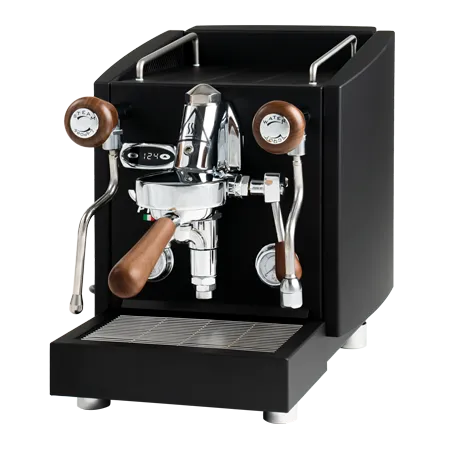
Izzo
Vivi PID
A compact, hand-assembled Italian HX machine built around an E61 group, 1.8L insulated copper boiler, and PID shot-timer display — more machine than its footprint suggests.
US$1,600–2,000
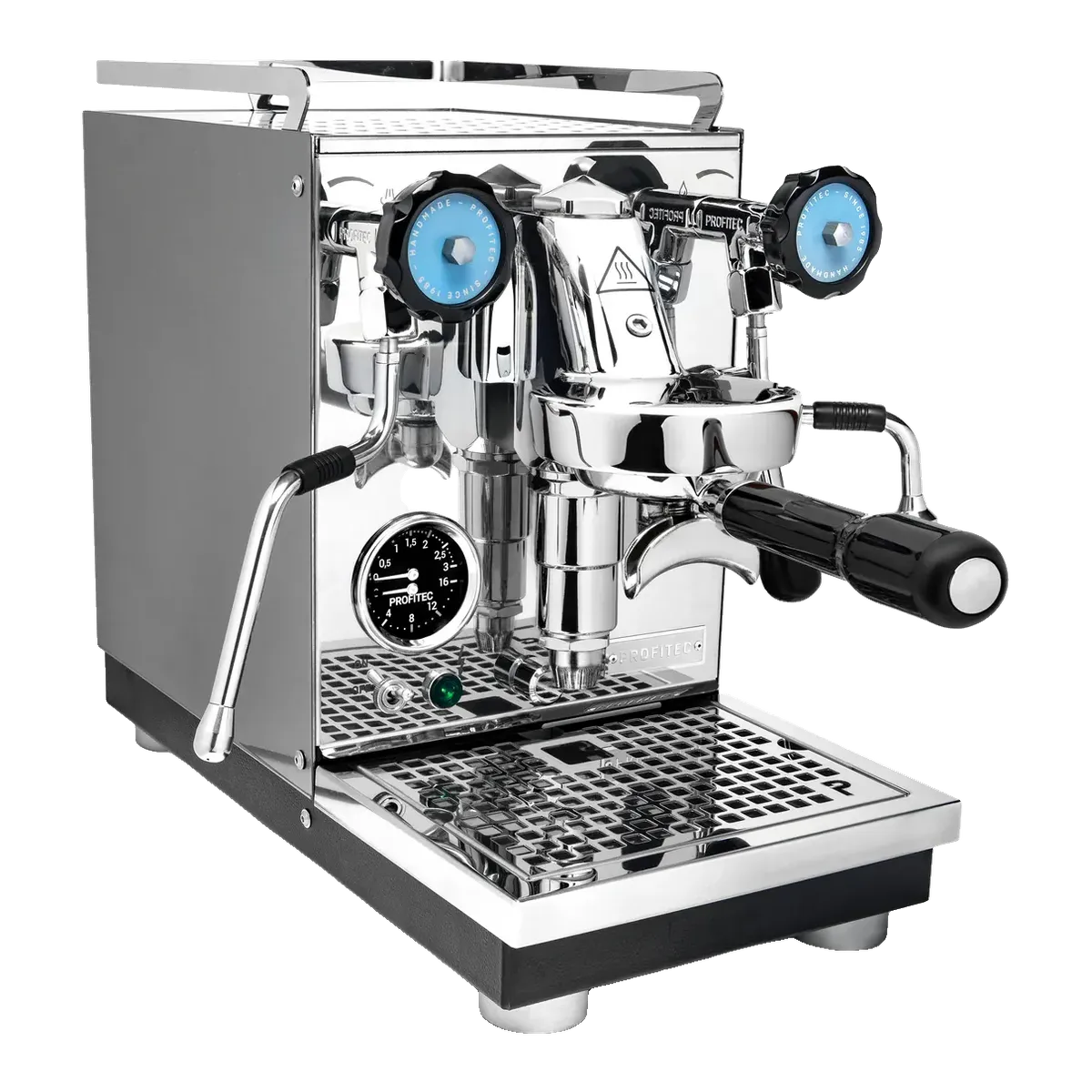
Profitec
Pro 400
The most compact machine in Profitec's lineup packs a full E61 group, 1.6-liter stainless HX boiler, three preset boiler temperatures, and switchable pre-infusion into a 9-inch-wide chassis — genuine prosumer hardware at a price well below dual-boiler territory.
US$1,599–1,699 · CA$2,210–2,700
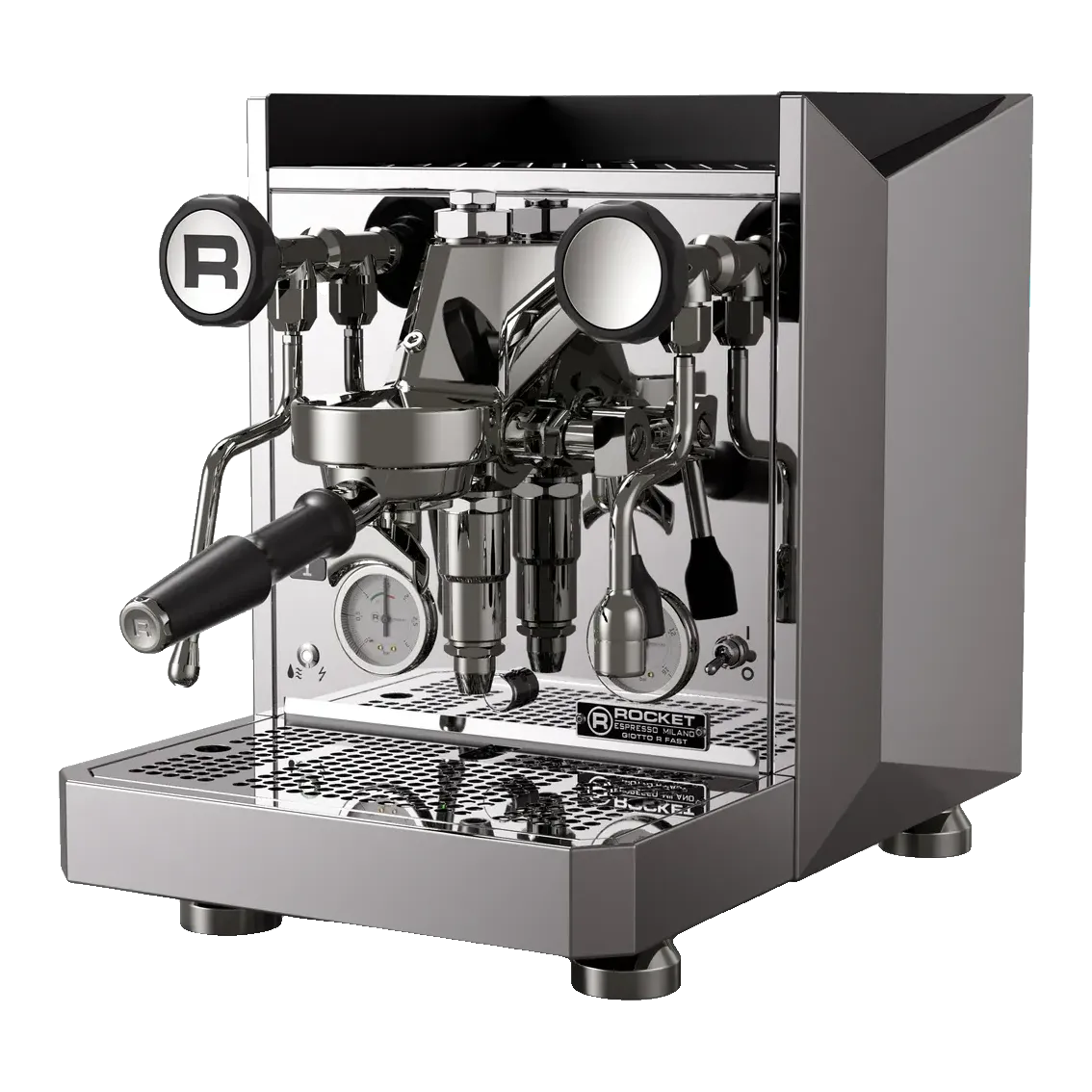
Rocket Espresso
Giotto FAST (2025)
Rocket's 2025 redesign of its iconic Giotto, now with an actively heated E61 group that cuts warm-up to around 12 minutes — without abandoning the insulated 1.8L copper HX boiler and rotary or vibratory pump options that made the line.
US$2,400–3,100 · CA$4,595–4,995
Weighing it against something we didn’t list? Compare it with anything on file →
Still weighing it? The finder narrows all 429 down to three that fit your life.
Run the two-minute finder →