ROK · Espresso machineEspressoGC
A pumpless, piston-lever manual espresso maker built from cast aluminium, stainless steel, and a re-engineered glass-composite pressure chamber that cuts the effort of earlier ROK models — no electricity, no descaling, no pump to replace.
The short version
The EspressoGC is a legitimate manual lever machine that forces you to learn puck prep, water temperature management, and consistent arm pressure before it rewards you with a clean shot.
Accept that every pull is a small ritual, and that temperature instability is an inherent constraint of any pumpless, heaterless design.
Why people buy it
- Purely mechanical — no electricity, no pump, no heating element to fail or descale; rinse and go after each pull
- 10-year warranty on all metal parts, backed by a retrofit-kit philosophy that makes the machine genuinely long-lived
Why they don’t
- Temperature control is entirely manual: a disciplined preheat routine is non-negotiable, and heat still drops during the pull in a way no electric machine suffers
The full tally
- Purely mechanical — no electricity, no pump, no heating element to fail or descale; rinse and go after each pull
- 10-year warranty on all metal parts, backed by a retrofit-kit philosophy that makes the machine genuinely long-lived
- Glass-composite (GC) chamber and piston reduces required arm force and improves heat retention versus older ROK/Presso designs
- Exceptionally compact and portable — fits under kitchen cabinets and travels in a bag without an outlet
- Temperature control is entirely manual: a disciplined preheat routine is non-negotiable, and heat still drops during the pull in a way no electric machine suffers
- Included scoop/tamper is near-useless; a proper 49.7–50 mm flat tamper is a day-one purchase
- 50 mm basket is narrower than the industry-standard 58 mm, limiting compatibility with aftermarket baskets and distribution tools
What the community knows
Years of owner threads, distilled — well regarded.
The ROK EspressoGC is valued as a durable manual lever machine that delivers real espresso sub-$300 and proves commitment to the hobby — the GC upgrade sealed its reputation for longevity, but the community reads it as a diagnostic tool and learning platform, not a shot-quality…
Built to last
years before you outgrow or replace it
Value
price-to-performance the community respects
Reliability
shows up every morning, year after year
All 9 community measures
price-to-performance the community respects
shows up every morning, year after year
parts and repairs — you are never stranded
mods, guides, and community know-how around it
kind to first-timers
years before you outgrow or replace it
how far the cup can go, per dollar
speed and simplicity, day to day
“I've owned this for over 8 years. Originally it had the clear plastic reservoir, then the GC kit came out so I upgraded to it.”
“I got a Rok EspressoGC as a starter machine to diagnose whether I was serious about making espresso at home.”
The measurements
Scored 0–5 on the same rubric as everything on file — the words matter more than the numbers.
Position in the market
Every dot is a rival, measured the same way. The gold one is this.
Living with it
The part spec sheets skip: counter space, upkeep, and what owners learn later.
The honest note — Most owners who stay with espresso eventually move to a machine with a thermoblock or boiler for temperature stability — Flair 58 or Cafelat Robot are natural lateral moves; an entry semi-auto like the Gaggia Classic is the common next step for those wanting consistent milk drinks. The ROK often becomes a travel or backup machine rather than being sold.
The full spec sheet
- Brew + steam at once
- No
- PID temperature control
- No
- Removable brew group
- No
Before it arrives
What completes this machine — the faded pieces can wait.
Gooseneck kettle · not optional — Manual and lever machines bring no water of their own — a temperature-stable gooseneck is how you actually pull a shot.
- Gooseneck kettle — Manual and lever machines bring no water of their own — a temperature-stable gooseneck is how you actually pull a shot.
- Coffee scale with timer — Espresso is a ratio. A 0.1g scale with a built-in timer is the single biggest consistency upgrade for any manual machine.
- Standalone milk steamer — No steam wand on board — a standalone steamer (Bellman, Subminimal NanoFoamer) is how you get a real flat white.
- Knock box — Somewhere to bang the spent puck that is not your kitchen bin.
- Calibrated tamper — The bundled tamper is usually an afterthought; a fitted, calibrated one makes prep repeatable.
- WDT distribution tool — Breaks up clumps before tamping — a cheap fix for channeling on any portafilter machine.
- Handheld milk frother — The cheapest path to foam for a no-steam machine — fine for casual milk drinks, not latte art.
- Espresso cups & glassware — Proper demitasse and latte glasses keep the drink hot and look the part.
Feed it right
Week one is dial-in — and stale beans will lose it.
Coffee more than a few weeks past roast won’t extract predictably, and a new machine gets blamed for it. While you learn it, a forgiving medium-light roast keeps dial-in kind — bright enough to taste progress, sweet enough to drink the misses.
Pick your coffee — any of these dials in beautifully here:
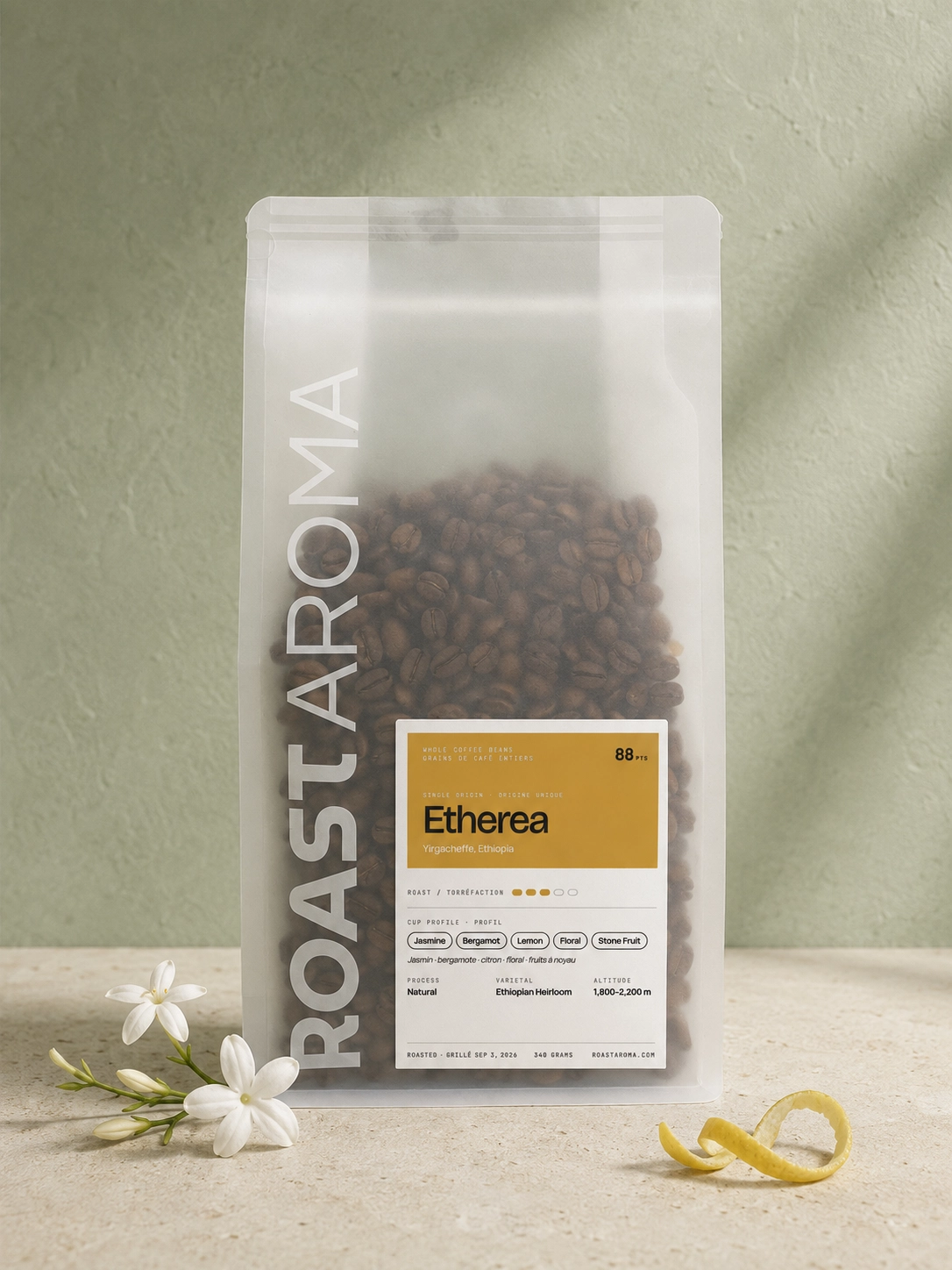 Etherea - Ethiopian YirgacheffeSCA 88Medium roast · NaturalJasmine · BergamotSteady and repeatable — right for this setup’s lane.CA$24.16 · roasted to order
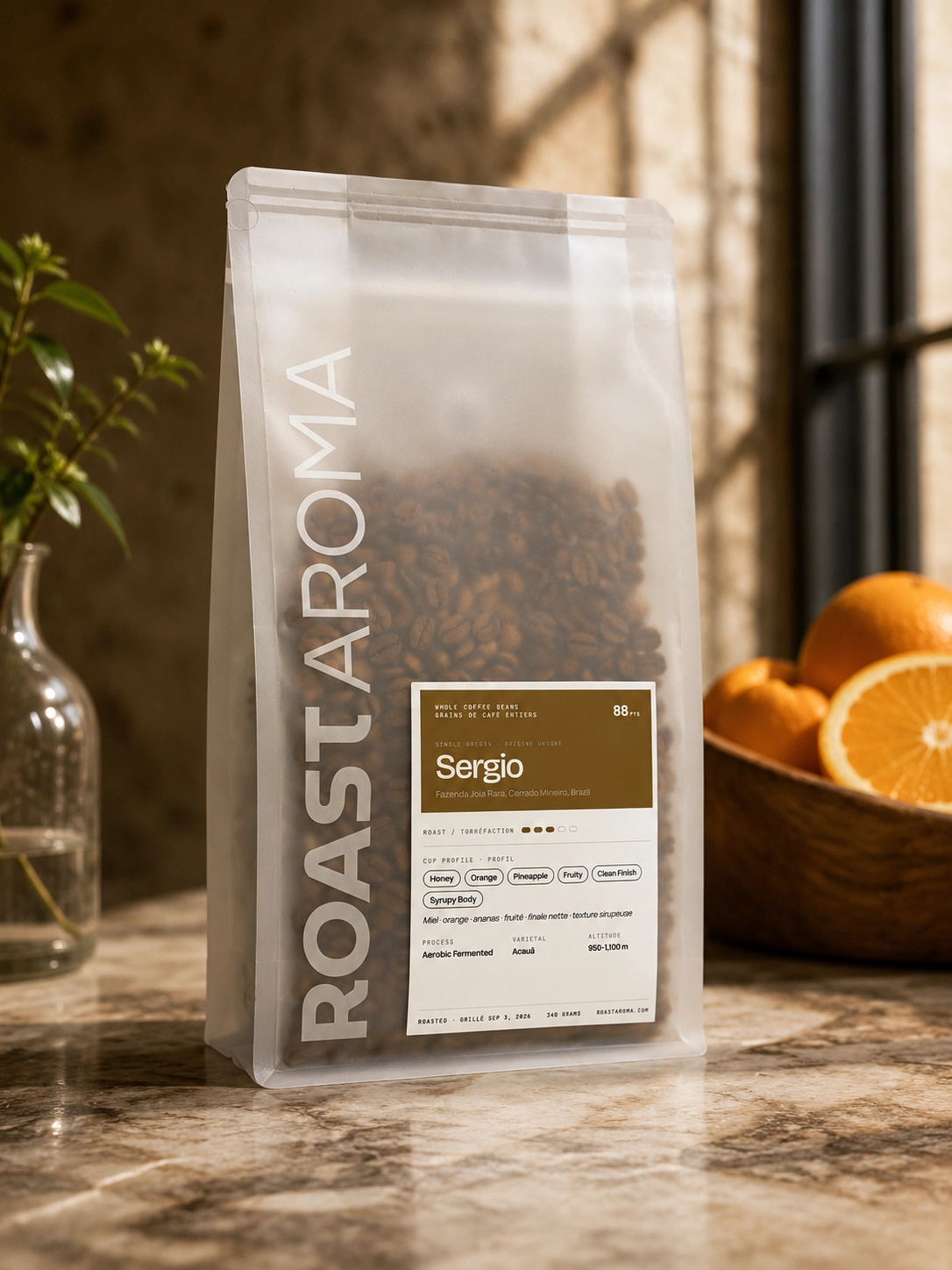 Sergio - Brazillian Fazenda Joia Rara Aerobic FermentedSCA 88Medium-light · Cerrado Mineiro · Aerobic FermentedHoney · OrangeSteady and repeatable — right for this setup’s lane.CA$29.18 · roasted to order
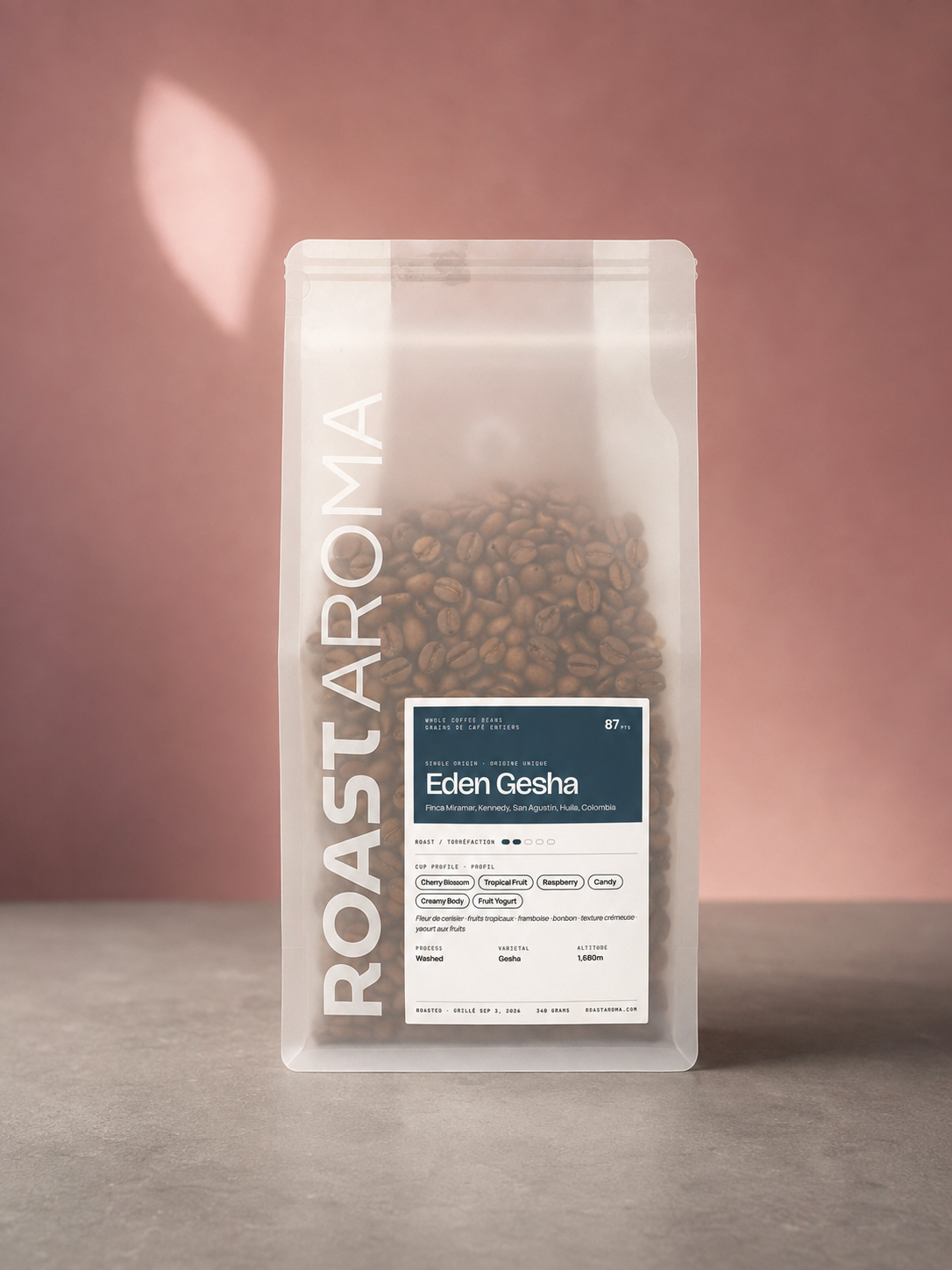 Eden Gesha - Colombian MiramarSCA 87Medium-light · Kennedy, San Agustin, Huila · WashedCherry blossom · Tropical fruitSteady and repeatable — right for this setup’s lane.CA$26.24 · roasted to order
A capable grinder matters as much as the machine. Start with whole beans and a printed roast date.
Prefer regular deliveries? RoastPlan is RoastAroma’s coffee subscription. Choose your coffees and their available options, then set deliveries every 1–6 weeks.
One-time RoastAroma orders are roasted to order in Ajax, Ontario and ship Canada-wide. We’re the roastery behind this database — measuring the machines is how we make sure the coffee gets a fair shot.
On film
How it runs on camera, from around the community.
Common questions
Does the ROK EspressoGC need electricity?
No. It has no pump, no heating element, and no electronics. You supply hot water from a kettle and extraction pressure manually by pressing the twin lever arms. It works anywhere you can boil water.
What does 'GC' stand for, and why does it matter?
GC stands for glass composite — a food-safe, BPA-free polymer used for the pressure chamber and piston. The GC redesign reduces friction and improves heat retention compared with the original clear-plastic cylinder, making it easier to hit target pressure and maintain temperature during the pull.
What portafilter size does the ROK use?
The ROK uses a proprietary 50 mm basket. This is narrower than the industry-standard 58 mm, so third-party baskets and tampers must be sized accordingly (49.7–50 mm flat tamper recommended).
Can I steam milk with the ROK EspressoGC?
Not directly — the machine has no steam wand or thermoblock. Some bundles include a manual hand-pump milk frother as an accessory, but milk steaming in the traditional sense is not possible.
What grinder does this machine need?
A capable espresso grinder is non-negotiable. The standard basket is sensitive to grind quality and distribution. At minimum, an entry-level dedicated espresso grinder is needed; a quality stepless hand grinder (e.g. 1Zpresso JX-Pro) or the ROK Grinder GC works for low-volume use.
Worth comparing
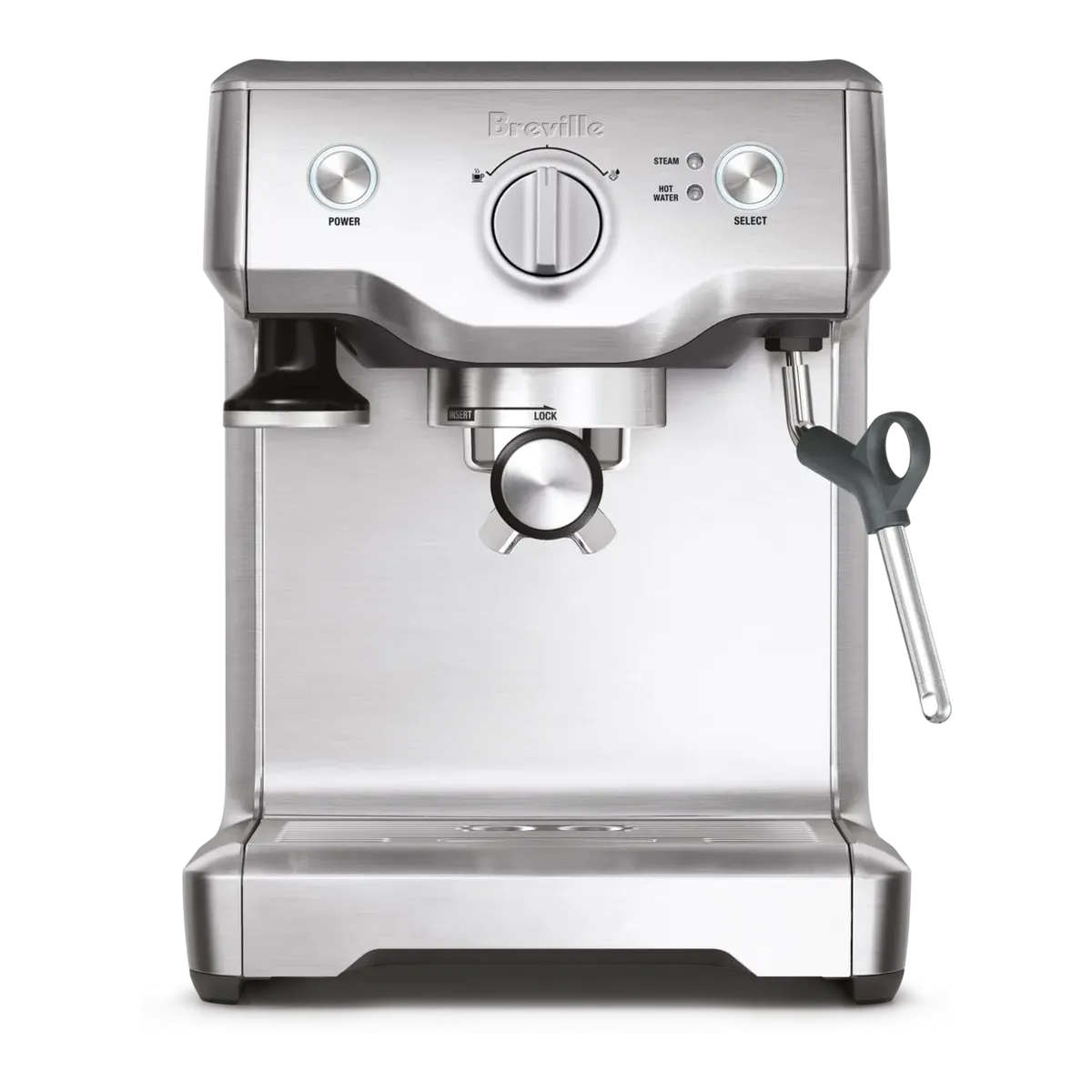
Breville
Duo Temp Pro (BES810BSS)
Breville's entry-level manual machine that punches above its price with PID temperature control, low-pressure pre-infusion, and a proper manual steam wand — all without a built-in grinder or a solenoid valve.
US$399–499
Breville
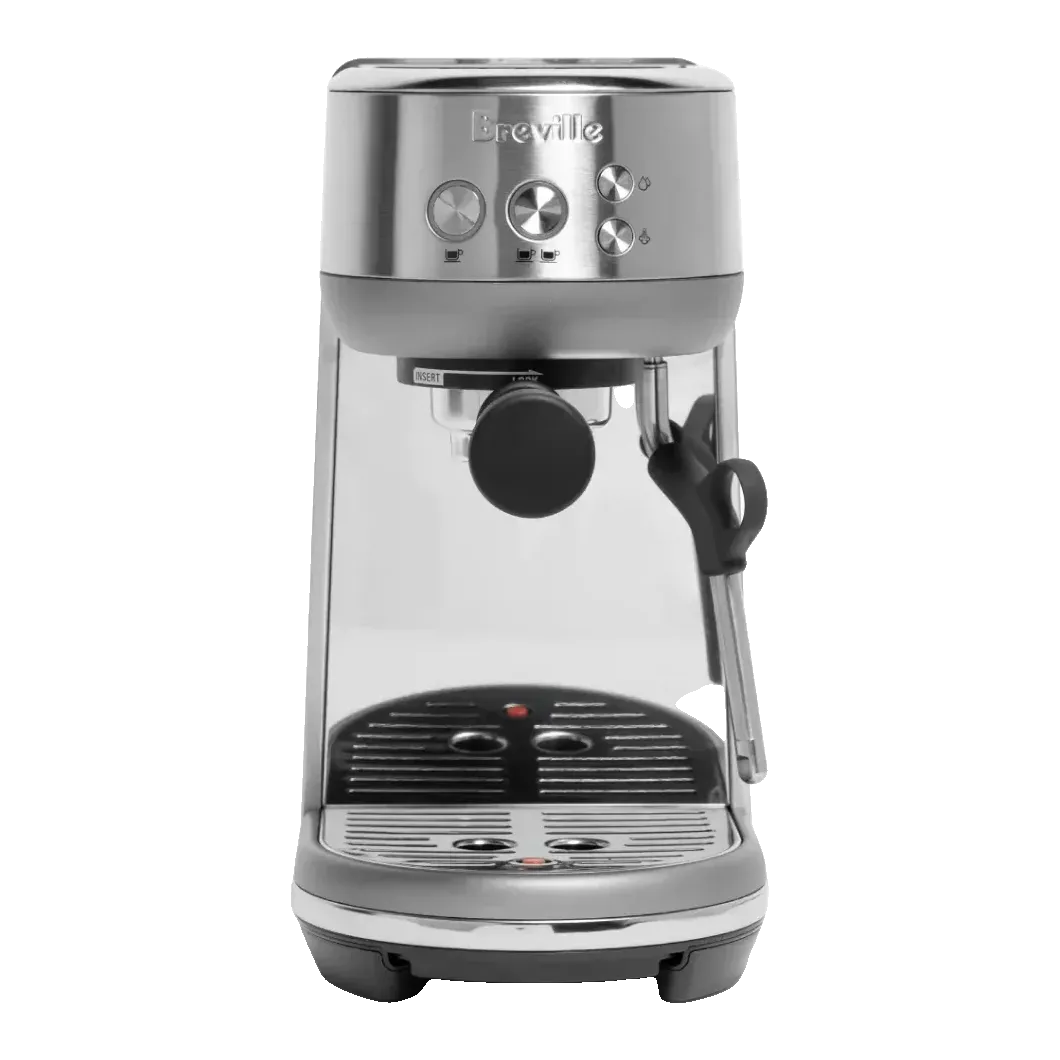
Bambino (BES450)
Breville's smallest and most affordable espresso machine: a 3-second ThermoJet heat-up, genuine 9-bar extraction with pre-infusion, PID temperature control, and a manual steam wand — all in a footprint smaller than most toasters.
US$299–300 · CA$345–360
Weighing it against something we didn’t list? Compare it with anything on file →
Still weighing it? The finder narrows all 429 down to three that fit your life.
Run the two-minute finder →