La Pavoni · ManualEuropiccola (EPC-8 / Millennium)
The original home direct-lever machine, in continuous production since 1961, built around a 0.8 L brass boiler and a piston group your arm pressurizes. Rewarding ritual and a genuine shot-quality ceiling for those willing to master temperature management and technique.
The short version
A living museum piece that produces genuinely excellent espresso once you accept the 10-15 minute heat-soak routine and the complete absence of pressure feedback.
Buy it for the craft and the longevity, not for morning convenience.
Why people buy it
- All-metal brass boiler and chrome-plated steel construction with a documented parts ecosystem that keeps machines alive for decades
- True manual pressure profiling — the lever gives you direct, tactile control over pre-infusion and extraction pressure that most pump machines cannot replicate
Why they don’t
- No pressure gauge on the base model: you are flying blind on boiler pressure and must rely on sound, feel, and a thermostat light — the Professional adds a manometer for good reason
The full tally
- All-metal brass boiler and chrome-plated steel construction with a documented parts ecosystem that keeps machines alive for decades
- True manual pressure profiling — the lever gives you direct, tactile control over pre-infusion and extraction pressure that most pump machines cannot replicate
- Tiny footprint (200 x 320 mm) and ~5.5 kg put a full espresso machine on any counter without dominating it
- ESE pod compatible double basket for occasional convenience without compromising the core workflow
- No pressure gauge on the base model: you are flying blind on boiler pressure and must rely on sound, feel, and a thermostat light — the Professional adds a manometer for good reason
- Single boiler means you brew first, then steam milk; back-to-back milk drinks for a group are genuinely slow and require patience between shots
- The exposed, uninsulated boiler runs extremely hot to the touch — a genuine burn hazard in a shared kitchen, and the learning curve for consistent shots is steep and unforgiving
What the community knows
Years of owner threads, distilled — the default recommendation in its bracket.
The community default for manual lever espresso: 60+ year longevity track record, spare parts availability unmatched in the segment, thriving mod/restoration ecosystem (James Hoffmann repeatedly public endorsement), and proven shot ceiling offset by steep manual-technique…
Reliability
shows up every morning, year after year
Parts & serviceability
parts and repairs — you are never stranded
Ecosystem
mods, guides, and community know-how around it
All 9 community measures
price-to-performance the community respects
shows up every morning, year after year
parts and repairs — you are never stranded
mods, guides, and community know-how around it
kind to first-timers
years before you outgrow or replace it
how far the cup can go, per dollar
speed and simplicity, day to day
Worth knowing before you buy — Most owners acknowledge: you are buying the learning experience and the machine; grinder budget matters more than the lever itself.
Known weak points — Group head gasket wear with age (documented across owner forums, easy to replace), occasional piston wear on heavily used machines (noted in restoration guides, rebuilds available from La Pavoni service network).
“I spent 6 months basic espresso 'apprenticeship' on a Gaggia Cubika before taking the plunge with a Europiccola. It didn't take long for me to get to grips with pulling shots either although it took me 2 months to learn to froth.”
The measurements
Scored 0–5 on the same rubric as everything on file — the words matter more than the numbers.
The measurements
0–5, one rubric- Shot ceiling
- serious4
- Steam power
- token2
- Built to last
- heirloom5
- Easy daily
- demanding0
Position in the market
Every dot is a rival, measured the same way. The gold one is this.
- Upper half for shot ceiling
- a higher ceiling than 149 of the 237 machines we’ve measured
- A value pick at this level
- 91% of machines this capable cost more
- Top quarter for build
- sturdier than 88% of the field, by the community’s own record
Every dot is a machine measured on the same rubric. See the whole market
Living with it
The part spec sheets skip: counter space, upkeep, and what owners learn later.
The honest note — Most owners do not outgrow the Europiccola for espresso quality — they outgrow the single-boiler limitation for milk drinks or the lack of a gauge, and step sideways to the La Pavoni Professional (larger boiler, manometer) rather than a pump machine. True tinkerers add aftermarket pressure gauges or modify the group. Those wanting simultaneous brew and steam typically leave the lever platform entirely for an HX or dual-boiler.
The full spec sheet
- Type
- Manual
- Heat-up time
- ~10 min
- Steam power
- 2/5
- Brew + steam at once
- No
- Guest recovery
- 1/5
- Shot quality ceiling
- 4/5
- PID temperature control
- No
- Milk system
- Manual steam wand
- Removable brew group
- No
- Flow control
- Yes
- Workflow demand
- 5/5
- Maintenance
- 3/5
- Noise
- 1/5
- Build longevity
- 5/5
- Dimensions
- 20 × 32 × 29 cm
Before it arrives
What completes this machine — the faded pieces can wait.
Gooseneck kettle · not optional — Manual and lever machines bring no water of their own — a temperature-stable gooseneck is how you actually pull a shot.
- Gooseneck kettle — Manual and lever machines bring no water of their own — a temperature-stable gooseneck is how you actually pull a shot.
- Coffee scale with timer — Espresso is a ratio. A 0.1g scale with a built-in timer is the single biggest consistency upgrade for any manual machine.
- Standalone milk steamer — No steam wand on board — a standalone steamer (Bellman, Subminimal NanoFoamer) is how you get a real flat white.
- Knock box — Somewhere to bang the spent puck that is not your kitchen bin.
- Calibrated tamper — The bundled tamper is usually an afterthought; a fitted, calibrated one makes prep repeatable.
- WDT distribution tool — Breaks up clumps before tamping — a cheap fix for channeling on any portafilter machine.
- Handheld milk frother — The cheapest path to foam for a no-steam machine — fine for casual milk drinks, not latte art.
- Espresso cups & glassware — Proper demitasse and latte glasses keep the drink hot and look the part.
Feed it right
Week one is dial-in — and stale beans will lose it.
Coffee more than a few weeks past roast won’t extract predictably, and a new machine gets blamed for it. A machine in this class will show you the difference between roast dates — it deserves beans that change week to week.
Pick your coffee — any of these dials in beautifully here:
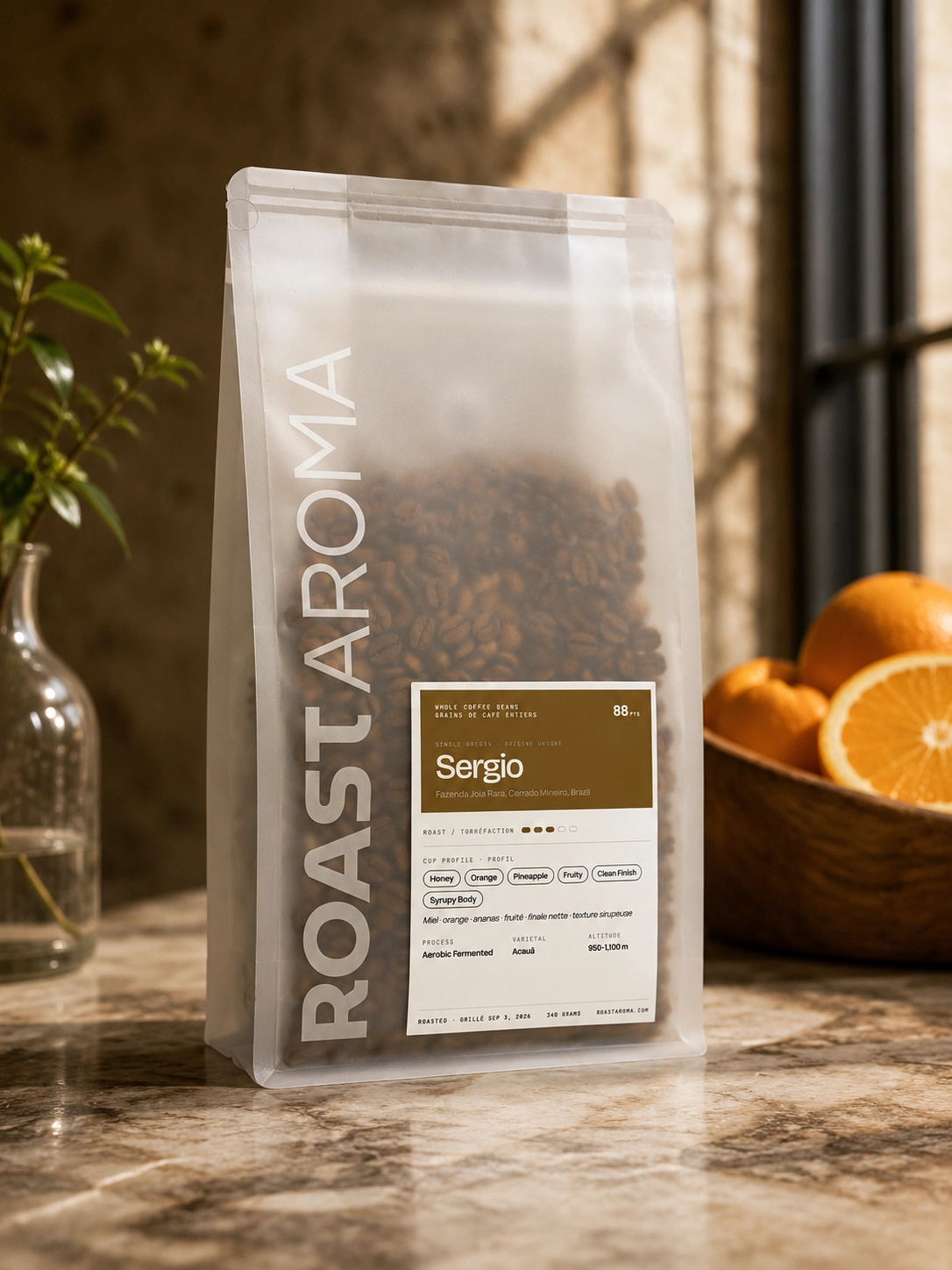 Sergio - Brazillian Fazenda Joia Rara Aerobic FermentedSCA 88Medium-light · Cerrado Mineiro · Aerobic FermentedHoney · OrangeEnough brightness to show what this gear can separate.CA$29.18 · roasted to order
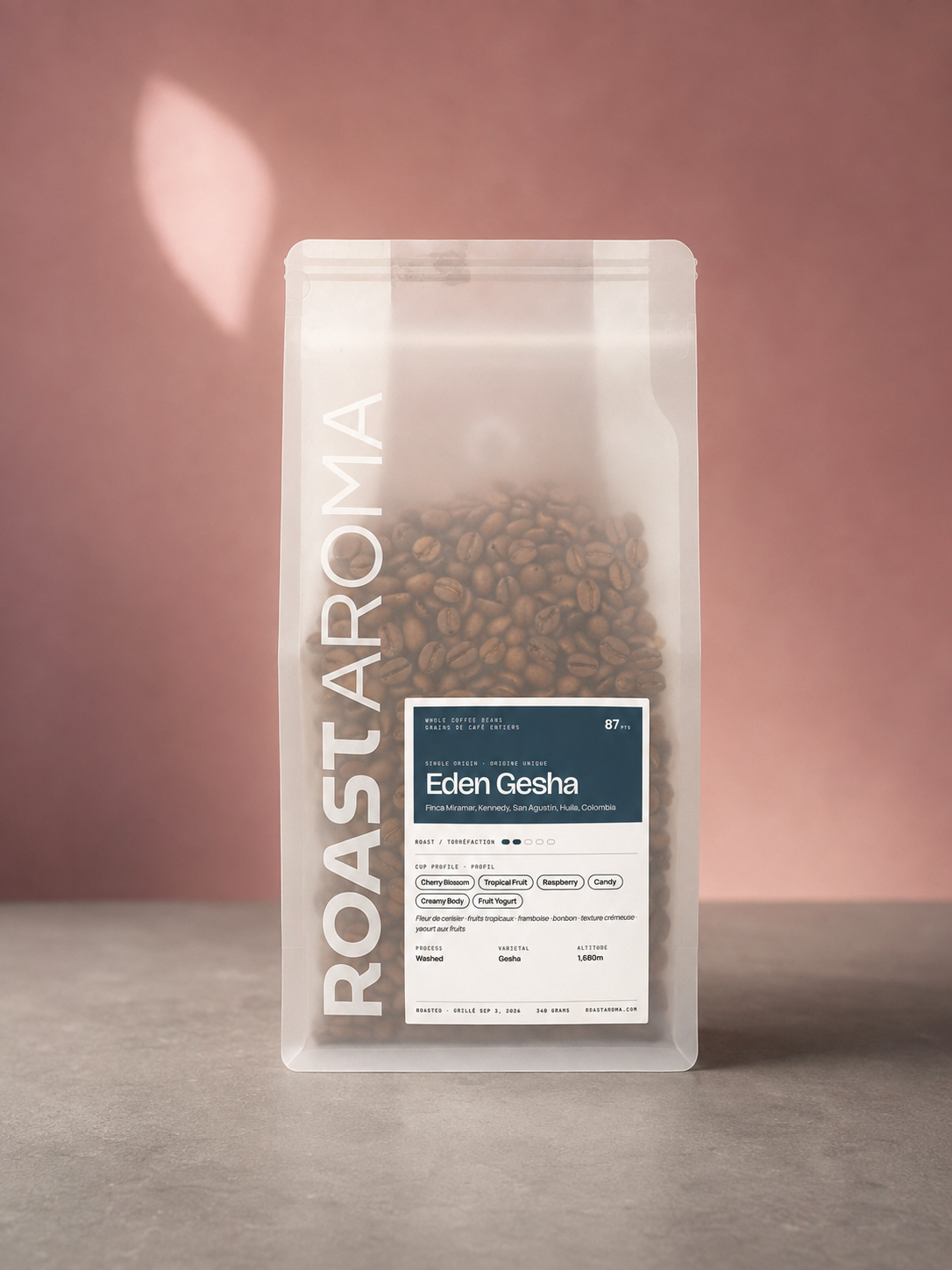 Eden Gesha - Colombian MiramarSCA 87Medium-light · Kennedy, San Agustin, Huila · WashedCherry blossom · Tropical fruitEnough brightness to show what this gear can separate.CA$26.24 · roasted to order
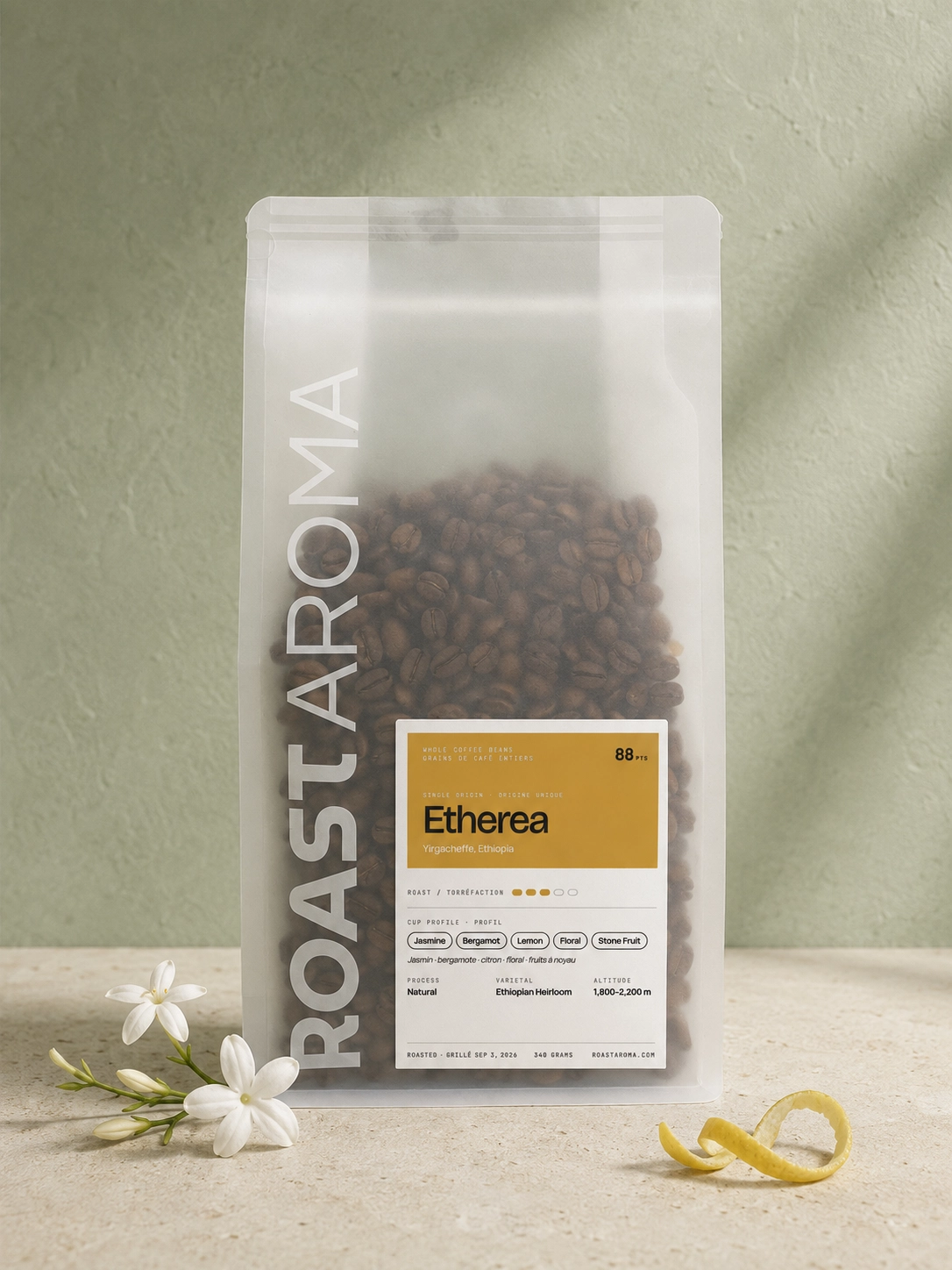 Etherea - Ethiopian YirgacheffeSCA 88Medium roast · NaturalJasmine · BergamotEnough brightness to show what this gear can separate.CA$24.16 · roasted to order
A capable grinder matters as much as the machine. Start with whole beans and a printed roast date.
Prefer regular deliveries? RoastPlan is RoastAroma’s coffee subscription. Choose your coffees and their available options, then set deliveries every 1–6 weeks.
One-time RoastAroma orders are roasted to order in Ajax, Ontario and ship Canada-wide. We’re the roastery behind this database — measuring the machines is how we make sure the coffee gets a fair shot.
On film
How it runs on camera, from around the community.
Common questions
Which portafilter size does the Europiccola use?
Post-2001 'Millennium' models use a 51 mm portafilter; machines made before 2001 use 49 mm. Parts and tampers are not interchangeable between eras. Confirm which generation you have before buying accessories.
How long does it really take to be ready to pull a shot?
The pressurestat light cycles in roughly 5-6 minutes, but experienced users recommend a full 10-15 minute heat soak — boiler up to pressure, then allowing the group and portafilter to reach thermal equilibrium — for consistent extraction temperatures.
Does the Europiccola have a pressure gauge?
The base Europiccola does not include a pressure gauge. The larger La Pavoni Professional model adds a boiler manometer. Aftermarket gauge kits exist for the Europiccola but may require drilling and can affect warranty.
Can the Europiccola steam milk and brew espresso at the same time?
No. It is a single-boiler machine. The standard workflow is to pull your shot first, then steam milk. Back-to-back cappuccinos for a group take patience and practice.
Is this machine suitable for a beginner?
Not as a first machine. The absence of a pressure gauge, the temperature management required, and the physical skill of controlling extraction pressure with the lever make it best suited to enthusiasts who already understand espresso fundamentals.
Worth comparing
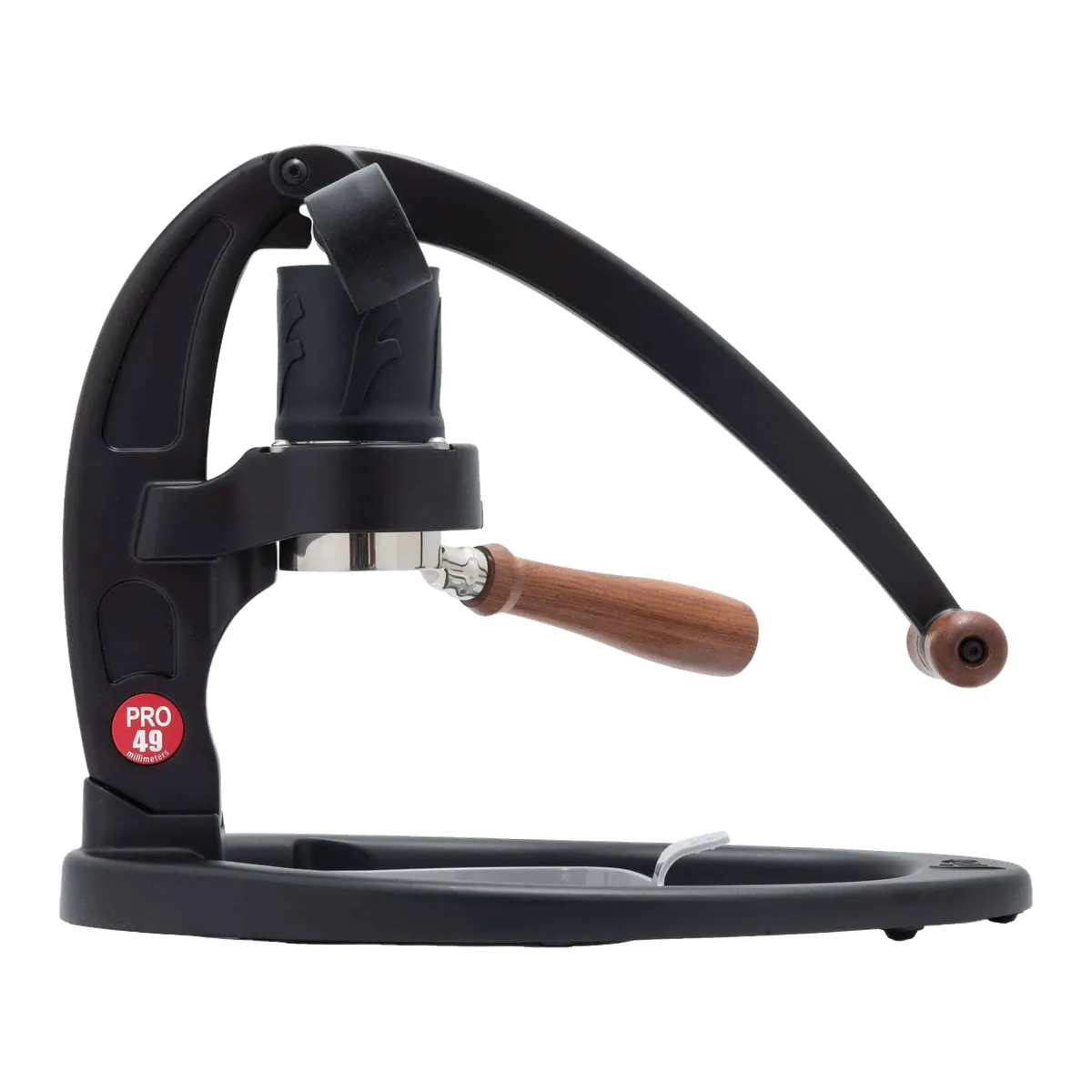
Flair Espresso
Flair 49 PRO
A fully manual, pumpless lever machine built around a 49mm portafilter and an all-stainless steel brew path — no electronics, no plastic in the water contact, and complete silence during extraction. The price of entry is a genuine hot-water preheating ritual before every session.
US$699–780
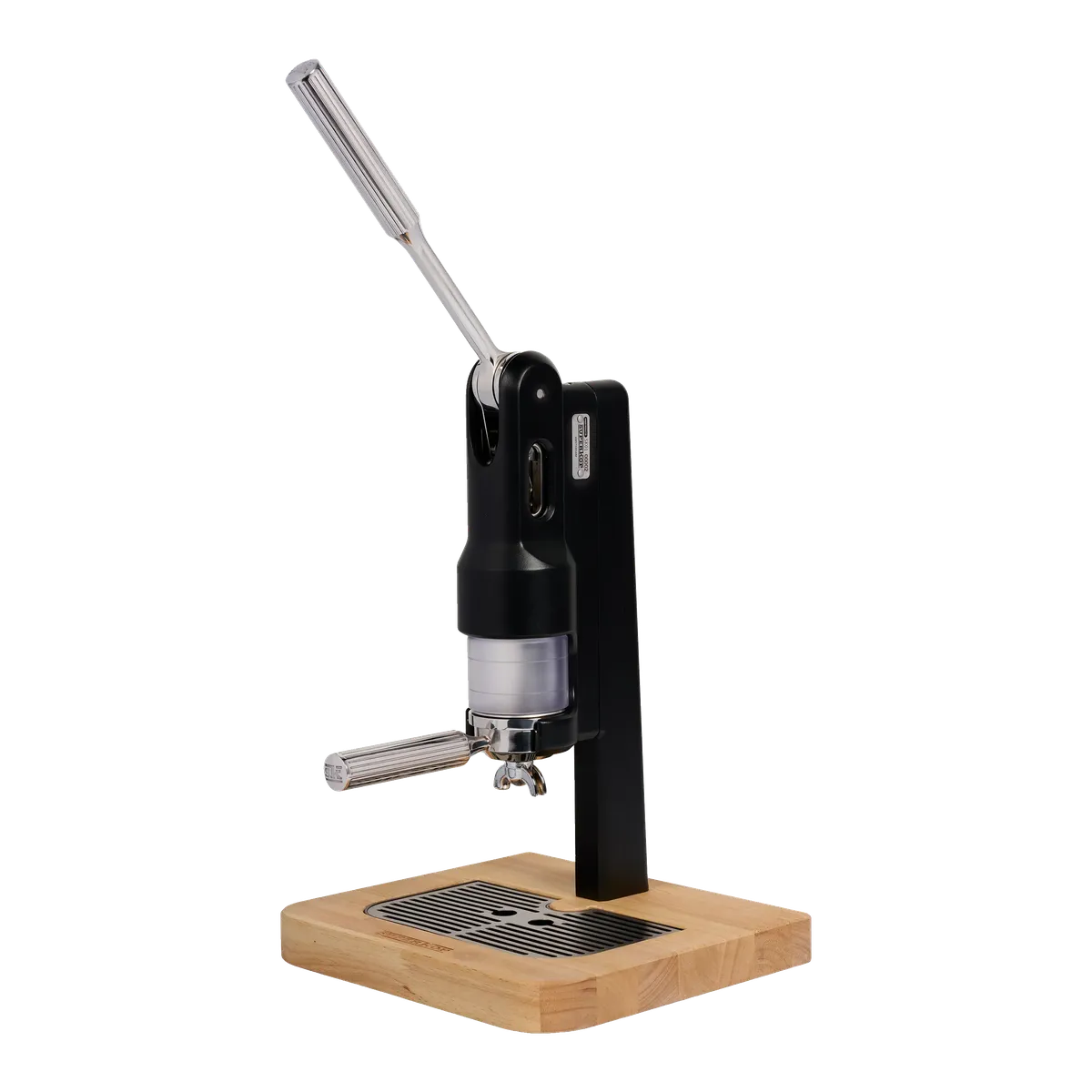
Superkop
Superkop
A Dutch-designed, fully mechanical lever machine that uses a 1:40 ratchet-displacement mechanism to build 9-bar extraction pressure across six sequential lever strokes — no electricity, no boiler, no electronics of any kind.
CA$999–1,000 · US$750–800
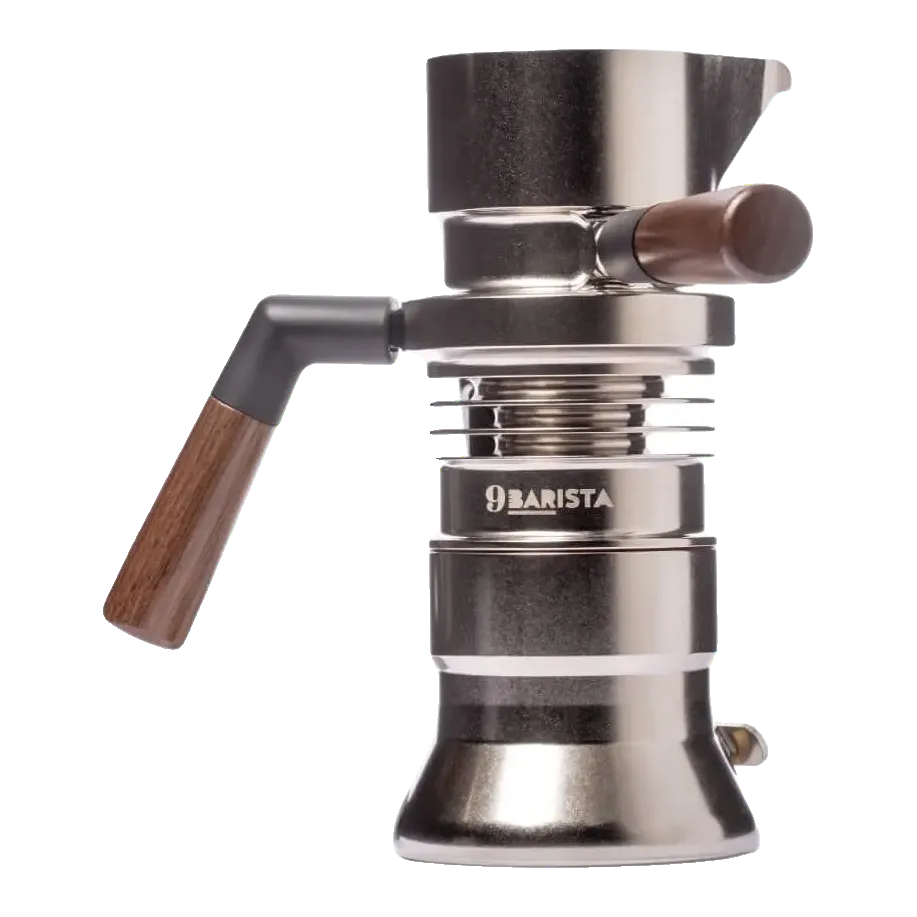
9Barista
Espresso Machine Mk.2
A stovetop espresso machine engineered in Cambridge that uses a patented twin-boiler thermodynamic system — no electronics, no pump — to deliver genuine 9-bar espresso at ~93°C from any hob. Compact, travel-ready, and built from ECOBrass alloy for serious longevity.
US$699
Weighing it against something we didn’t list? Compare it with anything on file →
Still weighing it? The finder narrows all 429 down to three that fit your life.
Run the two-minute finder →