Mazzer Mini G vs Weber Workshops Key Mk.2
Two answers to the same question — the split below is the whole argument.
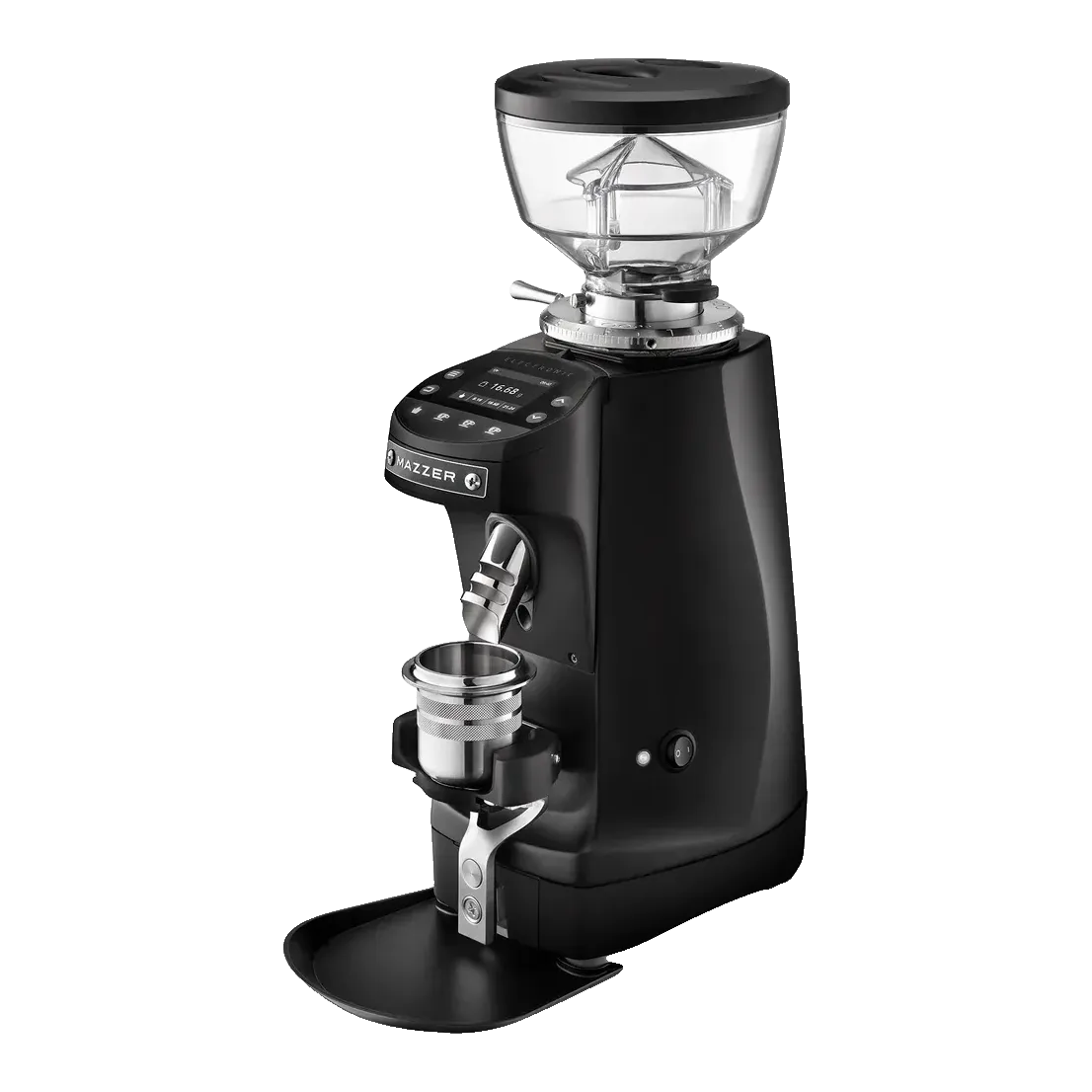
Mazzer
Strong consensusCA$2,200–2,500 · US$1,795–1,995
This is the old bulletproof Mazzer Mini shape with a scale grafted in, and it does exactly what it promises: same dose in, same dose out, shift after shift. Accept the roughly 8-gram hopper…
Full record & live prices →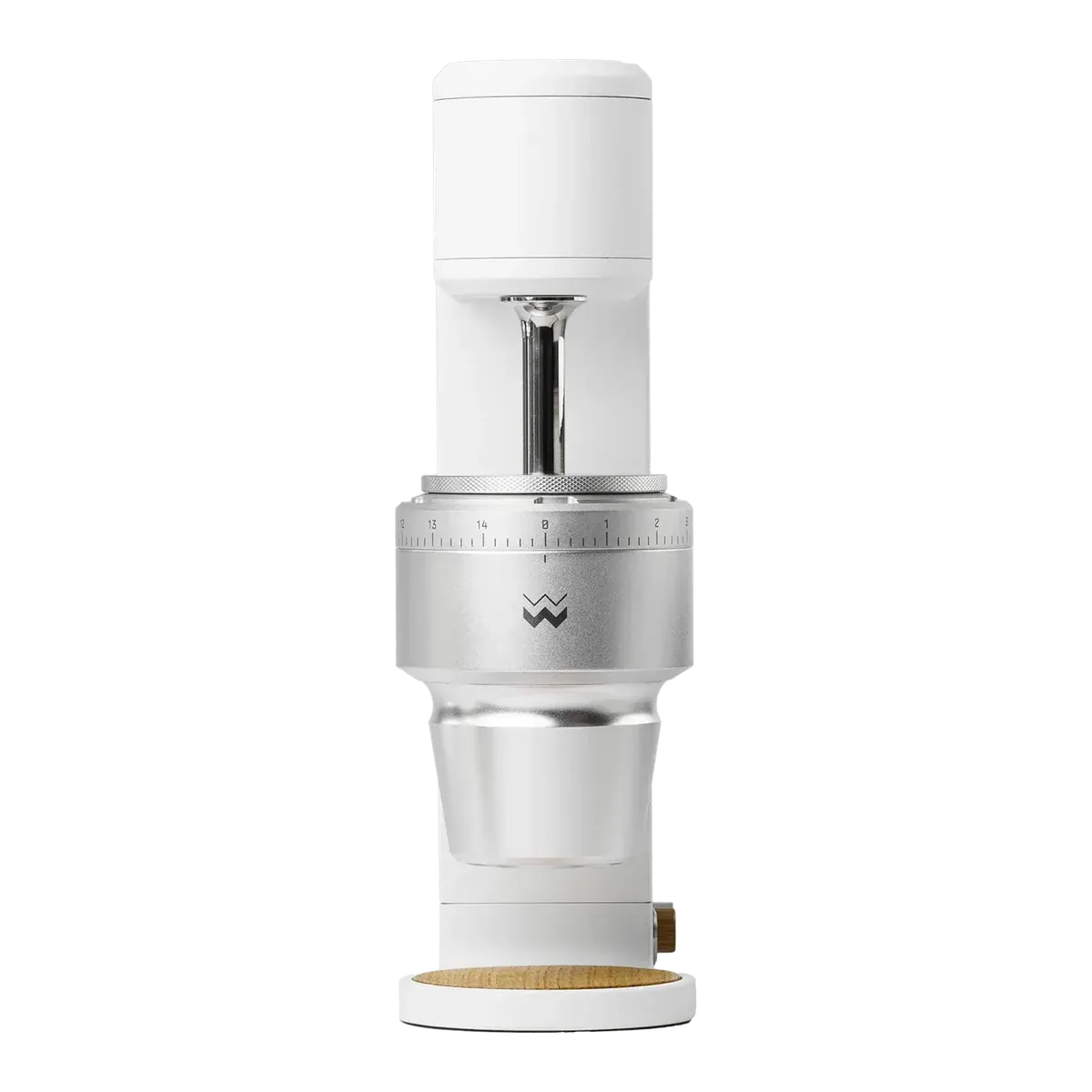
Weber Workshops
CA$2,050–2,800 · US$1,995–2,139
This is a grinder for someone who has already maxed out a lesser grinder and wants the biggest conical burrs you can put on a countertop, wrapped in genuinely gorgeous industrial design. Acc…
Full record & live prices →The split
Where they actually differ
Mini G
Key Mk.2
Retention
Key Mk.2 leads, decisively
~8 g· ~0.1 g
Brew range
Key Mk.2 leads, clearly
Reliability record
Mini G leads, clearly
Value per dollar
Mini G leads, clearly
weakerstronger
The Key Mk.2 leans clarity and sparkle; the Mini G leans syrup and body. Pick the cup, not the machine.
The counter’s vote
Looks barely figure in either machine’s record — the counter can sit this one out.
Mini G: Utilitarian, industrial aesthetic — no kitchen-approval polarization; looks are intentionally transparent, not a purchase driver or detractor.
Key Mk.2: Award-cited design (Weber founder background, iPod-era aesthetics) drives purchases; customizable wood accents and compact form make it a kitchen statement, though some find the utilitarian…
Only the Key Mk.2: a single-dose workflow.
Where they tie: espresso duty · built to last · quiet operation — don’t let a spec sheet invent a difference.
So — which one?
Take the Mini G if —
- Syrupy, traditional cups are the goal
- It has to just work, every day
- Every dollar has to earn its place
Take the Key Mk.2 if —
- Bright, separated cups are the goal
- You rotate beans and hate purging
- You brew more ways than one
- You weigh every dose anyway
Both columns reading true? Take the one your gut already picked — then stop reading reviews. Fresh beans will move the cup more than this choice will.
Known weak points
Mini G
Brush wear on older models (documented in Home-Barista threads); motor longevity documented as excellent with proper maintenance; no widespread catastrophic failure pattern reported.
Key Mk.2
Motor stall on Mk.1 (fixed in Mk.2 via 50% torque increase); shaft alignment drift (Mk.1 issue, mitigated in Mk.2 with integrated bottom bearing); anti-static plate degradation under grinding stress; bean feeder reliability concerns early in production.
For the row-by-row readers
The whole sheet, side by side
Matching rows fade back — the ink is where they differ.
Mini G
Key Mk.2
Class
Midrange
Single dose
Burrs
64mm flat
83mm conical
Drive
Electric
Electric
Adjustment
Stepless
Stepped (micro)
Clarity lean
Syrup & body
Clarity & sparkle
Espresso suitability
4.5/5
5/5
Brew versatility
2.5/5
4/5
Retention
~8 g
~0.1 g
Single dosing
No
Yes
Hopper
600 g
40 g
Workflow demand
1.5/5
4/5
Maintenance
2.5/5
1.5/5
Noise
3/5
3/5
Build longevity
4.5/5
4.5/5
One owner each
“I've been using a Key grinder for about a year or so, and I'm generally happy with it.”
Wrong match-up? Change one side → — any two on file compare.
Still torn?
This page weighs them against each other. The finder weighs them against your mornings.
Two minutes of questions — milk, noise, budget, space — scored across everything on file. It’s honest when the answer is neither of these.
Take the two-minute finder →