Weber Workshops · Conical burrKey Mk.2
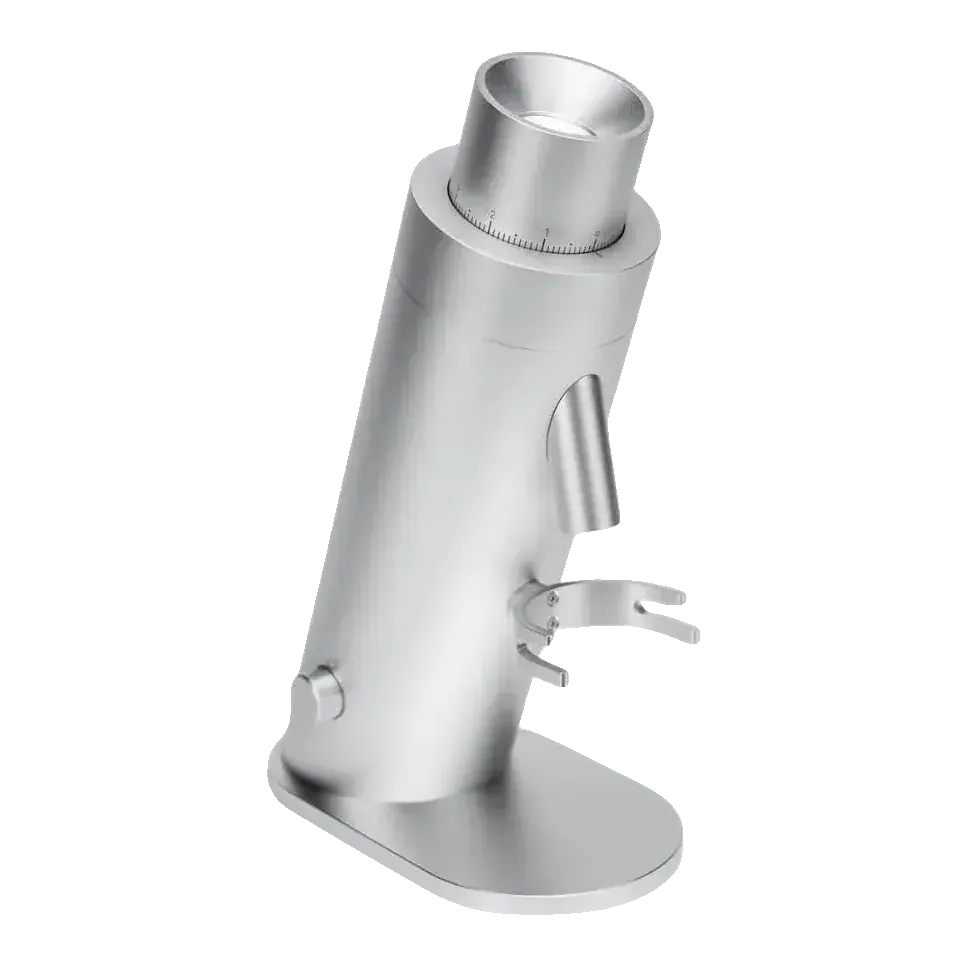
A single-dose home espresso grinder built around a massive 83mm Mazzer conical burr set squeezed into a footprint no bigger than grinders with far smaller burrs. It is a design-forward, fussy-in-the-details machine for people who already know what channeling tastes like.
The short version
This is a grinder for someone who has already maxed out a lesser grinder and wants the biggest conical burrs you can put on a countertop, wrapped in genuinely gorgeous industrial design.
Accept the workflow quirks, the stepped adjustment, and the price before you buy it, because none of that changes once you own it.
Why people buy it
- 83mm Mazzer conical burrs deliver a step up in clarity and consistency over typical 50-64mm conicals
- Near-zero retention thanks to the Magic Tumbler and updated Mk.2 wiper system, genuinely benchmark for single-dosing
Why they don’t
- Stepped grind adjustment, not stepless, on a grinder priced against stepless premium competitors
The full tally
- 83mm Mazzer conical burrs deliver a step up in clarity and consistency over typical 50-64mm conicals
- Near-zero retention thanks to the Magic Tumbler and updated Mk.2 wiper system, genuinely benchmark for single-dosing
- Pre-seasoned burrs mean no multi-kilogram break-in period before shots taste dialed in
- Variable RPM (30-150) lets you slow down for light roasts or speed up for dense dark roasts
- Standout industrial design and tactile feel that owners consistently call out as unmatched
- Stepped grind adjustment, not stepless, on a grinder priced against stepless premium competitors
- Owners and forum users report a genuinely fussy workflow: declumping paperclip tool, occasional popcorning, alignment queries, and stalling
- Very expensive for a single-dose-only grinder with no built-in scale or app, and no true aftermarket burr-swap ecosystem
What the community knows
Years of owner threads, distilled — the community is split.
Mk.2 corrects early mechanical flaws and earns loyalty from traditional-espresso devotees, but recent testing disputes its taste ceiling at the price point—owners must commit to slower-speed ritual and accept that lighter roasts may underperform versus flat-burr rivals costing…
Built to last
years before you outgrow or replace it
Reliability
shows up every morning, year after year
Ecosystem
mods, guides, and community know-how around it
All 9 community measures
price-to-performance the community respects
shows up every morning, year after year
parts and repairs — you are never stranded
mods, guides, and community know-how around it
kind to first-timers
years before you outgrow or replace it
how far the cup can go, per dollar
speed and simplicity, day to day
Worth knowing before you buy — Most owners who keep it view the ritual (RDT, bean feeder tuning, low RPM) as the feature, not the burden—it rewards craft. Those expecting plug-and-grind consistency regret the purchase.
Known weak points — Motor stall on Mk.1 (fixed in Mk.2 via 50% torque increase); shaft alignment drift (Mk.1 issue, mitigated in Mk.2 with integrated bottom bearing); anti-static plate degradation under grinding stress; bean feeder reliability concerns early in production.
“I've been using a Key grinder for about a year or so, and I'm generally happy with it.”
The measurements
Scored 0–5 on the same rubric as everything on file — the words matter more than the numbers.
The measurements
0–5, one rubric- Espresso
- reference5
- Versatility
- flexible4
- Built to last
- heirloom4.5
Position in the market
Every dot is a rival, measured the same way. The gold one is this.
- Top 10% for espresso suitability
- a higher ceiling than 141 of the 154 grinders we’ve measured
- A value pick at this level
- 69% of grinders this capable cost more
- Upper half for build
- sturdier than 69% of the field, by the community’s own record
Every dot is a grinder measured on the same rubric. See the whole market
Living with it
The part spec sheets skip: counter space, upkeep, and what owners learn later.
The honest note — Owners moving up from Niche Zero or Baratza-class conicals report a visible and tastable step up in clarity; those chasing maximum unimodal clarity/flat-burr separation may eventually look at Weber's own EG-1 or flat-burr single-dose machines instead. There is no real aftermarket burr-swap scene for the Key the way there is for DF64-class grinders.
The full spec sheet
- Class
- Single dose
- Burrs
- 83mm conical
- Drive
- Electric
- Adjustment
- Stepped (micro)
- Clarity lean
- Clarity & sparkle
- Espresso suitability
- 5/5
- Brew versatility
- 4/5
- Retention
- ~0.1 g
- Single dosing
- Yes
- Hopper
- 40 g
- Workflow demand
- 4/5
- Maintenance
- 1.5/5
- Noise
- 3/5
- Build longevity
- 4.5/5
Before it arrives
What completes this grinder — the faded pieces can wait.
Coffee scale with timer — Espresso is a ratio. A 0.1g scale with a built-in timer is the single biggest consistency upgrade for any manual machine.
- Coffee scale with timer — Espresso is a ratio. A 0.1g scale with a built-in timer is the single biggest consistency upgrade for any manual machine.
- Dosing cup — Pairs with single-dose grinding — grind into the cup, swirl, and transfer to the portafilter cleanly.
- Grinder cleaning kit — Brushes and grinder tablets keep retention and stale grounds in check.
Feed it right
Week one is dial-in — and stale beans will lose it.
Coffee more than a few weeks past roast won’t extract predictably, and a new grinder gets blamed for it. These burrs lean bright — washed single-origins with real acidity are where they earn their price.
Pick your coffee — any of these dials in beautifully here:
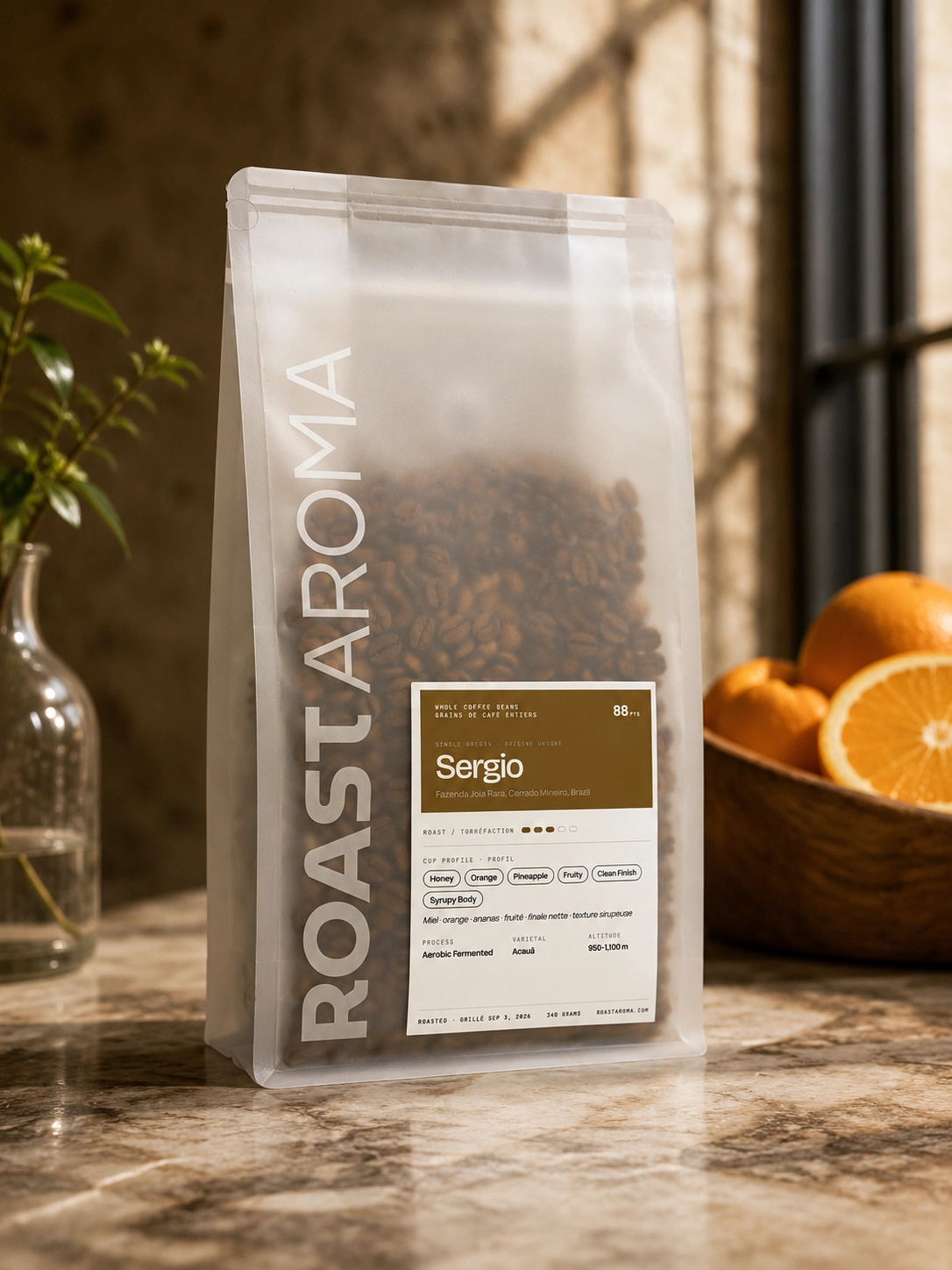 Sergio - Brazillian Fazenda Joia Rara Aerobic FermentedSCA 88Medium-light · Cerrado Mineiro · Aerobic FermentedHoney · OrangeEnough brightness to show what this gear can separate.CA$29.18 · roasted to order
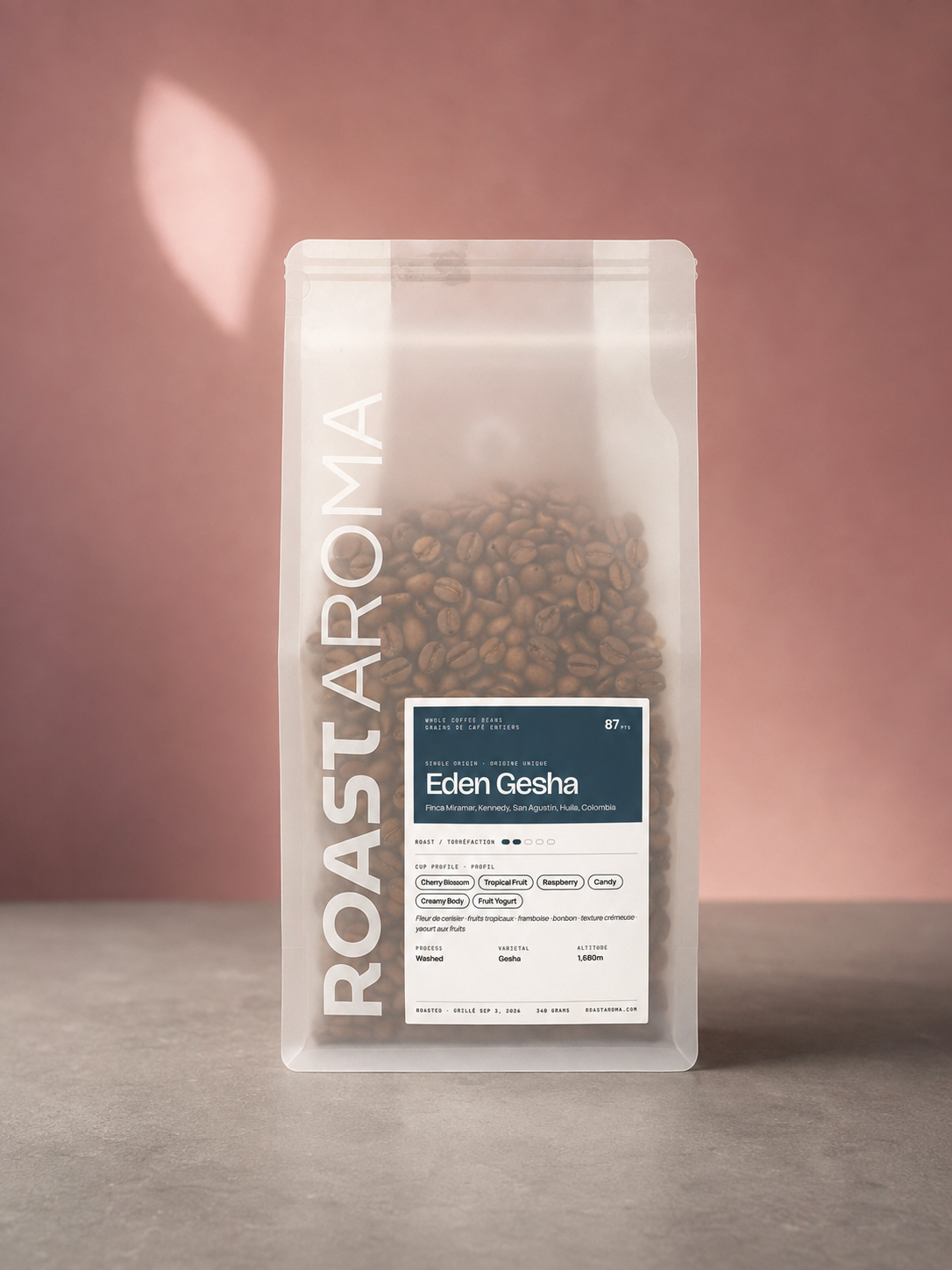 Eden Gesha - Colombian MiramarSCA 87Medium-light · Kennedy, San Agustin, Huila · WashedCherry blossom · Tropical fruitEnough brightness to show what this gear can separate.CA$26.24 · roasted to order
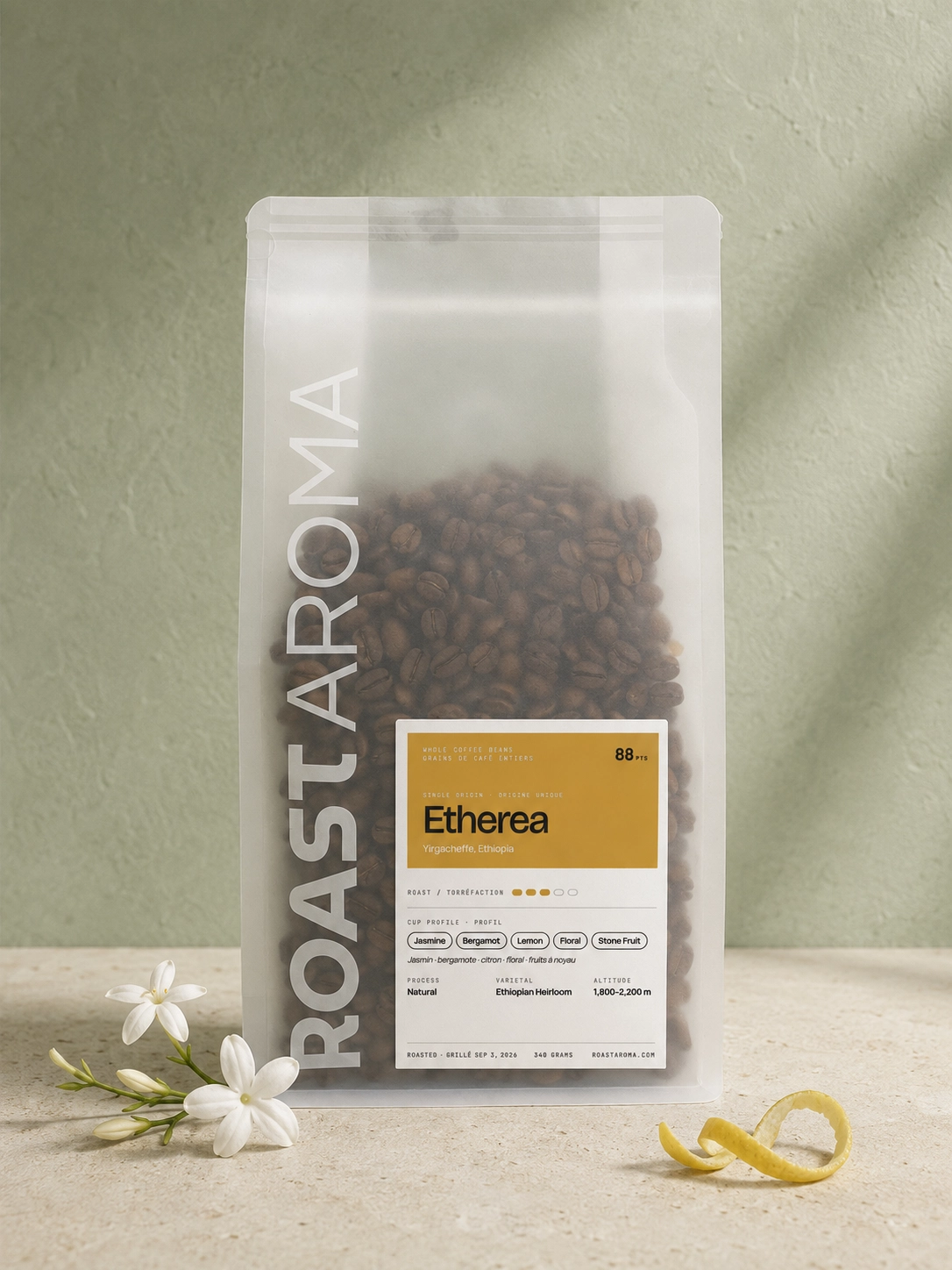 Etherea - Ethiopian YirgacheffeSCA 88Medium roast · NaturalJasmine · BergamotEnough brightness to show what this gear can separate.CA$24.16 · roasted to order
Whole bean coffee, with the roast date on each bag.
Prefer regular deliveries? RoastPlan is RoastAroma’s coffee subscription. Choose your coffees and their available options, then set deliveries every 1–6 weeks.
One-time RoastAroma orders are roasted to order in Ajax, Ontario and ship Canada-wide. We’re the roastery behind this database — measuring the machines is how we make sure the coffee gets a fair shot.
On film
How it runs on camera, from around the community.
Common questions
Is the Weber Workshops Key stepless or stepped?
It uses a 5-micron stepped grind adjustment, not stepless, though owners describe the steps as fine enough for espresso dialing.
How much does the Key Mk.2 retain between doses?
Weber states retention is well below 0.1g, and multiple owners report doses within about 0.2g of the starting weight.
What is the difference between the Key Mk.1 and Mk.2?
The Mk.2 adds 50% more torque, a 30% larger 40g hopper, an integrated Bean Feeder for even single-dose loading, an updated low-retention Magic Tumbler, and customizable wood accents.
Worth comparing
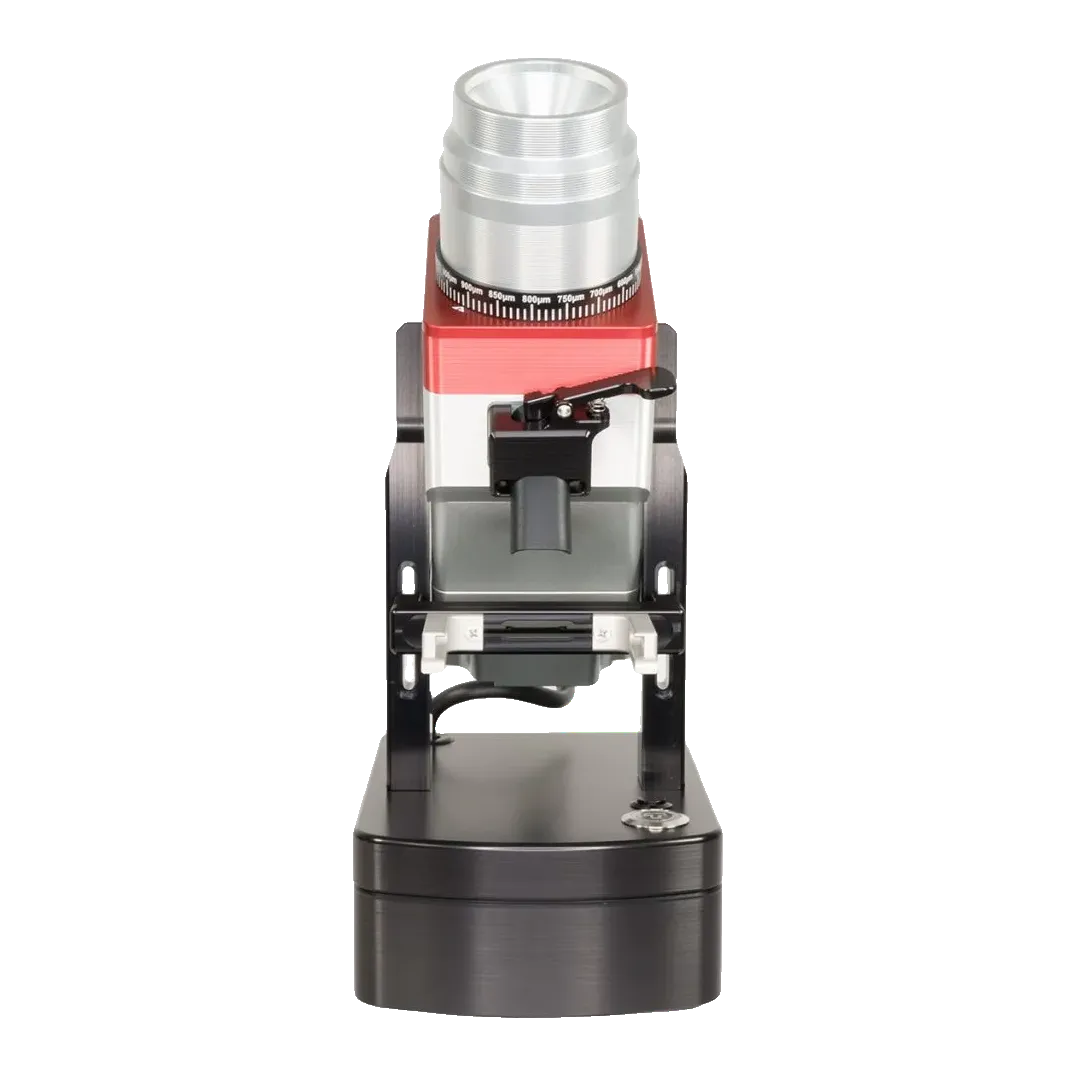
Kafatek
Monolith Flat (Titan SDRM)
A Seattle-machined single-dose flat burr grinder built around 75-80mm in-house Shuriken burrs. This is the boutique end-game grinder people save up for and then stop shopping.
US$2,650
Weighing it against something we didn’t list? Compare it with anything on file →
Still weighing it? The finder narrows all 429 down to three that fit your life.
Run the two-minute finder →