Baratza Encore ESP vs DF64E
Same class, different tax brackets.
About CA$53 apart — the split below is what the gap buys.
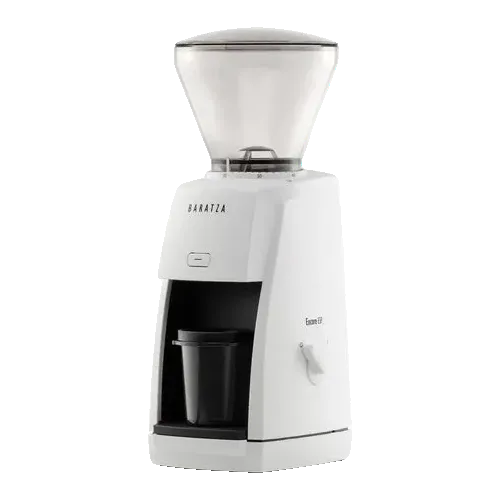
Baratza
Strong consensusUS$199–200 · CA$275–280
A capable entry point for anyone who wants a single grinder that dials in espresso without demanding a second machine for filter work. Accept that the plastic body is lightweight, static man…
Full record & live prices →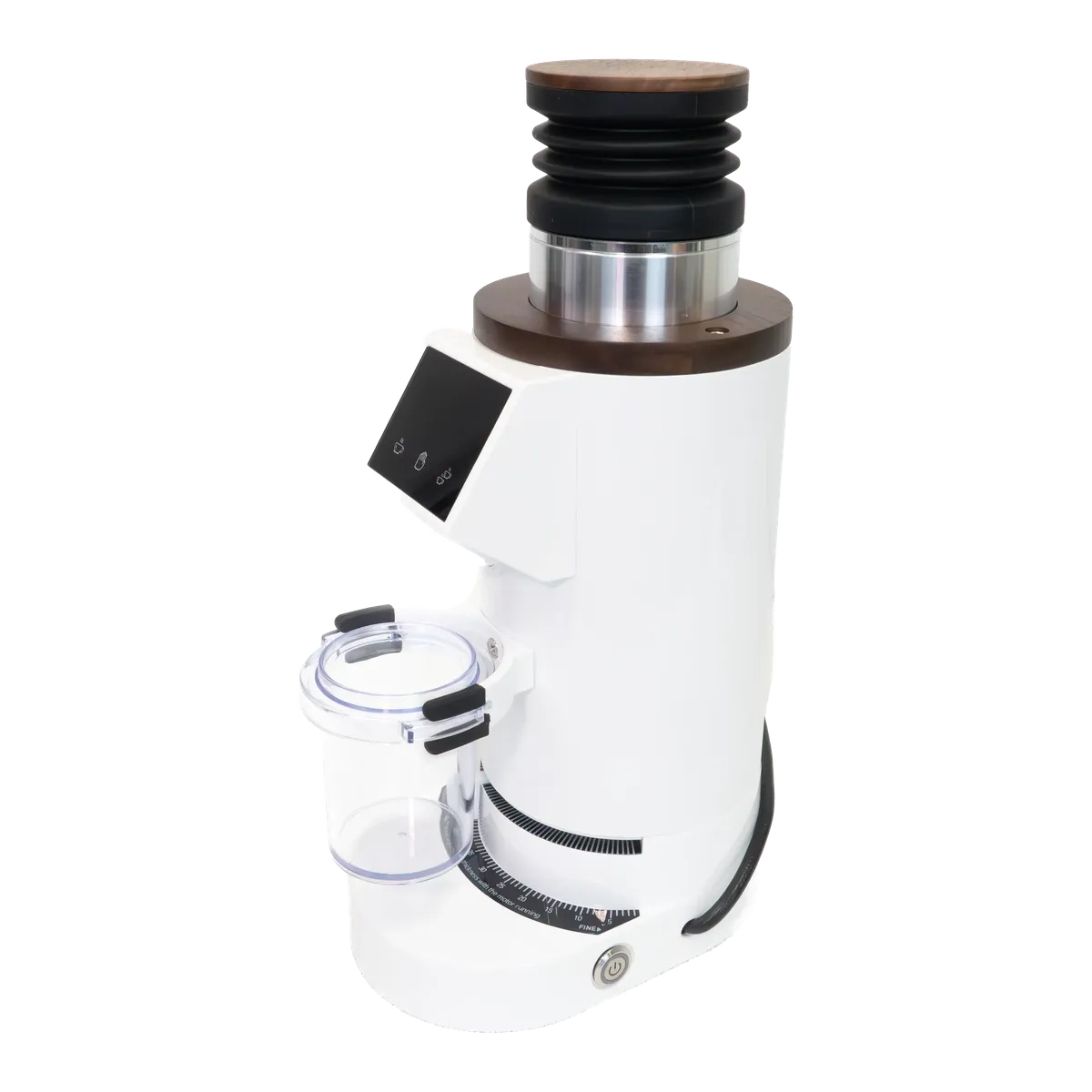
DF64 (Turin)
Strong consensusCA$280–380 · US$219–300
This is the DF64 formula with an electronic dosing brain bolted on: press a button, get a repeatable time-based dose instead of eyeballing a manual grind. Accept that the display and extra e…
Full record & live prices →The split
Where they actually differ
On 4 of 7 measures these two tie. The 3 rows below are the entire argument.
Encore ESP
DF64E
Retention
DF64E leads, decisively
~2.5 g· ~0.3 g
Espresso duty
DF64E leads, clearly
Reliability record
Encore ESP leads, clearly
The price
Encore ESP costs less, clearly
CA$275–280· CA$280–380
weakerstronger
The DF64E leans clarity and sparkle; the Encore ESP leans syrup and body. Pick the cup, not the machine.
The counter’s vote
Looks barely figure in either machine’s record — the counter can sit this one out.
Encore ESP: Appliance-neutral industrial styling; no design polarization in purchase motivation.
DF64E: Angled, sleek modern silhouette polarizes—enthusiasts embrace the industrial minimalism, kitchen-approval skeptics don't; no design awards cited, appliance-neutral aesthetic.
Only the DF64E: a documented burr-swap scene.
Where they tie: brew range · built to last · value per dollar · quiet operation — don’t let a spec sheet invent a difference.
On the counter
The size difference, to scale
So — which one?
Take the Encore ESP if —
- Syrupy, traditional cups are the goal
- It has to just work, every day
- The difference stays in your pocket — or goes into beans
Take the DF64E if —
- Bright, separated cups are the goal
- You rotate beans and hate purging
- Espresso is the job, full stop
- You want a chassis that grows
Both columns reading true? Take the Encore ESP and put the difference into fresh, roast-dated beans — they move the cup more than this choice will.
Known weak points
Encore ESP
Conical burr wear at extended espresso use; motor strain under heavy daily loads; dosing cup retention clips brittle with age
DF64E
Electrical burnout and fire risk within 2 years of regular use; Gen 1 static issues and inadequate stock Italmill burrs (Gen 2 addressed the latter).
For the row-by-row readers
The whole sheet, side by side
Matching rows fade back — the ink is where they differ.
Encore ESP
DF64E
Class
Entry espresso-capable
Single dose
Burrs
conical
64mm flat
Drive
Electric
Electric
Clarity lean
Syrup & body
Clarity & sparkle
Espresso suitability
3/5
4/5
Brew versatility
3/5
3/5
Retention
~2.5 g
~0.3 g
Single dosing
Yes
Yes
Hopper
300 g
250 g
Workflow demand
2/5
2.5/5
Maintenance
2/5
2/5
Noise
3/5
3/5
Build longevity
3/5
3/5
Dimensions
13 × 15 × 34 cm
12 × 19 × 42 cm
Adjustment
—
Stepped (micro)
Burr-swap scene
—
Documented
Wrong match-up? Change one side → — any two on file compare.
Still torn?
This page weighs them against each other. The finder weighs them against your mornings.
Two minutes of questions — milk, noise, budget, space — scored across everything on file. It’s honest when the answer is neither of these.
Take the two-minute finder →