Acaia Orbit vs Kafatek Monolith Flat (Titan SDRM)
Same class, different tax brackets.
The Monolith Flat (Titan SDRM) runs ~75% more (listed in different currencies) — the split below is what the gap buys.
The Monolith Flat (Titan SDRM) is made to order (waitlist, not checkout) — read its side accordingly.
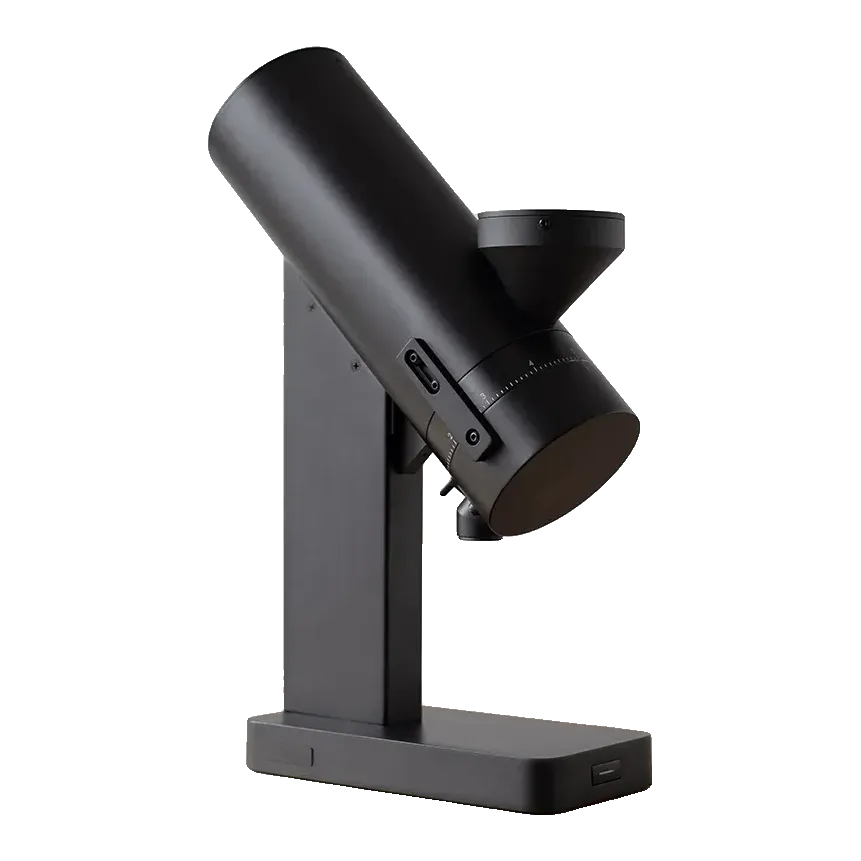
Acaia
CA$1,900–2,200 · US$1,450–1,700
The Orbit is a precisely-toleranced, app-driven 64 mm flat-burr single-doser that competes squarely with the Lagom P64 and Zerno at the $1,500–$1,700 prosumer tier. Accept that the feature d…
Full record & live prices →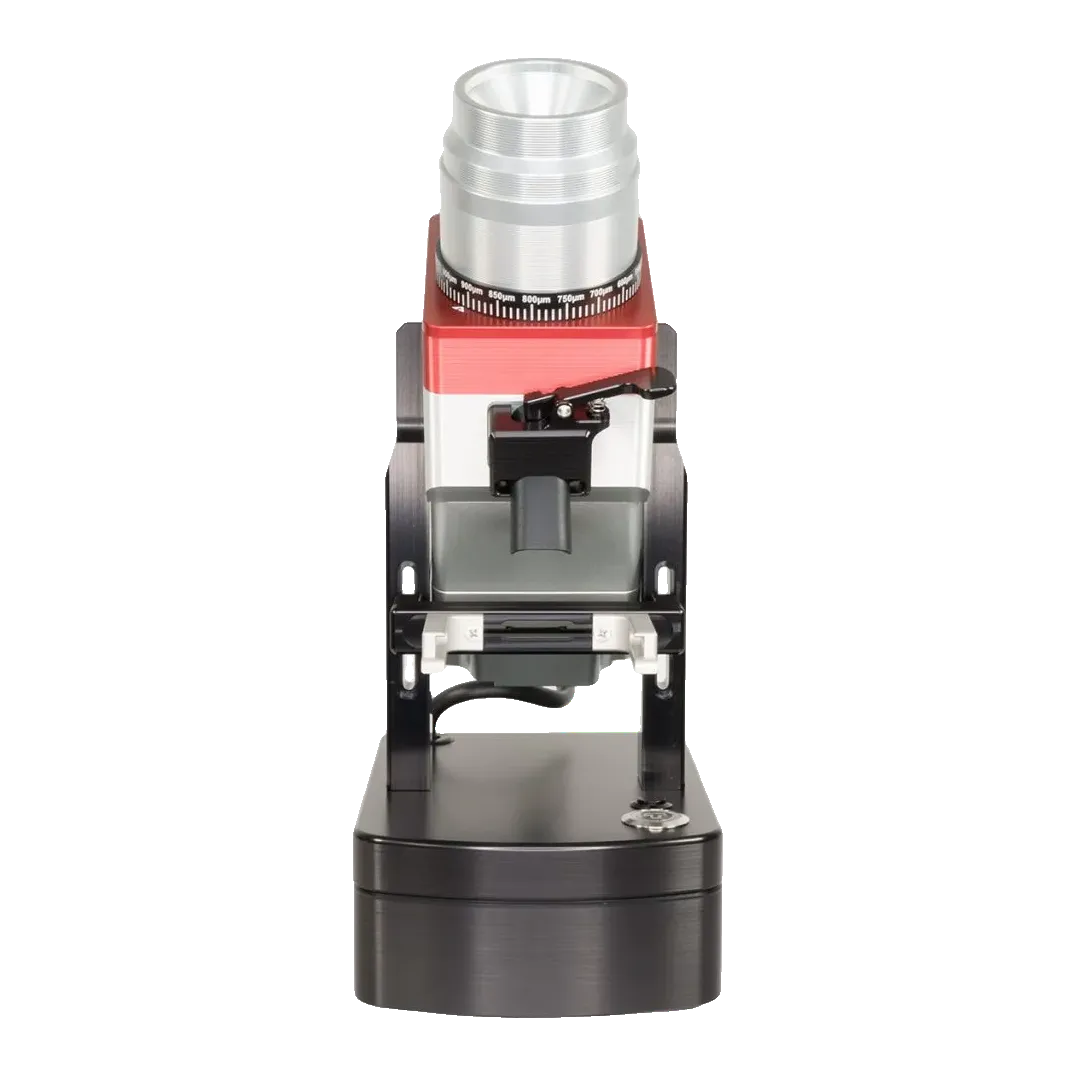
Kafatek
Strong consensusUS$2,650
This is a hand-built, CNC-machined single-doser that trades every convenience feature for alignment, retention, and burr quality. Accept the multi-month preorder wait, the static and mess of…
Full record & live prices →The split
Where they actually differ
Orbit
Monolith Flat (Titan SDRM)
The price
Orbit costs less, decisively
CA$1,900–2,200· US$2,650
Value per dollar
Monolith Flat (Titan SDRM) leads, clearly
Espresso duty
Monolith Flat (Titan SDRM) leads, clearly
Reliability record
Monolith Flat (Titan SDRM) leads, clearly
Built to last
Monolith Flat (Titan SDRM) leads, clearly
weakerstronger
The Monolith Flat (Titan SDRM) leans clarity and sparkle; the Orbit leans the balanced middle. Pick the cup, not the machine.
The counter’s vote
Looks barely figure in either machine’s record — the counter can sit this one out.
Orbit: Minimalist, elegant industrial design; praised for visual coherence but not a primary purchase driver—owned for UX and precision, not aesthetics.
Monolith Flat (Titan SDRM): Industrial CNC aesthetic — minimalist aluminium tower, zero ornamentation. Community remarks are neutral-to-positive on this (built-for-function, not flash), but design appeal does not measurably…
Where they tie: brew range · retention · quiet operation — don’t let a spec sheet invent a difference.
On the counter
The size difference, to scale
So — which one?
Take the Orbit if —
- Syrupy, traditional cups are the goal
- The difference stays in your pocket — or goes into beans
Take the Monolith Flat (Titan SDRM) if —
- Bright, separated cups are the goal
- Every dollar has to earn its place
- Espresso is the job, full stop
- It has to just work, every day
The Monolith Flat (Titan SDRM) at ~75% more buys real things: value per dollar and espresso duty. If those aren't your mornings, the Orbit does the job and keeps the difference in your pocket.
Known weak points
Orbit
Early alignment QC issues out of box (circa 2022–23, reportedly resolved); permanent retention accumulation on burr carriers requiring regular cleaning; grind-by-weight firmware implementation imprecise.
For the row-by-row readers
The whole sheet, side by side
Matching rows fade back — the ink is where they differ.
Orbit
Monolith Flat (Titan SDRM)
Class
Single dose
Single dose
Burrs
64mm flat
80mm flat
Drive
Electric
Electric
Adjustment
Stepless
Stepless
Clarity lean
Balanced
Clarity & sparkle
Espresso suitability
4/5
5/5
Brew versatility
4/5
3.5/5
Retention
~0.3 g
~0.5 g
Single dosing
Yes
Yes
Hopper
0 g
40 g
Burr-swap scene
Documented
Documented
Workflow demand
2/5
—
Maintenance
2/5
2/5
Noise
2/5
1.5/5
Build longevity
4/5
5/5
Dimensions
10.8 × 26.6 × 39.4 cm
16.5 × 20.6 × 35.5 cm
Wrong match-up? Change one side → — any two on file compare.
Still torn?
This page weighs them against each other. The finder weighs them against your mornings.
Two minutes of questions — milk, noise, budget, space — scored across everything on file. It’s honest when the answer is neither of these.
Take the two-minute finder →