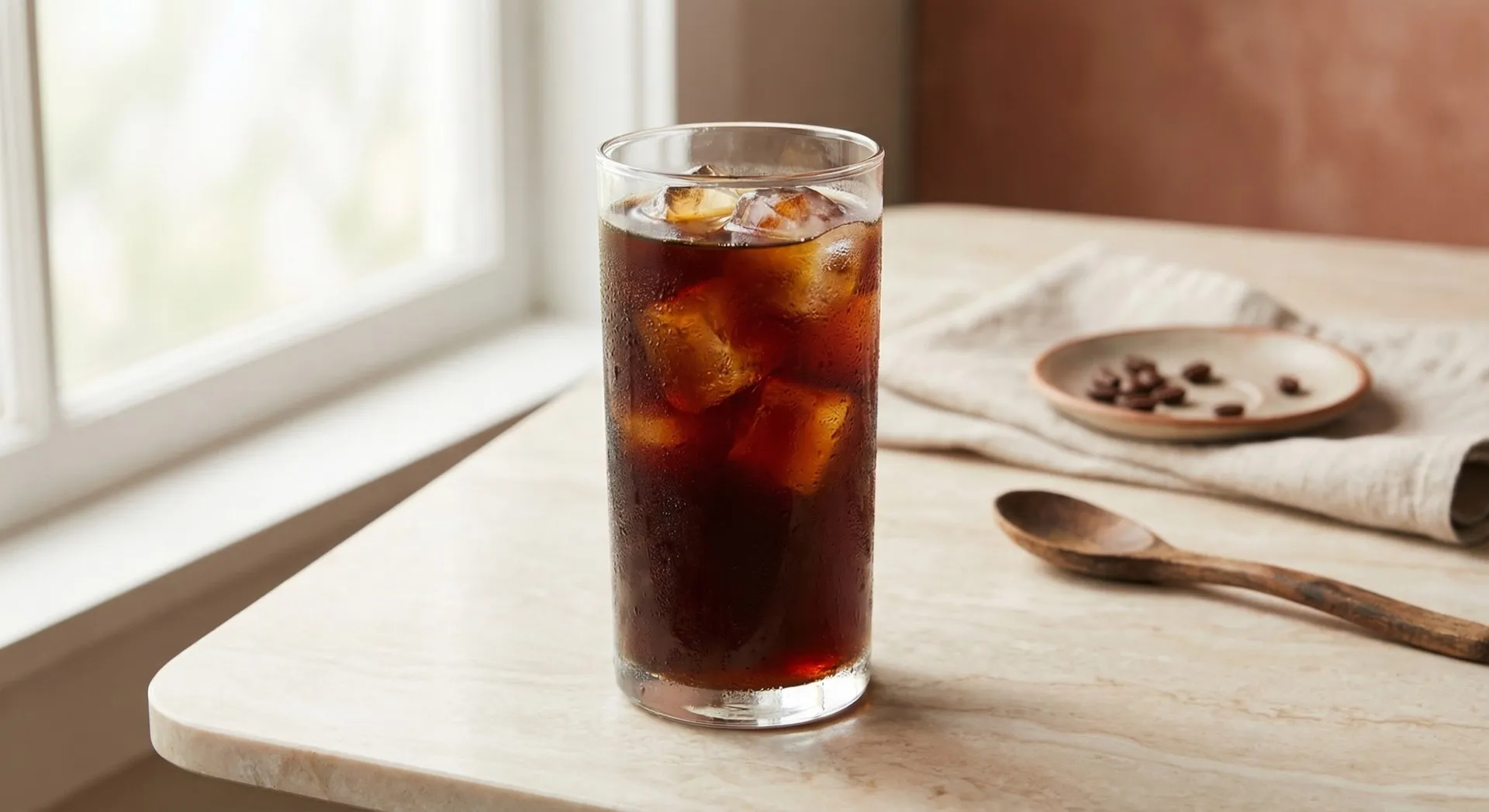
Cold brew coffee consumption has grown 27% year-over-year as consumers discover its smoother, less acidic profile. Unlike hot brewing which extracts through thermal energy, cold brew relies on time and diffusion physics. This guide examines extraction chemistry, equipment options, and brewing techniques based on peer-reviewed research and professional practice.
The Chemistry of Cold Extraction
Research in the Journal of Food Science demonstrates that cold water extraction (4-37°C) behaves fundamentally differently than hot brewing (90-96°C). When temperature drops, solubility and extraction rates change dramatically. Acids extract readily at high temperatures but slowly in cold water, explaining why cold brew exhibits up to 67% lower acidity than hot-brewed coffee.
Total dissolved solids are significantly lower in cold brew, yet sugar concentration remains proportionally higher, creating characteristic sweetness. For optimal results, start with freshly roasted specialty coffee beans that showcase these characteristics. Medium to dark roasts from Latin American origins typically perform best.
Immersion Cold Brew: The Foundation Method
Immersion represents the most accessible cold brew method. A 2023 study systematically tested variables: grind size (282-1057 microns), temperature (4-37°C), time (5 minutes to 18 hours), and ratio (1:3 to 1:11). Results confirmed that extraction is primarily time-dependent rather than temperature-dependent within the tested range.
Equipment and Setup
The Toddy Cold Brew System produces exceptionally clean concentrate through multi-layer filtration. The Hario Mizudashi offers excellent value with integrated mesh filter and borosilicate glass. Both systems work well, though the Toddy yields higher clarity. For consistent results, invest in a quality burr grinder and digital scale.
Parameters and Ratios
For ready-to-drink cold brew, use 1:8 to 1:11 coffee-to-water ratio. A 1-liter batch requires 90-125g coffee. Grind medium-coarse (800-1100 microns), similar to coarse sea salt. On a Baratza Encore, use settings 30-35. Steep at room temperature for 15-21 hours, or refrigerate for 18-24 hours. Room temperature produces more body.
For concentrate, use 1:4 to 1:6 ratio, then dilute 1:2 or 1:3 when serving. Concentrate stores longer and offers flexibility. Many local coffee roasters offer beans specifically suited for cold brew preparation.
Flash Brew: Preserving Volatile Aromatics
Flash brewing, developed in Japan, addresses cold brew's main limitation: loss of volatile aromatic compounds. Hot brewing releases hundreds of volatile organics responsible for fragrance. Flash brewing preserves these by hot-brewing onto ice, locking in aromatics through rapid chilling.
For 500ml yield: Place 200g ice in server. Grind 30g coffee medium-fine (400-600 microns). Brew with 300g water at 93-96°C using pour-over device. Hot coffee melts half the ice, diluting properly while cooling instantly. Total time: 3-4 minutes. This method suits single-origin coffees with distinct profiles. Results show more acidity and brightness with cleaner body than immersion.
Cold Drip: The Artisan Approach
Cold drip (Kyoto-style) uses ice water dripping through grounds over 6-12 hours. The result is tea-like, delicate, and extremely clean. This method requires specialized equipment (Yama or Hario drip towers) but produces unique results worth exploring for enthusiasts. Try with Ethiopian Yirgacheffe to highlight floral notes.
Bean Selection by Origin
Latin American beans (Brazil, Colombia, Guatemala) excel in cold brew with chocolate, nut, and caramel notes. Indonesian beans (Sumatra, Java) offer earthy, spicy profiles. African beans (Ethiopian, Kenyan) provide berry and floral notes but work better for flash brew. Medium to dark roasts generally outperform light roasts for immersion cold brew.
Troubleshooting Common Issues
Cloudy brew indicates insufficient filtration. Use double-layer cheesecloth or nut milk bag. Sour taste suggests under-extraction—increase steeping time 2-4 hours or use finer grind. Bitter or woody flavors indicate over-extraction; reduce time or coarsen grind. Weak taste usually means incorrect ratio or stale beans. Always use freshly roasted beans from quality Canadian coffee roasters for best results.
Storage and Shelf Life
Refrigerated cold brew maintains quality for 7-10 days. Concentrate stores up to 2 weeks when sealed and cold. Always store in glass, as plastic absorbs coffee oils over time. For extended storage, consider freezing in ice cube trays for coffee ice that won't dilute your drink.
Final Recommendations
Start with immersion cold brew using 1:8 ratio, medium-coarse grind, and 18-hour steep at room temperature. Use quality beans from reputable specialty coffee roasters. Once comfortable, experiment with flash brew for brighter cups. Document your parameters and adjust systematically. The best cold brew comes from understanding your equipment, beans, and preferences through deliberate practice.