Gaggia Brera vs Gaggia Velasca
Stablemates — both from Gaggia, aimed at different mornings.
The Velasca runs ~14% more (listed in different currencies) — and the gap buys nothing the data can taste.
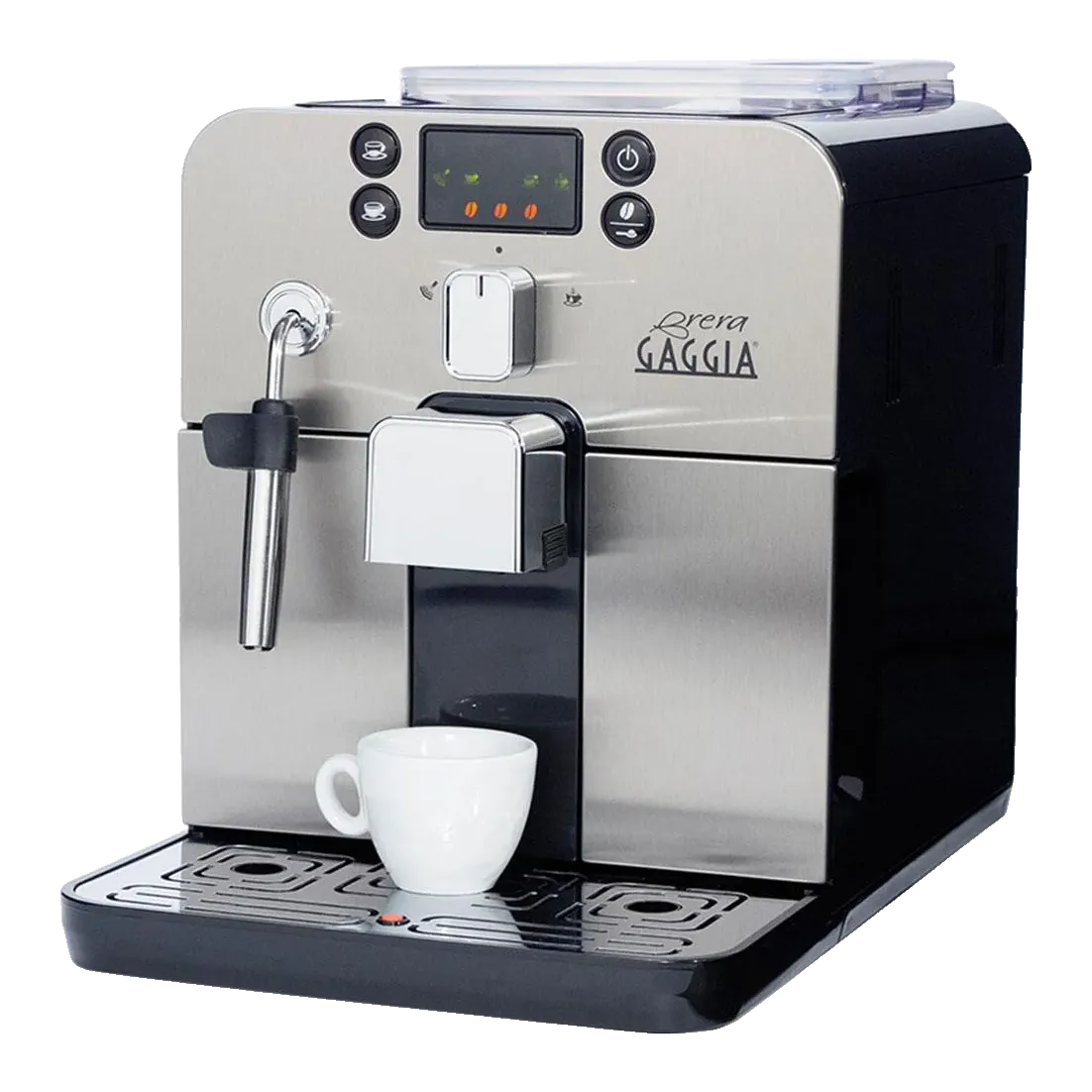
Gaggia
US$430–640 · CA$645–1,020
The Brera does exactly what a budget super-auto should: grind, brew, and steam with minimal fuss in a genuinely small box. What you must accept is that shot quality plateaus well below any s…
Full record & live prices →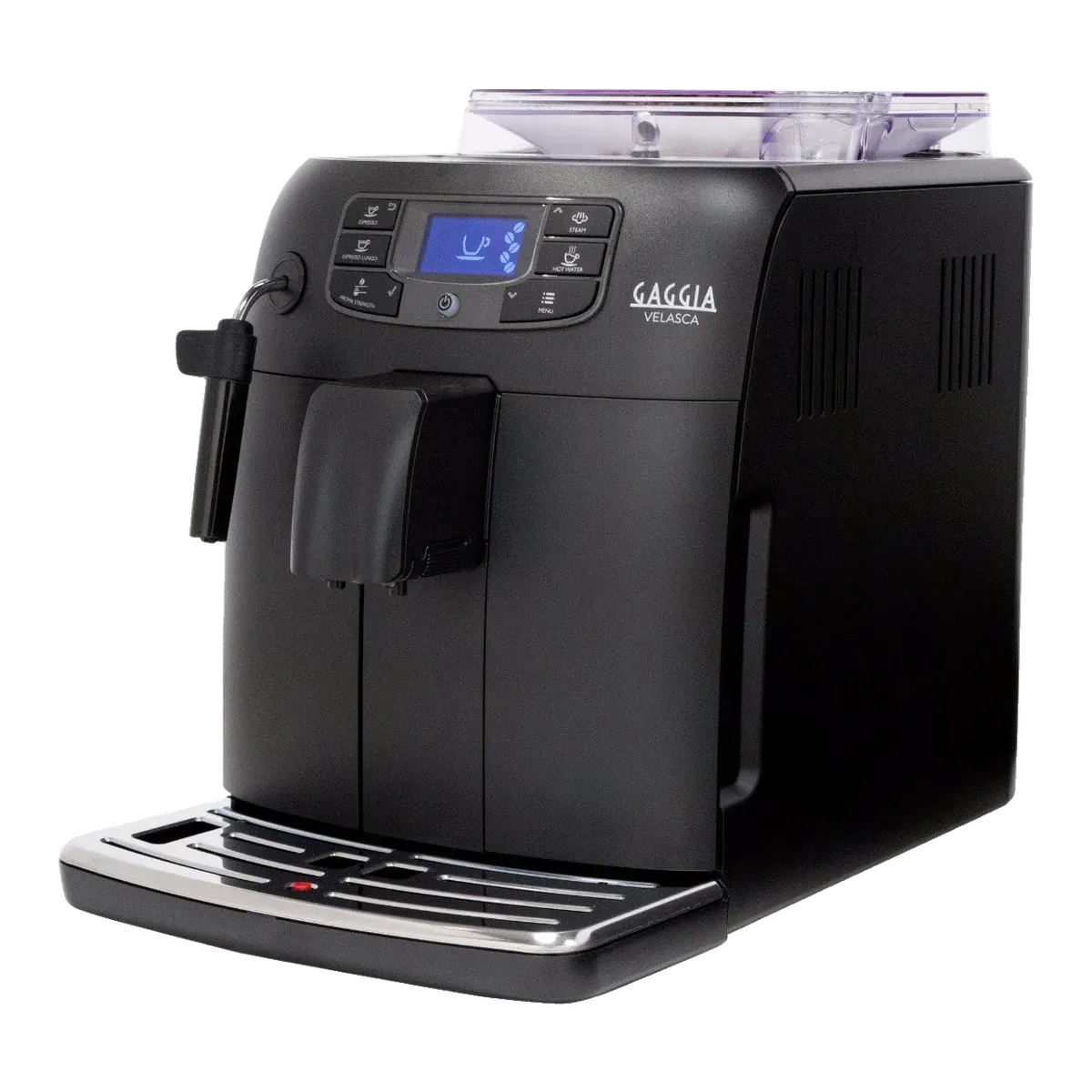
Gaggia
US$649–750
The Velasca earns its place as one of the more grind-adjustable entry super-automatics on the market, with 10 ceramic burr settings and the Gaggia Adapting System doing useful work at its pr…
Full record & live prices →The split
Where they actually differ
On 8 of 11 measures these two tie. The 3 rows below are the entire argument.
Brera
Velasca
Reliability record
Brera leads, clearly
Parts & repair
Brera leads, clearly
Quiet operation
Brera leads, clearly
The price
Brera costs less, clearly
CA$645–1,020· US$649–750
weakerstronger
The counter’s vote
Looks barely figure in either machine’s record — the counter can sit this one out.
Brera: Appliance-neutral compact design; "small packages" language in marketing appeals to space-conscious buyers but no design-award or kitchen-approval talk in community record.
Velasca: Appliance-neutral industrial design; no revealed preference in purchase talk.
Only the Brera: PID temperature control.
Where they tie: milk & steam · shot ceiling · back-to-back drinks · ready when you are · forgiving to learn on — don’t let a spec sheet invent a difference.
On the counter
The size difference, to scale
So — which one?
Take the Brera if —
- It has to just work, every day
- You plan to fix, not replace
- There are sleepers to protect
- The difference stays in your pocket — or goes into beans
Take the Velasca if —
Hard case to make: the Brera leads everywhere the data separates them. This one is a deal-day purchase, not a first choice.
The Brera leads everywhere the data separates them — and costs less. The Velasca's case has to come from somewhere the data can't see: the look, the brand, or a used-market deal.
Known weak points
Brera
Solenoid valve wear on high-use cycles; grinder burr degradation over extended use typical of super-automatics; occasional drip tray overflow if neglected.
Velasca
Grinder failures on dark or oily beans (warranty-voiding issue documented in support literature); water system and thermostat failures documented.
For the row-by-row readers
The whole sheet, side by side
Matching rows fade back — the ink is where they differ.
Brera
Velasca
Type
Super-automatic (bean-to-cup)
Super-automatic (bean-to-cup)
Heat-up time
~1 min
~1 min
Steam power
2/5
2/5
Brew + steam at once
No
No
Guest recovery
2/5
2/5
Shot quality ceiling
2.5/5
2.5/5
PID temperature control
Yes
No
Milk system
Manual steam wand
Manual steam wand
One-touch drinks
2
2
Removable brew group
Yes
Yes
Hot-water tap
Yes
Yes
Cup clearance
11.4 cm
11.5 cm
Workflow demand
1/5
1/5
Maintenance
2.5/5
3/5
Noise
2/5
3.5/5
Build longevity
2.5/5
3/5
Dimensions
25.6 × 44.7 × 31.5 cm
25.6 × 44 × 34 cm
One owner each
“Professional testing consistently rates extraction quality as 'good rather than great'—superior to capsule systems but falling short of semi-automatic standards.”
Wrong match-up? Change one side → — any two on file compare.
Still torn?
This page weighs them against each other. The finder weighs them against your mornings.
Two minutes of questions — milk, noise, budget, space — scored across everything on file. It’s honest when the answer is neither of these.
Take the two-minute finder →