Cuisinart Espresso Defined EM-1000 vs Gaggia Brera
Two answers to the same question — the split below is the whole argument.
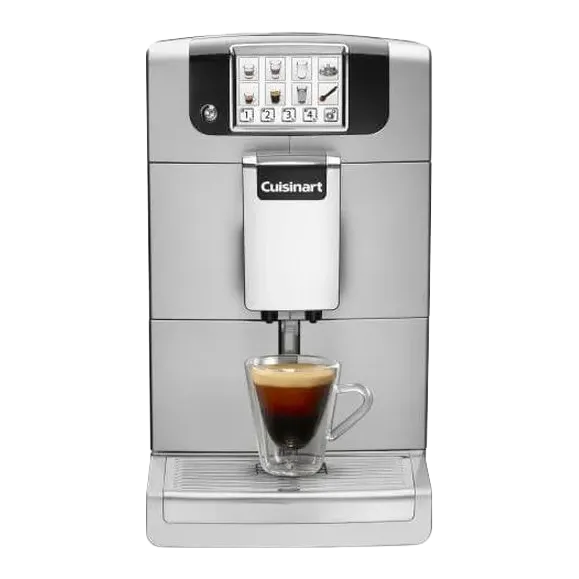
Cuisinart
US$249–999
The EM-1000 is a feature-laden super-auto that gets you from beans to cappuccino without touching a portafilter, which is exactly what its buyers want. Accept that build quality and drink te…
Full record & live prices →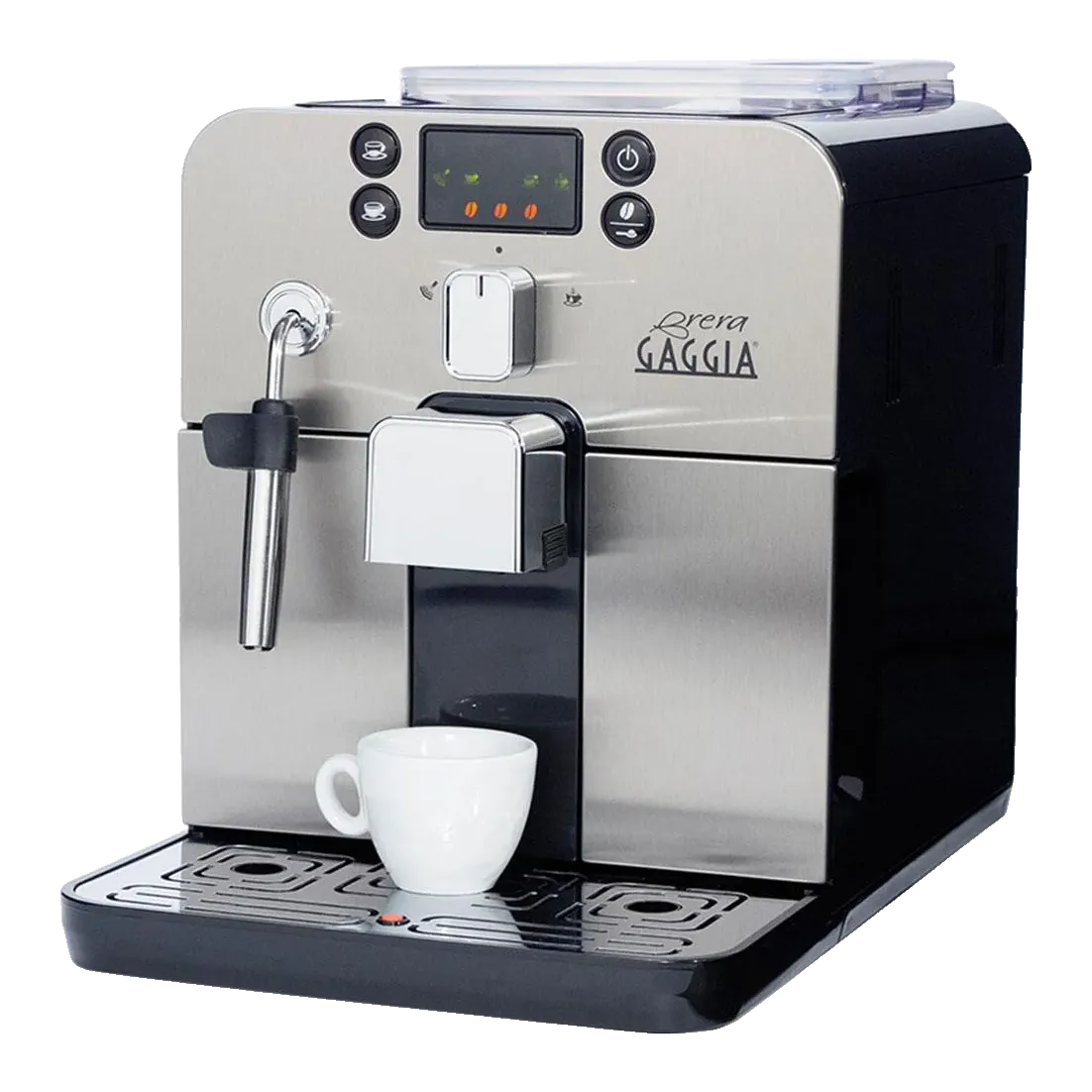
Gaggia
US$430–640 · CA$645–1,020
The Brera does exactly what a budget super-auto should: grind, brew, and steam with minimal fuss in a genuinely small box. What you must accept is that shot quality plateaus well below any s…
Full record & live prices →The split
Where they actually differ
Espresso Defined EM-1000
Brera
Reliability record
Brera leads, decisively
Forgiving to learn on
Brera leads, decisively
Parts & repair
Brera leads, decisively
Push-button convenience
Brera leads, decisively
Value per dollar
Brera leads, clearly
Quiet operation
Brera leads, clearly
weakerstronger
The counter’s vote
Looks barely figure in either machine’s record — the counter can sit this one out.
Brera: Appliance-neutral compact design; "small packages" language in marketing appeals to space-conscious buyers but no design-award or kitchen-approval talk in community record.
Only the Brera: PID temperature control.
Only the Espresso Defined EM-1000: automatic milk texturing.
Only the Brera: a hot-water tap.
Where they tie: milk & steam · shot ceiling · back-to-back drinks · ready when you are · built to last — don’t let a spec sheet invent a difference.
On the counter
The size difference, to scale
So — which one?
Take the Espresso Defined EM-1000 if —
- Milk should happen without you
Take the Brera if —
- It has to just work, every day
- You want the more forgiving of the two
- You plan to fix, not replace
- You want a button, not a ritual
Both columns reading true? Take the one your gut already picked — then stop reading reviews. Fresh beans will move the cup more than this choice will.
Known weak points
Espresso Defined EM-1000
Steam solenoid / milk heating system failures; sensors misfire causing inconsistent output; heating fails specifically on milk drinks; milk temperature well below acceptable range for cappuccinos and lattes.
Brera
Solenoid valve wear on high-use cycles; grinder burr degradation over extended use typical of super-automatics; occasional drip tray overflow if neglected.
For the row-by-row readers
The whole sheet, side by side
Matching rows fade back — the ink is where they differ.
Espresso Defined EM-1000
Brera
Type
Super-automatic (bean-to-cup)
Super-automatic (bean-to-cup)
Heat-up time
~1 min
~1 min
Steam power
2/5
2/5
Brew + steam at once
No
No
Guest recovery
2.5/5
2/5
Shot quality ceiling
2.5/5
2.5/5
PID temperature control
No
Yes
Milk system
Auto frother
Manual steam wand
One-touch drinks
7
2
Removable brew group
Yes
Yes
Cup clearance
17.1 cm
11.4 cm
Workflow demand
0.5/5
1/5
Maintenance
3.5/5
2.5/5
Noise
3/5
2/5
Build longevity
2/5
2.5/5
Dimensions
19.8 × 40.1 × 31.8 cm
25.6 × 44.7 × 31.5 cm
Hot-water tap
—
Yes
One owner each
“Professional testing consistently rates extraction quality as 'good rather than great'—superior to capsule systems but falling short of semi-automatic standards.”
Wrong match-up? Change one side → — any two on file compare.
Still torn?
This page weighs them against each other. The finder weighs them against your mornings.
Two minutes of questions — milk, noise, budget, space — scored across everything on file. It’s honest when the answer is neither of these.
Take the two-minute finder →