Baratza Sette 30 vs Turin / MiiCoffee DF54
Same class, different tax brackets.
The Sette 30 runs ~21% more (listed in different currencies) — and the gap buys nothing the data can taste.
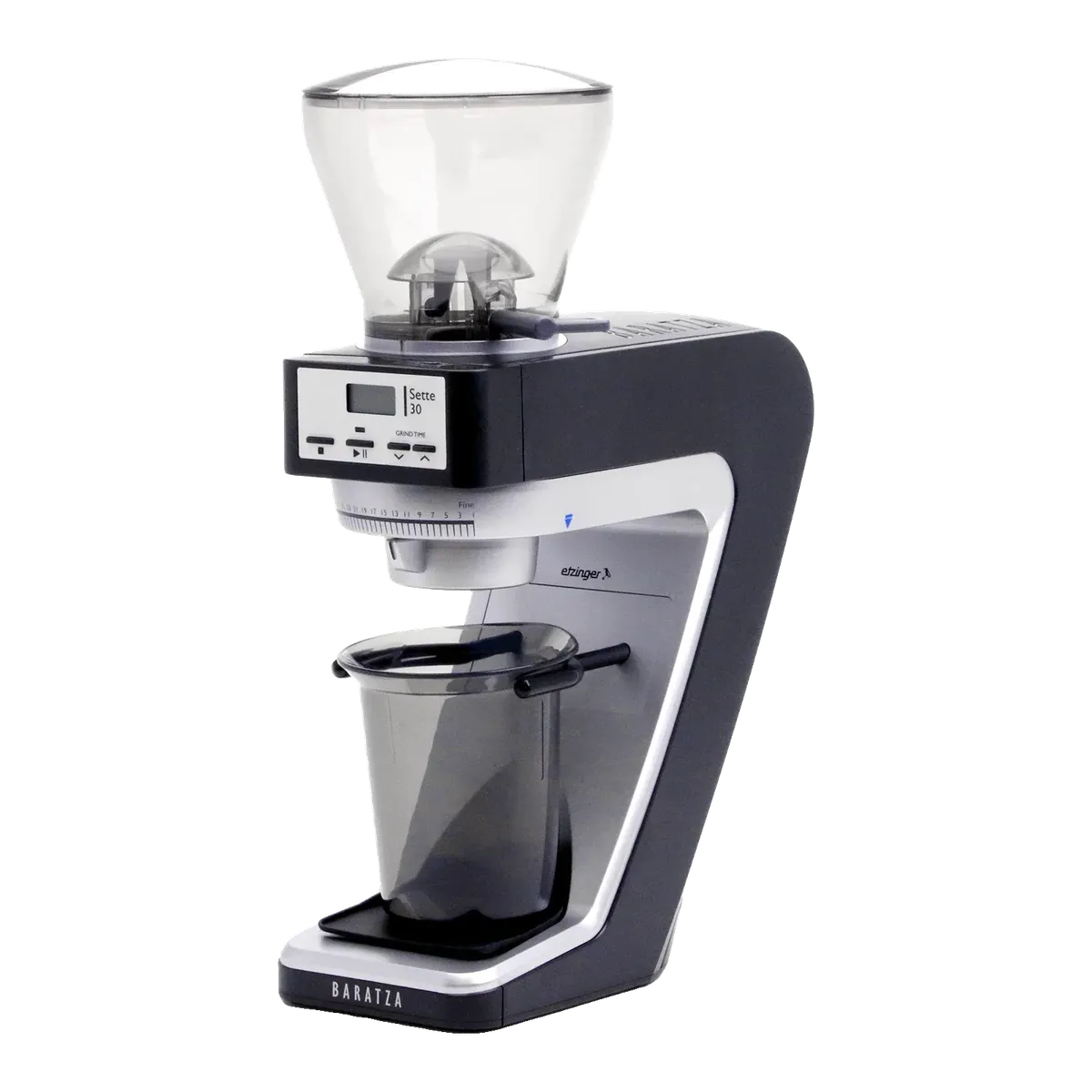
Baratza
CA$370–410 · US$280–300
The Sette 30 delivers genuinely fast, low-retention espresso grinding at an honest price, inheriting the same Etzinger burrs as its pricier siblings. The trade you make is 30 coarse-stepping…
Full record & live prices →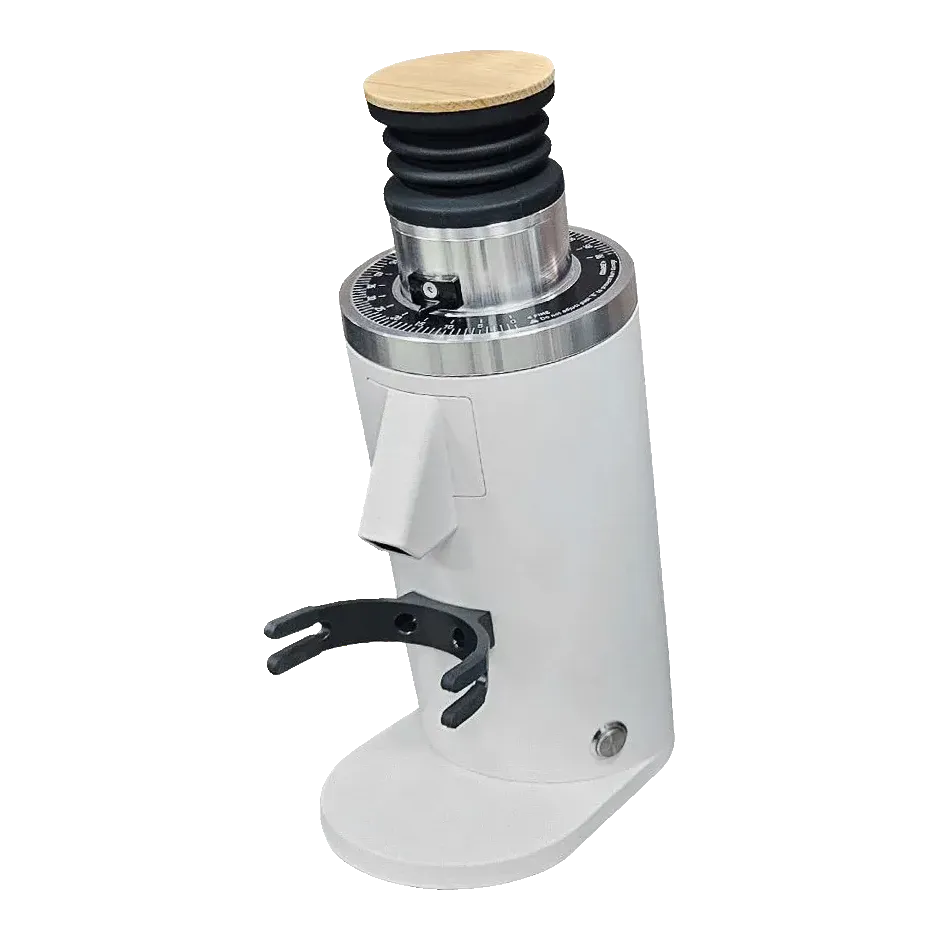
Turin / MiiCoffee
Strong consensusUS$229–249
The DF54 put flat-burr, single-dose performance at a price point that makes the entry-level conical competition look like a bad deal. The trade-off is an all-plastic dosing cup, a clockwise…
Full record & live prices →The split
Where they actually differ
Sette 30
DF54
Quiet operation
DF54 leads, decisively
Espresso duty
DF54 leads, clearly
Brew range
DF54 leads, clearly
Built to last
DF54 leads, clearly
Value per dollar
DF54 leads, clearly
The price
DF54 costs less, clearly
CA$370–410· US$229–249
weakerstronger
The DF54 leans clarity and sparkle; the Sette 30 leans syrup and body. Pick the cup, not the machine.
The counter’s vote
Looks barely figure in either machine’s record — the counter can sit this one out.
Sette 30: Functionally neutral industrial aesthetic; no design awards or "kitchen approval" talk in real threads; bought entirely for performance, not appearance.
DF54: Contemporary industrial aesthetic—matte black, compact footprint—attracts counter placement without polarizing; reveals no award citations or explicit "kitchen approval" threads in the record.
Where they tie: retention · reliability record — don’t let a spec sheet invent a difference.
On the counter
The size difference, to scale
So — which one?
Take the Sette 30 if —
- Syrupy, traditional cups are the goal
Take the DF54 if —
- Bright, separated cups are the goal
- There are sleepers to protect
- Espresso is the job, full stop
- You brew more ways than one
The DF54 leads everywhere the data separates them — and costs less. The Sette 30's case has to come from somewhere the data can't see: the look, the brand, or a used-market deal.
Known weak points
Sette 30
Burr wear and inconsistency creep after 18–24 months of daily use; motor whine increases with age; upper burr holder can develop play; firmware updates sometimes required post-purchase.
DF54
No specific documented failure modes on record; uncertainty stems from supply-chain and warranty support opacity rather than proven defects.
For the row-by-row readers
The whole sheet, side by side
Matching rows fade back — the ink is where they differ.
Sette 30
DF54
Class
Entry espresso-capable
Entry espresso-capable
Burrs
40mm conical
flat
Drive
Electric
Electric
Adjustment
Stepped (micro)
—
Clarity lean
Syrup & body
Clarity & sparkle
Espresso suitability
3/5
4/5
Brew versatility
2/5
3/5
Retention
~0.2 g
~0.1 g
Single dosing
Yes
Yes
Hopper
300 g
25 g
Workflow demand
2/5
2/5
Maintenance
1/5
2/5
Noise
5/5
3/5
Build longevity
2/5
3/5
Dimensions
13 × 24 × 40 cm
11 × 19 × 29.7 cm
One owner each
“The MiiCoffee DF54 was a standout star when it launched in 2024, and two years on, it's only cemented that reputation.”
Wrong match-up? Change one side → — any two on file compare.
Still torn?
This page weighs them against each other. The finder weighs them against your mornings.
Two minutes of questions — milk, noise, budget, space — scored across everything on file. It’s honest when the answer is neither of these.
Take the two-minute finder →