1Zpresso Q Air vs Timemore Chestnut C3 Max
Same class, different tax brackets.
About CA$15 apart — and the gap buys nothing the data can taste.
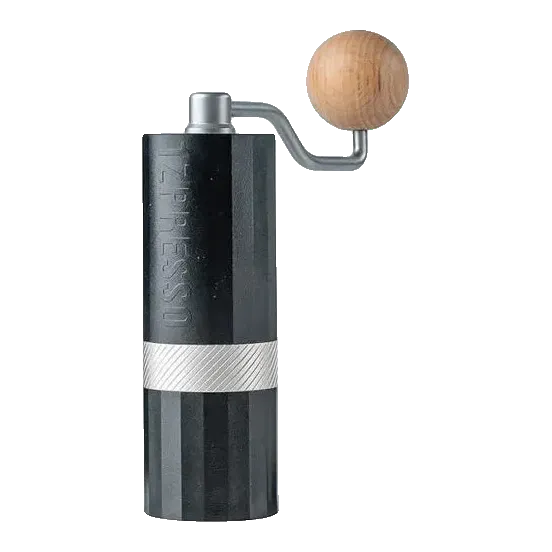
1Zpresso
CA$90–100 · US$60–75
This is the Q2's guts in a soda-can-sized plastic shell, and for the price the burr quality is genuinely better than it has any right to be. Accept that it is a filter and AeroPress grinder…
Full record & live prices →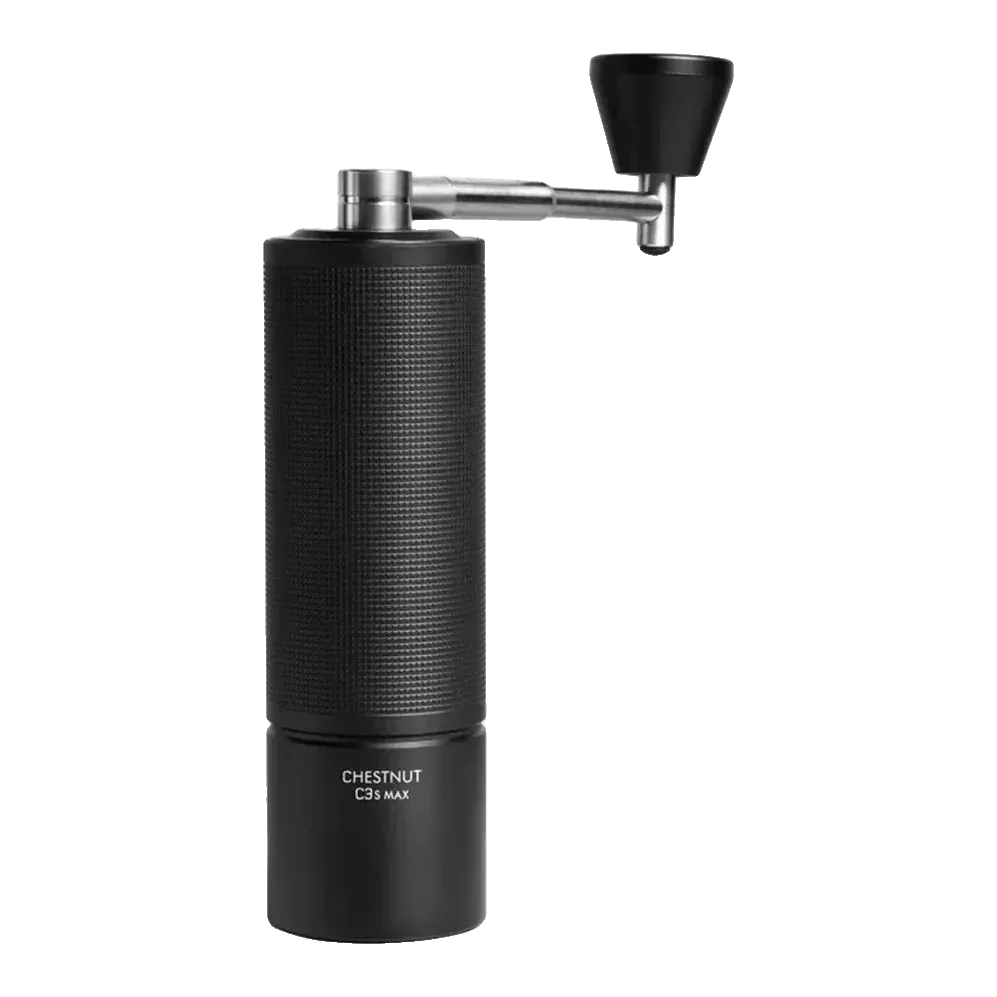
Timemore
CA$70–90 · US$45–65
It is the C3's grind quality with a bigger hopper bolted on, which is exactly what you want if you brew for two but do not want to pay Pro/S prices. Accept that the handle does not fold and…
Full record & live prices →The split
Where they actually differ
On 4 of 6 measures these two tie. The 2 rows below are the entire argument.
Q Air
Chestnut C3 Max
Espresso duty
Chestnut C3 Max leads, clearly
Brew range
Chestnut C3 Max leads, clearly
The price
Chestnut C3 Max costs less, clearly
CA$90–100· CA$70–90
weakerstronger
The Q Air leans the balanced middle; the Chestnut C3 Max leans the balanced middle. Pick the cup, not the machine.
The counter’s vote
Looks barely figure in either machine’s record — the counter can sit this one out.
Q Air: Appliance-neutral industrial form; no polarizing design talk in purchase threads — form follows the hand-grinder function archetype.
Chestnut C3 Max: Neutral appliance look; wooden handle detail draws mild approval but is not a revealed-preference driver in purchase threads.
Where they tie: reliability record · built to last · value per dollar · quiet operation — don’t let a spec sheet invent a difference.
So — which one?
Take the Q Air if —
Hard case to make: the Chestnut C3 Max leads everywhere the data separates them. This one is a deal-day purchase, not a first choice.
Take the Chestnut C3 Max if —
- Espresso is the job, full stop
- You brew more ways than one
- The difference stays in your pocket — or goes into beans
The Chestnut C3 Max leads everywhere the data separates them — and costs less. The Q Air's case has to come from somewhere the data can't see: the look, the brand, or a used-market deal.
Known weak points
Q Air
Plastic adjustment ring wear and handle fatigue reported in hand-grinding threads; plastic burr holder longevity in high-use espresso grinding questioned but not extensively documented.
Chestnut C3 Max
Burr loosening reported in some units after extended use; handle stress at high-torque settings on lighter alloys; otherwise no systemic failures documented in community record.
For the row-by-row readers
The whole sheet, side by side
Matching rows fade back — the ink is where they differ.
Q Air
Chestnut C3 Max
Class
Hand grinder
Hand grinder
Burrs
38mm conical
38mm conical
Drive
Hand-cranked
Hand-cranked
Adjustment
Stepped (micro)
Stepped (micro)
Clarity lean
Balanced
Balanced
Espresso suitability
1.5/5
2.5/5
Brew versatility
3/5
4/5
Single dosing
Yes
Yes
Hopper
20 g
30 g
Workflow demand
4/5
4/5
Maintenance
1.5/5
2/5
Noise
0.5/5
1/5
Build longevity
3/5
3/5
Wrong match-up? Change one side → — any two on file compare.
Still torn?
This page weighs them against each other. The finder weighs them against your mornings.
Two minutes of questions — milk, noise, budget, space — scored across everything on file. It’s honest when the answer is neither of these.
Take the two-minute finder →